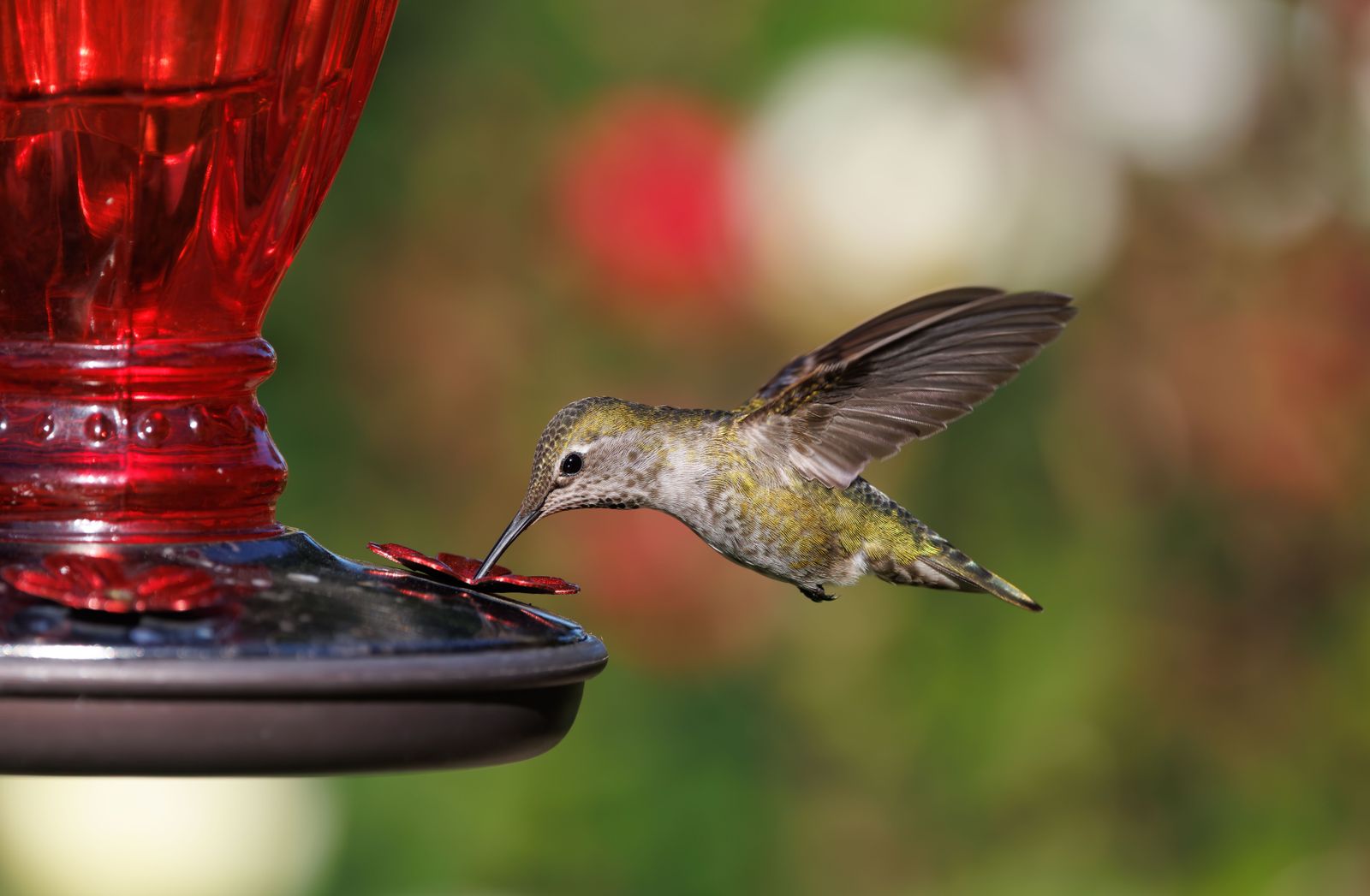
Troubleshooting Hummingbird Feeder Mold: Why Protective Caps Matter
Hummingbird feeder mold is primarily triggered by rainwater diluting nectar sugar levels below 20% and outdoor heat accelerating fungal spore germination. Prevent mold by installing a protective rain cap or solar dome, changing nectar every 2–3 days in hot weather, and sterilizing hand-blown glass using a warm water and white vinegar soak.
4-Step Glass-Safe Mold Sterilization Protocol
- Step 1: Cool & Disassemble → Yes: Allow feeder to adjust to indoor ambient room temperature, then disassemble glass reservoir, rubber seals, and metal base.. No: Do not submerge hot glass in cold water to prevent thermal shock..
- Step 2: Vinegar Soak (20 Mins) → Yes: Submerge all non-solar components in a 1:4 ratio of distilled white vinegar and warm water for 20 minutes to dissolve fungal spores.. No: Never use harsh chlorine bleach on metallic or hand-blown art glass..
- Step 3: Soft Brush Port Clean → Yes: Gently scrub feeding ports and narrow neck crevices using a soft micro-tube brush or pipe cleaner.. No: Avoid abrasive wire pads that scratch delicate glass surfaces..
- Step 4: Air Dry & Refill → Yes: Rinse thoroughly with cold tap water and let completely air-dry before filling with fresh 4:1 sugar water.. No: Do not reassemble while moist, as residual dampness can harbor airborne spores..
Hummingbird Feeder Mold Troubleshooting Matrix
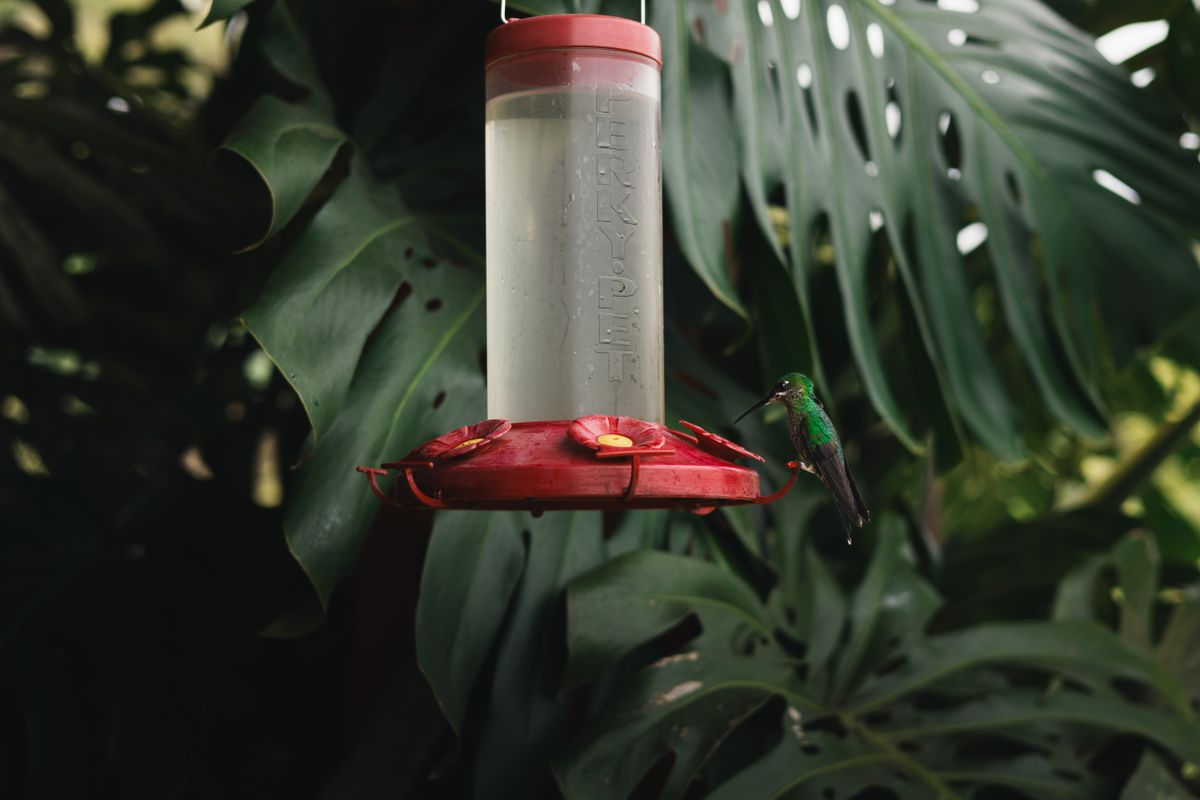
Photo by Dante Muñoz on Pexels
| Symptom / Appearance | Root Cause | Environmental Trigger | Corrective Action |
| --- | --- | --- | --- |
| Black specks or velvet coating in feeding ports | Aspergillus or Penicillium fungal spore bloom | Rainwater diluting sugar solution below 20% Brix | Soak in 1:4 white vinegar for 20 mins; install a wide protective weather or solar cap. |
| White cloudy haze or milky floating strands | Wild yeast fermentation | Direct afternoon sun and heat exceeding 85°F | Move feeder to afternoon shade; replace nectar every 48 hours during heatwaves. |
| Pink or reddish slimy film on glass walls | Serratia marcescens bacterial colony | Organic dust contamination and unsterilized water sources | Deep scrub with 3% hydrogen peroxide, rinse thoroughly, and sterilize water boiling vessel. |
| Dark residue around rubber gaskets and metal threads | Trapped moisture and old sugar syrup decay | Improper drying during previous cleaning cycle | Remove O-rings completely during cleaning; replace worn seals showing micro-pitting. |
Identify the exact visual symptom inside your reservoir or feeding ports to pinpoint environmental triggers and apply the appropriate non-toxic remedy.
Pro Tip: The Hidden Role of Rain Dilution in Nectar Spoilage
Many garden lovers assume heat alone causes mold, but rainwater is often the quiet culprit. Pure sucrose nectar mixed at a standard 4:1 ratio (20% sugar concentration) creates a mildly osmotic environment that naturally slows fungal growth. However, when storm runoff drips down an unshielded glass reservoir and seeps into the feeding ports, it dilutes the sugar concentration below 15%.
This diluted sugar solution creates a perfect breeding ground for fungal spores carried on wind currents and bird beaks. Equipping your feeder with a wide, protective top cap—such as an integrated solar dome—acts as a protective umbrella, deflecting rainwater away from the base while keeping nectar fresh and potent.
Weekly Mold Prevention & Feeder Inspection Checklist
- [ ] Check nectar clarity daily—dump immediately if cloudy or showing dark specks.
- [ ] Inspect feeding ports for black mold buildup using a soft tube brush.
- [ ] Verify that the protective top cap or solar dome is securely aligned over the reservoir.
- [ ] Examine the sealed metal base and rubber gaskets for trapped moisture or residue.
- [ ] Confirm feeder is hung in partial shade during peak hot afternoon hours.
- [ ] Rinse and soak all components in 1:4 white vinegar solution weekly.
Diagram: The Rain-Dilution Mold Cycle & Protective Cap Shielding
This cross-sectional visual illustrates how an unshielded feeder allows rain runoff to ruin nectar versus how a cap shield preserves sugar purity.
Decision Tree: Selecting the Right Cleaning Solution & Protective Shield
- Is there visible black or pink mold inside the ports or glass reservoir? → Yes: Proceed to Deep Mold Sterilization (Step 2). No: Proceed to Routine Maintenance Wash (Step 3)
- Deep Mold Sterilization: Has the mold penetrated deep into rubber gaskets? → Yes: Soak in 3% hydrogen peroxide for 15 minutes, use micro-tube brush on ports, and replace old rubber O-rings.. No: Soak in 1:4 white vinegar solution for 20 minutes and scrub with soft nylon brush.
- Routine Maintenance Wash: Does your garden experience frequent rain or temperatures over 80°F? → Yes: Install an integrated solar weather cap shield and change nectar every 48 hours.. No: Standard 1:4 warm water vinegar rinse weekly; change nectar every 4–5 days.
Immediate Next Steps for a Mold-Free Feeder Setup
Your decision: Identify whether your feeder mold is caused by rain dilution, direct sun, or infrequent cleaning, and choose a protective cap shield and non-toxic cleaning routine.
Do this next: Sterilize your feeder immediately using a 1:4 white vinegar soak, inspect rubber gaskets for mold spores, and position under a protective weather or solar cap.
- Read next: Hot Weather Nectar Ratios: How to Keep Hummingbird Food Fresh in Summer
- Read next: How to Make Safe DIY Hummingbird Nectar: The Ultimate 4:1 Recipe
LUJII Hand-Blown Solar Hummingbird Feeder with Protective Weather Cap & Anti-Rust Metal Base
Take action today to safeguard your backyard hummingbirds from dangerous fungal infections like avian candidiasis.
Key Takeaways: Keeping Backyard Nectar Safe and Fresh
Photo by Heru Vision on Pexels
- Rain Dilution Kills Freshness: Rainwater dripping into unshielded feeding ports lowers nectar sugar levels below 20%, triggering rapid fungal blooms.
- Cap Shields are Essential: A wide protective top cap or solar housing acts as an umbrella, keeping rain out and nectar pure.
- White Vinegar Over Bleach: Distilled white vinegar (1:4 ratio) safely kills spores without etching artisan hand-blown glass or leaving toxic chemical odors.
- Temperature Dictates Swaps: In outdoor heat above 85°F, change nectar every 48 hours regardless of visual clarity.
- Protect the Beaks: Preventing mold stops avian candidiasis—a painful, fatal fungal infection that prevents hummingbirds from feeding.
How to Clean & Sterilize Hand-Blown Glass Feeders Safely
Hand-crafted glass feeders are stunning works of art created at temperatures over 2,300 degrees. Cleaning them requires gentle care to protect their vivid translucent colors and sealed bases.
Common Mistakes That Accelerate Mold Growth in Backyard Feeders
Avoid these frequent mistakes to ensure your nectar remains a healthy energy source for visiting birds:
- Using Chlorine Bleach on Art Glass: Bleach leaves microscopic chemical residues in glass pores and can corrode metallic base finishes, poisoning hummingbirds.
- Hanging Feeders in Open Rain Pathways: Placing feeders directly under tree drip-lines or roof edges without an overhead shield invites rain dilution and rapid spoilage.
- Topping Off Old Nectar: Pouring fresh sugar water over remaining nectar introduces active fungal spores directly into the fresh batch. Always dump, rinse, and refill.
- Ignoring Rubber O-Rings: Mold spores love hiding beneath silicone seals and threading. Failing to detach seals during weekly washings causes immediate recontamination.
Related Nectar Care & Summer Safety Guides
- Solar Hummingbird Feeder Troubleshooting: How to Fix Lighting and Prevent Nectar Leaks
- Troubleshooting Your Solar Hummingbird Feeder: Battery, Lighting, and Nectar Care Tips
- Why Are Bees Swarming Your Hummingbird Feeder? Troubleshooting Leaks, Thermal Drips, and Placement
Frequently Asked Questions About Hummingbird Feeder Mold
Get expert answers to common concerns regarding nectar spoilage, glass safety, and solar lighting.
Recommended Mold-Resistant Feeders & Protective Upgrades
Upgrade your garden display with a feeder designed for leak-proof performance, easy cleaning, and weather protection.
🌟 LUJII Solar-Powered Hummingbird Feeder 🌟
- Protective Weather Shield Cap: Features a wide, durable plastic solar cap that shields nectar ports from rain, snow, and direct overhead sun.
- Hand-Blown Glass Artistry: Beautiful 32 fl.oz translucent reservoir crafted at 2,300°F allows effortless nectar monitoring and easy disassembly.
- Ambient RGB Nighttime Lighting: Automatically illuminates at night for up to 8 hours with soft, heat-free RGB LEDs.
- Durable Anti-Rust Base: Metal base coated with anti-rust protection and tightly sealed gaskets to eliminate leaks and trapped mold spores.
Cover photo by Veronika Andrews on Pexels.