
Hand-Blown Glass vs. Molded Plastic Hummingbird Feeders: Leak-Proof Base Test
Hand-blown glass hummingbird feeders paired with precision-sealed metal bases outperform molded plastic in leak prevention. Glass remains dimensionally stable under intense solar heat, preserving the airtight vacuum seal, whereas plastic flexes, warps, and degrades rubber gaskets, leading to thermal siphoning and sticky nectar drips.
Material Performance Comparison Matrix
| Evaluation Criteria | Hand-Blown Glass + Metal Base | Molded Plastic Base |
| --- | --- | --- |
| Thermal Expansion Coefficient | Negligible expansion under direct 100°F sun; rigid bottle maintains constant air vacuum. | High expansion rate; heat softens plastic body, altering internal air volume and pushing fluid out. |
| Thread & Seal Integrity | Precision-machined metal base threads press gasket uniformly without stripping. | Soft molded threads deform under hand pressure and summer heat, creating micro-gaps. |
| UV & Weathering Resistance | Impervious to UV degradation; non-porous glass retains optical clarity indefinitely. | UV rays break down polymer chains, causing yellowing, brittleness, and hairline cracks. |
| Wind Displacement Stability | Heavy total assembly (3.0 to 4.5 lbs filled) minimizes sway and port sloshing. | Lightweight (1.0 to 1.5 lbs filled) sways violently in wind, spilling nectar through ports. |
| Cleaning & Surface Hygiene | Smooth, non-porous surface resists mold adhesion and withstands hot water scrubbing. | Micro-scratches from cleaning harbor sugar mold that degrades port surface tension. |
This criteria-row matrix compares the engineering parameters governing leak resistance between hand-blown glass Assemblies and molded plastic feeder bases.
Base Material Breakdown: Hand-Blown Glass + Metal vs. Molded Plastic

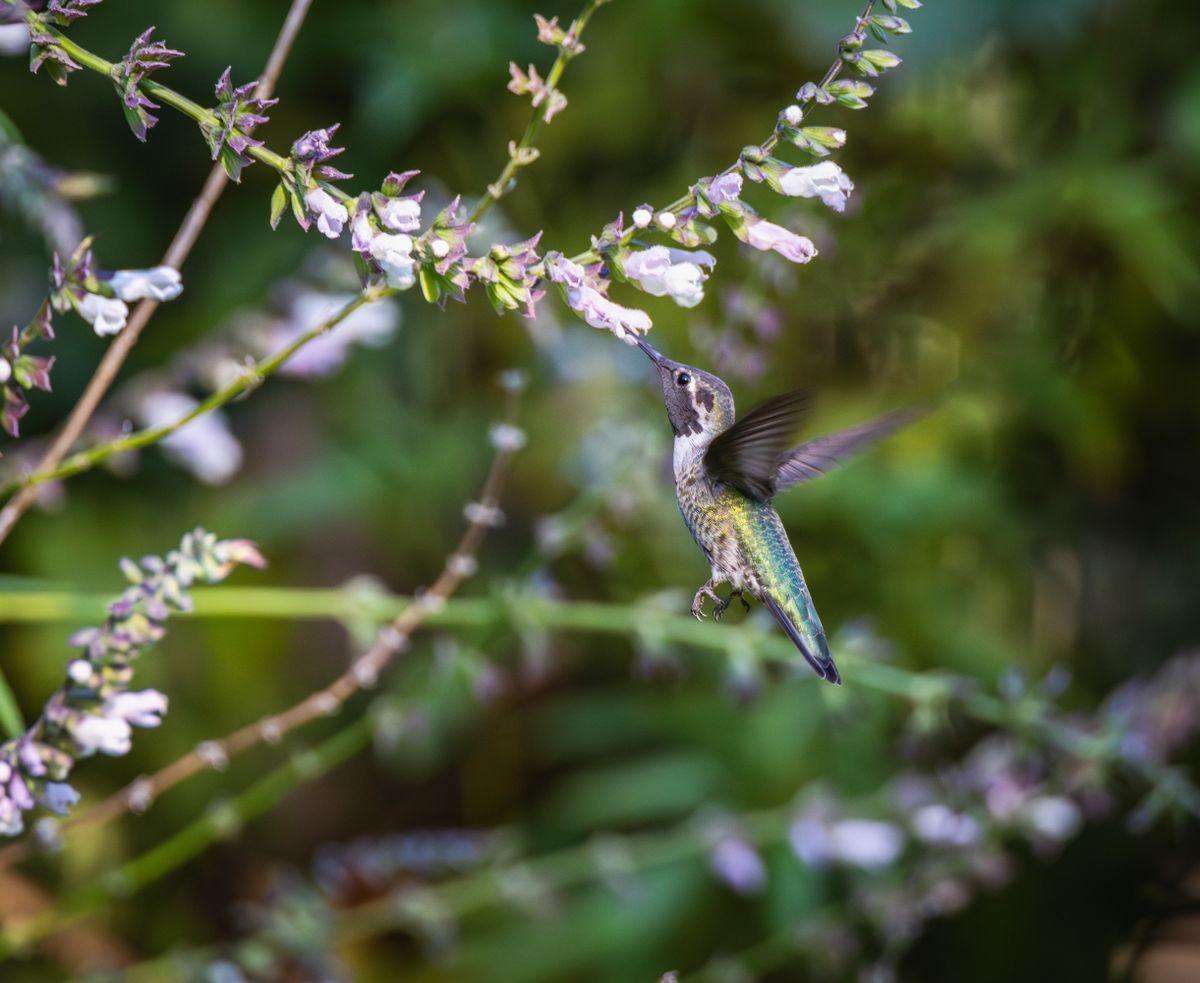
Photo by Veronika Andrews on Pexels
Pros
- Hand-blown glass maintains a stable internal vacuum pocket even in peak afternoon heat.
- Anti-rust coated metal bases provide rigid, leak-proof threading for rubber gaskets.
- Heavy 32 fl. oz capacity prevents wind swing from dislodging nectar liquid levels.
- Artisan hand-blown glass adds high-end garden aesthetics with vibrant translucent color.
- Hand-blown glass requires sturdy 1/2-inch steel shepherd hooks rated for 5+ lbs.
- Higher initial investment compared to budget molded plastic alternatives.
Visualizing Vacuum Stability
Understand how physical structure dictates vacuum seal performance under direct sun.
Expert Advice: Maintaining Atmospheric Vacuum Seals in Summer
To prevent midday drips caused by air expansion, always fill your hummingbird feeder reservoir completely with cold or room-temperature nectar. Leaving a large air gap at the top of the bottle gives solar heat more air volume to expand, which creates internal pressure that forces nectar down and out through the flower ports. Chill your nectar before filling, fully submerge the inner stopper, and hang the feeder where it gets shade during peak afternoon hours (1:00 PM – 4:00 PM).
Feeder Leak Diagnostic & Fix Guide
| Symptom | Root Cause | Immediate Fix | Long-Term Solution |
| --- | --- | --- | --- |
| Nectar drips heavily between 1 PM and 4 PM only | Thermal siphoning: Air trapped inside reservoir expands under direct sun heat. | Fill reservoir to the absolute top with cold nectar to eliminate air volume. | Switch to heavy hand-blown glass with solar insulation and hang in afternoon shade. |
| Continuous weeping around base threads | Warped plastic threads or pinched rubber O-ring gasket. | Unscrew base, inspect gasket for alignment, and hand-tighten without cross-threading. | Replace base assembly with precision-threaded anti-rust metal base. |
| Nectar splashes out during light summer breezes | Lightweight feeder body lacks inertia, swaying excessively on hook. | Shorten hanging cord and position feeder closer to tree canopy. | Use a heavy 32 fl. oz glass reservoir that stays upright during gusts. |
| Wasp and ant swarms clustered around bottom ports | Sugar crust build-up breaking liquid surface tension at port opening. | Flush feeding ports with hot water and soft brush every 3 days. | Install a leak-proof metal base feeder with built-in sealed gaskets. |
Identify the cause of persistent nectar drips and restore a clean, sticky-free garden feeding station.
Frequently Asked Questions About Feeder Leaks
Answers to common reader questions regarding summer thermal dynamics, weight considerations, and plastic degradation.
Key Takeaways: Why Glass Base Assemblies Prevail
Core structural facts to keep in mind when shopping for a leak-free garden feeder:
Material Selection Criteria for Your Garden Setup
Hand-blown glass reservoirs paired with heavy anti-rust metal bases provide superior leak prevention compared to molded plastic, particularly in hot climates subject to direct sunlight and thermal siphoning.
Best choice for
- Hand-Blown Glass with Coated Metal Base — Glass does not soften or warp under heat, preserving the critical vacuum seal.
- Weighted Glass Feeder (32 fl. oz) — Mass of glass stabilizes liquid inertia, preventing sloshing out of feeding ports.
- You are hanging feeders on thin, unanchored plant stems or weak plastic shepherd hooks that cannot support 4 lbs.
- Thick Polycarbonate Plastic with Metal Thread inserts — Offers moderate durability if low weight is an absolute necessity, though UV degradation still occurs over 2-3 seasons.
Real-World Environment Scenarios
High Desert & Southern Heat Waves (95°F to 105°F Ambient Air) — Use hand-blown glass with a sealed metal base. Plastic reservoirs warp at high ambient temperatures, expanding internal air volume and pushing nectar out in continuous streams.
Open Coastal & Prairie Winds (15 to 25 mph Gusts) — Select a heavy 32 fl. oz glass reservoir with a broad metal base. The added mass prevents pendulum swing that causes open ports to tilt below internal liquid height.
Shaded Forested Patios & Covered Porches — Plastic bases perform adequately in full shade, but hand-blown solar glass adds multi-colored LED illuminated evening decor that plastic cannot match.
See how glass and plastic feeders perform under specific backyard weather conditions.
To understand why hummingbird feeders leak, one must understand basic atmospheric fluid dynamics. A inverted bottle feeder relies on a vacuum seal. When you turn a full feeder upright, a small amount of nectar flows into the base tray, creating a low-pressure air pocket (vacuum) at the top of the bottle. Earth's atmospheric pressure pushing against the liquid in the open feeding ports balances the downward gravitational pull of the liquid column.
The Thermal Siphoning Breakdown
When a feeder hangs in direct summer sunlight, thermal energy transfers into the reservoir. Molded plastic feeders present two failure points under thermal stress:
Hand-blown glass eliminates the material flex component entirely. Crafted at 2,300 degrees Fahrenheit, artisan glass has a near-zero thermal expansion coefficient at garden temperatures. Because the glass neck remains perfectly rigid, the gasket stays evenly compressed against the anti-rust metal base. When paired with proper full-bottle filling and partial shade, glass feeder assemblies eliminate thermal siphoning drips completely.
Featured Garden Upgrade: LUJII Solar Hand-Blown Glass Feeder
For garden enthusiasts seeking an artisan centerpiece that eliminates sticky nectar messes, the LUJII Solar-Powered Hummingbird Feeder combines heavy hand-crafted glass art with high-tolerance seal engineering.
Explore Related Feeder Maintenance Guides
Enhance your backyard birdwatching experience with these practical care guides:
- Hot Weather Nectar Ratios: How to Keep Hummingbird Food Fresh in Summer
- Summer Storm Protection: Weatherproofing Your Glass Solar Hummingbird Feeder Setup
- How to Clean and Maintain Your Hand-Blown Solar Hummingbird Feeder
- Best Ant Moats for Hummingbird Feeders: Built-In vs. Hanging Hooks
Recommended Hand-Blown Glass Solar Feeders
Discover handcrafted, solar-illuminated feeders engineered with anti-rust metal bases to keep your garden vibrant and drip-free.
Next Steps for a Drip-Free Backyard
Your decision: Choose hand-blown glass with a coated metal base for hot, sun-exposed gardens to eliminate thermal warping and nectar leaks.
Do this next: Inspect your existing feeder gasket for micro-tears and verify if afternoon drips coincide with peak sun exposure.
- Read next: Hummingbird Feeder Gasket and O-Ring Maintenance FAQ
LUJII Hand-Blown Glass Solar Hummingbird Feeder with Anti-Rust Metal Base
Ready to eliminate sticky patio messes and attract more hummingbirds?
Cover photo by Veronika Andrews on Pexels.