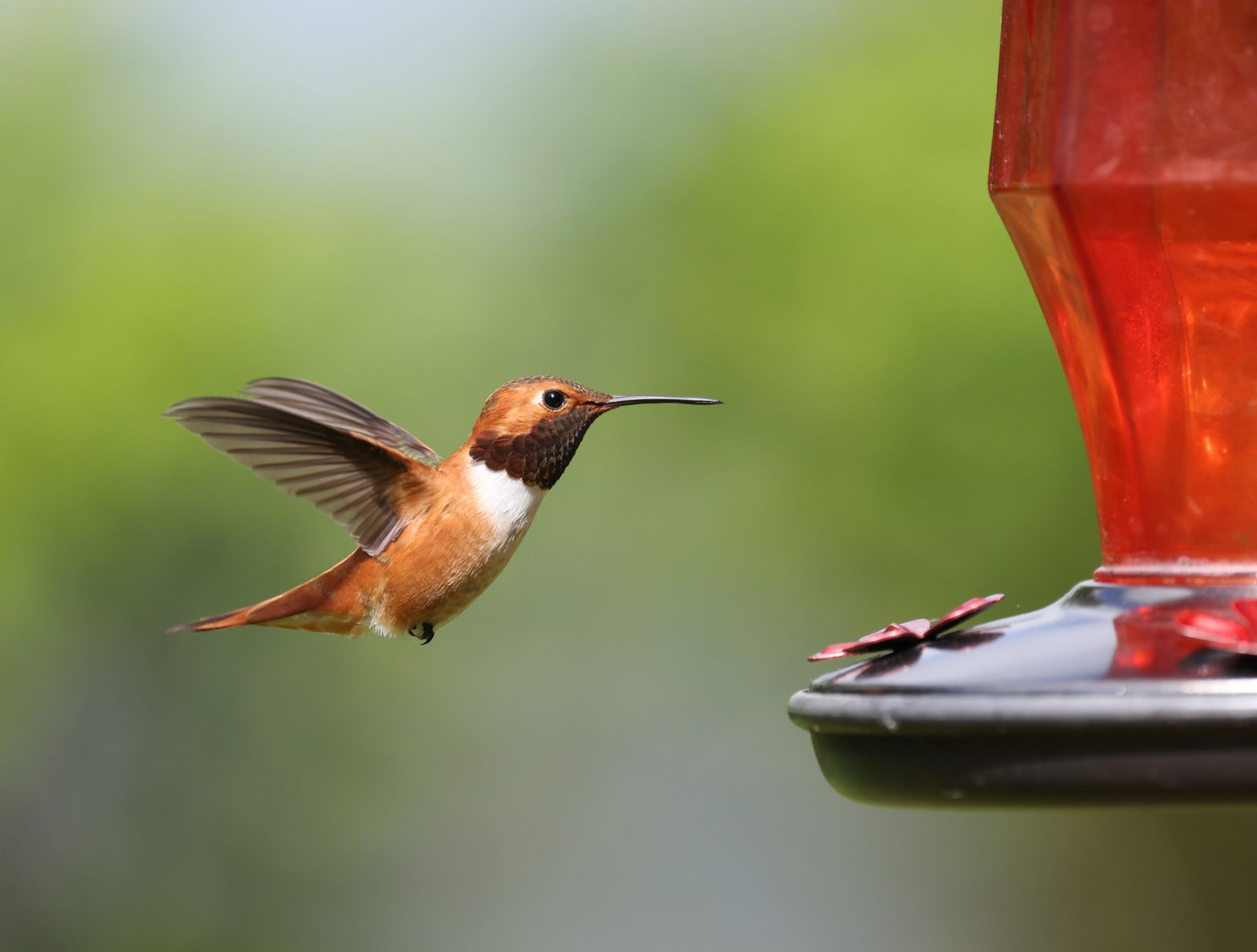
Sunbelt Hummingbird Care: Protecting Nectar from High-Temperature Spoilage in the South
How frequently must you change hummingbird nectar in 90°F+ heat, and where should you hang a solar glass feeder so it charges without overheating?
In ambient temperatures exceeding 90°F, replace nectar every 24 to 48 hours, mount feeders in microclimates with morning sun and afternoon shade, and maintain a strict 4:1 water-to-refined-white-sugar ratio. Solar lids generate negligible heat (<0.1°F), so proper shade positioning shields the hand-blown glass reservoir while ensuring the solar top stays powered.
Daily Sunbelt Feeder Safety Audit
- [ ] Check nectar clarity against direct sunlight—discard immediately if cloudy, milky, or hazy.
- [ ] Inspect feeding ports for tiny black mold dots (Candida reukaufii) or sticky residue.
- [ ] Smell nectar at port level—discard if vinegar-like, yeast-y, or fermenting.
- [ ] Verify solar cap lens is clean of bird droppings or tree sap for optimal nighttime RGB LED charging.
- [ ] Ensure feeder base is hung in deep shade prior to peak 12:00 PM solar radiation.
Printable Sunbelt Summer Nectar Survival Sheet
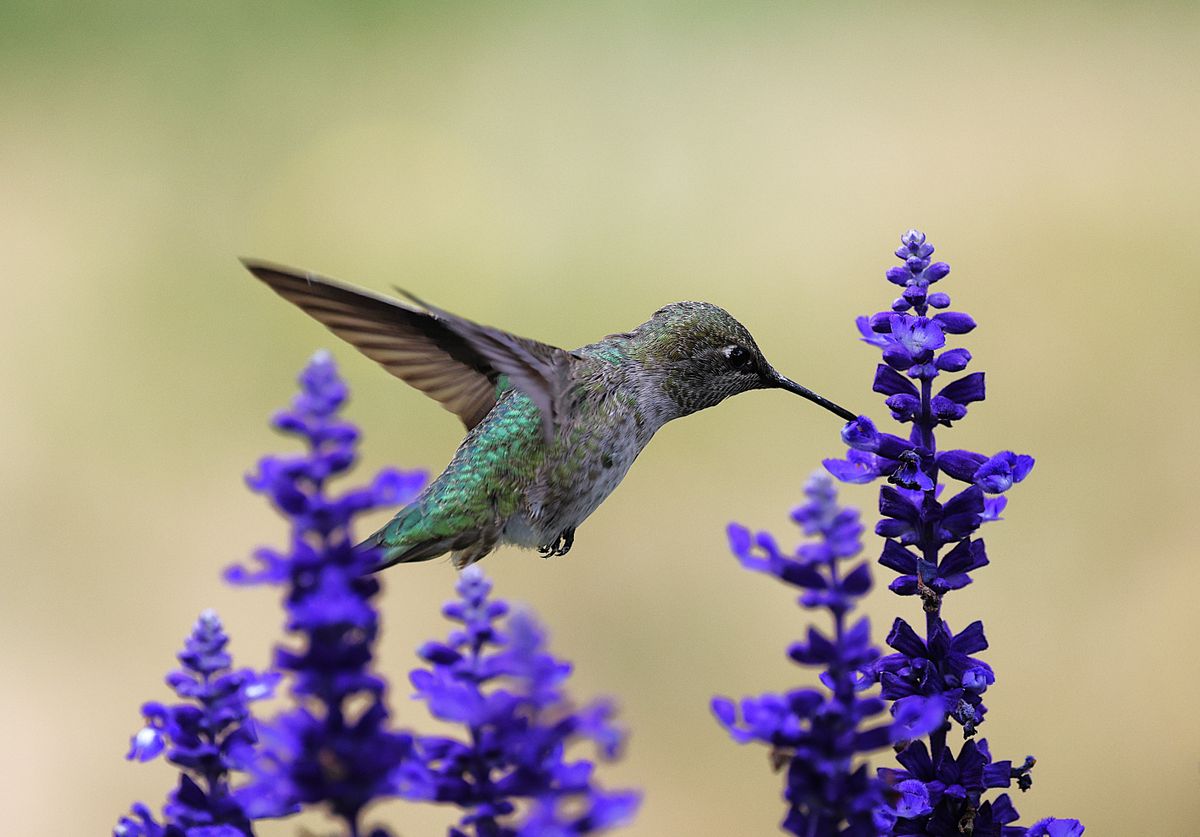
Photo by Veronika Andrews on Pexels
- Temperature Rule: Change nectar every 5 days under 70°F, 3 days at 80-89°F, 24-48 hours at 90-99°F, and daily above 100°F.
- Strict 4:1 Ratio: Always mix 4 parts pure tap water to 1 part pure white granulated cane sugar. Never use raw sugar, honey, or red dye.
- Microclimate Hanging: Position feeder under an eastern overhang or tree canopy—4 hours of morning sun for the solar cap, total afternoon shade for the glass reservoir.
- Chemical-Free Cleaning: Flush with 2 parts warm water and 1 part distilled white vinegar. Use uncooked rice to scrub narrow hand-blown glass necks.
- Thermal Protection: Avoid ice cubes in hand-blown glass to prevent thermal shock micro-fractures and nectar dilution.
Expert Tip: Glass Thermal Mass vs. Solar LED Energy
Many bird lovers worry that adding a solar-powered LED lid will heat up the glass reservoir and speed up nectar fermentation at night. However, high-quality solar caps utilize low-voltage RGB micro-LEDs positioned above a protective plastic heat barrier. These micro-LEDs generate less than 0.1°F of thermal energy—virtually zero impact on nectar temperature!
Conversely, thick hand-blown art glass provides superior thermal insulation compared to thin, mass-produced plastic. Glass acts as a thermal buffer, slowing down the rate at which morning shade temperatures transition to ambient heat. As long as the feeder is shaded from afternoon sun rays, the natural mass of handcrafted glass keeps nectar significantly cooler than standard plastic feeders.
Troubleshooting Summer Feeder Failure Modes
| Observed Failure Mode | Root Cause in High Heat | Avian Risk Level | Immediate Corrective Action |
| --- | --- | --- | --- |
| Cloudy, milky nectar with fine bubbles | Rapid fermentation of sucrose into alcohol/vinegar by airborne yeast | High (Causes liver strain & severe dehydration) | Discard nectar immediately; flush reservoir with white vinegar and hot water solution. |
| Black specks or velvety fuzz around feeding ports | Fungal bloom of Candida reukaufii fungal spores accelerated by ambient heat >85°F | Critical (Causes fatal tongue swelling/crop infection) | Disassemble base, scrub ports with a bottle brush and vinegar; dry completely before refill. |
| Nectar dripping rapidly from feeding ports | Air inside reservoir expanding due to direct midday sun, forcing nectar down | Moderate (Attracts wasps, yellowjackets, and ants) | Relocate feeder to deep afternoon shade; verify base gaskets are tightly sealed. |
| Hummingbirds hovering near feeder but refusing to drink | Nectar has turned sour/fermented, or temperature exceeds avian body comfort | Moderate (Birds waste energy visiting unusable food) | Replace nectar with fresh, cool 4:1 solution; check shade coverage. |
| Solar LED lights dimming or not illuminating at night | Solar cap lens covered in dust, sap, or droppings, blocking daytime charging | Low (Cosmetic/aesthetic issue) | Wipe top solar cell with a damp micro-fiber cloth; ensure morning sun exposure. |
When extreme summer heat hits, hummingbird feeders experience physical and biological breakdown fast. Identify early failure signs before they harm your local flock.
Sunbelt Microclimate Placement: Solar Charging vs. Thermal Shade
- Sunbelt & Desert Southwest (AZ, NV, NM, West TX) — Hang feeders strictly under dense northern or eastern overhangs. Ensure the solar cap catches early morning sun from 6:00 AM to 10:00 AM, but direct sunlight is completely blocked by noon when temperatures spike past 100°F.
- Humid Deep South & Gulf Coast (East TX, LA, MS, AL, FL, GA) — Position feeders in breezeways under high tree canopies to encourage airflow around the hand-blown glass base. High humidity slows evaporation but accelerates mold spore germination— daily inspections are vital.
- Transitional Sunbelt / Mid-South (TN, NC, SC, OK, AR) — Dappled shade under deciduous trees works best. The leaf canopy shields the glass reservoir from harsh thermal radiation while allowing ambient sky light to fully recharge top-mounted solar batteries.
Next Steps: Daily Action Plan & Summer Maintenance Routine
Your decision: Choose a hand-blown glass solar feeder built with anti-rust metal components and thick insulated glass.
Do this next: Flush and refill feeders every morning during 90°F+ heatwaves using a strict 4:1 white sugar nectar ratio.
- Read next: Hot Weather Nectar Ratios: How to Keep Hummingbird Food Fresh in Summer
- Read next: How to Clean and Maintain Your Hand-Blown Solar Hummingbird Feeder
LUJII Hand-Blown Glass Solar Hummingbird Feeder with 32 oz leak-proof capacity and anti-rust metal base.
Establishing a seamless daily routine takes only two minutes every morning but keeps your hummers safe and your garden glowing into the night.
Key Takeaways for Southern Bird Lovers
- Ambient heat above 90°F reduces safe nectar lifespan to 24-48 hours maximum.
- Thick hand-blown art glass buffers against ambient temperature spikes far better than thin plastic.
- Low-voltage RGB solar LEDs emit less than 0.1°F heat, keeping nectar cool at night.
- Never use ice, red dye, honey, or raw sugars—stick to pure refined white granulated sugar.
- Scrub tight glass contours safely using warm water, distilled white vinegar, and uncooked rice.
The Sunbelt Temperature-to-Spoilage Refresh Schedule
- Under 70°F (Mild Spring / Early Autumn) — Change nectar every 5 to 7 days. Full vinegar rinse weekly.
- 70°F – 79°F (Warm Spring / Early Summer) — Change nectar every 3 to 4 days. Visual audit for clarity every 2 days.
- 80°F – 89°F (Standard Summer Heat) — Change nectar every 3 days. Rinse feeding ports daily.
- 90°F – 99°F (High Sunbelt Summer Heatwave) — Change nectar every 24 to 48 hours mandatory. Spot clean base daily.
- 100°F+ (Extreme Desert / Deep South Heat) — Change nectar daily (every 24 hours at 6:00 AM). Fill reservoir half-full to minimize waste.
5 Fatal Summer Feeding Mistakes in the Deep South
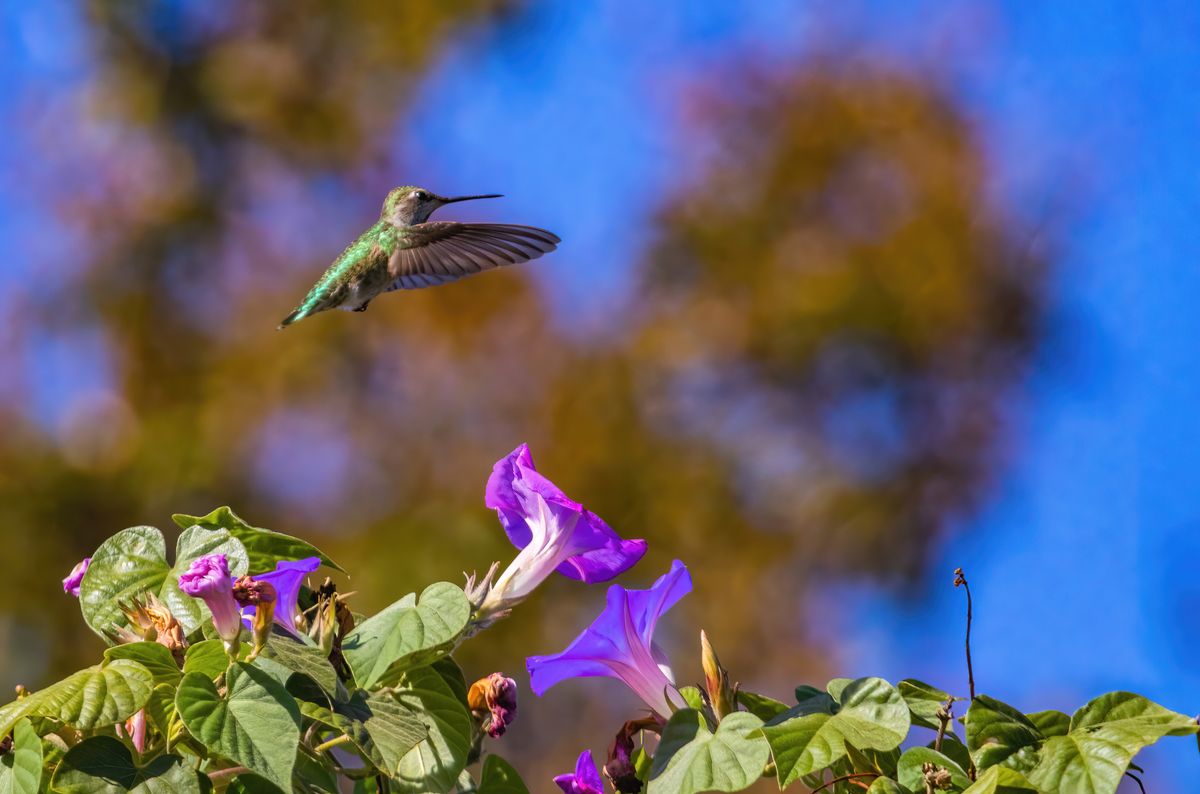
Avoid these dangerous errors that threaten hummingbird health or destroy hand-blown glass feeders during summer heatwaves.
Nectar Fermentation & Mold Growth Timeline (90°F+ Heat)
- Hour 0 (6:00 AM) — Fresh 4:1 nectar mixed, cooled, and poured into clean hand-blown glass feeder. Solution is crystal clear.
- Hour 12 (6:00 PM) — Peak daytime sun exposure complete. Ambient heat warms nectar; wild yeast spores introduced by visiting bird beaks begin colonizing base.
- Hour 24 (Day 2 Morning) — Yeast breaks down sucrose into ethanol. Solution shows subtle cloudiness under bright light. Micro-bubbles begin forming.
- Hour 36 (Day 2 Evening) — Acetic acid bacteria convert ethanol to vinegar. Nectar develops sour odor. Hummingbirds begin rejecting feeder.
- Hour 48 (Day 3 Morning) — Candida reukaufii fungal spores bloom into visible black mold specks inside feeding ports. Nectar is now toxic to wild birds.
Related Hot-Weather Care Guides
- Keeping Hummingbird Nectar Fresh in Summer: Solar Feeder Care Guide
- Southern Garden Hummingbird Care: Managing High Humidity Nectar Spoilage
- Sunbelt & Desert Hummingbird Care: Preventing Heat Leaks in High-Temperature Zones
Frequently Asked Questions
Does nighttime solar LED warmth accelerate nectar spoilage in the glass reservoir?
No. LUJII solar lids use ultra-low-voltage RGB micro-LEDs mounted above a protective plastic shield, generating less than 0.1°F of thermal energy—zero impact on nectar freshness.
Should I change the 4:1 sugar ratio during extreme summer heat waves?
Keep the strict 4:1 ratio. Diluting lowers caloric value while strengthening increases dehydration risks for heat-stressed birds.
How do I clean sticky black mold out of narrow hand-blown glass necks safely without chemicals?
Use a solution of 2 parts warm water to 1 part distilled white vinegar with uncooked rice, shaken gently to scrub tight contours without harsh chemicals.
Will ice cubes in the nectar reservoir damage hand-blown art glass?
Avoid ice due to thermal shock risks that cause micro-fractures in 2,300°F hand-crafted glass, plus nectar dilution upon melting.
Detailed answers to common questions about managing solar glass feeders in extreme heat.
Recommended Solar Glass Feeders for High-Heat Climates
Elevate your garden aesthetic while giving neighborhood hummingbirds a cool, reliable sanctuary with LUJII handcrafted feeders.
Final Action Checklist & Summary
Your decision: Inspect your garden microclimates today to find the perfect blend of morning solar charging and afternoon thermal shade.
Do this next: Flush and refill feeders every morning during 90°F+ heatwaves using a strict 4:1 white sugar nectar ratio.
- Read next: Hot Weather Nectar Ratios: How to Keep Hummingbird Food Fresh in Summer
- Read next: How to Clean and Maintain Your Hand-Blown Solar Hummingbird Feeder
LUJII Hand-Blown Glass Solar Hummingbird Feeder with 32 oz leak-proof capacity and anti-rust metal base.
Keep your outdoor refuge vibrant, clean, and safe all summer long with these actionable steps.
Cover photo by Veronika Andrews on Pexels.