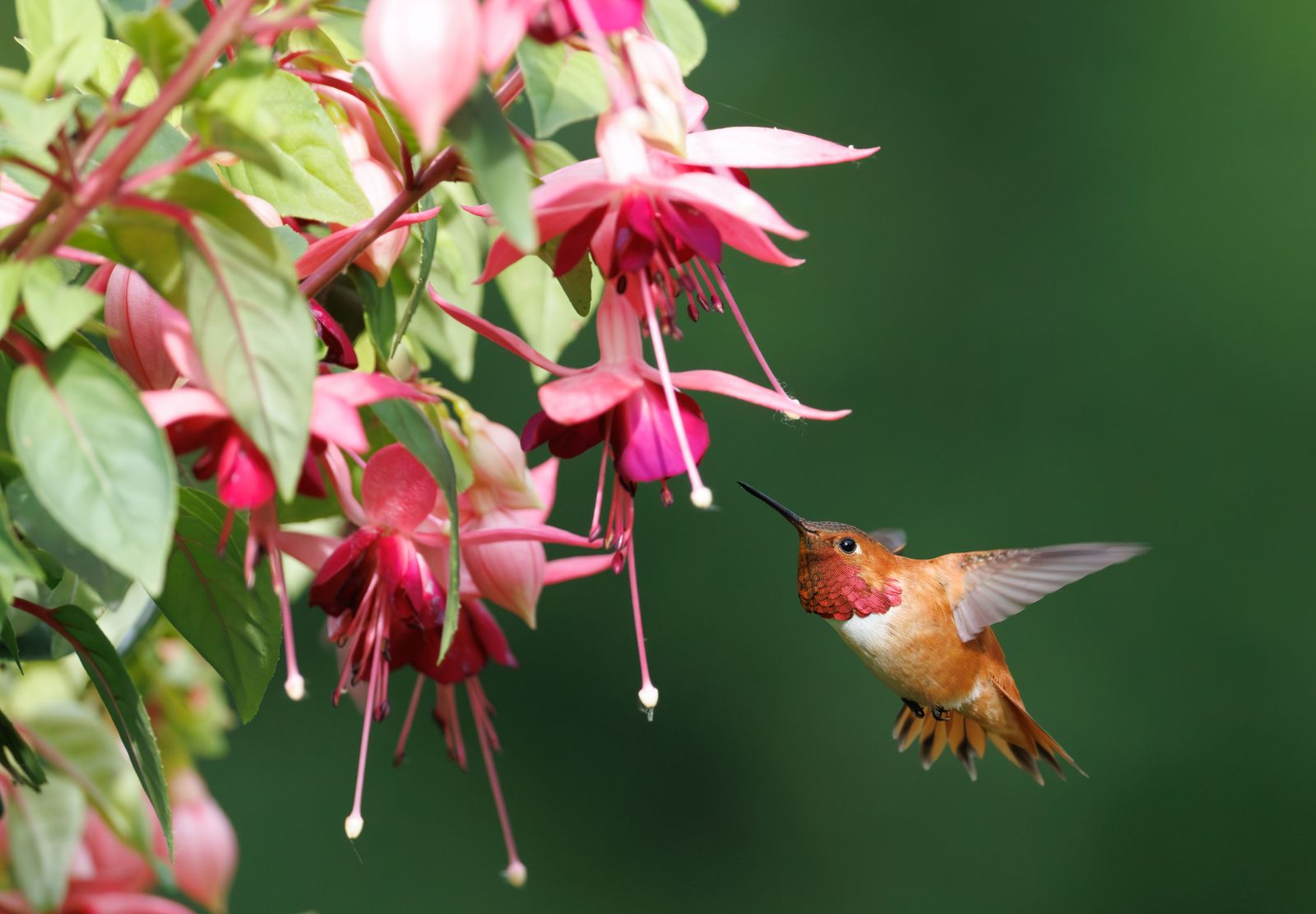
Is Your Nectar Fermenting? How to Spot Spoilage Before It Harms Hummingbirds
Hummingbird nectar fermentation signs include cloudy or hazy liquid, tiny rising bubbles, stringy black or white specks near feeding ports, a sour alcoholic smell, and hummingbirds suddenly avoiding your feeder. Spoiled nectar harbors Candida fungi, which cause fatal tongue swelling in hummingbirds; discard and sanitize immediately upon noticing any spoilage.
Visual Flowchart: Is My Nectar Still Safe?
- Is the nectar completely crystal-clear with zero bubbles or specks? → Yes: Nectar is safe. Continue daily morning visual monitoring.. No: Proceed to evaluate liquid clarity and odor..
- Is there a slight haze or active tiny micro-bubbles rising to the top? → Yes: Early fermentation detected! Dump immediately and rinse reservoir with warm water.. No: Check port gaskets for dark specks or residue..
- Are there black specks, white stringy debris, or a sour vinegar smell? → Yes: Severe fungal contamination! Deep clean feeder with distilled white vinegar wash.. No: If nectar is over 3 days old in 80°F+ heat, replace solution preemptively..
The 5 Stages of Nectar Fermentation & Diagnostic Matrix
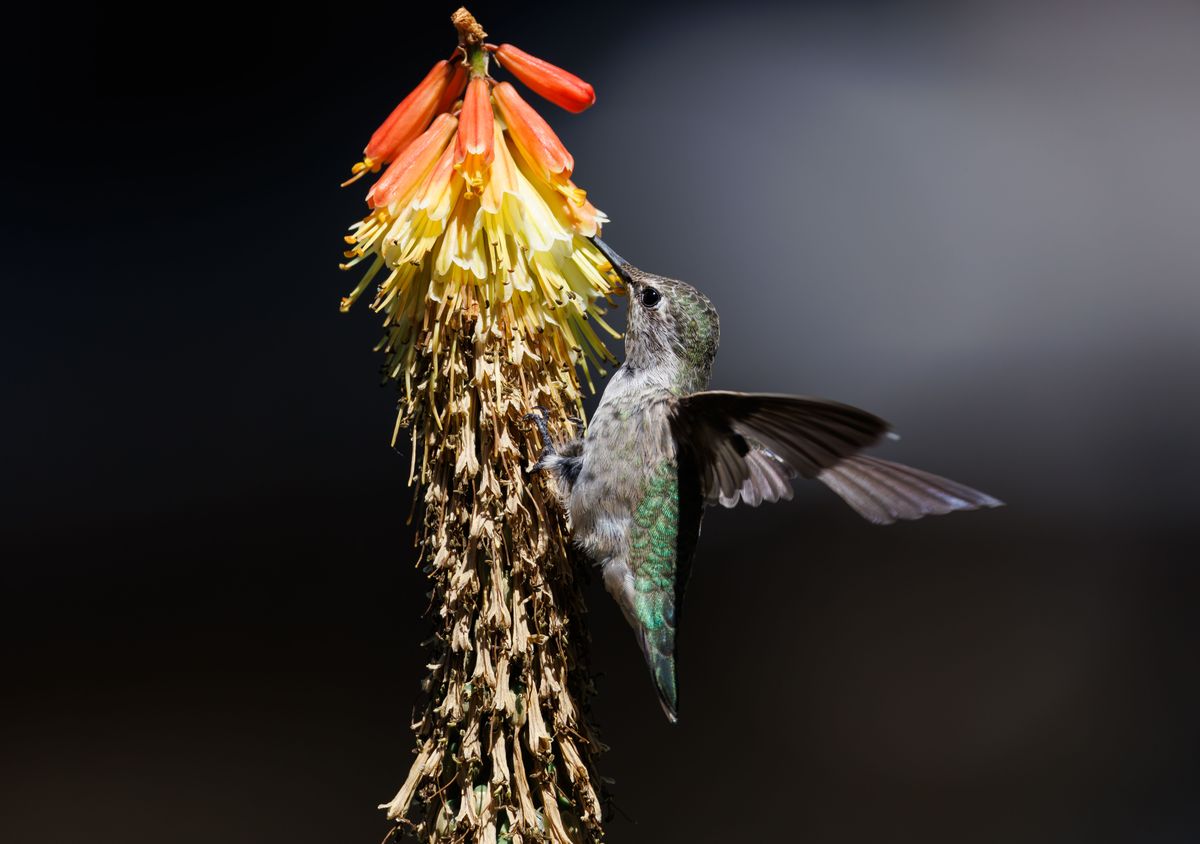
Photo by Veronika Andrews on Pexels
| Scenario / Visual Stage | Sensory Symptoms | Avian Risk Level | Required Action |
| --- | --- | --- | --- |
| Stage 1: Fresh Nectar | Crystal clear liquid, no odor, smooth fluid motion in hand-blown glass. | Safe | None. Enjoy watching your garden hummingbirds. |
| Stage 2: Early Haze | Slight milky cloudiness, faint yeast odor upon opening cap. | Low to Moderate | Discard nectar, rinse reservoir with warm water, refill with fresh solution. |
| Stage 3: Active Carbonation | Visible micro-bubbles rising along glass, sour beer or vinegar smell. | High (Digestive distress) | Dump nectar immediately. Flush flower ports with warm water. |
| Stage 4: Fungal Bloom | Black specks or dark velvet rings around flower feeding ports. | Critical (Risk of Avian Candidiasis) | Deep clean with 1:4 vinegar bath; scrub ports thoroughly with a tiny tube brush. |
| Stage 5: Slime & Biofilm | Thickened, stringy liquid, rank sour alcohol stench, birds ignoring feeder. | Lethal | Full disassembly. Soak hand-blown glass reservoir in vinegar solution for 30 minutes. |
Compare your feeder's appearance against this 5-stage spoilage matrix to catch fermentation before wild songbirds are affected.
Expert Avian Health Tip: Solar Lights & Nectar Freshness
A common concern among backyard birders is whether solar-powered LED lights accelerate sugar water spoilage at night. Quality fixtures like the 🌟 LUJII Solar-Powered Hand-Blown Glass Hummingbird Feeder 🌟 utilize low-voltage top-cap RGB LEDs that produce zero radiant heat down into the reservoir. As long as your feeder hangs in afternoon shade, evening solar illumination will not elevate nectar temperatures or trigger premature fermentation.
Daily Morning Nectar Safety Check
- [ ] Inspect reservoir clarity against morning sunlight (look for haze or floating specks).
- [ ] Check bottom flower ports for black dotting or jelly-like residue.
- [ ] Observe liquid line for tiny rising carbonation bubbles.
- [ ] Take a quick whiff near feeding ports for sour yeast or alcohol scents.
- [ ] Verify feeder is shaded before peak afternoon sun hits.
Action Decision Tree: Clean, Dump, or Relocate?
- Has ambient outdoor temperature exceeded 85°F today? → Yes: Nectar safe lifespan is 48 hours maximum.. No: Nectar remains safe up to 4-5 days if shaded.
- Is the feeder hanging in direct afternoon sunlight? → Yes: Relocate to partial or full shade immediately to prevent thermal yeast acceleration.. No: Shade conditions are optimal.
- Does the sugar water show any haze or port specks? → Yes: Perform full deep cleaning with distilled white vinegar wash.. No: Nectar is safe for ongoing feeding.
Immediate Remediation Protocol After Discovering Spoiled Nectar
Your decision: If your nectar shows any haze, bubbles, or dark specks around the ports, discard it immediately.
Do this next: Flush the feeder with hot water and distilled white vinegar, scrub port openings with a tiny tube brush, refill with fresh 1:4 refined white sugar solution, and rehang in afternoon shade.
- Read next: Hot Weather Nectar Ratios: How to Keep Food Fresh in Summer
- Read next: How to Clean and Maintain Hand-Blown Glass Hummingbird Feeders Without Fading Color
🌟 LUJII Solar-Powered Hand-Blown Glass Hummingbird Feeder — Features a translucent 32 fl.oz glass reservoir for instant clarity checks and an anti-rust metal base for easy sanitization.
If you spot cloudy liquid or black port specks today, take immediate steps to restore a clean, safe feeding station.
Key Takeaways: Nectar Spoilage & Avian Safety
Keep these vital safety rules in mind throughout the summer feeding season:
Spoilage Kills: Fermented nectar harbors Candida albicans*, causing painful tongue swelling (avian candidiasis) that starves hummingbirds.
- Heat Dictates Refills: At temperatures above 90°F, sugar water ferments within 24–48 hours.
- Clear Reservoirs Save Lives: Using transparent hand-blown glass allows you to spot early cloudiness before toxic black mold forms.
- No Chemicals Needed: Clean feeders using a 1:4 white vinegar and warm water soak; avoid dish soap or bleach.
Choosing the Right Feeder Material for Hot Summer Climates
When dealing with rapid nectar spoilage in hot summer weather, switching to a transparent, high-capacity glass feeder with anti-rust metal components makes inspection effortless and deep cleaning safe.
Best choice for
- Hand-Blown Glass Reservoir with Red Glass Patterns — Glass does not leach chemicals in extreme solar heat and allows instant visual inspection of nectar clarity without opening the feeder.
- Solar-Powered LED Illuminated Glass Feeders — Provides decorative illumination while utilizing cool-running LEDs that do not heat sugar water.
- Using cheap plastic feeders that warp or cloud over time, making subtle nectar cloudiness invisible.
- Daily partial filling of a 32 fl.oz reservoir — Reduces sugar water waste during extreme heatwaves while keeping nectar cool and fresh.
Recommended Solution: Hand-Blown Glass Solar Hummingbird Feeders
The 🌟 LUJII Solar-Powered Hand-Blown Glass Hummingbird Feeder 🌟 is engineered specifically for easy maintenance and visual monitoring. Handcrafted at 2,300 degrees, each 32 fl.oz glass reservoir features crystal-clear translucency so you can spot early nectar haze instantly. Its leak-proof slender design, anti-rust coated metal base, and cool-touch RGB solar LED cap make it the ideal blend of garden beauty and hummingbird safety.
Protect your local hummingbirds this summer! Switch to a clear, easy-to-clean LUJII Hand-Blown Glass Solar Hummingbird Feeder today and keep your garden filled with safe, fresh nectar.
Nectar Lifespan vs. Outdoor Ambient Temperature Chart
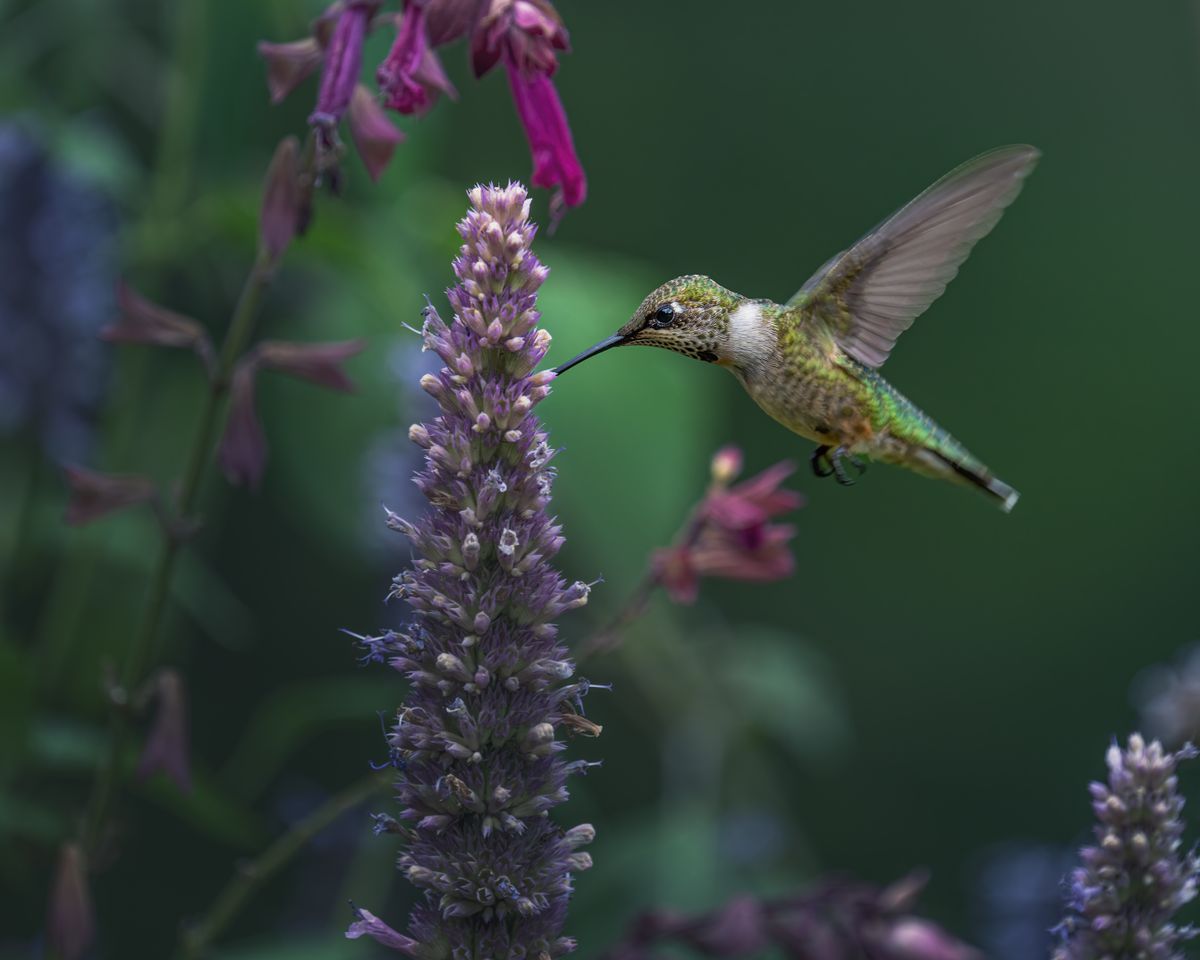
Photo by Skyler Ewing on Pexels
| Temperature Scenario | Max Safe Hanging Time | Fermentation Risk Level | Recommended Action |
| --- | --- | --- | --- |
| Cool Spring (< 70°F / 21°C) | 6 - 7 Days | Low | Inspect weekly; top off or replace during general garden routine. |
| Mild Summer (71°F - 80°F / 22°C - 26°C) | 4 - 5 Days | Moderate | Perform 10-second morning clarity check; change every 4 days. |
| Warm Summer (81°F - 88°F / 27°C - 31°C) | 2 - 3 Days | High | Fill reservoir only halfway to reduce waste; clean every 48 hours. |
| Extreme Heatwave (89°F - 95°F / 32°C - 35°C) | 1 - 2 Days | Critical | Change nectar daily; place feeder in deep afternoon shade. |
| Extreme Heat (95°F+ / 35°C+) | 12 - 24 Hours | Severe | Replace nectar daily every morning with chilled fresh solution. |
Outdoor heat accelerates yeast multiplication exponentially. Match your local forecast against this temperature chart to establish your replacement schedule.
Step-by-Step Deep Cleaning & Sanitization Protocol
Follow these 5 steps to sanitize your feeder safely without harsh household chemicals.
Common Backyard Mistakes That Accelerate Fermentation
Avoid these common errors that ruin nectar freshness and harm visiting birds:
Related Summer Care Guides
- Why Is Your Hummingbird Nectar Turning Cloudy? Troubleshooting Spoilage & Avian Safety
- Why Aren't Hummingbirds Finishing Nectar? Troubleshooting Guide
- Why Does Hummingbird Nectar Turn Cloudy? Water Quality Hacks & Mold Fixes
Frequently Asked Questions About Spoiled Nectar
Clear answers to common birder questions regarding nectar safety, solar lights, and mold prevention.
Final Summary & Action Plan
Your decision: If your nectar shows any haze, bubbles, or dark specks around the ports, discard it immediately.
Do this next: Flush the feeder with hot water and distilled white vinegar, scrub port openings with a tiny tube brush, refill with fresh 1:4 refined white sugar solution, and rehang in afternoon shade.
- Read next: Hot Weather Nectar Ratios: How to Keep Food Fresh in Summer
- Read next: How to Clean and Maintain Hand-Blown Glass Hummingbird Feeders Without Fading Color
🌟 LUJII Solar-Powered Hand-Blown Glass Hummingbird Feeder — Features a translucent 32 fl.oz glass reservoir for instant clarity checks and an anti-rust metal base for easy sanitization.
Protecting your local songbirds requires vigilance, clean equipment, and proper placement. By checking nectar clarity daily and using handcrafted glass feeders, you can enjoy vibrant hummingbirds all season long.
Cover photo by Veronika Andrews on Pexels.