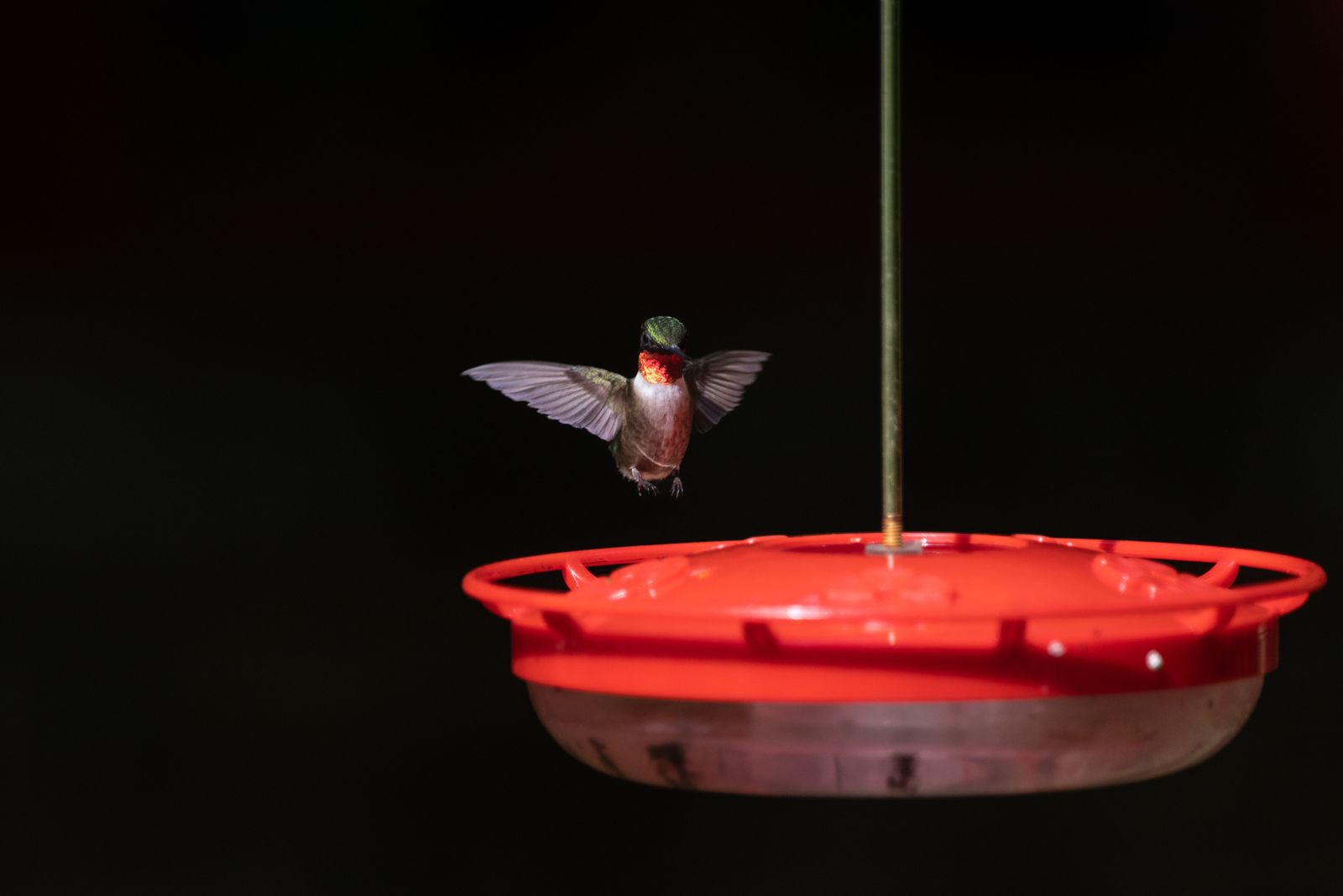
Four-Season Hummingbird Feeder Care: Nectar Ratios, Cleaning, and Winter Visits
To maintain hummingbird visits 365 days a year, follow the 3-4-1 Rule: sequence at least 3 overlapping native bloom windows (spring, summer, fall), maintain a 4:1 water-to-sugar nectar ratio (increasing to 3:1 during overnight freezes), and clean your 32 fl. oz. feeder every 1 to 3 days based on ambient heat. Pairing handcrafted solar RGB glass feeders with native perennials guarantees continuous food sources, safe twilight foraging, and visual garden beauty across all four seasons.
Key Takeaways: Four-Season Sanctuary Metrics
Establishing a thriving year-round hummingbird sanctuary relies on precise seasonal metrics, proper nectar maintenance, and durable garden decor.
Spring-to-Winter Hummingbird Migration & Bloom Timeline
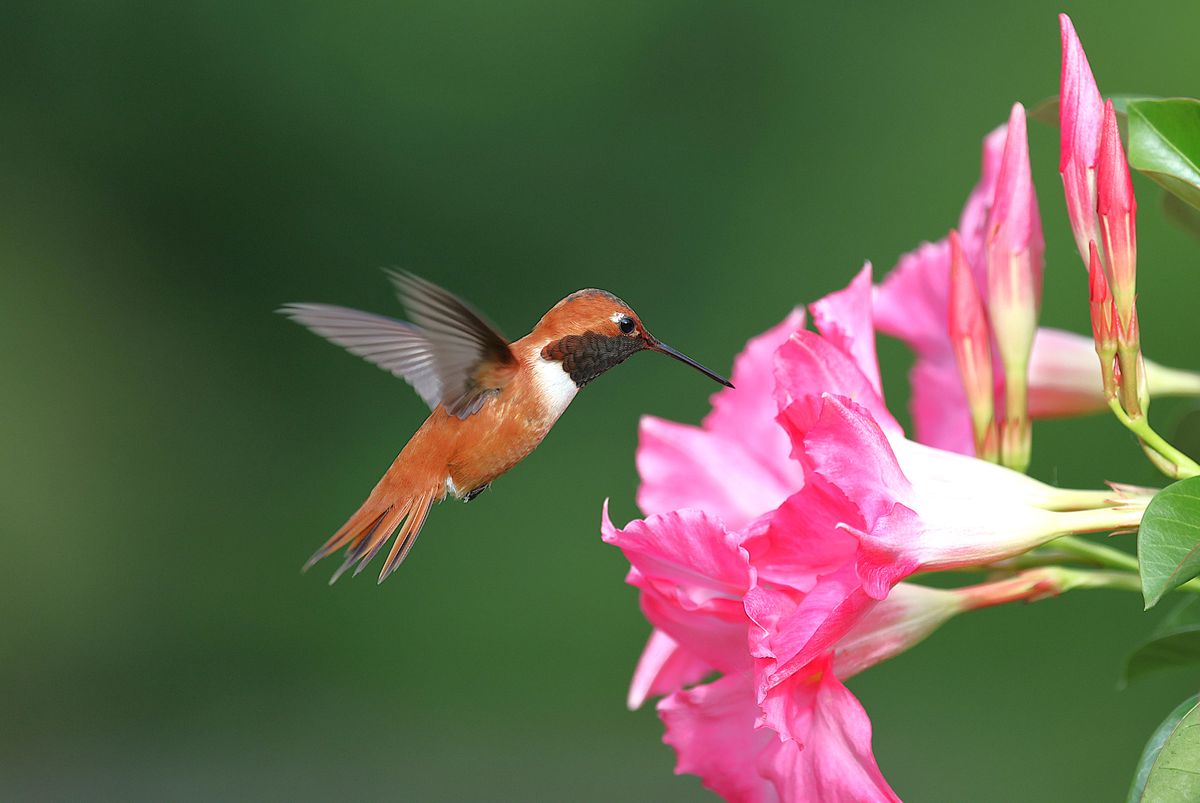
Photo by Veronika Andrews on Pexels
- March 1 – April 15 (Spring Arrival) — Hang 32 fl. oz. solar glass feeders 10 to 14 days prior to estimated regional arrival dates. Pair feeders with early bloomers like Aquilegia (Columbine) and Bleeding Heart to welcome exhausted spring migrants.
- May 1 – July 31 (Peak Nesting & Summer Heat) — Relocate feeders to areas with 50%+ afternoon shade. As temperatures rise past 80°F, increase cleaning cycles to every 24–48 hours to prevent yeast fermentation and nectar spoilage.
- August 15 – October 31 (Autumn Migration Fueling) — Keep feeders full and clean for at least 14 days after seeing your last hummingbird. Late migrants require high-calorie stopover fuel alongside late-season Salvia and Cardinal Flower blooms.
- November 1 – February 28 (Winter Residency & Overwintering) — In mild southern and coastal zones (USDA Zones 8-11), maintain a 3:1 nectar ratio for overwintering Anna's or Buff-bellied hummingbirds. Protect hand-blown glass feeders during severe freezes by bringing them indoors overnight.
Four-Season Feeder Maintenance & Nectar Ratios
- Spring (50°F to 70°F) — Nectar Ratio: 4:1 (1 cup pure white cane sugar to 4 cups filtered water). Cleaning Frequency: Every 3 days. Placement: Full sun to partial shade; ensure 6+ hours of solar cap direct exposure.
- Summer (75°F to 100°F+) — Nectar Ratio: 4:1 (Never add extra sugar in extreme heat as it accelerates fermentation). Cleaning Frequency: Every 1 to 2 days. Placement: Move to afternoon shade; wipe solar panel cap weekly.
- Fall (45°F to 65°F) — Nectar Ratio: 4:1 standard. Cleaning Frequency: Every 3 to 4 days. Placement: Partial shade; keep clear of falling autumn leaves to maximize solar RGB night battery charge.
- Winter (30°F to 50°F) — Nectar Ratio: 3:1 during freeze warnings (Lowers nectar freezing point to 27°F). Cleaning Frequency: Every 5 to 7 days. Placement: Hang under porch eaves; bring inside during extreme severe freezes.
Expert Tip: Capitalizing on Dusk Feeding Hours with Solar Twilight Lighting
Hummingbirds experience rapid metabolic drops overnight, losing up to 15% of their body mass during nocturnal torpor. As a result, the 30 minutes right before complete darkness are critical for hyper-intensive feeding. Position your hand-blown solar glass feeder where the waterproof top solar panel absorbs 6 or more hours of direct daytime sunlight. As dusk arrives, the automatic RGB LED lighting soft-glow activates, casting a brilliant light across the translucent glass reservoir and anti-rust metal perch. This ambient twilight glow extends visual visibility for late-arriving foragers while transforming your evening garden into a magical, glowing sanctuary.
Regional Climate Strategies: Customizing Your Four-Season Plan
- Southeast & Gulf Coast (USDA Zones 8-10) — Support year-round Ruby-throated and Buff-bellied populations. Utilize 32 fl. oz. feeders with anti-rust metal bases to withstand 85%+ relative summer humidity. Pair feeders with native Coral Honeysuckle and autumn Salvia.
- Pacific Northwest & West Coast (USDA Zones 7-10) — Anna's Hummingbirds reside year-round. Shift to a 3:1 nectar ratio during frosty sub-32°F winter nights. Position solar RGB glass feeders near patio cover so illuminated perches stay dry during winter rains.
- Northeast & Midwest (USDA Zones 3-6) — Hang feeders by April 1st and keep active through late October. Flush nectar reservoirs every 24 hours during peak July heatwaves exceeding 90°F. Store clean hand-blown glass feeders indoors during freezing winter months.
- Southwest & Arid West (USDA Zones 7-9) — Place feeders under 70% shade structures or covered arbor structures to prevent 100°F+ nectar boiling. Wipe solar glass caps weekly to remove desert dust buildup and optimize 8-hour RGB lighting cycles.
Four-Season Hummingbird Bloom & Feeder Succession Chart
| Season | Primary Species | Native Floral Succession | Nectar Recipe & Care | Solar & Garden Integration |
| --- | --- | --- | --- | --- |
| Spring (March–May) | Ruby-throated, Rufous, Black-chinned | Eastern Red Columbine, Bleeding Heart, Wild Lilac, Virginia Bluebells | 4:1 Ratio (Boil water, dissolve sugar, cool fully). Flush feeder every 3 days. | Hang feeders near early blooms; ensure solar cap receives 6+ hours of unshaded spring sunlight. |
| Summer (June–August) | Ruby-throated, Broad-tailed, Allen's | Bee Balm (Monarda), Cardinal Flower, Trumpet Vine, Agastache | 4:1 Ratio. Flush every 1–2 days. Never use artificial red dyes or honey. | Move feeder to afternoon shade to prevent spoilage; clean anti-rust metal base weekly. |
| Fall (Sept–Nov) | Migrating Rufous, Calliope, Late Ruby-throated | Pineapple Sage, Russian Sage, Autumn Salvia, Goldenrod | 4:1 Ratio. Keep feeders active 14 days past last sighting to aid late migrants. | Wipe fallen leaves off solar top cap to maintain full 8-hour dusk RGB illumination. |
| Winter (Dec–Feb) | Anna's (West Coast), Buff-bellied (Gulf Coast) | Winter Jasmine, Manzanita, Oregon Grape, Camellia | 3:1 Ratio on freezing nights. Bring liquid inside if temps drop below 25°F overnight. | Solar RGB lights brighten dark 5:00 PM winter gardens, aiding twilight roosting foragers. |
A balanced garden pairs rich natural nectar sources with supplemental feeder perches. Follow this 12-month plant and feeder care succession plan.
Featured Sanctuary Centerpiece: LUJII Hand-Blown Solar Glass Feeder
Elevate your four-season garden with a feeder crafted for both avian performance and outdoor durability. The LUJII Solar-Powered Hummingbird Feeder combines generationally passed-down glassblowing craftsmanship with modern solar technology.
- Hand-Blown Glass Reservoir: Uniquely shaped at 2,300°F, creating vibrant, translucent color patterns that allow easy 32 fl. oz. nectar level monitoring.
- Integrated Solar RGB Cap: Automatically powers up to 8 hours of colorful, soft twilight illumination after a sunny charge, lighting up your garden path and aiding dusk feeding.
- Weatherproof Metal Base: Built with an anti-rust metallic coating and a leak-proof silicone seal to minimize drips, resist rust, and withstand snow or rain.
Climate Guidance: Weatherproofing Nectar Across Extreme Seasons
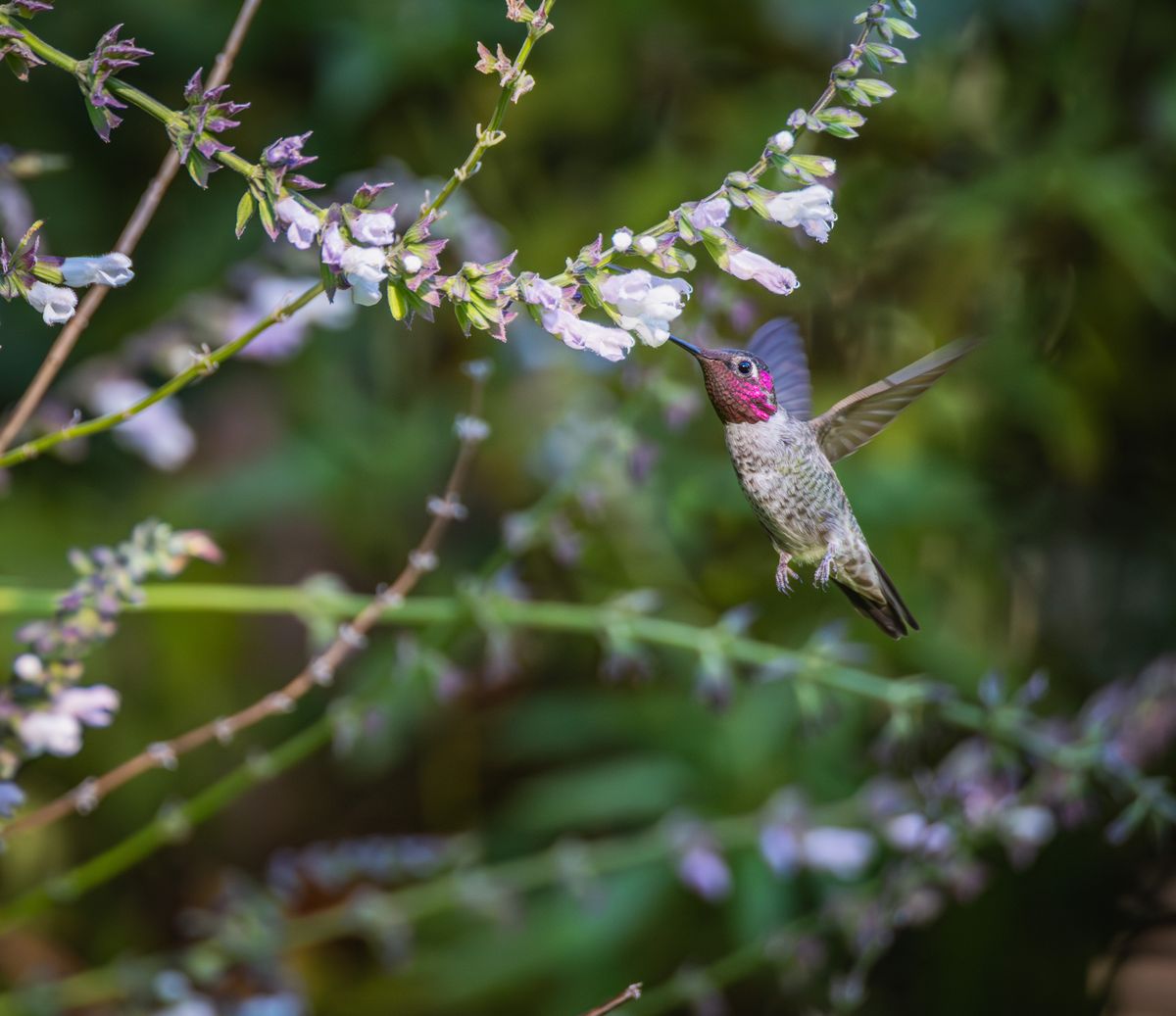
Protecting your nectar and glass investment requires proactive weather protection across seasonal extremes:
Year-Round Hummingbird Garden Maintenance Checklist
- [ ] Spring: Hang 32 oz feeders 14 days before regional arrival dates; mix 4:1 nectar ratio; clean every 3 days.
- [ ] Summer: Shift feeders to afternoon shade; flush every 1–2 days; wipe solar panel caps to ensure 8-hour RGB charge.
- [ ] Fall: Maintain 4:1 nectar for 14+ days after last sighting; prune deadheads to promote late Salvia blooms.
- [ ] Winter: Increase sugar ratio to 3:1 when temps dip below 32°F; inspect anti-rust metal base; clean weekly.
Frequently Asked Questions
Answers to common questions about seasonal feeder placement, winter protection, and solar lighting behavior.
Your Next Steps: Transitioning Your Garden Today
Your decision: Determine whether your regional USDA zone supports year-round overwintering species (Anna's/Buff-bellied) or requires a 3-season migration strategy.
Do this next: Select 3 native perennial species covering spring, summer, and fall bloom windows, and pair them with a 32 fl. oz. hand-blown glass solar feeder placed in partial afternoon shade.
Related resource: Downloadable Printable Four-Season Sanctuary Maintenance Checklist
🌟 LUJII Solar-Powered Hand-Blown Glass Hummingbird Feeder 🌟
Transform your outdoor space into an active year-round hummingbird sanctuary with these actionable planning steps.