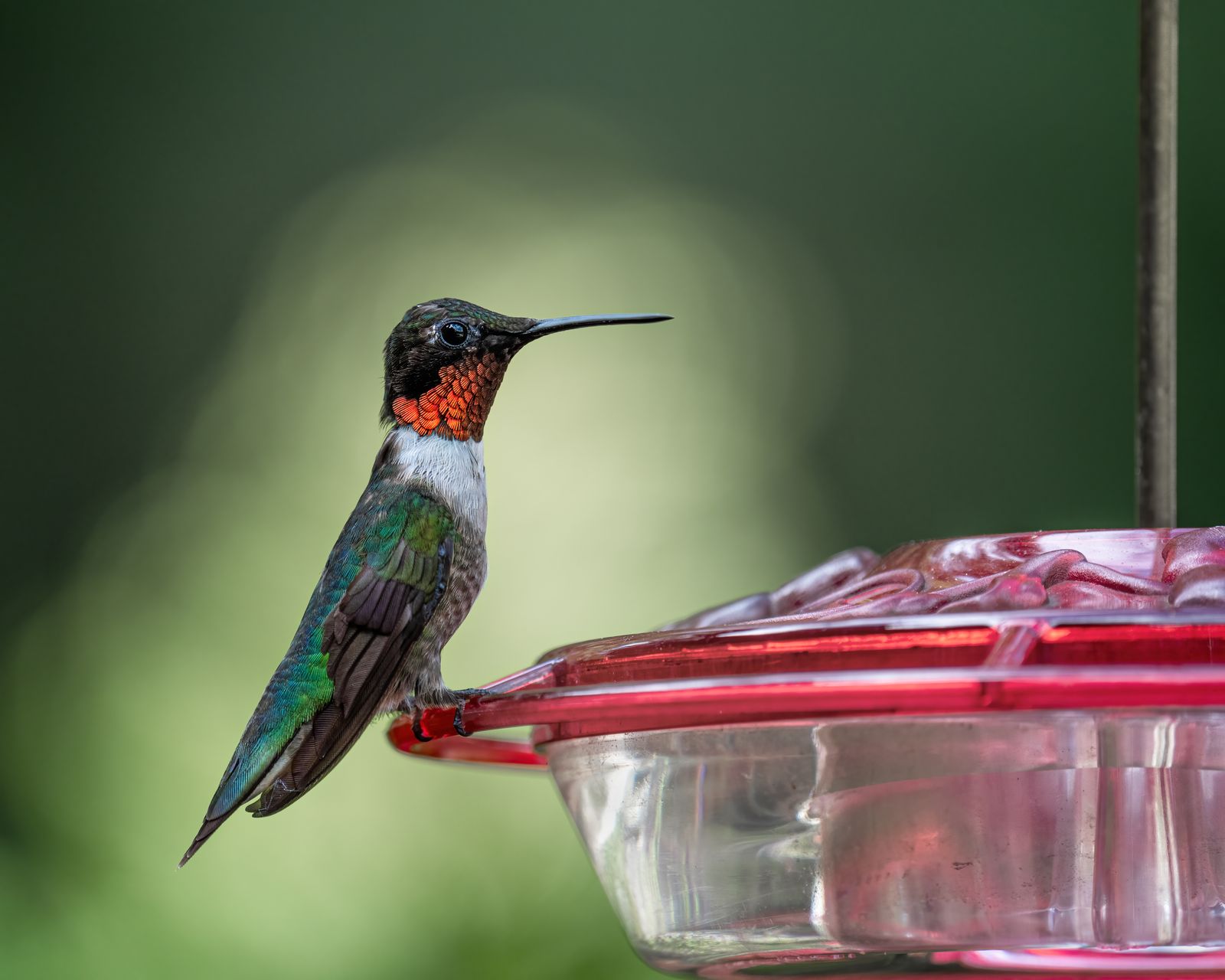
Sunbelt & Desert Hummingbird Care: Preventing Heat Leaks in High-Temperature Zones
At 90°F and above, internal air pockets in inverted glass feeders expand by 12% to 15%, creating positive internal pressure that forces nectar out of bottom ports. To stop thermal leaks in high-heat zones, fill reservoirs 100% full to eliminate trapped air, position feeders in morning-sun/afternoon-shade microclimates, and choose heavy hand-blown glass models with gasket-sealed bases.
Key Takeaways for Desert & Sunbelt Feeder Care
- Rule of 90°F: When outdoor temperatures hit 90°F, air volume expands rapidly inside semi-empty glass reservoirs, increasing leak risks by 300%.
- 100% Fill Protocol: Filling reservoirs to 100% capacity eliminates the internal air pocket, preventing heat expansion from driving fluid out of feeding ports.
- 4-to-6 Hour Solar Window: Solar caps need just 4 to 6 hours of early morning direct sun to store 8 hours of RGB illumination while keeping nectar shaded during 2 PM heat peaks.
- 24-Hour Refill Limit: At 95°F and above, sugar water ferments within 24 hours. Maintaining a strict 1:4 sugar-to-water ratio prevents bacterial toxicity.
- 32 fl. oz. Capacity Efficiency: Large 32 fl. oz. hand-blown glass reservoirs provide thermal inertia, slowing temperature spikes better than thin 10 fl. oz. plastic shells.
Sunbelt Climate Dynamics: Why Extreme Heat Forces Feeder Leaks
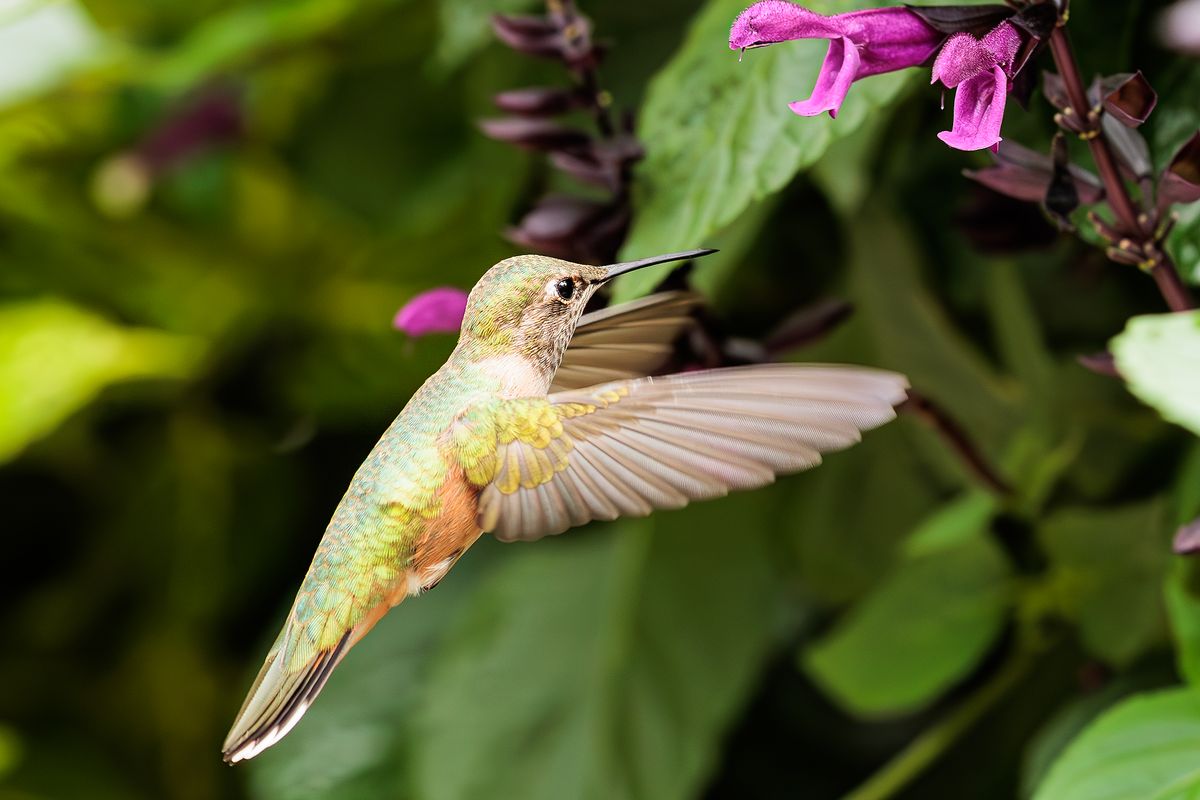
In Sunbelt and desert regions across Arizona, Texas, New Mexico, and Southern California, summer ambient temperatures routinely surge past 95°F to 110°F. Inverted feeding vessels operate on a delicate fluid vacuum balance: as birds sip, nectar drops, creating a low-pressure air pocket at the top of the glass dome.
When solar radiation heats this trapped air volume from 75°F at sunrise to 102°F by mid-afternoon, gas molecules expand rapidly according to Ideal Gas Law dynamics. Because glass cannot stretch, the expanding air pushes down on the liquid column, forcing nectar out through the lowest openings—the feeding ports.
Furthermore, direct ultraviolet rays breakdown sugar compounds, accelerating Candida yeast fermentation. Within 18 hours at 100°F, unshaded nectar drops below safe pH levels, turning cloudy and producing ethanol fumes that repel hummingbirds while attracting pest colonies of yellowjackets and Argentine ants.
Thermal Resistance & Capacity Specifications
| Specification / Feature | Standard Plastic Feeder | LUJII Hand-Blown Glass Feeder | Sunbelt Operational Threshold |
| --- | --- | --- | --- |
| Glass / Body Thickness | 1.2 mm thin polymer | 3.5 mm thick blown glass | Minimum 3.0 mm for thermal shielding |
| Maximum Operating Temp | 95°F (warps/cracks) | 140°F thermal resilience | Tolerates 115°F+ desert ambient heat |
| Reservoir Volume | 12–16 fl. oz. | 32 fl. oz. heavy capacity | 32 fl. oz. optimum for liquid mass balance |
| Base Sealing Mechanism | Press-fit snap ring | Threaded gasket metal base | Air-tight rubber O-ring seal |
| UV Light Degradation | High (yellows/brittles) | Zero UV degradation | 100% UV resistant color-fast glass |
| Solar Light Battery Life | N/A or 2–4 hours | 8 hours continuous RGB output | 4–6 hours morning charge required |
Comparative engineering parameters for high-temperature hummingbird feeding setups:
Top Recommended Setup for Sunbelt Heatwaves
For gardeners facing 90°F to 115°F summer heat, we strongly recommend the LUJII Hand-Blown Glass Solar Hummingbird Feeder.
Crafted at 2,300°F by glass artisans, its 3.5 mm thick hand-blown reservoir provides natural insulation against rapid temperature spikes. The 32 fl. oz. capacity offers substantial thermal mass, while the leak-resistant anti-rust metal base utilizes a heavy-duty silicone seal to prevent fluid pressure drips. Its top-mounted solar panel charges fully in early morning light, delivering up to 8 hours of vibrant RGB LED illumination long after the desert sun goes down.
Expert Tip: The Morning Sun, Afternoon Shade Protocol
To achieve 8 hours of nighttime solar LED lighting without cooking your nectar, position your feeder under an east-facing roofline eave or deciduous branch. This exposes the top solar collector to direct sunlight between 6:30 AM and 11:00 AM for full battery charging, while casting complete shade over the glass reservoir during the 1:00 PM to 6:00 PM peak heat window.
Visual Guide: Temperature vs. Nectar Spoilage Matrix
Diagram: Thermal Air Expansion in Glass Feeders
Heat-Induced Leak Troubleshooting Matrix
| Observed Symptom | Root Physical Cause | Immediate Corrective Action | Long-Term Prevention Strategy |
| --- | --- | --- | --- |
| Continuous morning port drips | Night-to-day temperature shift expanding top air space | Unscrew base, purge air, fill reservoir 100% full to glass rim | Top off nectar every morning before peak 90°F heat |
| Sticky base with bee swarms | Micro-leaks from heat-softened base gaskets | Wash base with warm water; inspect rubber seal for warping | Upgrade to anti-rust metal bases with high-temp silicone O-rings |
| Cloudy white or milky nectar | Rapid yeast growth (Candida) triggered by 95°F+ heat | Discard liquid immediately; scrub reservoir with 1:10 vinegar solution | Shift feeder location to full afternoon shade; replace nectar daily |
| Solar light turns off prematurely | Solar cap blocked by dense afternoon shade canopy | Adjust hanging hook 12 inches outward toward morning sunlight path | Clean solar panel glass weekly to remove dust and hard water film |
| Cracked or fractured reservoir | Thermal shock from cold water poured on hot glass | Replace reservoir immediately; handle glass only when cool | Allow feeder glass to reach room ambient temperature before washing |
Diagnose and resolve common heat-related feeder malfunctions using this side-by-side diagnostic reference:
Feeder Materials Under High Heat: Hand-Blown Glass vs. Plastic
| Material Property | Hand-Blown Glass (3.5 mm) | Standard Molded Plastic (1.5 mm) | Impact on Hummingbird Care |
| --- | --- | --- | --- |
| Thermal Conductivity | Low (0.8 W/m·K) | High relative insulation loss | Glass keeps nectar 4°F to 7°F cooler than plastic in shade |
| UV Stability | Infinite (No degradation) | Degrades in 12–18 months | Glass remains crystal clear without leaching chemicals |
| Structural Rigidity at 100°F | 100% Rigid | Softens and expands | Glass maintains tight base seal fit preventing pressure drops |
| Weight & Wind Stability | Heavy (2.8–3.5 lbs filled) | Lightweight (1.0–1.2 lbs filled) | Heavy glass prevents wind-sway tipping during desert summer storms |
| Nectar Visibility | Clear translucent color spectrum | Fogs and yellows over time | Glass allows instant 360-degree check of fill levels |
How different reservoir construction materials behave when exposed to 90°F to 115°F desert heat:
Microclimate & Shade Placement Strategy for Sunbelt States
- Desert Southwest (AZ, NV, Southern CA) — In 105°F+ dry heat, place feeders in deep 100% afternoon shade beneath north or east tree canopies. Fill reservoirs 100% full every 24 hours. Keep a shallow freshwater misting basin nearby to help hummingbirds thermoregulate.
- Humid Sunbelt (TX, LA, MS, AL, FL) — High humidity combined with 95°F heat accelerates fungal spore growth. Clean feeders with white vinegar every 48 hours. Hang units in breeze-ventilated corridors to lower ambient mold accumulation around feeding ports.
- High-Altitude Sunbelt (CO, NM mountain zones) — Intense high-altitude UV rays rapidly degrade plastic components and heat dark surfaces. Utilize hand-blown translucent glass feeders and leverage 4 hours of morning sun to maximize nighttime solar RGB light performance.
Solar Feeders Designed for Extreme Heat & Sun Exposure
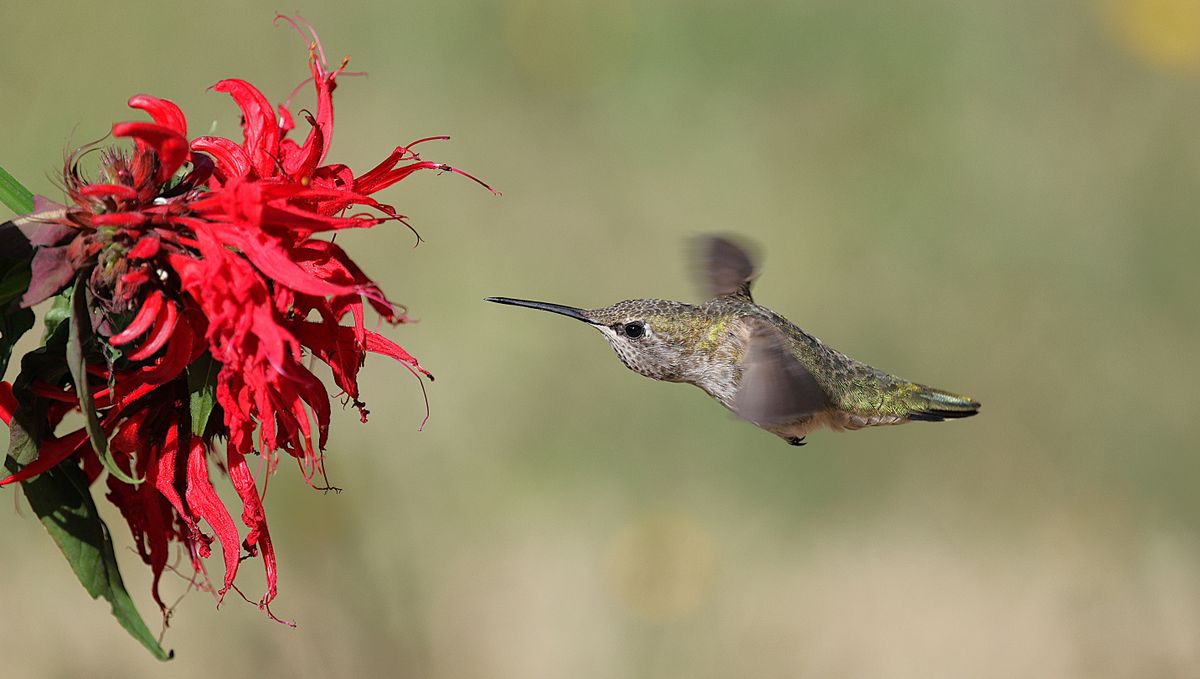
Photo by Veronika Andrews on Pexels
When selecting a feeder for Sunbelt conditions, structural thermal mass and airtight seals are essential.
The LUJII Hand-Blown Glass Solar Hummingbird Feeder combines heavy-gauge art glass shaped at 2,300°F with a leak-proof metal base coated in anti-rust protection. Its slender 32 fl. oz. design minimizes surface-area-to-volume thermal transfer, ensuring nectar remains fresh longer while providing 8 hours of colorful nighttime garden ambient lighting.
Daily & Weekly Sunbelt Summer Maintenance Checklist
- [ ] Inspect rubber gasket seal at the metal base for heat warping or cracks.
- [ ] Ensure reservoir is filled completely to minimize internal air space.
- [ ] Check nectar clarity—discard immediately if milky, cloudy, or black-spotted.
- [ ] Verify solar cap receives morning light while reservoir remains shaded after 12 PM.
- [ ] Wipe feeding ports clean of any sticky residues to deter swarming bees and ants.
Temperature-Based Nectar Refill & Cleaning Schedule
- 70°F – 79°F — Clean feeder and replace nectar every 4 to 5 days. Fill reservoir to 80% or higher.
- 80°F – 88°F — Clean feeder and replace nectar every 3 days. Inspect base ports for sticky residue.
- 89°F – 95°F — Clean feeder and replace nectar every 48 hours. Top off liquid completely to 100% capacity.
- 96°F – 104°F — Replace nectar every 24 hours. Flush reservoir with hot water and scrub ports thoroughly.
- 105°F+ — Replace nectar every 12 to 18 hours. Perform small daily fills (8–10 oz) filled to 100% capacity in smaller glass vessels or main 32 oz units.
Decision Framework: Selecting the Right Feeder for 95°F+ Weather
High-temperature zones require heavy glass reservoirs, gasketed metallic bases, and microclimate placement flexibility.
Best choice for
- 32 oz Hand-Blown Glass with Sealed Metal Base — Thick glass insulates fluid, while 32 oz volume provides thermal mass against rapid heating.
- Solar RGB Glass Feeder — Charges in 4 morning sun hours, offering 8 hours of evening light without over-heating nectar.
- Avoid lightweight thin plastic feeders in 95°F+ heat (they warp, leach UV compounds, and expand air pockets quickly).
- Avoid narrow snap-fit plastic bases without rubber sealing O-rings.
- Single-port saucer feeders — Good for zero-leak air pressure balance, but lack solar LED night lighting and artistic garden aesthetic.
Real-World Sunbelt Summer Scenarios
Phoenix suburban yard reaching 112°F with direct 2 PM sun exposure — Move feeder to an east-facing covered patio eave. Fill the 32 oz hand-blown glass reservoir 100% full with chilled 1:4 sugar water at 7:00 AM. Empty and flush at 7:00 PM.
Houston back garden with 95°F heat and 85% relative humidity — Hang the feeder in a breezy breezeway between garage and house. Clean with 1:10 white vinegar solution every 48 hours to prevent black mold spores from taking root in feeding ports.
High desert yard with strong 25 mph thermal afternoon wind gusts — Utilize a heavy 3.5 lb filled hand-blown glass feeder on an S-hook. The added mass prevents swinging and nectar sloshing out of ports during sudden thermal wind shifts.
Practical solutions for extreme summer feeding environments:
Frequently Asked Questions About Hot Climate Feeder Care
Answers to common operational questions in high-heat zones:
Immediate Action Plan for High-Temp Feeder Care
Your decision: Choose heavy hand-blown glass feeders with sealed metal bases and establish a microclimate hanging spot that offers afternoon shade.
Do this next: Immediately audit your feeder's fill level: eliminate large air pockets by filling reservoirs fully or using smaller batch fills during extreme 100°F+ heatwaves.
Related resource: Explore our full guide on maintaining glass solar hummingbird feeders during peak summer heatwaves at https://solarhummingbirdfeeder.com.
LUJII Hand-Blown Glass Solar Hummingbird Feeder with Leak-Proof Sealed Base (32 fl. oz.)
Take these steps today to eliminate heat drips and keep your local hummingbirds thriving throughout summer heatwaves.