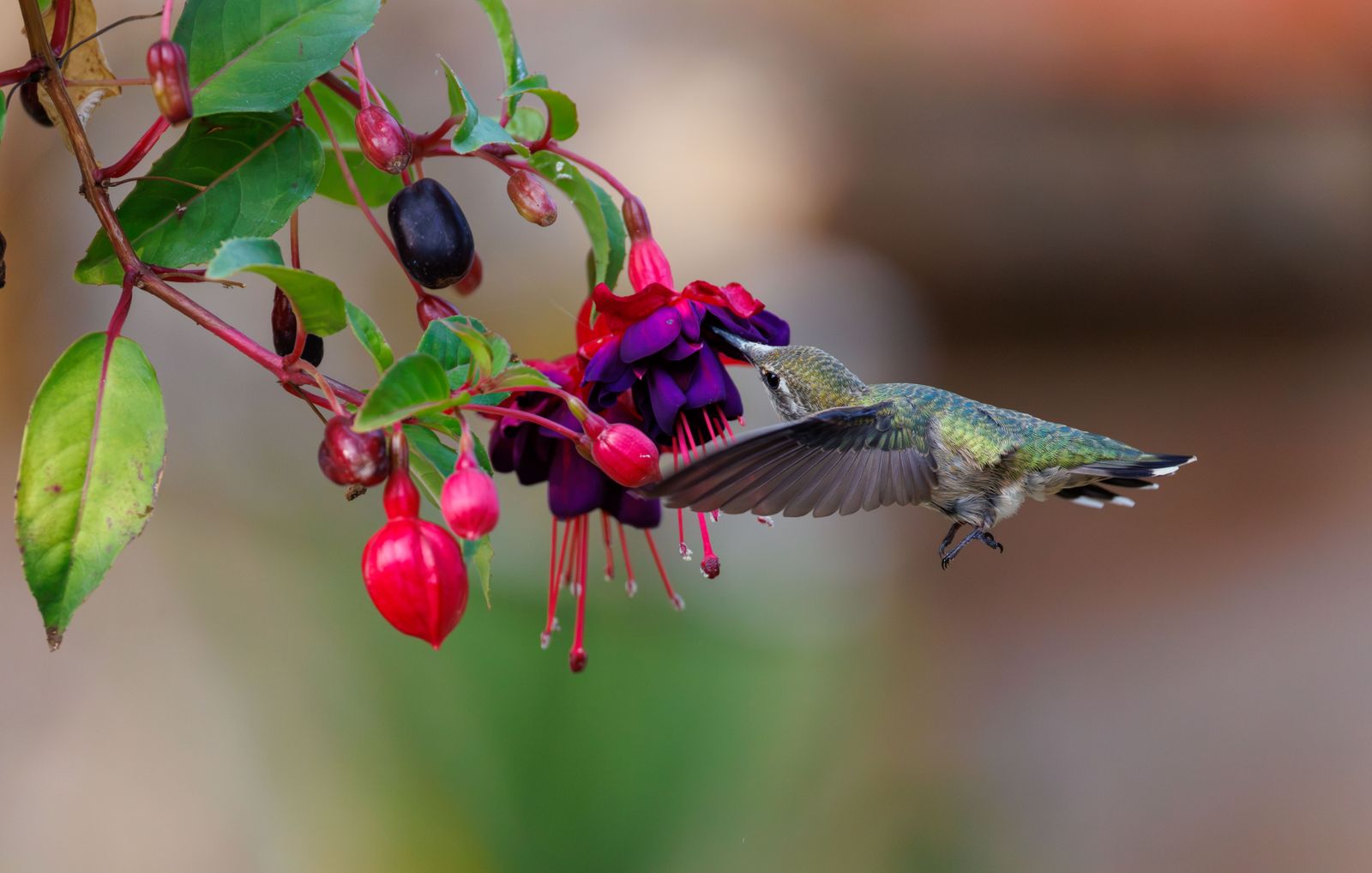
Do You Need to Boil Water for Hummingbird Nectar? 1 to 2 Minutes Is Enough
Should you boil water for hummingbird nectar? Yes. Boil tap water for exactly 1 to 2 minutes. This brief rolling boil eliminates harmful bacteria and dissipates chlorine without evaporating excess water, preserving the critical 4:1 sugar ratio while extending nectar freshness in solar-illuminated glass feeders.
Water Processing Protocols: Boil Times, Temperature, & Water Types
| Water Type / Protocol | Target Boil Duration | Evaporation Rate | Pathogen Neutralization | Feeder Safety Risk |
| --- | --- | --- | --- | --- |
| Standard Tap Water | 1–2 Minutes (Rolling) | Low (~3-5% volume loss) | 100% bacterial & fungal spore neutralization | Safe after cooling to 68°F–72°F |
| Extended Boil (10+ Mins) | 10+ Minutes | Severe (>20% volume loss) | 100% pathogen kill, but sugar becomes overly concentrated | Causes renal stress & dehydration in hummingbirds |
| Filtered / Purified Water | 1 Minute (Optional/Recommended) | Negligible (<3%) | Removes residual pathogens introduced via handling | Safe after full cooling |
| Unboiled Warm Tap Water | 0 Minutes (No Boil) | 0% | High risk of mold & yeast fermentation within 24 hours | Rapid bacterial blooms in warm solar feeders |
Preparing nectar requires strict control over boiling duration and liquid temperature. Deviating from these processing parameters alters liquid volume through steam evaporation or damages artisan glass feeders through thermal shock.
Step-by-Step Nectar Prep & Thermal Cooling Workflow
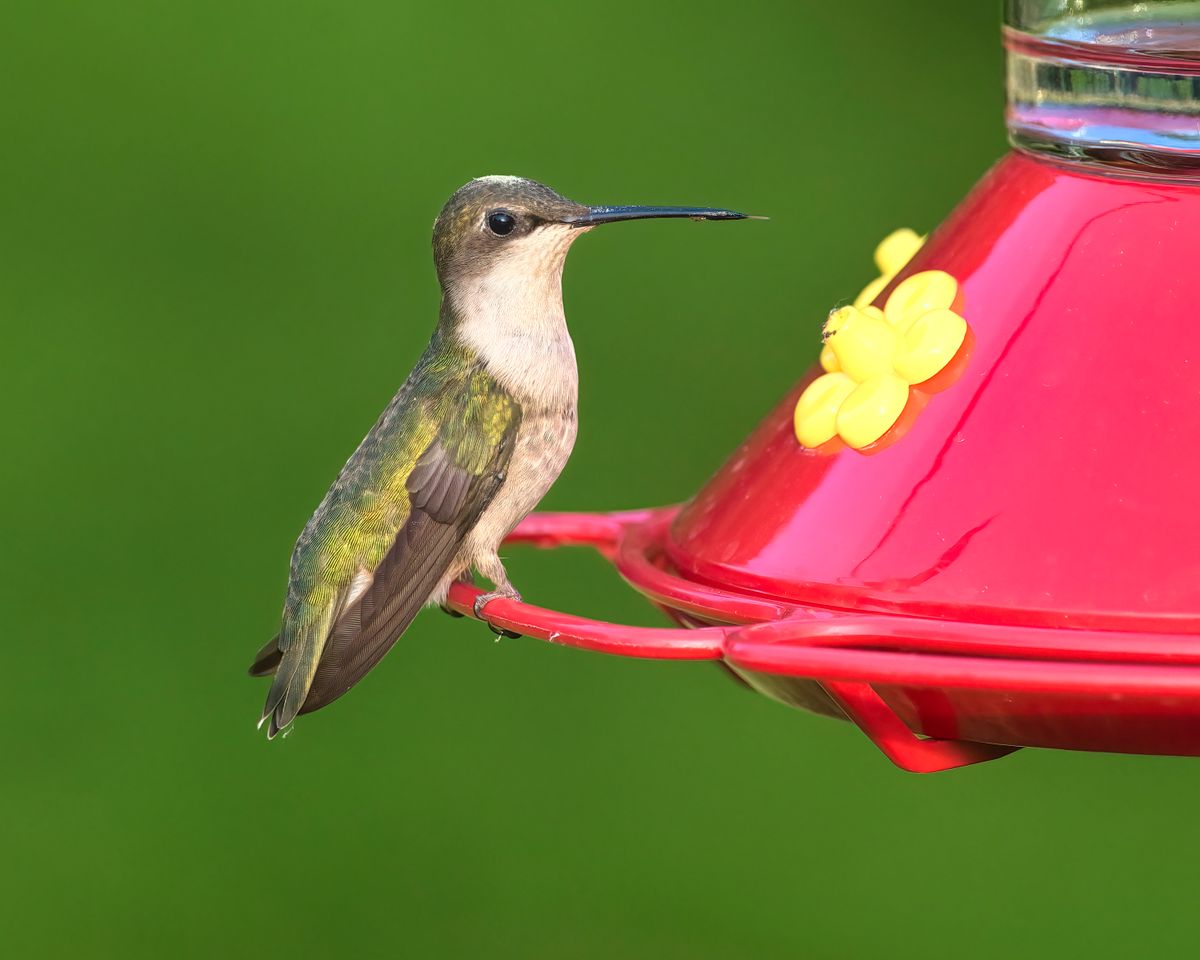
Photo by pete weiler on Pexels
Follow this visual four-step sequence to ensure your nectar achieves complete microbiological safety while protecting delicate hand-blown glass art reservoirs from heat stress.
Pro Tip: Preventing Thermal Shock in Hand-Blown Glass
Handcrafted glass hummingbird feeders—such as those blown at 2,300 degrees Fahrenheit—possess intricate internal stress patterns that make them susceptible to thermal shock. Never pour liquid warmer than 80°F (27°C) into a hand-blown glass vessel. Doing so can cause immediate stress fractures or invisible micro-cracks that ruin the leak-proof seal at the base.
Immediate Action Plan for Safe Nectar Prep
Your decision: Determine your water source and boil for exactly 1 to 2 minutes before mixing sugar.
Do this next: Let nectar cool completely to room temperature before pouring it into your handcrafted glass feeder.
- Read next: Store-Bought vs. Homemade Nectar: Which Is Best for Your Solar Glass Feeder?
- Read next: How to Clean and Maintain Your Hand-Blown Solar Hummingbird Feeder
Pair your fresh nectar with the LUJII Solar-Powered Hand-Blown Glass Hummingbird Feeder for a leak-proof, illuminated garden display.
If you are preparing a fresh batch of nectar right now, follow these immediate operational directives to ensure safety and quality.
Frequently Asked Questions About Boiling Nectar Water
Here are answers to common questions about boiling water, sugar ratios, and solar feeder maintenance.
Key Takeaways: Boiling Science & Nectar Safety
- Boil duration must never exceed 2 minutes; longer boils evaporate water and distort the crucial 4:1 nectar ratio.
- Boiling eliminates waterborne bacteria, fungal spores, and municipal chlorine, preventing rapid fermentation.
- Unboiled nectar in warm outdoor settings or solar-illuminated feeders ferments rapidly into harmful alcohol and acetic acid.
- Nectar must cool completely to room temperature (68°F–72°F) before filling hand-blown glass reservoirs to prevent thermal shock.
- Refined pure white cane sugar is the only safe sweetener; never use honey, raw sugar, brown sugar, or artificial dyes.
Boiling vs. Unboiled vs. Distilled Water: Decision Guide
Boiling tap water for 1 to 2 minutes is the gold standard for killing pathogens and removing chlorine without altering the required 4:1 water-to-sugar ratio.
Best choice for
- 1-2 Minute Rolling Boil — Neutralizes pathogens and dissipates chlorine/chloramines without excessive water loss.
- Warm Dissolve (Optional Short Boil) — Filtered water lacks chlorine, but a quick boil ensures maximum shelf-life in warm solar feeders.
- Avoid boiling for longer than 2 minutes, as steam evaporation concentrates sugar beyond the safe 4:1 ratio.
- Avoid pouring boiling liquid directly into hand-blown glass reservoirs, which causes irreversible thermal shock cracking.
- Cold Process with Distilled Water — Safe if fed immediately, but spoils faster under solar RGB lighting than previously boiled nectar.
Hummingbirds possess extraordinary metabolic rates, burning calories so rapidly that their hearts beat up to 1,200 times per minute. To sustain this energy demand, they consume up to double their body weight in nectar daily. However, their tiny digestive organs are exceptionally vulnerable to bacterial infection and fungal toxins.
The Direct Danger of Over-Boiling: Ratio Distortion
When water boils, liquid water transitions into gas (steam). If you boil a pot of water for 10 to 15 minutes—a common recommendation on unverified internet forums—you evaporate up to 25% of the liquid volume. If you measured your 4:1 water-to-sugar ratio before the long boil, your final nectar solution will end up closer to a 3:1 or 2.5:1 ratio.Excessively concentrated sugar solutions create severe physiological stress for hummingbirds:
- Kidney Strain & Dehydration: Hummingbirds rely on high fluid intake to flush nitrogenous waste from their kidneys. Concentrated syrup draws body water into the digestive tract, causing dehydration.
- Liver Fat Accumulation: Extreme sucrose levels over extended periods can trigger hepatic lipidosis in wild adult hummingbirds.
Why Under-Boiling Fails: Bacterial & Yeast Blooms
Conversely, skipping the boiling process entirely introduces immediate failure modes. Unboiled tap water contains trace levels of bacteria and fungal spores, as well as dissolved municipal chlorine or chloramines. While low levels of chlorine protect human plumbing, chlorine can irritate sensitive avian oral tissues.Furthermore, when unboiled nectar sits in an outdoor feeder exposed to summer sun and nighttime solar ambient light, microbes multiply exponentially. Wild yeast converts sucrose into ethanol (alcohol) within 24 to 48 hours. Ingesting fermented nectar leads to disorientation, impaired flight mechanics (making hummingbirds easy prey for predators), and liver failure.
Solar Feeder Thermal Dynamics: The Value of Sterilization
Decorative solar feeders—like handcrafted glass models with built-in RGB lighting—enhance garden aesthetics while providing a 32 fl.oz reservoir for local wildlife. The top-mounted solar cap houses a small rechargeable battery and LED array. While modern LED lights emit minimal heat, any ambient micro-warmth during warm summer evenings can accelerate micro-organism growth if the nectar was not pre-sterilized by boiling.Boiling water for 1 to 2 minutes completely denatures mold spores and wild yeast strains, ensuring that your nectar stays fresh, clear, and safe for 3 to 5 days even during peak summer heat.
Boiling Myth vs. Fact Matrix
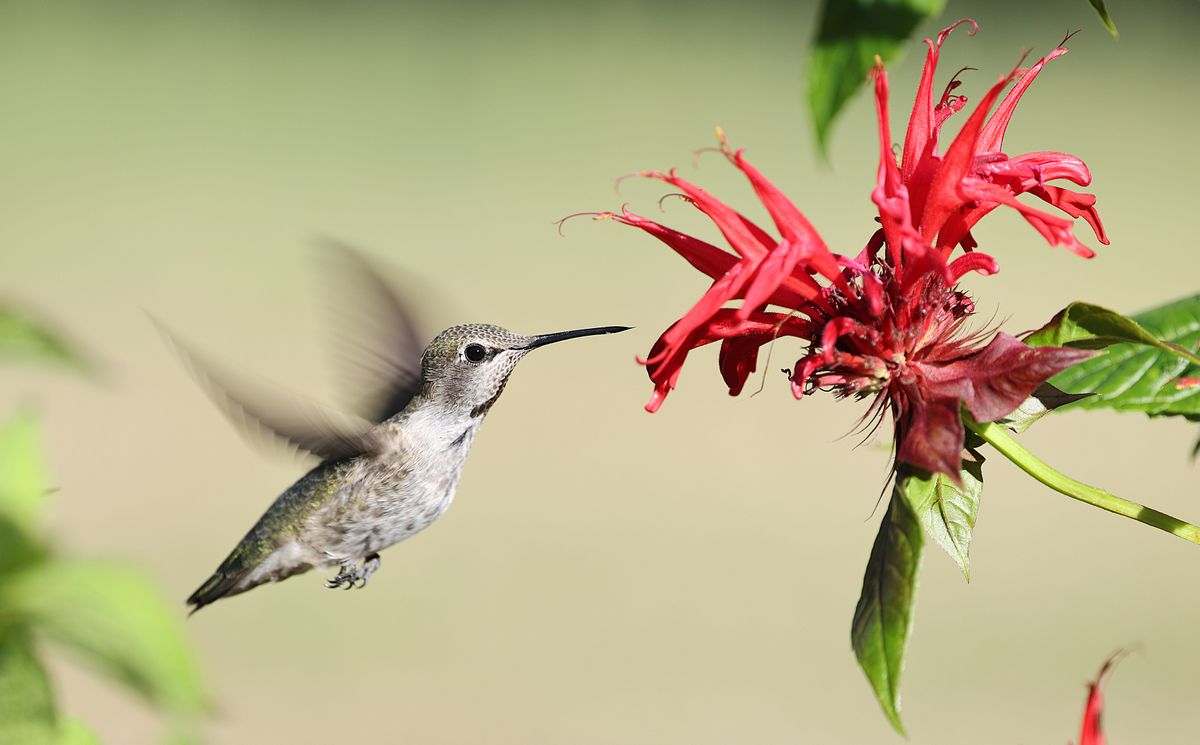
Photo by Veronika Andrews on Pexels
| Evaluation Criteria | Popular Myth | Microbiological Fact | Practical Impact on Nectar |
| --- | --- | --- | --- |
| Pathogen Neutralization | Water must boil for 10-15 minutes to be safe for birds. | Vegetative bacteria & yeasts die within 60 seconds at 212°F (100°C). | 1-2 minutes is 100% effective; longer boils only waste water. |
| Sugar Concentration Impact | Boiling duration doesn't affect the 4:1 sugar ratio. | Steam loss during extended boils concentrates sugar past safe limits. | Over-boiling turns healthy nectar into dehydrating, thick syrup. |
| Chlorine & Gas Dissipation | Microwaving water is identical to stove-boiling. | Microwaving heats unevenly and fails to agitate chlorine gas out of solution. | Stovetop rolling boil dissipates dissolved chlorine within 90 seconds. |
| Feeder Thermal Safety | Hot nectar can be poured directly into glass feeders to sterilize them. | Rapid temperature changes cause thermal shock and glass failure. | Pouring hot nectar shatters or cracks artisan hand-blown glass. |
Evaluating widespread internet claims against empirical microbiological criteria reveals why brief, precise boiling is essential for avian safety.
Fatal Nectar Prep Errors: Over-Boiling and Thermal Cracking
Avoid these critical operational mistakes that compromise nectar chemistry or destroy delicate hand-blown feeder reservoirs.
Explore Related Nectar & Feeder Care Guides
Expand your knowledge on backyard bird care, safe feeding practices, and garden decor maintenance with these foundational resources.
Elevate Your Garden with Handcrafted Solar Hummingbird Feeders
Pair your perfectly prepared, sterile nectar with a feeder designed to showcase vibrant colors by day and soft RGB luminescence by night.
Final Checklist & Next Steps
Your decision: Boil your tap water for exactly 1 to 2 minutes, stir in pure white cane sugar at a 4:1 ratio, and cool completely.
Do this next: Fill your 32 fl.oz handcrafted glass reservoir only after the liquid reaches ambient room temperature (68°F–72°F).
- Read next: How to Clean and Maintain Your Hand-Blown Solar Hummingbird Feeder
Upgrade your backyard with the LUJII Solar-Powered Hand-Blown Glass Hummingbird Feeder.
Ready to light up your garden with healthy, vibrant hummingbirds? Bring home the LUJII Solar-Powered Hand-Blown Glass Feeder today and combine expert nectar prep with enchanting nighttime RGB decor!
Cover photo by Veronika Andrews on Pexels.