Southern Garden Hummingbird Care: Managing High Humidity Nectar Spoilage
In temperatures above 88°F with humidity exceeding 70%, replace hummingbird nectar every 24 hours—no exceptions. High dew points accelerate sugar fermentation and Candida yeast blooms. Position hand-blown glass feeders in deep morning shade and use a precise 4:1 water-to-sugar ratio to prevent rapid spoilage and protect wild birds.
Key Takeaways for Southern Nectar Freshness
- 24-Hour Cutoff at 88°F+: Relative humidity above 70% accelerates Candida yeast proliferation, turning safe sugar water into toxic alcohol in under 24 hours.
- Shade Cuts Temp by 10°F: Placing glass reservoirs under dense canopy or east-facing eaves prevents solar heat trap without impeding evening RGB illumination.
- Stick to 4:1 Ratio: Never alter the 4:1 water-to-white-sugar ratio during heatwaves; richer syrups ferment up to 3x faster and strain tiny hummingbird kidneys.
- Non-Porous Glass Matters: Hand-blown glass reservoirs prevent microscopic fungal embedding that often ruins plastic feeders in humid conditions.
- Small-Batch Fills: Fill large 32 fl. oz. reservoirs only 1/3 full during peak summer to eliminate syrup waste while keeping daily meals fresh.
How Southern Heat and High Dew Points Accelerate Fermentation
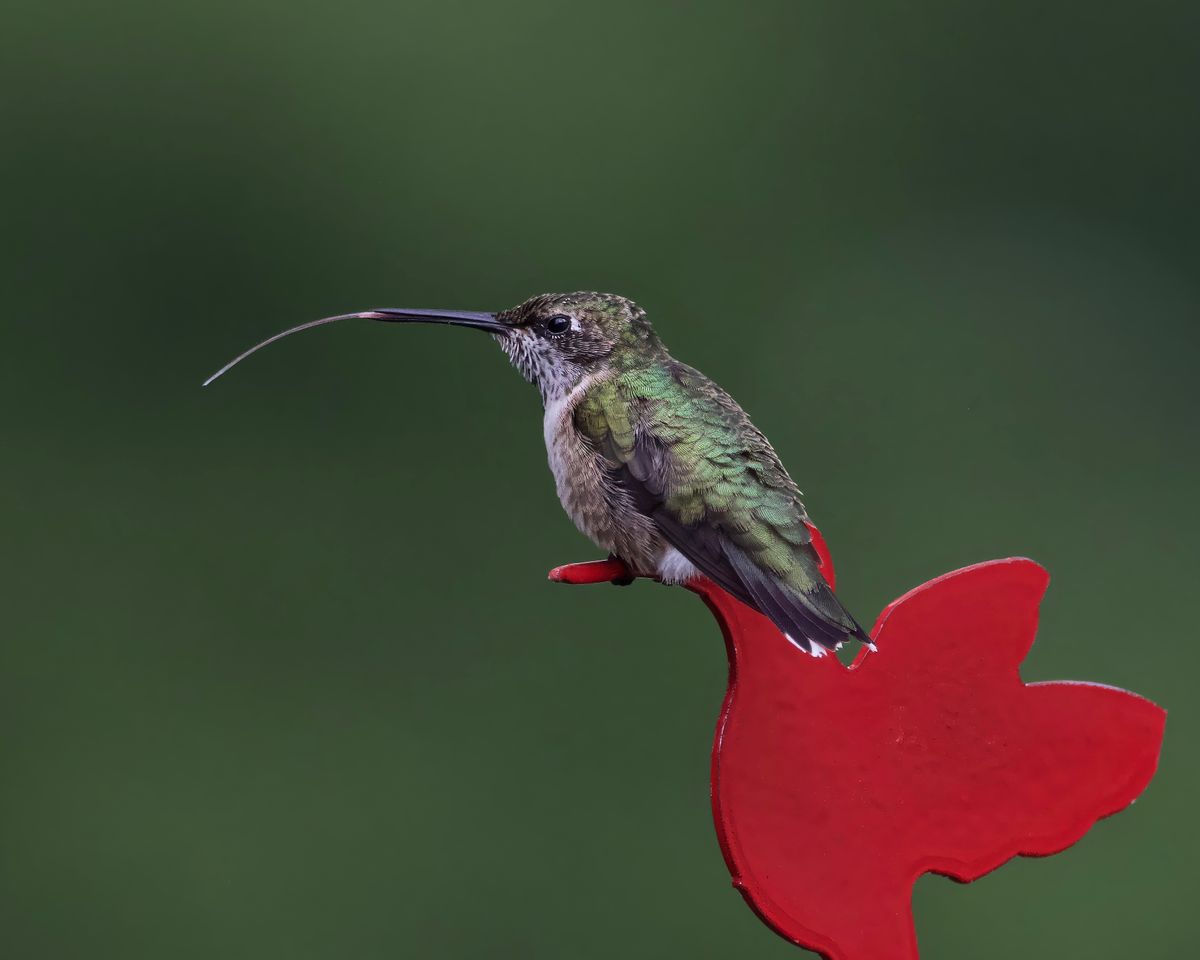
Photo by A. G. Rosales on Pexels
In USDA Hardiness Zones 8b through 10a, summer brings relentless humidity alongside scorching heat. When ambient temperatures surpass 85°F and relative humidity tops 75%, atmospheric dew points often climb past 70°F. This creates a virtual greenhouse for wild airborne micro-organisms.
Nectar is inherently a rich carbohydrate solution—a simple syrup of 20% sucrose dissolved in water. Airborne Candida yeasts and bacteria enter feeding ports on hummingbirds' beaks or on the wind. In dry heat, water evaporates quickly, increasing sugar concentration. In high humidity, however, atmospheric moisture prevents rapid surface evaporation while high heat fuels exponential bacterial and fungal reproduction. Within 24 to 36 hours, innocent sucrose ferments into acetic acid and ethanol.
When hummingbirds ingest fermented nectar, they risk severe fungal infections such as avian candidiasis ('sour crop'). This causes painful tongue swelling, rendering the birds incapable of feeding. Protecting your garden visitors requires active daily intervention whenever high humidity locks heat in place.
Southern Heat & Dew Point Spoilage Matrix
| Peak Temperature (°F) | Relative Humidity (%) | Safe Nectar Window | Action Required |
| --- | --- | --- | --- |
| 70°F – 79°F | Under 60% | 4 to 5 Days | Standard visual check; rinse and refresh twice weekly. |
| 80°F – 84°F | 60% – 70% | 3 Days (72 Hours) | Rinse ports daily; replace syrup completely on day 3. |
| 85°F – 89°F | 71% – 80% | 2 Days (48 Hours) | Inspect morning clarity; discard syrup at first sign of haziness. |
| 90°F – 95°F+ | Above 80% | 24 Hours (Max) | Daily full flush and refill; fill reservoir 1/3 full to prevent waste. |
| 95°F+ (Direct Sun) | Any Humidity | 12 to 18 Hours | Immediate relocation to deep afternoon shade mandatory. |
Use this thermal stability guide to determine exact nectar replacement intervals based on regional daily peak temperature and humidity.
Expert Tip: Shading Glass Reservoirs to Cut Ambient Temp by 10°F
Hanging your feeder under a dense, living tree canopy or an east-facing porch eave lowers the surface temperature of hand-blown glass by 8°F to 12°F compared to open yard placement. Avoid placing feeders near brick walls, vinyl siding, or dark wooden fences—these hardscapes absorb daytime radiant solar heat and emit it back into the reservoir well past sunset, baking the nectar even after the sun goes down.
5 Fatal Nectar Mistakes Southern Gardeners Make
Avoid these frequent summer maintenance errors that endanger hummingbirds and ruin your garden display.
High-Humidity Nectar Troubleshooting Matrix
| Visual / Odor Indicator | Root Cause | Risk Level | Immediate Corrective Action |
| --- | --- | --- | --- |
| Micro-bubbles rising to surface | Early yeast fermentation (sugar converting to gas) | Moderate | Discard nectar immediately; flush feeder with boiling water. |
| Faint sour vinegar or yeast smell | Bacterial breakdown & ethanol formation | High | Perform full vinegar scrub; refill with fresh 4:1 solution. |
| Slight cloudiness / milky haziness | Advanced bacterial bloom | Critical | Do not feed. Scrub ports with stiff bristle brush and vinegar. |
| Black specs or velvet spots inside curves | Black mold fungal colonization (Cladosporium) | Severe | Soak glass in 1:4 vinegar solution with raw rice; shake vigorously. |
| Hummingbirds hover but refuse to drink | Acidic pH shift from early invisible spoilage | Moderate | Replace nectar with cool, freshly dissolved sucrose solution. |
Diagnose early signs of syrup degradation before mold becomes visible to protect visiting birds.
Feeder Material Performance in High Humidity
| Feeder Material | Thermal Conductivity | Surface Porosity & Mold Resistance | UV Stability & Longevity |
| --- | --- | --- | --- |
| Hand-Blown Art Glass (LUJII) | Moderate heat dissipation; retains cool shade temps well | 100% Non-porous; mold cannot root into microscopic scratches | Impervious to UV degradation; glass colors never fade or leach |
| Standard Molded Plastic | Traps heat rapidly under direct ambient exposure | Highly porous over time; fine micro-scratches harbor fungal spores | Yellows and becomes brittle within 1–2 Southern summer seasons |
| Clear Acrylic | Heats quickly; prone to internal condensation traps | Moderate porosity; vulnerable to clouding from vinegar washes | Prone to cracking under extreme temperature fluctuations |
Compare how hand-blown glass, acrylic plastic, and thin polycarbonate withstand the damp, high-heat conditions of Southern yards.
Gulf Coast & Deep South Garden Microclimate Strategies
- Gulf Coast & Coastal Plain (Houston, New Orleans, Mobile, Tampa) — Extremely high dew points (75°F+) and salt spray accelerate microbial growth. Hang feeders in wind channels—such as breezy covered porches—to promote air movement around the glass reservoir. Wash metal bases weekly to prevent humidity rust.
- Humid Inland South (Atlanta, Birmingham, Jackson, Columbia) — High afternoon heat spikes (95°F+) paired with stagnant air pockets necessitate placing feeders under dense oak or maple leaf canopies. Ensure solar caps receive 4-6 hours of morning light while keeping the glass bulb fully shaded after 11:00 AM.
- Subtropical Deep South & Florida Keys (Miami, Orlando, Everglades border) — Year-round humidity and frequent rain squalls require leak-proof, rubber-sealed base designs. Ensure feeder weather shields divert torrential downpours away from feeding ports so rainwater does not dilute nectar or wash mold spores inside.
Humidity-Resistant Hand-Blown Glass & Solar Feeders
Combine artisanal garden beauty with effortless summer maintenance. The 🌟 LUJII Solar-Powered Hummingbird Feeder 🌟 is specifically engineered to thrive in demanding Southern climates.
- Hand-Blown Glass Artistry: Crafted at 2,300°F, the smooth, translucent glass reservoir provides a 100% non-porous surface that prevents mold adhesion while allowing clear visibility of nectar levels.
- Solar RGB Night Glow: The top solar cap recharges in morning light and illuminates automatically at night for up to 8 hours with enchanting RGB colors—without radiating heat down into the nectar reservoir.
- Leak-Proof Metal Base: Sealed rubber gaskets and anti-rust coated metal bases protect against humidity drips, keeping wasps, ants, and fungal spores at bay.
Daily & Weekly Southern Feeder Inspection Checklist
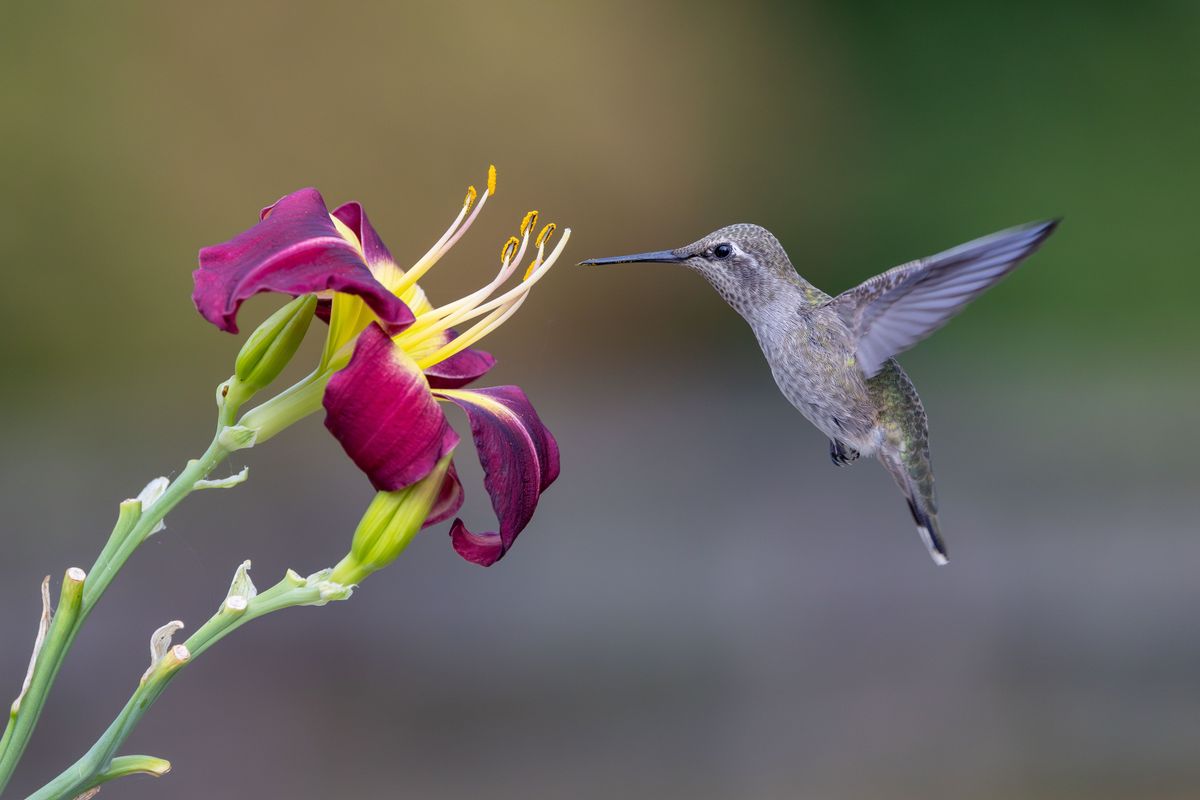
Photo by Veronika Andrews on Pexels
- [ ] Check nectar clarity against bright morning sunlight (discard immediately if cloudy, stringy, or bubbling).
- [ ] Verify feeder position remains in 100% afternoon shade by 12:00 PM.
- [ ] Rinse reservoir and feeding ports with hot tap water during daily refills (skip chemical dish soaps).
- [ ] Perform a weekly deep scrub using a flexible bottle brush and a 1:4 white vinegar-to-water solution.
- [ ] Inspect rubber O-rings and metal base threads for sticky nectar residue that attracts ants and yellowjackets.
Southern Summer Nectar Refresh Schedule
- May (Early Season / 75°F–82°F) — Refresh nectar every 3 to 4 days. Position feeder in morning sun with partial afternoon shade.
- June (Mid-Summer Heat / 83°F–89°F) — Refresh nectar every 48 hours. Shift placement to deep afternoon canopy shade; inspect ports daily.
- July – August (Peak Humidity & Heat / 90°F+) — Refresh nectar every 24 hours. Fill 32 oz glass bulb only 1/3 full; perform bi-weekly vinegar sterilizing flushes.
- September (Late Summer / 85°F–90°F) — Maintain 24-to-48-hour replacement schedule to support migrating hummingbirds requiring maximum calories.
Choosing Feeder Locations & Maintenance Protocols
In high-humidity Southern zones, prioritize non-porous hand-blown glass feeders with small daily fills (8–12 oz) placed in 100% afternoon shade over large-capacity plastic models.
Best choice for
- Hand-blown glass feeder with 24-hour small-batch fills — Glass cleans thoroughly without microscopic surface scratches that harbor black mold yeast.
- Solar cap glass feeder mounted under a dedicated dome baffle or east porch eave — Blocks radiant midday solar radiation while capturing enough sunlight for evening RGB lights.
- Filling a 32 oz feeder to the brim when only 2 or 3 resident hummingbirds visit during a heatwave.
- Using commercial red dye mixes, which break down rapidly under Southern UV rays and accelerate fermentation.
- Multiple small-reservoir glass feeders hung across separate garden zones — Reduces territorial fighting while ensuring no single feeder accumulates spoiled syrup.
Coastal Humidity vs. Inland Heat: Real-World Scenarios
Houston Patio Garden (93°F, 85% RH, High Morning Breeze) — Hang a hand-blown glass feeder beneath a covered patio overhang where breezes circulate freely. Fill the reservoir with 8 oz of fresh nectar each morning. The top solar cap charges in indirect bright sunlight, providing nighttime RGB illumination while the shade keeps nectar cool.
Atlanta Suburban Backyard (96°F, 65% RH, Stagnant Afternoon Heat) — Mount feeder on a garden shepherd's hook positioned directly under an oak canopy that blocks sun after 10:30 AM. Flush reservoir daily with hot tap water and perform a 1:4 vinegar scrub every 5 days.
See how real Southern gardeners tailor their maintenance strategies to local weather patterns.
Frequently Asked Questions
Answers to common questions about nectar freshness and solar feeder care in humid environments.
Immediate Action Plan for Fresh Nectar
Your decision: Decide on your daily nectar batch size based on your local daily peak temperature and shade availability.
Do this next: Inspect your feeder today for subtle cloudiness, wash thoroughly with hot water and white vinegar, and fill only 1/3 of the reservoir if 90°F+ heat is forecasted.
- Read next: How to Clean and Maintain Your Hand-Blown Solar Hummingbird Feeder
- Read next: Hummingbird Feeder Gasket and O-Ring Maintenance
LUJII Hand-Blown Glass Solar Hummingbird Feeder (32 oz capacity with non-porous glass reservoir and sealed anti-rust metal base).
Take these quick steps today to protect your garden hummingbirds and enjoy glowing nighttime garden decor.