Summer Hummingbird Sanctuary Checklist: Misters, Perches, and Nectar Stations
Should you adjust your hummingbird setup for summer heat? Yes. To protect hummingbirds from fatal thermal stress and rapid nectar fermentation, mount fine-mist nozzles near broad-leaf foliage, position shade perches 10 to 15 feet from feeding stations, and suspend heavy hand-blown glass feeders in deep canopy shade, replacing sugar water every 24 to 48 hours when temperatures exceed 90°F.
Essential Summer Sanctuary Setup Checklist
- [ ] Cooling Mister Zone: Fine-mist nozzle mounted near broad leaves, at least 8 feet away from nectar ports.
- [ ] Shade Perch Zone: Multiple slender twigs or swing perches located in deep canopy shade within 10–15 feet of feeders.
- [ ] Refueling Zone: Leak-proof hand-blown glass feeder suspended under shade, filled with 4:1 water-to-sugar ratio.
- [ ] Pest Control Barrier: Ant moats filled with clean water and bee guards installed on all nectar ports.
- [ ] Twilight Decor Zone: Solar cap positioned to receive 6+ hours of indirect sunlight while casting RGB ambient glow on glass after dark.
1. Cooling Mister Zone
- [ ] Foliage Alignment: Mount fine-mist brass nozzles directly above broad-leafed plants (such as hostas, hydrangeas, or morning glories) so water collects gently on leaves.
- [ ] Safe Clearance: Position mister nozzles at least 8 to 10 feet away from nectar ports to prevent water spray from diluting the 4:1 sugar water solution.
- [ ] Low-Flow Pressure: Use ultra-low-flow emitters (0.5–1.0 gallons per hour) to create a gentle aerosol spray rather than a high-pressure jet that can chill tiny birds.
- [ ] Automated Timer: Connect the system to a hose timer set for peak heat hours (11:00 AM to 4:00 PM).
2. Shade Perch Zone
- [ ] Proximity Mapping: Locate slender twigs, clotheslines, or dedicated hummingbird swings within 10 to 15 feet of nectar ports.
- [ ] Deep Canopy Shade: Ensure perches remain in full shade during mid-afternoon hours to let birds rest between feedings without expending extra energy on thermoregulation.
- [ ] Sightline Barriers: Place perches behind leafy branches or fence corners to break direct visual lines between feeders, reducing territorial fighting.
3. Heat-Proof Refueling Zone
- [ ] Thermal Glass Construction: Install thick, hand-blown glass reservoirs rather than thin plastic units. Glass provides superior insulation against ambient radiant heat.
- [ ] Sealed Leak-Proof Base: Verify the feeder base features a rubber gasket seal and anti-rust metal basin to prevent nectar expansion and drips under heat pressure.
- [ ] 32 fl. oz. Capacity Reserve: Use a 32 fl. oz. capacity reservoir to ensure consistent supply while filling only the volume birds consume in 24–48 hours.
- [ ] Pure Sugar Ratio: Prepare a standard 4:1 water-to-white-refined-sugar ratio. Never add red dye, honey, or artificial sweeteners, which accelerate bacterial spoilage in heat.
4. Insect & Pest Barrier Zone
- [ ] Hydrated Ant Moats: Fill built-in or inline ant moats with clean water daily; add a drop of food-grade vegetable oil on top to slow evaporation.
- [ ] Bee Guard Integrity: Ensure all feeding ports are fitted with narrow bee guards to block yellow jackets and honeybees from reaching internal nectar levels.
- [ ] Zero Pesticides: Avoid applying sticky gels or chemical sprays to hanging hooks, as these ruin hummingbird feathers during contact.
5. Twilight & Evening Transition Zone
- [ ] Solar Panel Exposure: Position the top solar cap where it receives 6+ hours of indirect daylight while keeping the lower glass reservoir shaded.
- [ ] Low-Lumen RGB Ambient Glow: Utilize gentle solar LED illumination inside translucent glass art to cast ambient evening light without disturbing birds entering nighttime torpor.
Printable Summer Sanctuary Quick Reference Card
- NEVER hang plastic feeders in direct sun; thin plastic warps, leaks, and bakes nectar into dangerous mold.
- KEEP misters 8+ feet from feeders to avoid diluting sugar water ratios.
- CHANGE nectar every 24 hours when ambient temperatures top 90°F.
- SOAK mist nozzles in white vinegar every 2-3 weeks to eliminate mineral blockages.
- CHOOSE heavy hand-blown glass feeders with sealed metal bases to prevent hot-weather leaks.
Summer Temperature & Nectar Refresh Schedule
- 70°F – 79°F Ambient Heat — Inspect nectar clarity daily. Perform full feeder rinse and nectar replacement every 4 to 5 days. Flush mister lines weekly.
- 80°F – 84°F Ambient Heat — Replace nectar every 3 days. Wash feeder with warm water and soft brush. Refill ant moats every 48 hours.
- 85°F – 89°F Ambient Heat — Replace nectar every 48 hours. Sanitize feeder reservoir using hot water and white vinegar solution. Run misters 3 hours daily during heat peak.
- 90°F – 94°F Ambient Heat — Mandatory 24-hour nectar swap regardless of remaining volume. Fill reservoir only half full to minimize waste. Run misters 4–6 hours daily.
- 95°F+ Extreme Heatwave — Replace nectar every 12 to 24 hours. Move feeders into complete shade. Top off ant moats twice daily and run misters continuously during peak sun hours.
Sanctuary Station Configurations by Garden Layout
| Yard Layout Scenario | Mister Placement | Perch Sightline Distance | Feeder Station Strategy | Key Thermal Considerations |
| --- | --- | --- | --- | --- |
| Small Apartment Balcony / Covered Patio | Mount single mist nozzle on railing aimed at potted ferns or hostas. | 3 to 5 feet away on hanging shepherd hooks or wall mounts, hidden behind container plants. | Hang one hand-blown glass feeder under covered eave out of direct midday sun. | High radiant heat reflecting off concrete or glass railing; shade is mandatory. |
| Open Suburban Lawn with Scattered Shrubs | Set up dual mist nozzles on garden stakes over leafy perennial beds. | 10 to 12 feet away on interior branches of ornamental trees or tall shrubs. | Space 2 to 3 feeders at least 15 feet apart on opposite sides of the lawn. | Direct afternoon sun exposure; solar caps absorb full charge, but reservoirs must sit in tree shade. |
| Wooded Garden Border with Dense Canopy | Install overhead drip/mist line along lower tree branches spraying down onto broad leaves. | 8 to 15 feet away using natural dead twigs within lower shade canopy. | Hang multiple glass feeders along woodland path using visual foliage barriers. | Natural cool microclimate; solar panels require strategic placement near canopy gaps. |
Tailor your mister, perch, and feeder placement based on your outdoor space constraints to optimize safety and territorial peace.
Expert Advice: Placing Solar Glass Feeders for Day-to-Night Transitions
Hand-blown glass feeders crafted at 2,300 degrees Fahrenheit possess significant thermal mass compared to mass-produced plastic feeders. The dense glass body heats up slowly during hot afternoons, helping keep internal nectar slightly cooler when suspended in deep shade.
When positioning solar-powered glass feeders, optimize both thermal defense and evening aesthetics: place the feeder where the top plastic solar cap catches indirect canopy sunlight during the afternoon, while the thick artistic glass reservoir remains shielded from direct solar rays. At dusk, the internal RGB lighting automatically activates, illuminating the translucent patterns for up to 8 hours without emitting radiant heat or attracting nocturnal insect swarms.
Sanctuary Action Plan & Next Steps
Your decision: Assess your yard's shade canopy and water access to select your sanctuary layout zone strategy.
Do this next: Install fine-mist nozzles near broad-leafed shrubs and hang a hand-blown glass solar feeder in deep shade.
- Read next: Hot Weather Nectar Ratios: How to Keep Hummingbird Food Fresh in Summer
- Read next: Do Hummingbirds Feed at Night? Understanding Dusk Behavior Around Illuminated Feeders
Enhance your sanctuary with the LUJII Solar Hand-Blown Glass Hummingbird Feeder for heat durability and night garden illumination.
Follow these quick action steps to transition your outdoor space into an active summer sanctuary.
Key Sanctuary Design Rules to Remember
- Misters provide vital leaf-surface bath stations for cooling and feather grooming.
- Keep misting water away from nectar ports to prevent dilution of the essential 4:1 sugar ratio.
- Thick hand-blown glass provides natural thermal resistance against ambient summer heat waves.
- Shade perches placed 10–15 feet away give birds safe resting spots to conserve energy between feedings.
- Solar-powered RGB LED lights enhance twilight garden beauty without disturbing avian torpor schedules.
Summer Sanctuary Failure Modes to Avoid
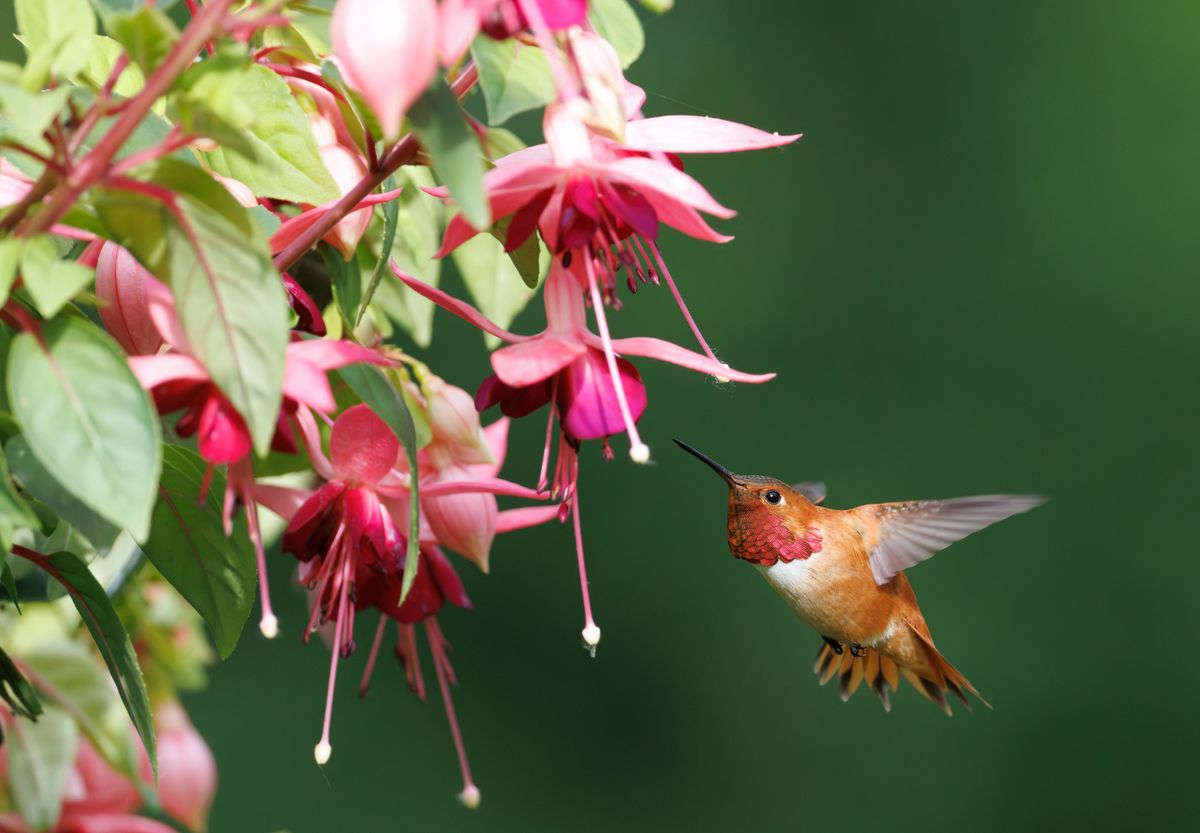
Photo by Veronika Andrews on Pexels
Avoid these common setup errors that jeopardize hummingbird health and waste nectar during hot weather.
Seasonal Setup Timeline: May Through August
- Late May: Spring Arrival & Inspection — Hang initial hand-blown glass feeders. Audit garden hooks, clean ant moats, and test solar lighting components.
- Mid-June: Mister & Shade Tuning — Install low-flow misting lines near broad-leafed perennials. Establish shade perches within 10–15 feet of feeding ports.
- July: Peak Heatwave Refill Blitz — Transition to 24-to-48-hour nectar refresh cycles. Soak mister nozzles in white vinegar bi-weekly to clear mineral crust.
- August: Migration Energy Buffering — Add secondary feeder stations to handle territorial juvenile birds and south-bound migrants fueling up for long flights.
Explore Related Hummingbird Guides
Deepen your knowledge of backyard birding, seasonal feeding protocols, and garden decor maintenance:
- Hot Weather Nectar Ratios: How to Keep Hummingbird Food Fresh in Summer Heat
- Do Hummingbirds Feed at Night? Understanding Dusk Behavior Around Illuminated Glass Feeders
- How to Clean and Maintain Hand-Blown Solar Glass Hummingbird Feeders
- Hand-Blown Glass vs. Plastic Hummingbird Feeders: Thermal Insulation & Durability Comparison
Frequently Asked Questions About Summer Sanctuary Setup
How often should I clean my mister nozzles to prevent mineral buildup?
Soak misting nozzles in white vinegar every 2 to 3 weeks to dissolve hard water calcium and lime deposits. In hard water areas, flushing nozzles monthly prevents clogging and keeps mist droplets ultra-fine.
Where is the best spot to hang my hand-blown glass solar feeder to avoid territorial fights?
Hang feeders out of direct sightlines from each other, using shrubbery, tree trunks, or fence corners as visual barriers. Spacing stations 15 to 20 feet apart prevents aggressive bully birds from dominating every feeding port.
Does nighttime RGB lighting affect resting hummingbirds or attract nocturnal pests?
No. Low-lumen LED solar lighting inside translucent glass decorates the garden without disturbing roosting birds in torpor or drawing heavy insect swarms. Hummingbirds enter deep physiological sleep in hidden foliage away from illuminated feeders.
What native summer flowers pair best with solar glass feeders to attract maximum hummingbirds?
Pair your feeders with tubular summer bloomers like Bee Balm (Monarda), Salvia, Agastache (Hummingbird Mint), and Trumpet Vine. Native nectar plants provide natural forage while your glass feeder supplies a steady high-calorie backup.
Get expert answers to common questions about misters, feeder placement, and solar garden lighting.
Recommended Sanctuary Essentials
Equip your yard with durable, heat-resistant feeding stations designed for both bird safety and evening garden ambiance.
Ready to Transform Your Summer Garden?
Your decision: Choose the optimal shade and mister layout for your backyard dimensions.
Do this next: Order your LUJII Solar Hand-Blown Glass Feeder today to enjoy leak-proof feeding by day and magical RGB illumination by night.
- Read next: Hot Weather Nectar Ratios Guide
LUJII Solar-Powered Hand-Blown Glass Hummingbird Feeder
Take the next step in creating a safe, beautiful backyard habitat for your feathered visitors.
Cover photo by A. G. Rosales on Pexels.