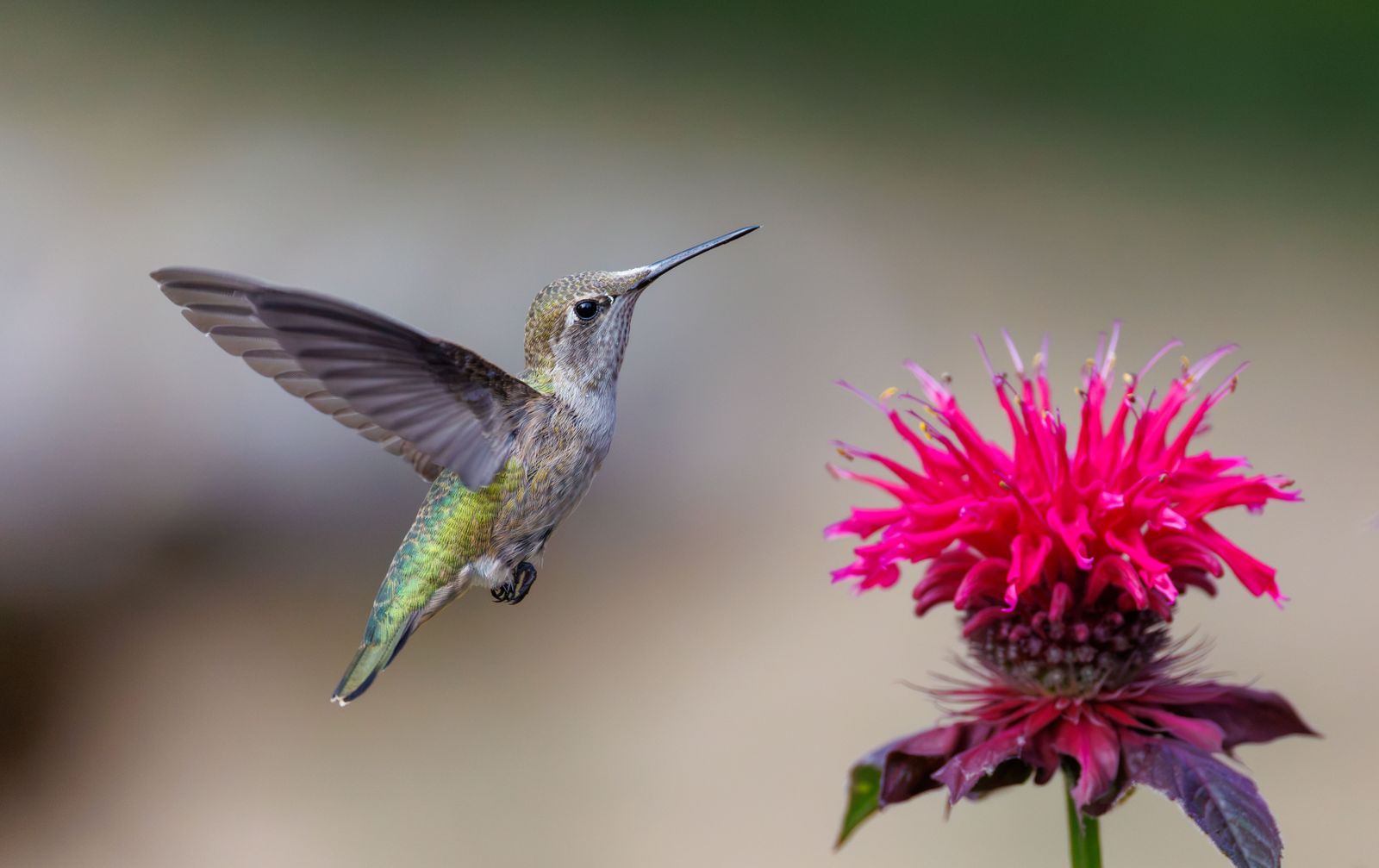
Spring Backyard Checklist: How to Create a Glowing Hummingbird Sanctuary
Should you build your hummingbird sanctuary starting with feeders or plants? Begin by establishing safe perches, a misting water feature, and native nectar flowers 2–3 weeks before spring migration. Complement these with hand-blown solar glass feeders placed in partial shade for leak-free daytime feeding and up to 8 hours of soft evening RGB illumination.
The Master Spring Hummingbird Sanctuary Checklist
- [ ] Phase 1: Yard Safety & Soil Clearing — Prune lower brush to eliminate outdoor cat ambush spots, while leaving high tree branches (10–15 feet up) intact as daytime perches. Stop using all synthetic pesticides and systemic insecticides that decimate native flying insects.
- [ ] Phase 2: Hydration & Dusting Stations — Install a solar-powered water mister or shallow drip basin near broad-leaf foliage. Hummingbirds prefer bathing in light mists rather than deep bird baths.
- [ ] Phase 3: High-Nectar Floral Layering — Plant native tubular flowers (such as bee balm, cardinal flower, and trumpet honeysuckle) in staggered bloom cycles to provide continuous nectar from early spring through autumn.
- [ ] Phase 4: Artisan Solar Feeder Placement — Hang heavy, hand-blown glass solar feeders at least 5 feet off the ground in partial shade. Ensure the solar cap receives 6–8 hours of sunlight while keeping the nectar reservoir cool.
- [ ] Phase 5: Pure Nectar Preparation — Prepare fresh 4:1 boiled water-to-white-sugar solution. Never use red dyes, honey, or artificial sweeteners.
- [ ] Phase 6: Solar RGB Lighting Check — Test the automatic light-sensing solar cap prior to mounting to enjoy up to 8 hours of multi-mode RGB illumination at dusk.
Printable Field Summary: Quick-Reference Setup Guide
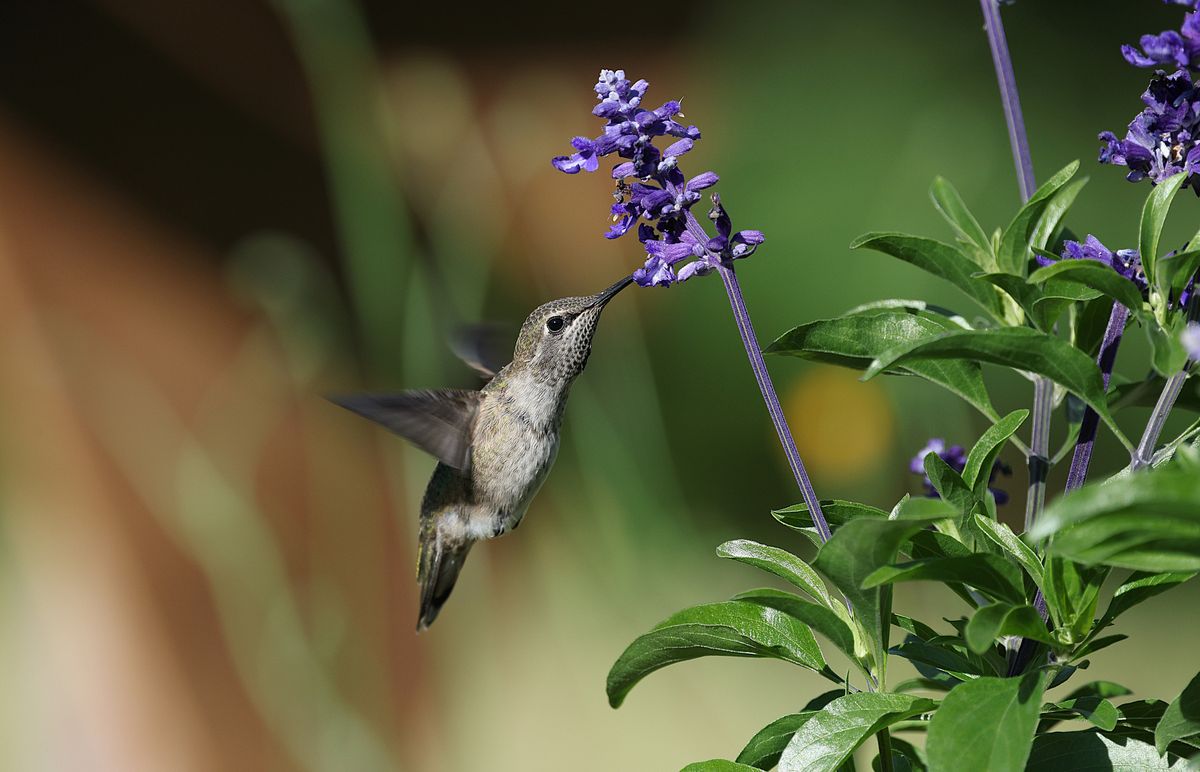
Photo by Veronika Andrews on Pexels
- Nectar Ratio: 4 parts water to 1 part pure refined white cane sugar (Boil 1-2 mins, cool completely).
- Feeder Height: 5 feet above ground, 3+ feet away from windows, minimum 10 feet from cat-accessible bushes.
- Sun Exposure: Partial shade (Direct morning sun ok; afternoon shade protects nectar freshness while solar cap charges).
- Cleaning Frequency: Every 3 days in spring (<70°F); every 1-2 days in warm summer weather (>80°F).
- Solar RGB Cap Care: Wipe solar panel with damp microfiber cloth; never submerge solar electrical housing in water.
Expert Lighting & Landscape Placement Insight
A common concern among backyard birders is whether nighttime solar lights disturb wildlife. Hummingbirds enter a state of deep metabolic torpor after dusk, tucked safely inside high tree leaves or dense shrubbery. Positioning hand-blown glass solar feeders along garden pathways, patios, or open lawn borders provides two distinct benefits: daytime birds feed comfortably away from dark tree shadows, and night-time ambient RGB lighting illuminates your yard art without shining glare into roosting trees.
Spring Arrival & Setup Calendar by US Region
| US Region | Scout Arrival Window | Recommended Feeder Hanging Date | Peak Bloom & Nectar Demand | Nectar Change Frequency |
| --- | --- | --- | --- | --- |
| Southern Tier (FL, TX, GA, AZ) | Late February – Early March | Mid-February | April – May | Every 2-3 Days |
| Central Tier (NC, OH, MO, KS) | Early April – Mid-April | March 25 | May – July | Every 2 Days |
| Northern Tier (NY, MI, MN, WA) | Late April – Early May | April 15 | June – August | Every 3 Days (Spring) / Daily (Summer) |
| Mountain West & High Altitudes | May 1 – May 15 | April 25 | June – Early September | Every 3-4 Days |
Timing your setup is critical. Hang your hand-blown solar feeder roughly 10 to 14 days before peak migration scout birds arrive in your state.
5 Core Pillars of a Thriving Sanctuary
Critical Failures: How Backyard Sanctuary Projects Go Wrong
Avoid these five frequent mistakes that harm visiting birds or ruin your garden setup:
Sanctuary Feeder Setup Scenarios & Risk Mitigations
| Garden Scenario | Failure Mode / Risk | Recommended Design Solution | Maintenance Requirement |
| --- | --- | --- | --- |
| High-Wind Patio or Open Deck | Lightweight plastic feeders sway wildy, spilling nectar and attracting wasps. | Deploy a heavy, hand-blown glass feeder (32 fl. oz) with a slender, wind-resistant silhouette and weighted metal base. | Inspect S-hook attachment weekly; ensure metal base anti-rust coating remains clean. |
| Full Shade Under Dense Oak Canopy | Solar panel fails to charge fully, resulting in dark RGB lighting at dusk. | Use an adjustable shepherd's hook to extend the feeder into partial edge sun (6+ hours sunlight). | Wipe top solar cell weekly to clear pollen and falling sap. |
| Hot Direct Afternoon Sun (>90°F) | Nectar ferments in 24 hours; plastic reservoirs warp and leach chemicals into liquid. | Hang heat-resistant 2,300°F hand-blown glass art feeder in eastern morning sun / afternoon shade. | Replace nectar every 24-36 hours and rinse with white vinegar solution. |
| Frequent Ant & Bee Swarming | Insects crowd out hummingbirds and pollute nectar base. | Utilize a leak-proof sealed base design with an integrated ant moat; avoid yellow feeding ports. | Keep outer glass surface clean and never overfill past internal fill line. |
Review how different yard microclimates affect feeder performance and bird safety.
Spring-to-Autumn Sanctuary Maintenance Timeline
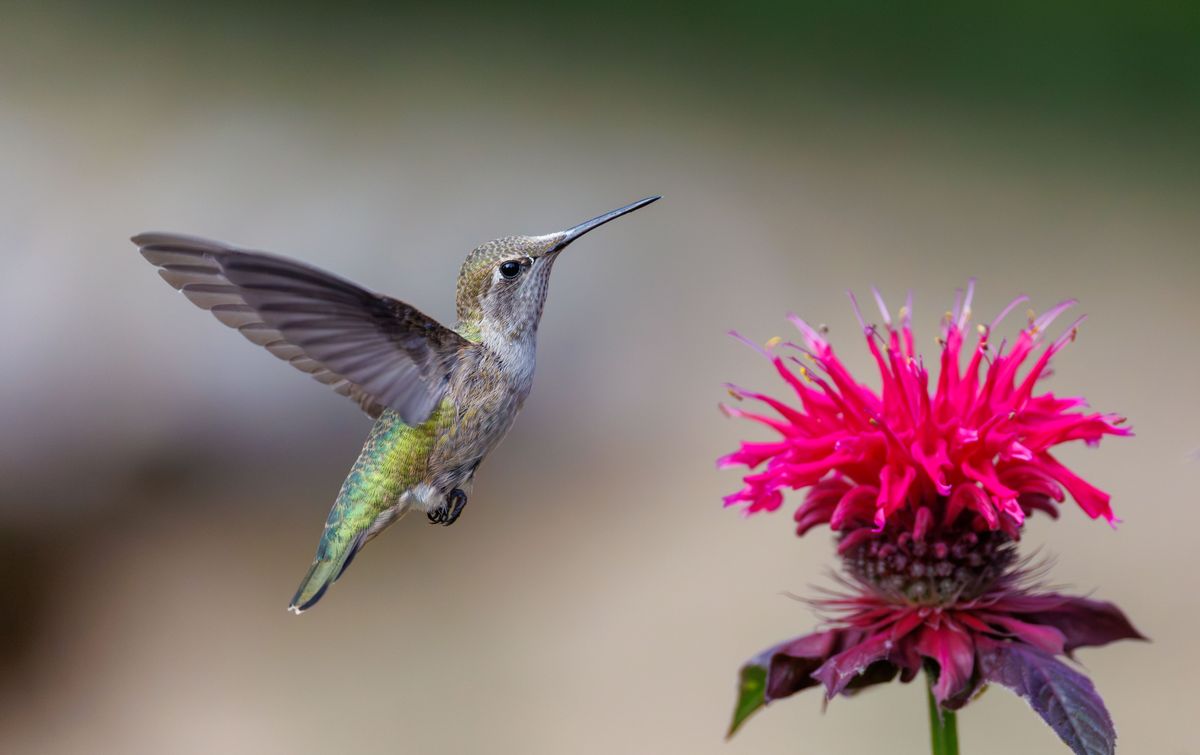
Photo by Veronika Andrews on Pexels
- Early Spring (Pre-Arrival) — Clean all glass reservoirs with warm water and vinegar. Inspect metal bases for anti-rust integrity. Position feeders in partial shade.
- Mid-Spring (Migration Peak) — Refill 32 fl. oz reservoirs every 3 days. Check solar cap lighting performance at dusk to verify full 8-hour charge.
- Summer Heatwave — Shift nectar replacement schedule to every 24-48 hours. Wipe solar glass top with a damp microfiber cloth to remove dust and pollen.
- Late Autumn (Post-Migration) — Leave feeders up for 2 weeks after seeing the last hummingbird. Clean hand-blown glass thoroughly, dry solar cap, and store indoors over freezing winter months.
Recommended Sanctuary & Craftsmanship Guides
Explore further topics on sustainable garden art and bird conservation:
- Hand-Blown Glass vs. Plastic Hummingbird Feeders: Why artisan craftsmanship at 2,300°F outlasts plastic in direct sunlight.
- How to Clean and Maintain Your Hand-Blown Solar Hummingbird Feeder: Step-by-step instructions for preserving glass clarity and solar cap batteries.
- Do Hummingbirds Feed at Night?: Understanding dusk behavior and how soft ambient RGB lighting interacts with wild birds.
- Sustainable Backyard Living: Combining solar-powered light fixtures with native plant landscaping.
Frequently Asked Questions About Solar Hummingbird Sanctuaries
Sanctuary Spotlight: Hand-Blown Solar RGB Hummingbird Feeder
Elevate your outdoor space with the ultimate blend of artisan glass art and eco-friendly technology. Crafted by master glassblowers shaping glowing glass at 2,300 degrees Fahrenheit, each reservoir features unique, vibrant color patterns that never fade or yellow in direct sunlight.
Key Features:
- Artisan Hand-Blown Glass: Generous 32 fl. oz capacity with transparent patterns for effortless nectar monitoring.
- Solar-Powered RGB Lights: Automatically turns on at dusk, providing up to 8 hours of mesmerizing multi-mode color lighting.
- Leak-Proof Metal Base: Precision-sealed base coated with anti-rust protection prevents drips and keeps unwanted insects away.
- All-Weather Durability: Waterproof solar cap shields nectar from rain, snow, and harsh UV rays.
Your Immediate Action Plan for Spring
Your decision: Determine your garden layout zones and select a hand-blown glass feeder that combines a 32 fl oz capacity with automatic evening solar RGB lighting.
Do this next: Download the field summary checklist, prepare your planting beds with native tubular flowers, and position your solar glass feeder 2 weeks prior to spring arrival.
- Read next: Hand-Blown Glass vs. Plastic Hummingbird Feeders
- Read next: How to Clean and Maintain Your Hand-Blown Solar Hummingbird Feeder
🌟 LUJII Solar-Powered Hand-Blown Glass Hummingbird Feeder (32 fl oz) 🌟
Transforming your garden into a hummingbird haven starts with small, deliberate preparations before migration scout birds arrive.
Cover photo by Veronika Andrews on Pexels.