Summer Hummingbird Feeder Care: Keep Nectar Fresh & Stop Leaks
Should you change your hummingbird nectar daily when temperatures cross 85°F? Yes. High ambient heat accelerates yeast fermentation into toxic liquor and expands air pockets inside hand-blown glass reservoirs, forcing nectar out through the feeding ports. To keep nectar safe and stop drips, hang handcrafted glass feeders in afternoon shade, invert them completely filled with cold 1:4 sugar water to establish a vacuum seal, and refresh nectar every 24 to 48 hours.
The Summer Sanctuary Feeder Care Checklist
- [ ] Inspect nectar daily for cloudiness, stringy white yeast strands, or black mold specks.
- [ ] Wipe top solar panel cap with a damp microfiber cloth to remove dust, pollen, and bird droppings for maximum RGB battery charging.
- [ ] Verify the feeder hangs in deep afternoon shade, particularly between 12:00 PM and 5:00 PM.
- [ ] Flush the hand-blown glass reservoir with warm tap water during every refilling cycle (no soap).
- [ ] Deep-clean feeding ports and metal base with a white vinegar solution every 2 to 3 days during heatwaves above 85°F.
- [ ] Check base port gaskets to ensure a tight, drip-free liquid seal before re-inverting.
Printable Summer Care Quick Reference
- Nectar Ratio: Exactly 1 part plain white refined sugar to 4 parts boiled tap water (never use raw sugar, honey, or artificial red dyes).
- Sun & Shade Balance: Position the solar cap to catch morning rays while keeping the hand-blown glass body shaded during scorching afternoon hours.
- Cold-Fill Vacuum Routine: Always chill boiled nectar in the refrigerator before filling your reservoir to prevent immediate air expansion drips.
- Nighttime Lighting Check: Ensure the waterproof solar switch remains set to 'ON' so automatic RGB glow lights up your garden for up to 8 hours post-sunset.
- Pest Barrier Verification: Keep ant moats filled with plain water and wipe anti-rust coated base ports clean of sticky residue.
Pro-Tip: The Chilled-Inversion Vacuum Trick for Glass Reservoirs
Handcrafted, hand-blown glass reservoirs—crafted at 2,300°F—are exceptionally durable and feature rich, translucent colors. However, because glass is a natural insulator, air trapped inside a half-full globe expands significantly as ambient temperature rises.
To eliminate midday port drips, never fill a glass feeder with warm or room-temperature nectar. Instead, chill your freshly brewed 1:4 sugar solution in the fridge until cool. Fill the 32 fl. oz glass reservoir completely to the top neck, leaving almost zero head space. Screw the sealed anti-rust metal base on snugly and invert the feeder in one swift, continuous motion over your sink. A tight internal vacuum forms immediately, holding the liquid securely in place even when afternoon temperatures climb past 90°F.
Summer Feeder Failure Modes & Scenario Solutions
| Failure Scenario | Root Cause | Immediate Corrective Action | Long-Term Prevention Strategy |
| --- | --- | --- | --- |
| Nectar dripping rapidly from base ports during midday hours | Thermal expansion of air pocket inside partially filled glass reservoir under direct sunlight | Bring feeder indoors, flush with cold water, and fill completely to top with chilled nectar to reset the internal vacuum seal | Relocate feeder to a location receiving deep canopy shade from 12 PM to 5 PM while leaving the solar cap exposed to ambient sky light |
| Black specks or cloudy film appearing in glass neck within 36 hours | Rapid ambient yeast growth accelerating fermentation in sugar solution exposed to 85°F+ heat | Discard nectar immediately. Shake raw uncooked rice mixed with equal parts white vinegar and warm water inside bottle to scrub mold | Shorten nectar replacement interval to every 24 hours during heatwaves; never add chemical preservatives or bleach |
| Solar RGB lights fail to illuminate at dusk or turn off after 1 hour | Dust or hard-water haze coating top solar module, or panel shaded by dense tree foliage all day | Wipe top plastic solar cap clear with damp soft cloth; verify internal power switch under weather shield is toggled to ON | Trim overhanging branches slightly so top cap receives 4-6 hours of indirect or morning sunlight while keeping lower glass shaded |
| Ants swarming base feeding ports and drowning in liquid | Sticky nectar residue spilled on exterior metal base during hasty upside-down hanging process | Wash outside base thoroughly with warm water; install a water-filled ant moat hook directly above solar top cap | Use a funnel to fill glass bottle clean; wipe down outer anti-rust metal base before inverting over garden hook |
When heatwaves strike, immediate troubleshooting prevents nectar loss and protects delicate hummingbird tongues from fungal infections.
Your Immediate Summer Action Steps
Your decision: Transition your garden routine to temperature-based nectar replacement and cold vacuum filling today.
Do this next: Inspect your current feeder placement. Ensure the hand-blown glass bottle is shaded during peak heat hours while the solar cap catches sufficient light.
- Read next: Hot Weather Nectar Ratios: How to Keep Hummingbird Food Fresh in Summer
- Read next: Troubleshooting Nectar Leaks and Solar Lights on Handcrafted Feeders
Upgrade your backyard sanctuary with the LUJII Solar-Powered Hand-Blown Glass Hummingbird Feeder, featuring a 32 oz translucent reservoir and rust-resistant metal base.
Take these three immediate steps today to shield your feathered visitors from fermented food and messy patio drips.
Key Takeaways for Hot Weather Nectar Hygiene
- Fermentation occurs rapidly at 80°F+, turning safe sugar water into harmful yeast liquor within 48 hours.
- Thermal expansion in 32 fl. oz glass bottles is easily solved by cold-filling completely to the neck before upside-down hanging.
- Never use bleach or harsh chemicals on handcrafted glass art; white vinegar and uncooked rice safely scrub narrow bottle necks.
- Plastic solar caps protect internal LED battery components against rain and snow while providing up to 8 hours of magical RGB night illumination.
- Coated anti-rust metal bases provide durable landing perches for hummers while protecting base gaskets from corrosion.
Temperature-Based Nectar Replacement Schedule
- Under 70°F (Spring / Early Fall) — Change nectar and rinse reservoir every 5 to 7 days. Inspect solar cap once a week.
- 71°F to 80°F (Mild Summer) — Change nectar and warm-water flush reservoir every 3 to 4 days. Wipe down metal feeding ports.
- 81°F to 88°F (Warm Summer) — Change nectar every 48 hours maximum. Perform vinegar soak on base ports every second refill.
- 89°F and Above (Extreme Heatwave) — Change nectar every 24 hours. Fill reservoir strictly with chilled liquid and hang in full afternoon shade.
Critical Summer Care Errors That Harm Hummingbirds
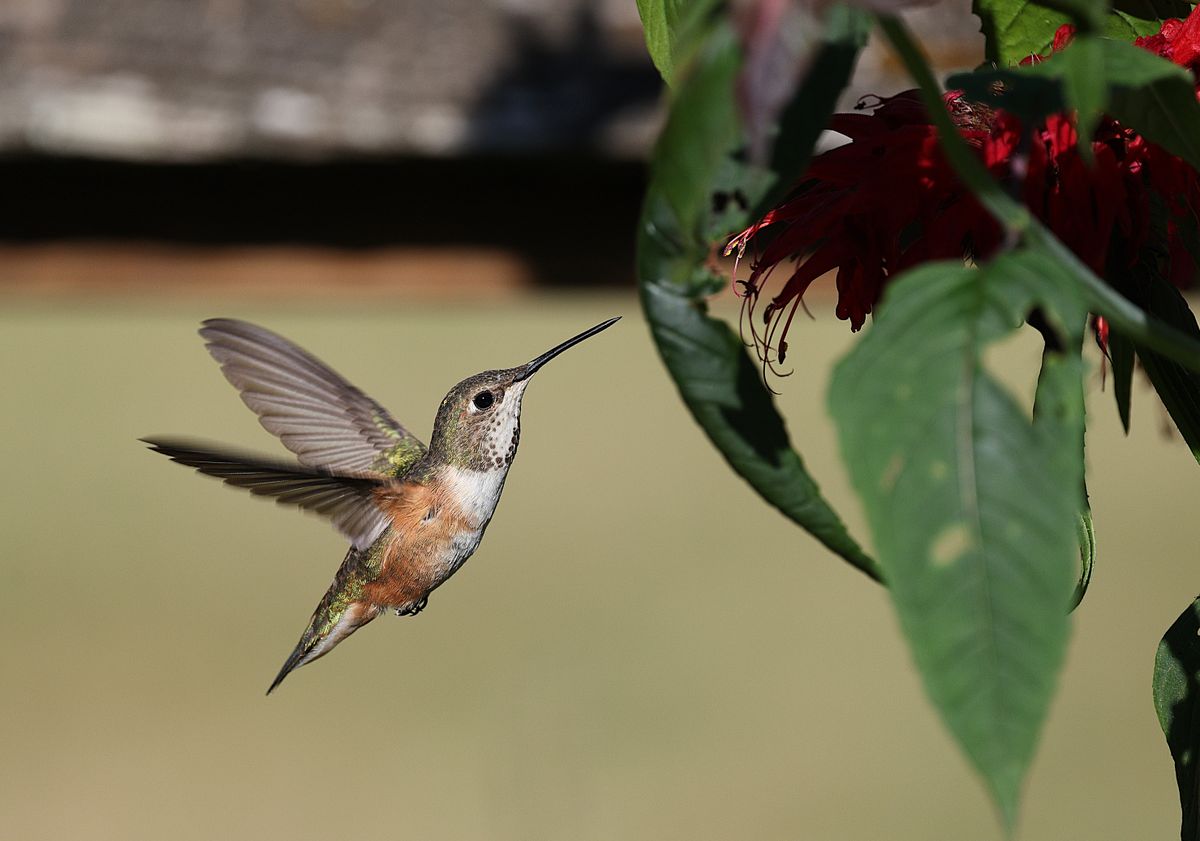
Photo by Veronika Andrews on Pexels
Avoid these frequent summer maintenance pitfalls to ensure your backyard stays a safe, healthy sanctuary for visiting wildlife.
Summer Care Timeline: From Morning Sun to Dusk Glow
- 06:00 AM — Dawn Feeding Peak — Hummingbirds arrive for high-energy morning fuel. Solar top panel begins collecting daylight rays as sun breaks horizon.
- 11:30 AM — Shade Shift & Solar Charge — Tree canopy shadow moves over glass reservoir to prevent overheating, while ambient skylight keeps solar battery charging.
- 02:00 PM — Peak Afternoon Heatwave — Chilled vacuum seal keeps 32 oz glass bottle drip-free despite 90°F heat. Metal base ports remain cool to the touch in shade.
- 07:30 PM — Evening Dusk Feeding — Hummers return for final caloric tank-up before roosting. Solar sensor detects dropping ambient light levels.
- 08:15 PM — Automated RGB LED Activation — Waterproof solar cap activates multi-color RGB lights, transforming hand-blown glass curves into glowing garden artwork for up to 8 hours.
Explore Related Backyard Sanctuary Guides
Expand your garden knowledge with these foundational guides on artisan glass care, pest deterrence, and wildlife sanctuary design:
- Artisan Glass Feeder Care Guidelines: Learn how hand-blown glass art is created at 2,300°F and how to care for handcrafted garden art.
- Troubleshooting Nectar Leaks and Solar Lights: A complete technical guide to base gasket seals, battery life, and weather protection.
- Maximizing Solar Battery Nighttime Illumination: Tips on solar cap placement, sensor cleaning, and lithium battery longevity.
Frequently Asked Questions About Summer Feeder Care
Does the solar LED light generate extra heat that speeds up nectar fermentation at night?
No. Modern micro-LED solar modules emit negligible heat and are completely isolated inside the top waterproof plastic cap above the reservoir neck, having zero thermal impact on nectar temperature.
How can I safely clean stubborn black mold from narrow hand-blown glass necks without harsh chemicals?
Pour 2 tablespoons of uncooked white rice, 1/4 cup of white vinegar, and 1/2 cup of warm water into the glass reservoir. Cover the opening and shake vigorously for 60 seconds. The soft rice grains act as a gentle mechanical scrubber that lifts mold from tight glass curves without scratching.
Should I adjust the sugar-to-water ratio during extreme summer heatwaves?
No. Maintain strictly a 1:4 ratio (1 part plain white sugar to 4 parts water). Increasing sugar concentration causes kidney dehydration in hot weather, while weakening the mixture deprives hummers of essential calories required for high-speed flight.
How do weather baffles protect solar glass caps from UV degradation and summer hailstorms?
Clear polycarbonate weather baffles act as an overhead umbrella, shielding top-mounted solar caps from direct UV breakdown and impact damage during violent summer thunderstorms while letting ambient sunlight pass through for charging.
Answers to common questions about solar heat, glass cleaning, and nectar safety.
Hand-Blown Glass Feeders Built for Hot Summers
Bring exquisite craftsmanship and automated evening light to your bird sanctuary with our featured solar glass feeder.
Your Complete Summer Care Summary
Your decision: Choose artisan glass durability and automated solar lighting for your summer garden.
Do this next: Flush your feeder today, mix a fresh batch of 1:4 sugar water, chill it in the fridge, and perform a full cold-inversion seal over your garden hook.
- Read next: Hot Weather Nectar Ratios: How to Keep Hummingbird Food Fresh in Summer
- Read next: Troubleshooting Nectar Leaks and Solar Lights on Handcrafted Feeders
Order the LUJII Solar-Powered Hummingbird Feeder today at solarhummingbirdfeeder.com to combine handcrafted glass beauty with leak-resistant summer engineering.
Ready to turn your backyard into a cool, leak-free haven for summer hummingbirds? Follow our cold-fill routine, keep your solar top clean, and enjoy vibrant colors by day and enchanting RGB illumination by night.
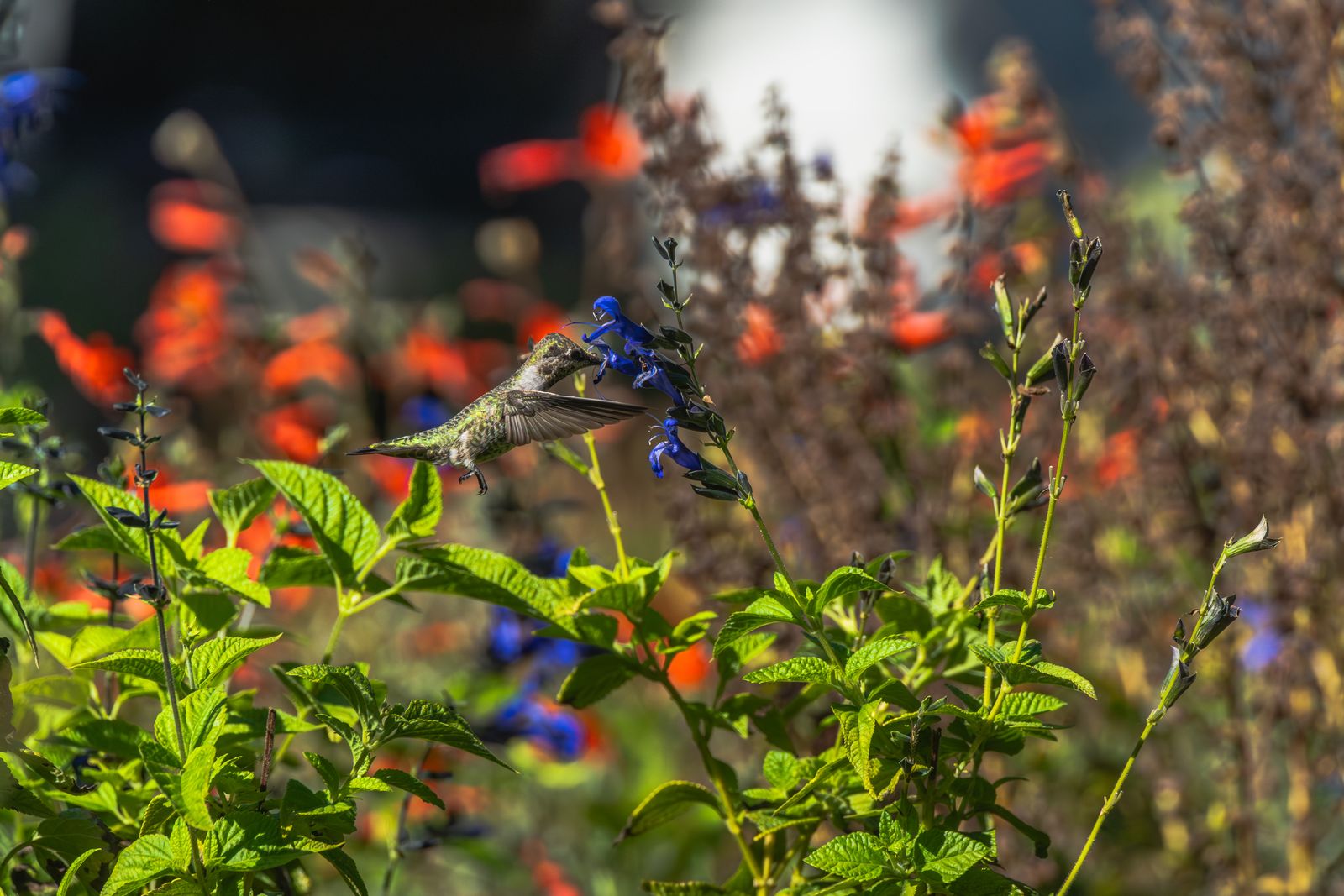
Cover photo by Robert So on Pexels.