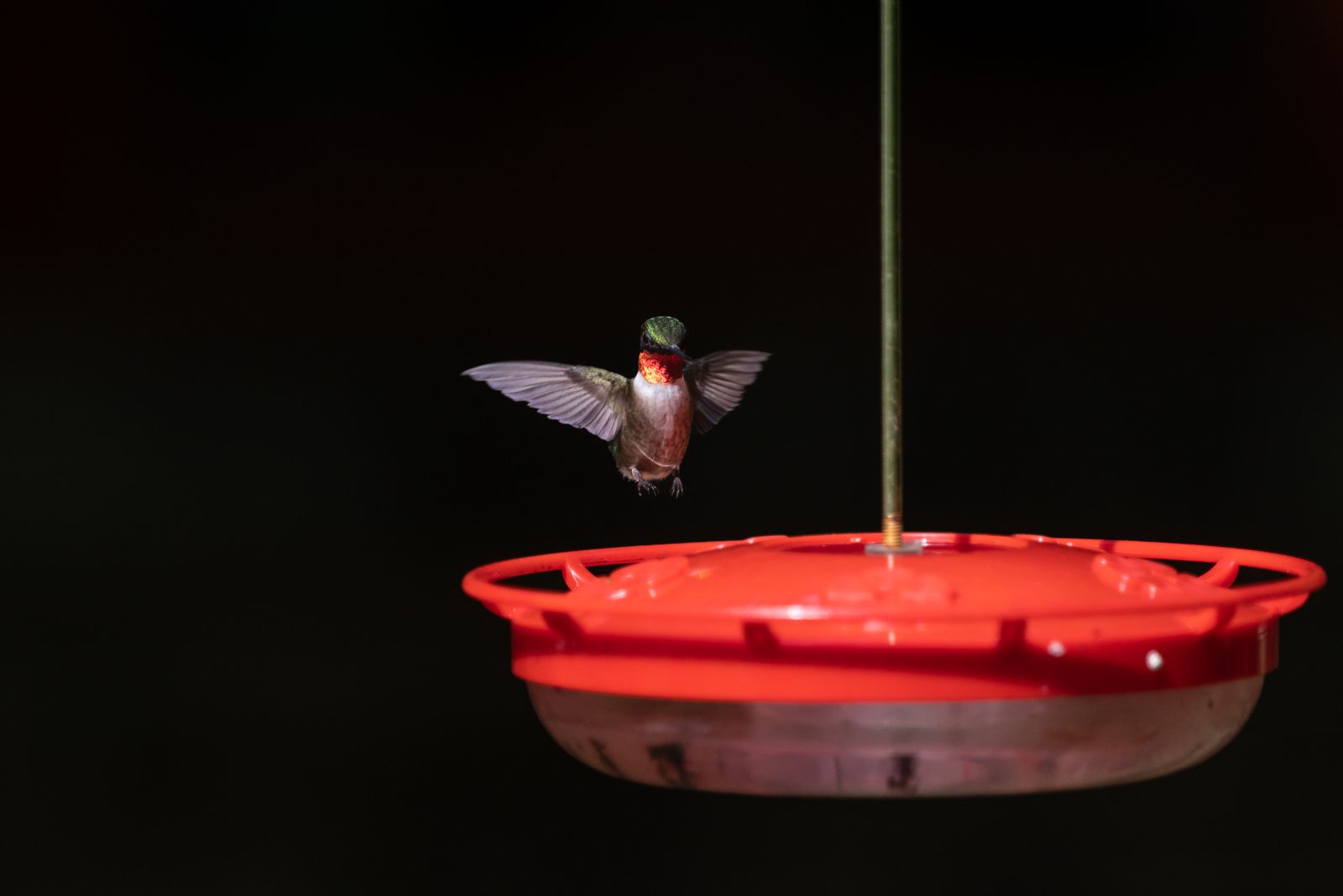
How to Create a Hummingbird Sanctuary: Feeder, Water & Plant Blueprint
Can you design a high-visit hummingbird sanctuary without disturbing avian roosting or causing feeder fights? Yes: pair native tubular nectar blooms with moving water misters, maintain 15-to-20-foot feeder separation behind visual foliage barriers, and position hand-blown solar glass feeders in sun-lit daytime zones that shift into gentle twilight garden accents.
Sanctuary Spatial & Environmental Specifications
| Parameter | Ideal Range / Spec | Avian Design Purpose | Failure Mode if Out of Spec |
| --- | --- | --- | --- |
| Feeder Separation Distance | 15–20 feet | Breaks line of sight between stations to suppress dominant male territorial aggression. | Single bully bird hoards multiple stations; subordinate birds flee. |
| Foliage Cover Proximity | 10–15 feet | Provides quick escape perches from hawks and resting spots between high-energy feedings. | Birds experience predatory stress and abandon open, exposed feeding zones. |
| Water Feature Mechanics | Ultra-fine mist or leaf drip | Enables feather cleaning for 3-gram birds unable to submerge in deep water. | Standing water poses drowning risks and becomes a mosquito breeding vector. |
| Feeder Mounting Height | 5–6 feet off ground | Keeps feeding ports above cat jumping height while allowing effortless human refilling. | Ground predators ambush feeding birds; low placement increases insect crawling. |
| Solar Panel Exposure | 6+ hours direct sunlight | Fully recharges top solar cap battery to power 8 hours of evening RGB LED illumination. | Weak or non-existent nighttime glow; uncharged battery limits ambient garden decor. |
| Night Light Output | Downward soft glow (<15 lm) | Provides whimsical garden accent lighting without casting light into upper roosting trees. | Upward bright spotlights interrupt deep avian nocturnal torpor sleep cycles. |
To transform a standard backyard into an avian retreat, precise physical dimensions and environmental thresholds must be met. The matrix below outlines the critical parameters required for optimal bird safety, territory management, and feeder longevity.
Visual Layout: The 3D Sanctuary Zone Architecture
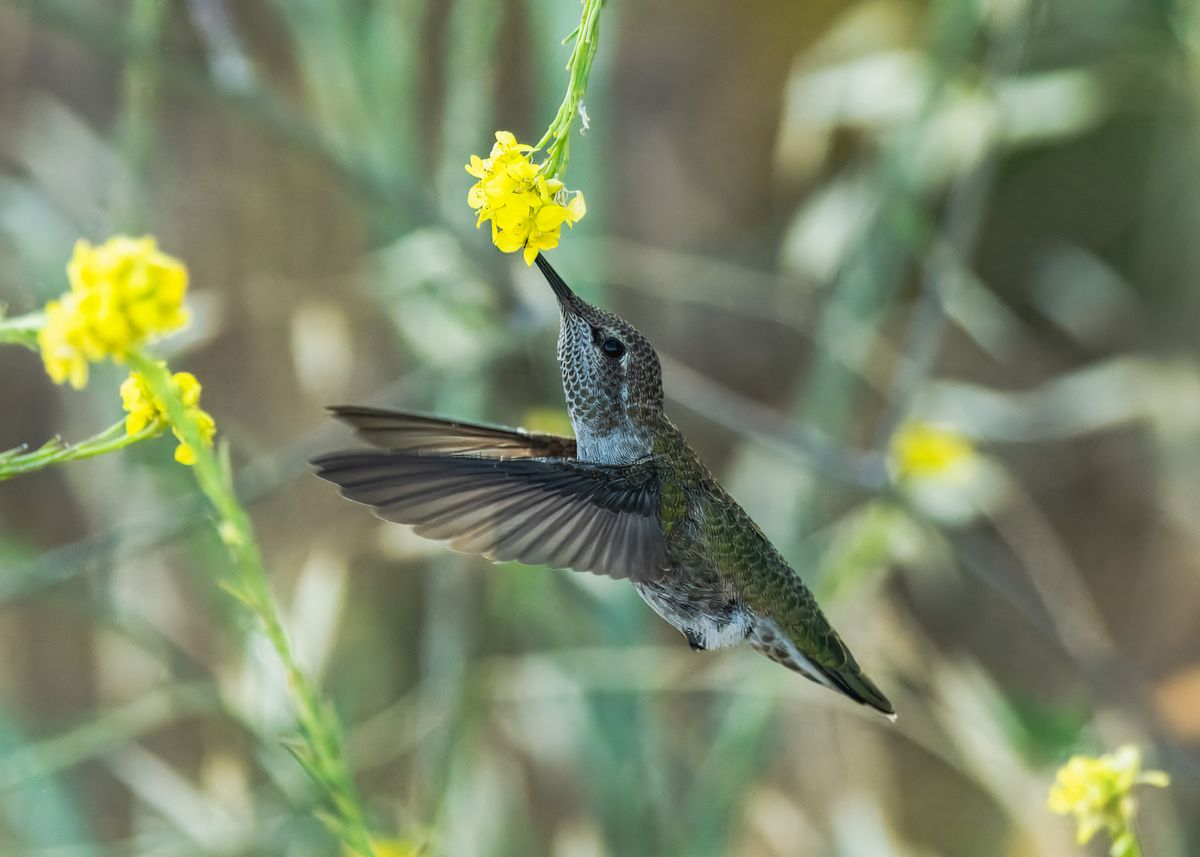
A successful sanctuary operates across three vertical dimension layers: high canopy perches, mid-story nectar/feeder zones, and low shelter shrubs anchored by moving water features.
Site Assessment & Installation Checklist
- [ ] Position main feeders at least 15-20 feet apart with visual obstruction between them.
- [ ] Ensure solar cap receives 6+ hours of direct sunlight daily for nighttime battery charge.
- [ ] Place feeder near protective cover (trees/bushes) within 10-15 feet for quick escape routes.
- [ ] Install a moving water mister or fountain dripper near leaf surfaces for feather bathing.
- [ ] Verify all metal bases feature anti-rust weather protective coatings.
- [ ] Mount feeders at a minimum height of 5 feet to keep safe from ground predators.
Seasonal Bloom & Feeder Synergy Matrix
Hummingbirds require continuous caloric intake from early spring migration through late autumn departure. Supplementing native plantings with handcrafted glass feeders ensures zero gaps in nectar availability.
Pro Tip: Decoy Positioning to Stop Bully Hummingbirds
Hummingbirds—especially aggressive species like the Rufous or Ruby-throated—are fiercely territorial. A single male will perch on a high twig and claim every feeder within his direct line of sight.
To break this monopoly, never hang two feeders on the same pole or within 10 feet of each other. Instead, set up 'decoy zones' around the corner of a house, behind a garden trellis, or on opposite sides of a dense lilac bush. When a dominant male cannot physically see the second feeding station from his perching twig, subordinate males and females can sip peacefully without getting chased away.
Frequently Asked Questions About Sanctuary Planning
Answers to critical questions on avian sleep patterns, spatial separation, water preference mechanics, and glass feeder maintenance.
Execution Roadmap: Phase 1 Action Steps
Your decision: Determine your garden layout footprint and map out 2 to 3 feeder zones separated by tall foliage or garden structures.
Do this next: Select a leak-proof hand-blown solar glass feeder as your central focal point in a sunny area that receives direct daylight for evening illumination.
- Read next: Hot Weather Nectar Ratios: How to Keep Hummingbird Food Fresh in Summer
- Read next: Styling Your Evening Garden with Artisan Solar Lighting
LUJII Hand-Blown Solar RGB Glass Hummingbird Feeder (32 fl oz capacity)
Begin building your sanctuary by establishing your primary feeder anchors and mapping sightlines.
Key Sanctuary Principles at a Glance
Keep these fundamental guidelines in mind when arranging your garden elements:
Design Decision Framework: Single Feeder vs. Multi-Zone System
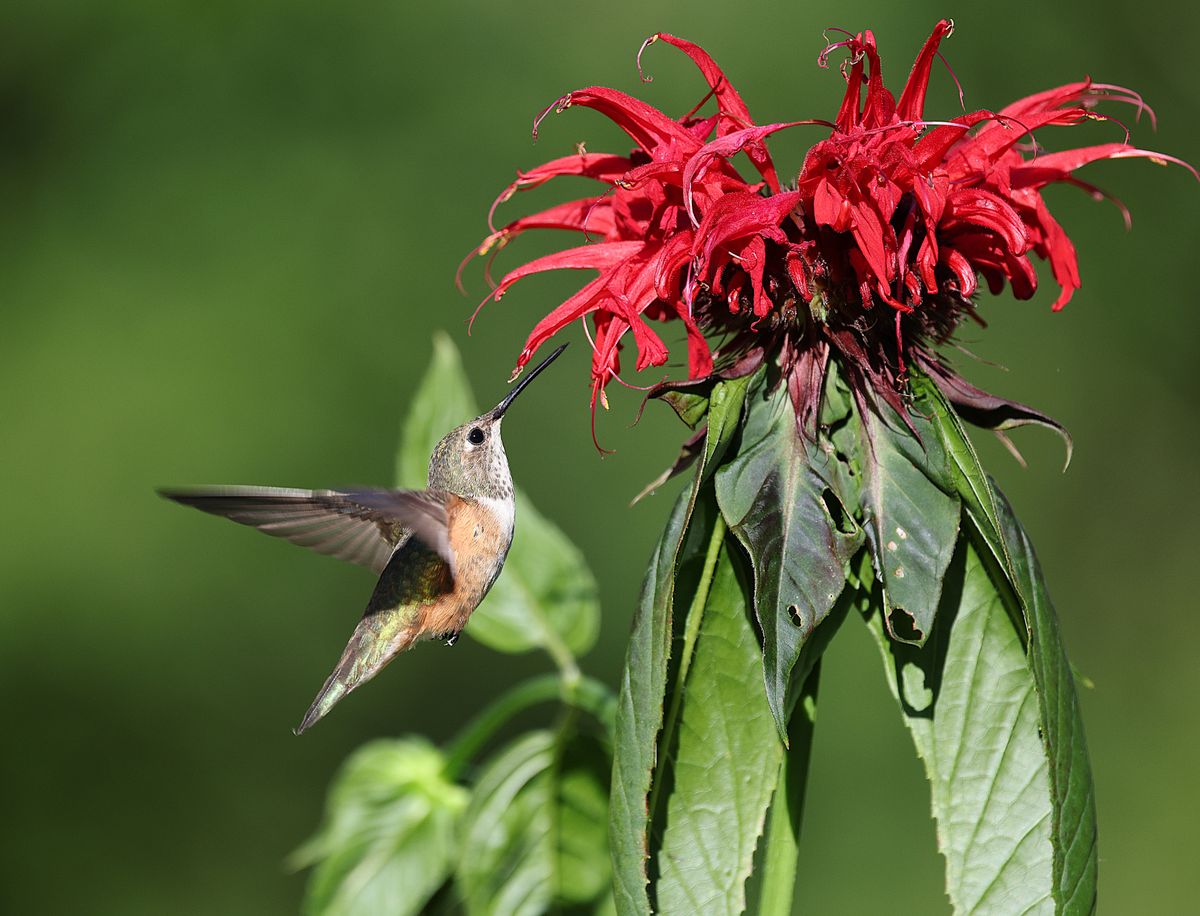
Photo by Veronika Andrews on Pexels
Choose between a compact patio sanctuary or a multi-zone yard blueprint depending on territorial bird pressure and physical space.
Best choice for
- Dual-Zone Visual Split Layout — Uses vertical wall planters and a 15-foot visual barrier around a patio corner to prevent aggression in tight spaces.
- 3-Tier Micro-Ecosystem Blueprint — Combines high-nectar native trees, continuous water misters, and spaced hand-blown solar feeders for high bird capacity.
- Placing solar feeders directly inside dense shade where solar panels cannot charge.
- Hanging feeders within 5 feet of cat-accessible fence tops or low shrubbery ambush points.
- Standard non-illuminated glass feeders — Suitable if night garden decor is not desired, though lacks dusk ambient lighting functionality.
A true backyard sanctuary delights both its avian visitors by day and its human caretakers at dusk. While native blooms like Salvia, Bee Balm, and Trumpet Vine provide essential natural foraging, introducing an artisan focal point elevates your garden into an outdoor living retreat.
The Craft of Hand-Blown Glass
Unlike mass-produced, clear plastic feeders that cloud and yellow under intense UV radiation, hand-blown glass feeders serve as living art. Skilled artisans shape each reservoir at temperatures exceeding 2,300°F, infusing vibrant, translucent colors directly into the molten glass. This generations-old craft ensures that no two pieces are identical. The colorful, see-through glass allows homeowners to check nectar levels at a glance without disturbing the setup.Solving the Heat & Leakage Problem
A common frustration with cheaper feeders is nectar leakage during hot summer afternoons. As ambient temperatures rise, air inside the reservoir expands, forcing liquid out through the ports. High-quality designs solve this through engineering:- 32 fl. oz Capacity with Slender Curves: Minimizes internal air volume fluctuations.
- Sealed Rubber Gasket Base: Creates an airtight hydraulic vacuum seal.
- Protective Solar Shield Cap: The top plastic solar housing acts as an umbrella, shielding the glass neck from intense overhead sun and rain while capturing solar rays.
- Anti-Rust Coated Metal Base: Heavy-duty metal perches coated in weather-resistant enamel withstand moisture and multiple seasons of bird claw activity.
Twilight Illumination Without Wildlife Disruption
When the sun dips below the horizon and hummingbirds retreat to high branches for nocturnal torpor, the feeder transitions into a whimsical solar luminary. The integrated top solar panel recharges automatically during the day. At dusk, it activates internal RGB lights, casting a soothing, ambient spectrum across hand-blown glass swirls for up to 8 hours. Because this accent light is soft, self-contained, and directed downward around pathway foliage, it adds a magical touch to evening bird-watching routines without throwing light pollution into high roosting canopies.Comparing Feeder & Water Attraction System Components
| Evaluation Criteria | Hand-Blown Solar Glass Feeder | Standard Plastic Feeder | Static Deep Bird Bath | Solar Water Mister / Bubbler |
| --- | --- | --- | --- | --- |
| Primary Failure Mode | Thermal expansion drip if unshaded in 95°F+ | UV cracking, warping, and thread stripping within 1 season | Mosquito larvae breeding & avian drowning hazard | Pump filter clogging if water is uncleaned |
| High-Temp Nectar Protection | Thick glass insulates; solar cap shields direct overhead sunlight | Thin plastic heats rapidly, boiling sugar water and attracting wasps | N/A (Water feature) | Active evaporation keeps leaf-bathing water cool |
| Aesthetics & Evening Value | Handcrafted 2,300°F art glass with 8-hr RGB twilight illumination | Utilitarian, translucent plastic with zero night visual appeal | Basic stone/concrete bowl; can look weathered | Dynamic water movement creates relaxing outdoor acoustics |
| Durability & Weather Coating | Powder-coated anti-rust metal base; heavy-duty hand-shaped glass | Flimsy plastic perches break under squirrel or larger bird weight | Susceptible to winter freeze cracking | Weatherproof solar pump casing for seasonal outdoor use |
| Avian Engagement Rate | Extremely High: vibrant glass color pulls birds from far distances | Moderate: prone to wasp/ant takeover due to leaky seams | Zero to Low: hummingbirds actively avoid deep standing water | Extremely High: essential for leaf bathing and feather grooming |
Evaluating sanctuary hardware requires looking past surface appearance to structural failure modes, weather durability, and avian safety.
Top 5 Failure Modes in Hummingbird Sanctuary Design
Avoid these common design blunders that drive away hummingbirds or harm feeder performance:
Further Reading & Sanctuary Guides
Expand your knowledge on backyard birding habitat design with these complementary guides:
- Hot Weather Nectar Ratios: How to prevent sugar fermentation during peak summer heat waves.
- Ant-Proofing Your Garden: Natural visual and physical barriers to keep crawling insects away from sugar ports.
- Hand-Blown Glass Care & Cleaning: Step-by-step instructions for preserving artisan glass colors and non-rust bases.
Recommended Sanctuary Anchor Hardware
Anchor your hummingbird sanctuary with a handcrafted solar centerpiece built for durability, bird safety, and twilight elegance.
Execution Roadmap & Final Blueprint Actions
Your decision: Determine your garden layout footprint and map out 2 to 3 feeder zones separated by tall foliage or garden structures.
Do this next: Select a leak-proof hand-blown solar glass feeder as your central focal point in a sunny area that receives direct daylight for evening illumination.
- Read next: How to keep hummingbird nectar fresh during summer hot spells
- Read next: Styling your evening garden with artisan solar lighting
LUJII Hand-Blown Solar RGB Glass Hummingbird Feeder (32 fl oz capacity)
Ready to turn your garden into an inviting refuge? Follow these final steps to bring your sanctuary to life.
Cover photo by Chris F on Pexels.