Summer Hummingbird Nectar Safety: Sun Exposure, Spoilage Timelines, and Shading Hacks
The 2-Hour Direct Sun Rule: At ambient temperatures above 85°F, hummingbird nectar exposed to direct sunlight begins fermenting within 2 hours, turns cloudy within 24 hours, and develops deadly black fungal mold within 36 hours. Position glass feeders where they catch morning sun for solar charging but remain in complete shade from 11 AM to 4 PM. Replace nectar every 24 to 48 hours whenever outdoor temperatures exceed 80°F.
6 Essential Summer Nectar Safety Rules at a Glance
- 85°F Danger Threshold: Nectar ferments 4x faster when ambient temperatures cross 85°F in direct sunlight.
- 24-Hour Max Life in Heat: Replace sugar water every 24 hours when outdoor highs reach 80°F to 90°F, and twice daily above 95°F.
- Strict 4:1 Ratio: Maintain 4 parts water to 1 part pure white cane sugar; never add extra sugar during heatwaves as higher sugar concentrations accelerate fermentation and dehydrate birds.
- Cool RGB Lighting: Solar-powered LED lights emit zero infrared heat, allowing night illumination without raising nectar temperature or accelerating spoilage.
- 32 oz Fill Management: Fill artisan 32 fl.oz glass feeders to only 25%–50% capacity during extreme heatwaves to minimize nectar waste while keeping syrup fresh.
- 0% Red Dye: Never use red food dyes or artificial additives, which concentrate under solar UV exposure and cause severe kidney damage in hummingbirds.
Nectar Spoilage Timeline: What Happens Hour-by-Hour in the Sun
- Hour 0 - 2 (Direct Sunlight at 85°F+) — Syrup temperature rises rapidly above ambient air temperature. Naturally occurring atmospheric yeast spores land in feeding ports and initiate anaerobic sugar breakdown.
- Hour 2 - 12 (Fermentation Phase) — Yeast multiplies exponentially, converting natural sucrose into ethanol alcohol and acetic acid. While syrup still looks clear, birds may reject it due to off-putting alcohol fumes.
- Hour 12 - 24 (Microbial Bloom) — Bacterial colonies expand, creating a cloudy film on glass walls. Ingesting fermented nectar at this stage causes tongue swelling (candidiasis) and GI distress in hummingbirds.
- Hour 24 - 36 (Fungal Colonization) — Black mold (Cladosporium) sprouts inside port crevices and base threads. Spores transmitted to bird beaks can prove fatal to nesting adults and chicks.
Temperature-Based Nectar Replacement Schedule
- Under 70°F (Mild Spring / Autumn) — Change nectar every 5 to 7 days. Full 32 oz reservoir fills are safe. Inspect ports during weekly cleanings.
- 70°F to 80°F (Warm Summer Days) — Change nectar every 3 days. Wash feeder base with warm water and vinegar solution at every refill.
- 81°F to 88°F (Hot Summer Heat) — Change nectar every 2 days (48 hours). Fill reservoir to 50% capacity (16 oz) to avoid syrup waste.
- 89°F to 95°F (Peak Heatwaves) — Change nectar every 24 hours in the late afternoon. Fill reservoir to 25% capacity (8 oz). Ensure 100% afternoon shade.
- Over 95°F (Extreme Desert / Southern Heat) — Change nectar twice daily or every 12 hours. Rinse ports with cool water at noon and re-hang in deep shade.
Artisan Glass & Solar Thermal Placement Hacks
Hand-blown glass feeders—crafted by shaping molten glass at 2,300°F—possess high thermal mass. While non-porous glass is vastly superior to plastic because it never leaches chemicals under intense UV rays, its physical density means it holds ambient heat longer once warmed up.
To optimize a handcrafted solar glass feeder, hang it on an eastern exposure (such as an east-facing porch beam or tree limb). This placement exposes the top waterproof plastic solar cap to 4 hours of gentle morning sunlight (6 AM to 10 AM)—fully charging the solar battery for up to 8 hours of ambient evening RGB light—before shade from house walls or foliage shields the glass reservoir during peak afternoon heat (11 AM to 4 PM).
5 Critical Summer Feeding Mistakes That Harm Hummingbirds
Avoid these common mistakes that lead to spoiled syrup, fungal outbreaks, and bird desertion:
Seasonal Summer Shading & Sun Migration Calendar
| Month | Sun Angle & Behavior | Solar Charging Strategy | Ideal Shade Placement |
| --- | --- | --- | --- |
| June (Solstice) | Highest solar noon arc; intense overhead UV radiation. | Top solar cap receives maximum direct vertical sunlight. | Hang deep under north or east porch eaves, or beneath dense deciduous tree canopies. |
| July (Peak Heat) | Sustained high ambient daytime temperatures (88°F–100°F+). | Morning sun from 6 AM–9 AM provides full 8-hour nighttime battery charge. | Relocate feeders to 100% afternoon shade zones; reduce syrup fill to 8–12 oz. |
| August (Late Summer) | Lower solar angle creates longer afternoon sun shadows. | Ensure foliage growth hasn't blocked morning sun path to the solar panel cap. | Shift hanger 2–3 feet east to dodge low western sun shafts cutting beneath tree branches. |
| September (Migration) | Cooler nights, warm days; high feeding demand from migrating hummers. | Shorter daylight hours require unshaded morning exposure for full battery top-off. | Return fill capacity to 24–32 oz as hummers double body weight for migration flights. |
As the sun's path shifts across the summer sky, adjust your solar feeder placement to maintain morning solar charging while safeguarding afternoon nectar freshness:
Hand-Blown Glass Solar Feeders for Shaded Summer Displays
Enhance your summer garden with artisan handcrafted glass feeders designed for durability, easy cleaning, and magical night ambiance. Keep your garden humming all summer long! Explore LUJII's handcrafted solar hummingbird feeders, designed with see-through glass for easy nectar monitoring and beautiful ambient garden light.
Key features for high-heat summer performance:
- 2,300°F Hand-Blown Glass: Vibrant, translucent colors allow instant visual inspection of nectar clarity from across the yard.
- 32 fl.oz Slender Sealed Base: Leak-proof metal base with anti-rust coating prevents sticky drips that attract yellowjackets and ants.
- Solar Waterproof Top Cap: Weather-sealed solar panel charges in morning sun to illuminate cool RGB LEDs at dusk for up to 8 hours without warming syrup.
Regional Heatwave Strategies: Deep South vs. Arid West
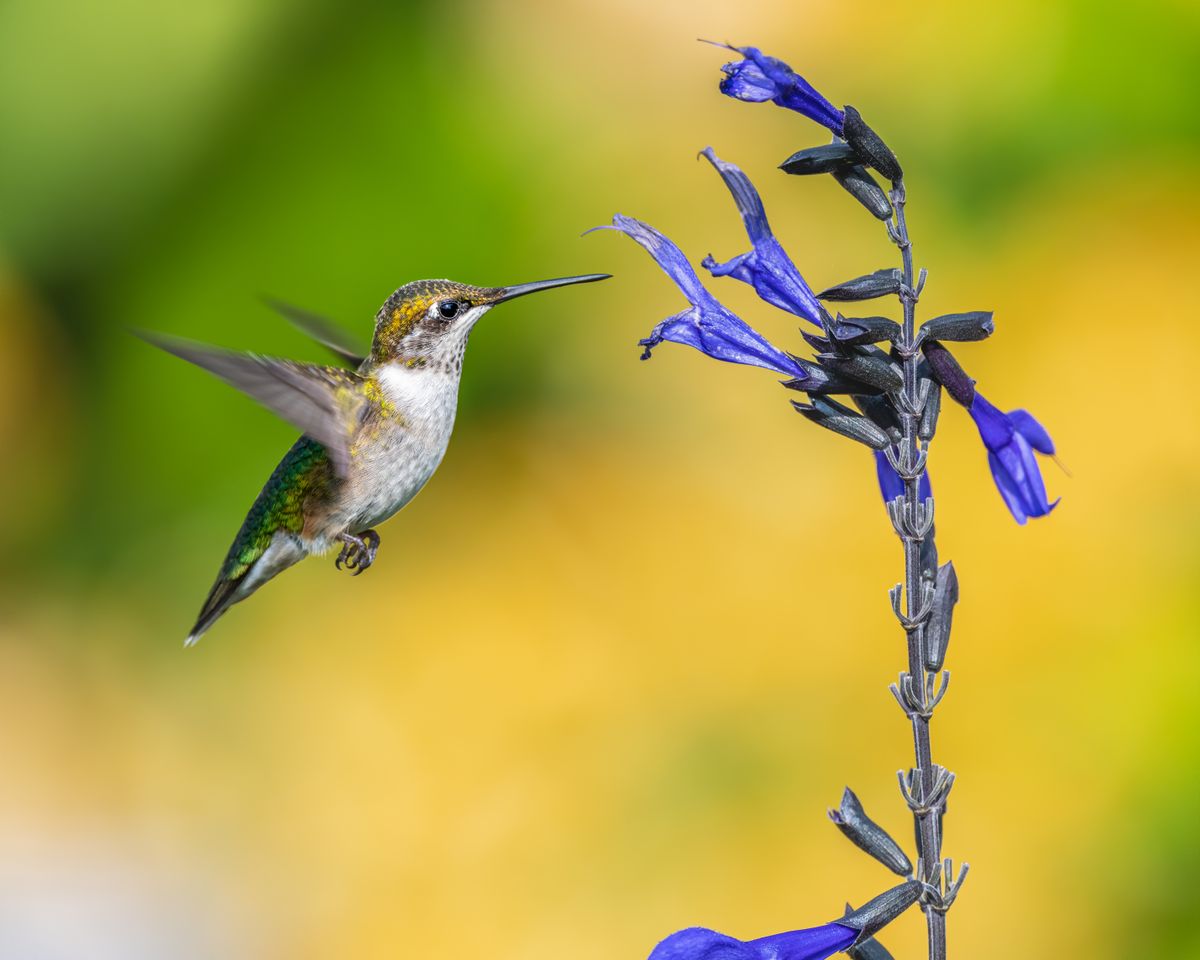
Photo by Skyler Ewing on Pexels
Hummingbird enthusiasts face distinct environmental challenges depending on geographical humidity and temperature patterns:
Daily & Weekly Summer Feeder Inspection Checklist
- [ ] Check Nectar Clarity: Is the sugar water 100% crystal clear with zero cloudiness, haze, or floating debris?
- [ ] Touch Glass Reservoir: Does the hand-blown glass feel cool or lukewarm to the touch? (If warm, move immediately to deeper shade).
- [ ] Inspect Feeding Ports: Are metal or silicone feeding ports free from black specks, mold rings, or dried sugar buildup?
- [ ] Verify Solar Panel: Is the top plastic solar cap free of bird droppings and tree sap so it can charge fully?
- [ ] Monitor Syrup Level: Are you filling only the volume your local hummer population consumes in 24 to 48 hours?
- [ ] Check Leak Seal: Is the anti-rust metal base fully tightened and hanging level to prevent sugar drips?
Frequently Asked Questions: Summer Nectar & Sun Safety
How long can hummingbird nectar stay in the sun?
Direct sunlight should not exceed 2 hours when ambient temperatures are over 80°F. In full shade, nectar lasts 2 to 3 days at 80°F, but only 24 hours above 90°F.
Does nighttime solar LED light warm up the nectar?
No. Modern solar RGB LEDs produce cool light without infrared heat, meaning night illumination has zero effect on nectar fermentation or thermal buildup.
How do I clear black mold out of small hummingbird feeder ports?
Soak the disassembled metal and glass base in a 1:10 white vinegar to water solution for 15 minutes, using a tiny micro-bottle brush to scrub inside feeding ports.
Should I change the sugar-to-water ratio during extreme summer heatwaves?
Stick strictly to the safe 4:1 water-to-sugar ratio. Never add extra sugar in heat waves, as sweeter syrup ferments faster and can cause severe dehydration.
Are hand-blown glass feeders better or worse for heat than plastic feeders?
Hand-blown glass is non-porous and does not leach chemicals under UV light like cheap plastic, but its mass retains heat longer. Place glass feeders in partial shade for optimal thermal stability.
Get fast answers to common questions about sun exposure, solar light heat, and summer maintenance:
Your Action Plan for High-Heat Nectar Safety
Your decision: Determine your garden's morning-sun / afternoon-shade zones and calibrate your nectar replacement schedule to today's local temperature forecast.
Do this next: Relocate artisan glass solar feeders to receive gentle morning sun (6 AM - 10 AM) for battery charging, while ensuring 100% canopy or eave shade during peak 11 AM - 4 PM heat.
- Read next: Hot Weather Nectar Ratios: How to Keep Hummingbird Food Fresh in Summer
- Read next: Twilight Nectar Care FAQ: Does Nighttime Solar Light Affect Nectar Freshness?
LUJII Hand-Blown Glass Solar Hummingbird Feeder (32 oz capacity with leak-proof metal base and cool RGB solar illumination).
Take these immediate steps to ensure your backyard hummers stay healthy and well-fed throughout the hot summer months:
More Essential Guides for Hummingbird Care
Internal links to related cluster and pillar articles.
Cover photo by Chris F on Pexels.