Hummingbird Nectar Safety FAQ: Spoilage, Mold, and Feeder Hygiene Answered
Many backyard birders assume homemade sugar water remains safe for up to a week outdoors. In reality, nectar ferments into toxic alcohol and fungal broth within 24 to 48 hours at temperatures above 80°F. Change nectar every 2 days in moderate heat, daily when temperatures breach 90°F, and flush feeders weekly with hot water and white vinegar to protect wild hummingbirds from fatal fungal infections.
Feeder Safety & Material Selection Guide
Nectar safety depends on matching your sanitation routine to local heat levels and choosing non-porous materials like artisan hand-blown glass over micro-scratched plastic.
Best choice for
- 32 oz Hand-Blown Glass Feeder with Daily Partial Fills — Non-porous glass fired at 2,300°F resists microscopic surface scratches where yeast and bacteria hide. Partial fills prevent wasting unused nectar during daily cleans.
- Full-Capacity 32 oz Glass Reservoir Refreshed Every 3-4 Days — Cooler ambient temperatures suppress yeast expansion, allowing longer hanging intervals without risk of rapid fermentation.
- Using harsh industrial bleach solutions or synthetic dish soaps on hand-blown glass with metallic anti-rust bases.
- Hanging feeders in direct afternoon sunlight without shade when daytime highs exceed 90°F.
- 1:4 White Vinegar & Hot Water Soak — Safe, organic disinfectant that strips bacterial biofilm and black mold without leaving dangerous chemical fragrances behind.
Recommended Solution: Artisan Hand-Blown Solar Glass Feeder
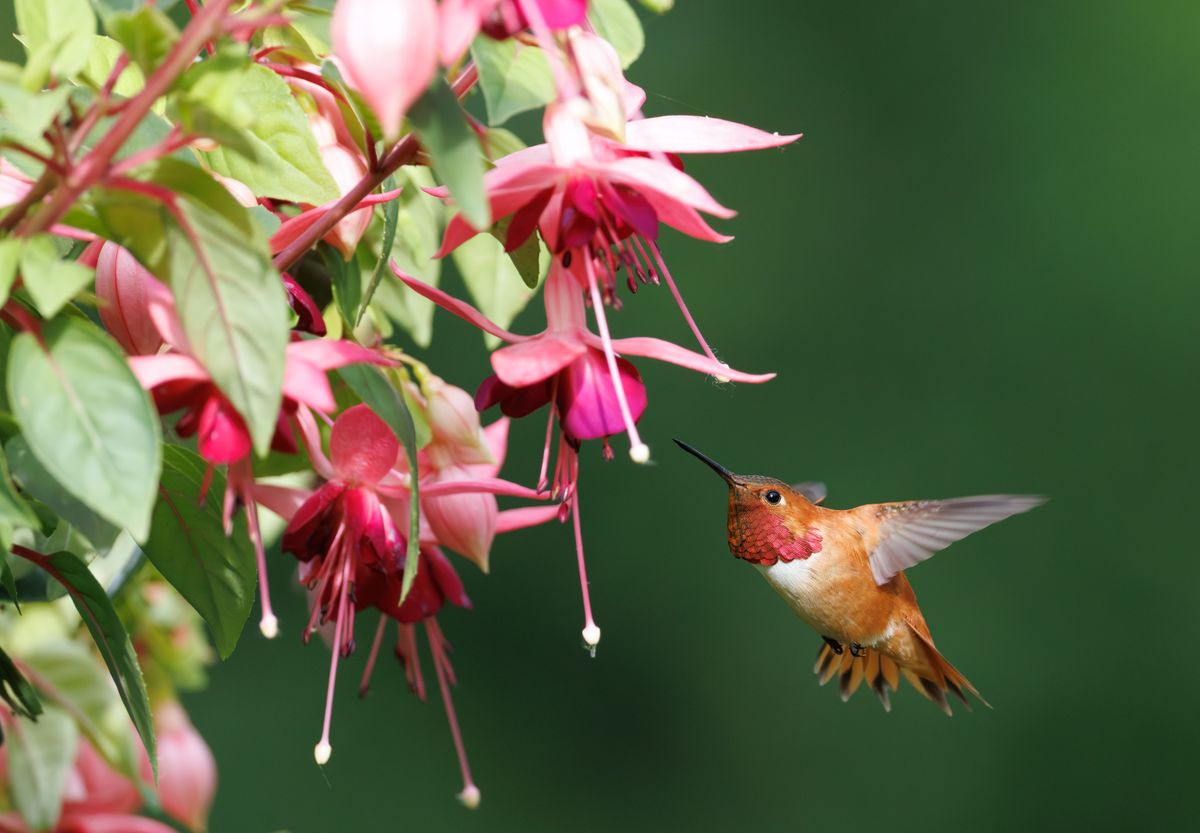
Photo by Veronika Andrews on Pexels
For bird lovers seeking a balance between high hygiene standards and breathtaking yard aesthetic, the LUJII Solar-Powered Hummingbird Feeder offers an optimal design.
- 2,300°F Hand-Blown Glass: Handcrafted by glass artists, the thick, non-porous glass reservoir prevents bacterial absorption and allows effortless visual monitoring of nectar levels.
- 32 fl. oz Capacity & Leak-Proof Base: Slender silhouette with a precision-sealed anti-rust metal base minimizes nectar leaks, preventing bee and wasp invasions.
- Solar-Powered RGB LED Cap: Automatically illuminates your garden at dusk for up to 8 hours. The low-voltage LED produces zero radiant thermal energy, keeping liquid cool through the evening.
- Weatherproof & Rust-Resistant: The protective top shield protects the nectar from rain diluting the 4:1 ratio while protecting solar electronics.
Avian Vet Insight: Preventing Avian Candidiasis
Avian candidiasis is a severe fungal infection caused by Candida albicans, a yeast species that thrives when sugar water ferments in warm weather. When hummingbirds drink spoiled nectar, the yeast infects their mouth cavity and tongue, causing severe swelling that prevents them from retracting their tongue or swallowing. Tragically, affected birds starve to death even when standing at a full feeder. Regular replacement of sugar water—before it turns cloudy or smells like alcohol—is the single most vital action you can take to safeguard wild hummingbird populations.
Nectar Refresh & Sanitation Schedule by Outdoor Temperature
- Under 70°F (Cool Spring / Fall) — Replace nectar every 4 to 5 days. Rinse reservoir and flower ports with hot water during every refilling cycle.
- 70°F to 79°F (Mild Summer) — Replace nectar every 3 days. Clean feeding ports with a soft brush to prevent early yeast buildup.
- 80°F to 88°F (Warm Summer) — Replace nectar every 2 days. Perform a 15-minute soak in a 1:4 hot water and white vinegar solution.
- 89°F and Above (Extreme Heatwaves) — Replace nectar every 24 hours. Fill reservoir only half-full to minimize sugar waste during mandatory daily cleans.
Nectar Spoilage & Feeder Mold Troubleshooting Matrix
| Scenario / Visual Cue | Root Cause | Immediate Action | Long-Term Prevention |
| --- | --- | --- | --- |
| Nectar appears milky or cloudy with floating white threads. | Advanced bacterial and yeast fermentation. | Discard nectar immediately. Scrub glass reservoir with hot water and bottle brush. | Shorten refill intervals by 24–48 hours during warm weather. |
| Black specks or velvet spots around feeding ports or silicone gaskets. | Black mold (Cladosporium) spore growth feeding on sugar residue. | Dismantle base completely. Soak metal and glass parts in 1:4 vinegar solution and scrub ports with small pipe cleaner. | Ensure complete disassembly during weekly sanitization cycles. |
| Feeder emits a beer-like or vinegary odor upon opening. | Sugar fermentation producing alcohol and acetic acid. | Dump contents and thoroughly wash base with hot water. | Move feeder to a location receiving afternoon shade. |
| Ants or wasps swarming perches and floating in nectar. | Nectar leaks or sweet syrup droplets dried on outer surfaces. | Wipe outer glass clean. Ensure bottom seal is tightened correctly. Install an ant moat above feeder. | Avoid overfilling past the 32 oz thread line. |
Identify visual cues, smell indicators, and physical contamination issues before they harm your garden visitors.
Core Nectar Safety Rules at a Glance
- Strict 4:1 Ratio: Mix 4 parts clean water to 1 part pure white granulated cane sugar. Never use honey, brown sugar, raw sugar, or artificial sweeteners.
- Zero Red Dye: Avoid commercial red dyes and food colorings; non-porous colored glass provides all the visual attraction needed without risking avian liver toxicity.
- Temperature Rules: Nectar ferments rapidly over 80°F. Swap food daily during summer heat spikes above 90°F.
- Vinegar Over Chemicals: Wash hand-blown glass and metal bases with white vinegar and warm water. Avoid synthetic scented dish soaps and harsh bleach solutions.
- Protect Solar Electronics: Wipe solar caps with a damp microfiber cloth; never submerge solar modules in water.
5-Step Non-Toxic Glass Feeder Sanitation Checklist
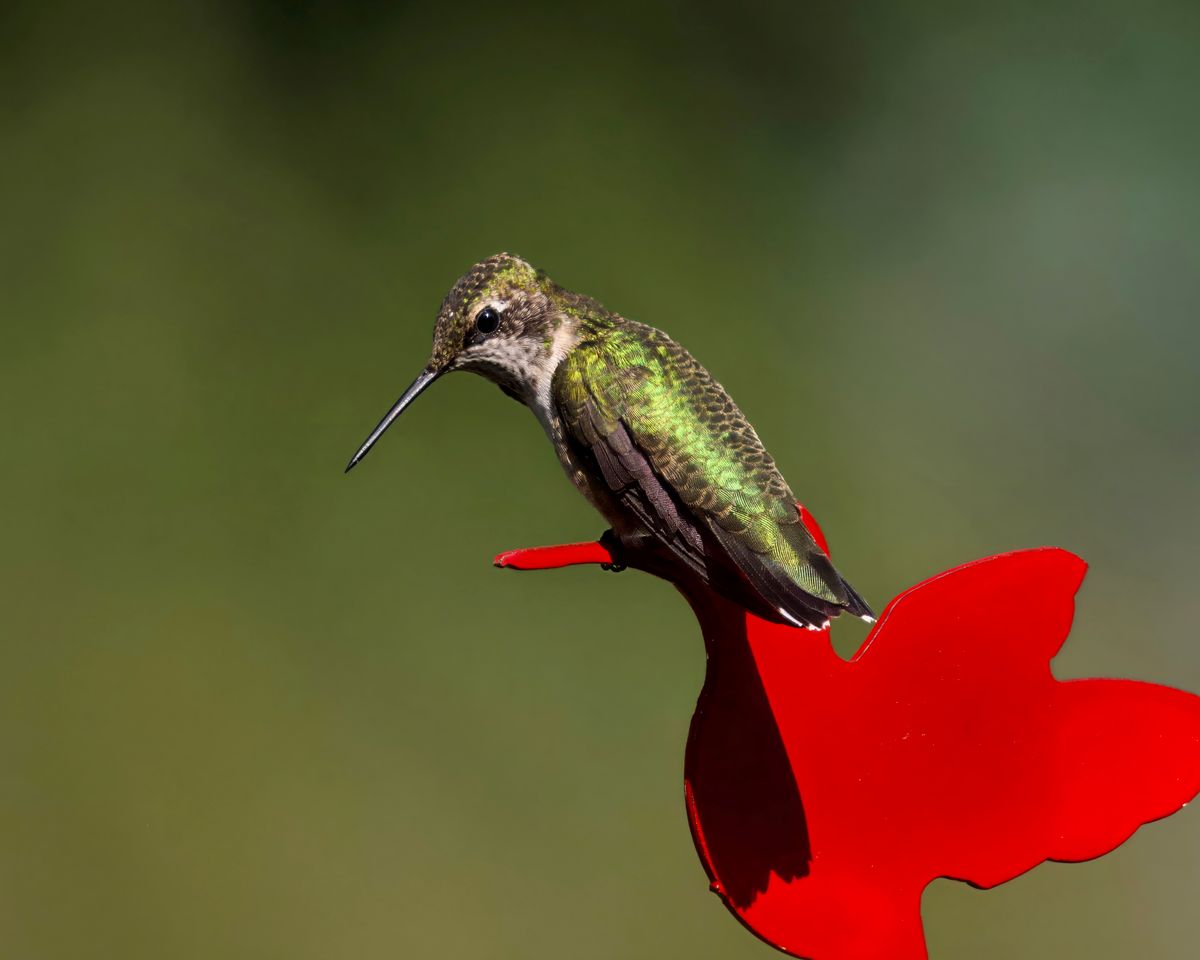
Photo by A. G. Rosales on Pexels
- [ ] Unscrew and detach the top solar light cap; set it aside on a dry towel (never submerge solar electrical caps in water).
- [ ] Dismantle the anti-rust metal base, silicone rubber gaskets, and decorative flower feeding ports.
- [ ] Flush all glass and metal components under warm tap water; soak the glass reservoir in a 1:4 white vinegar to water bath for 15 minutes.
- [ ] Scrub internal glass curves and port openings using a soft bottle brush and narrow port brush (avoid abrasive metallic scrubbing pads).
- [ ] Rinse all parts thoroughly with cool water until vinegar scent dissipates completely, then dry before refilling with fresh 4:1 nectar.
Fatal Nectar & Feeder Care Mistakes to Avoid
Even well-intentioned bird lovers often make critical errors that shorten hummingbird lifespans or damage artisan garden decor:
Essential Backyard Hummingbird Care Articles
Expand your knowledge on backyard birding, glass preservation, and eco-friendly garden lighting with these recommended topics:
- How to Clean and Maintain Your Hand-Blown Solar Hummingbird Feeder: Detailed teardown and care guides for heritage glass.
- Hand-Blown Glass vs. Plastic Hummingbird Feeders: Why non-porous artisan craftsmanship wins for safety and durability.
- Hot Weather Nectar Ratios: Adjusting shade, placement, and hydration during summer temperature extremes.
Frequently Asked Questions: Nectar Safety & Solar Feeders
Does nighttime solar light heat up nectar or attract mold-bearing insects?
Low-voltage solar RGB LEDs generate virtually zero thermal radiation and will not heat up nectar in the glass reservoir. While outdoor lights can draw nocturnal insects like moths, the sealed base design of quality feeders prevents insects from entering or contaminating the nectar pool.
Can I use dish soap or bleach to clean hand-blown glass without ruining the finish?
Standard scented dish soaps leave lingering chemical films that hummingbirds can taste and reject. Bleach can strip protective anti-rust coatings from metal bases and dull decorative glass finishes over time. White vinegar diluted 1:4 in warm water is safer, highly effective, and leaves zero harmful residue.
What should I do if I see a hummingbird with a swollen tongue or unable to retract its beak?
A swollen or exposed tongue is a classic symptom of avian candidiasis caused by fungal growth in dirty feeders. Take down all feeders immediately, sanitize them thoroughly with vinegar, and leave them down for 48 hours to break the local infection cycle. Contact a local licensed wildlife rehabilitator for guidance.
How do I safely clean the metal base and solar top without damaging the feeder?
Wipe the top solar module with a damp microfiber cloth to remove dust and hard water spots without submerging it. Wash the anti-rust coated metal base with warm vinegar-water and a soft-bristled brush, then thoroughly dry all threads before reassembling.
Find fast answers to common questions about nocturnal solar lighting, non-toxic sanitization, and emergency avian care.
Your Action Plan for Safe Backyard Birding
Your decision: Transition to a temperature-strict nectar replacement schedule and adopt a non-toxic vinegar cleaning protocol.
Do this next: Inspect your current feeder for signs of cloudiness or black mold around port gaskets. Replace scratched, porous plastic feeders with non-porous artisan hand-blown glass.
- Read next: How to Clean and Maintain Your Hand-Blown Solar Hummingbird Feeder
- Read next: Hand-Blown Glass vs. Plastic Hummingbird Feeders: Why Artisan Craftsmanship Wins
LUJII 32 fl.oz Hand-Blown Glass Solar Hummingbird Feeder (Features wide-mouth opening for easy brush access and rust-proof metal base).
Protect your local hummingbird population while enjoying vibrant night garden illumination by adopting a temperature-strict maintenance schedule today.
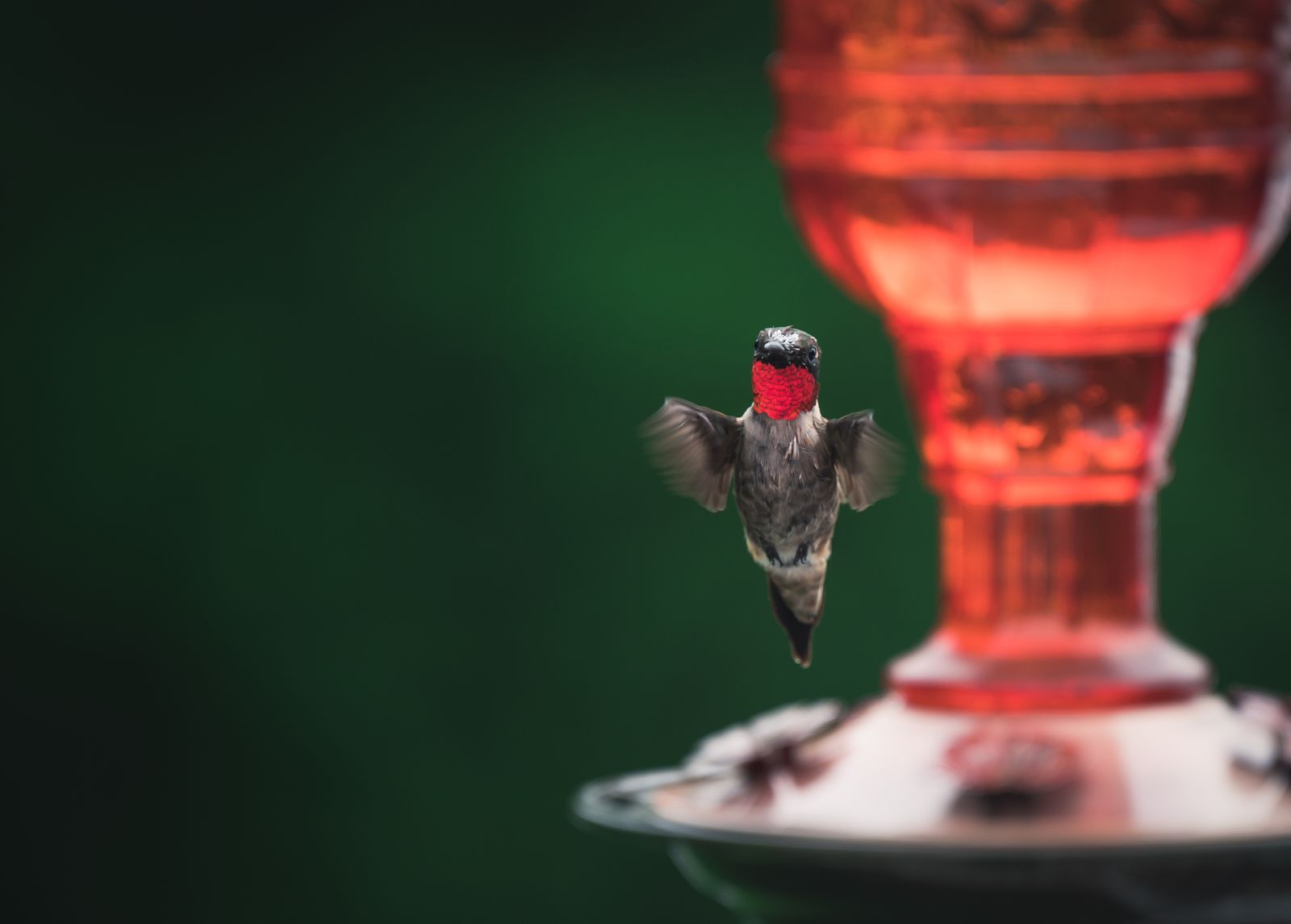
Cover photo by Chris F on Pexels.