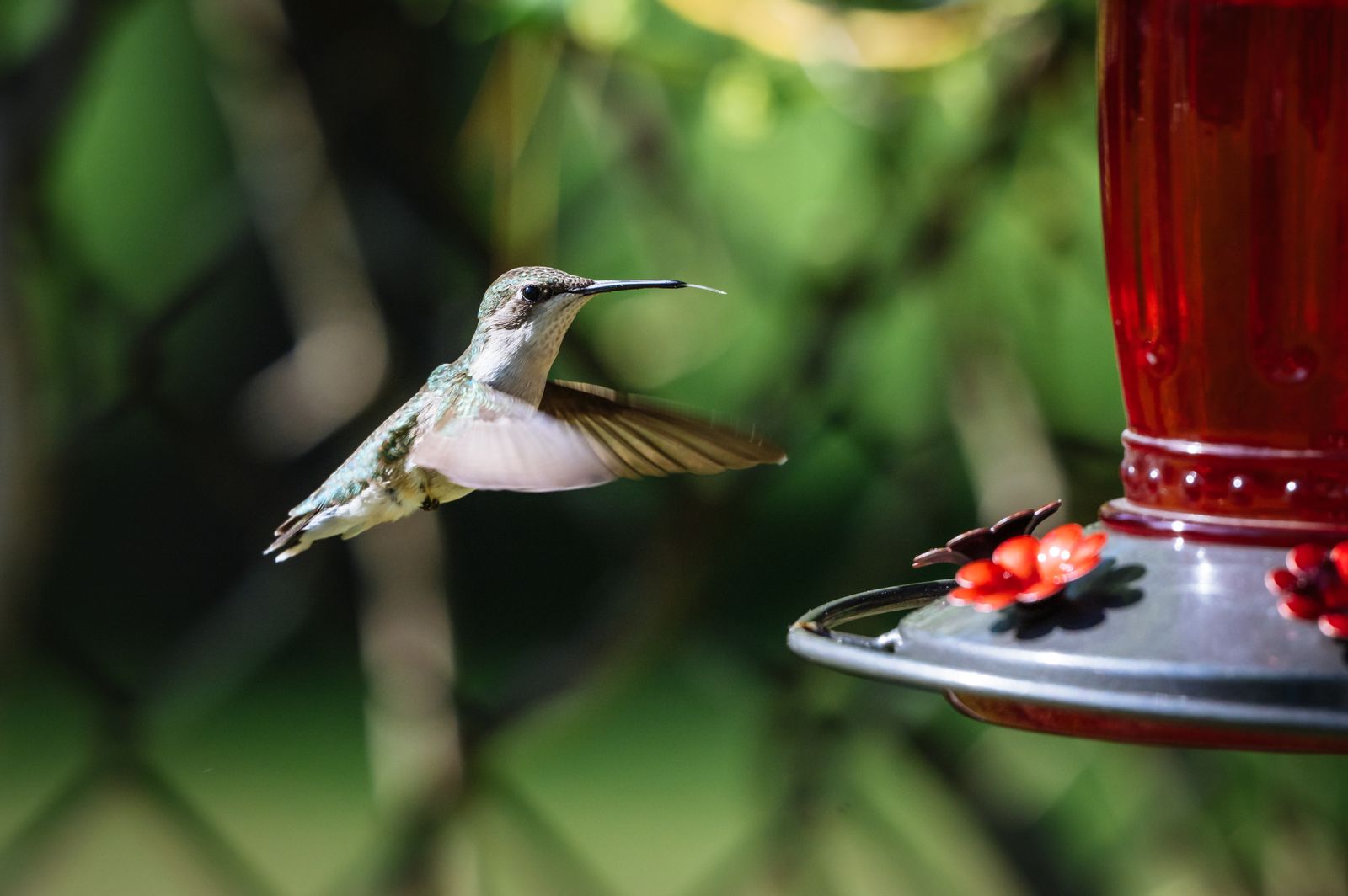
Summer Hummingbird Nectar Ratio & Temperature Freshness Guide
The safest summer hummingbird nectar ratio is 1 part white refined table sugar to 4 parts water (1:4) for standard heat. During extreme heatwaves exceeding 100°F, diluting to a 1:5 ratio provides crucial additional hydration to protect panting birds from fatal fluid loss without stressing their kidneys.
Summer Heat Nectar Batch & Change Schedule Calculator
Use this interactive calculator tool to determine exact liquid batch sizing and safe replacement windows based on your local peak outdoor temperature.
Temperature vs. Nectar Spoilage Timeline
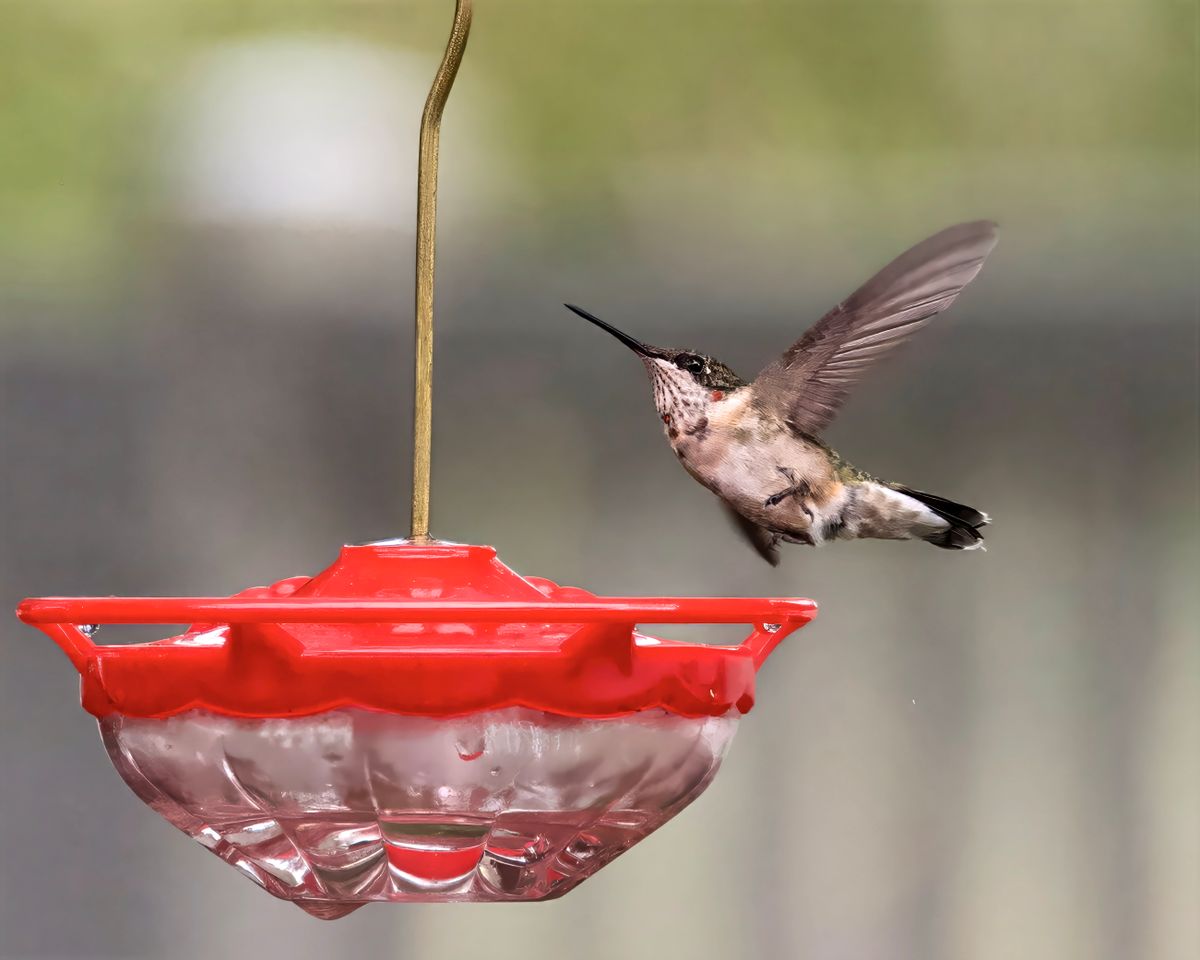
Photo by A. G. Rosales on Pexels
| Temperature Range (°F) | Recommended Ratio (Sugar:Water) | Max Safe Exposure Time | Spoilage Risk Level | Visual & Olfactory Indicators |
| --- | --- | --- | --- | --- |
| Below 70°F | 1:4 (Standard) | 6 - 7 Days | Low | Clear liquid, fresh sweet smell |
| 70°F - 79°F | 1:4 (Standard) | 3 - 4 Days | Moderate | Slight haze after 4 days, no odor |
| 80°F - 89°F | 1:4 (Standard) | 24 - 48 Hours | Elevated | Cloudiness begins, faint fermentation scent |
| 90°F - 99°F | 1:4 (Standard) | 24 Hours Max | High | Milky hue, stringy yeast particles, sour smell |
| 100°F+ | 1:5 (Hydration Focus) | 12 - 18 Hours | Severe | Rapid bacterial bloom, black mold specks at ports |
Ambient outdoor temperature directly dictates how rapidly sucrose ferments into alcohol and acetic acid under sunlight exposure. Reference these criteria thresholds to prevent accidental feeding of toxic fungal blooms.
Summer Feeder Cleaning & Rotation Schedule
- Daily (Morning) — Inspect reservoir clarity, check port flow, wipe solar collector cap, and discard nectar if ambient temperature exceeded 90°F yesterday.
- Every 2 Days (75°F - 85°F) — Rinse reservoir and sealed base thoroughly with hot water; scrub feeding ports with a tiny bottle brush.
- Weekly — Perform deep soak using 1:4 white vinegar-to-water solution for 15 minutes; rinse thoroughly before air drying.
- Extreme Heatwaves (>95°F) — Rotate between two feeders every 12-24 hours, keeping the backup feeder sanitized and prepped indoors.
Wildlife Rehabilitation Tips for Extreme Heat Hydration
When temperatures cross the century mark, hummingbirds burn tremendous metabolic energy simply trying to thermoregulate by panting. Avian specialists emphasize that providing a slightly diluted 1:5 ratio under extreme heat helps supply essential moisture without overloading their digestive system with unneeded sugar calories when foraging activity slows.
5 Dangerous Summer Nectar Mistakes That Harm Hummingbirds
Avoid these widespread errors that accelerate nectar fermentation, attract pests, or endanger visiting hummingbirds during summer heatwaves.
Infographic Brief: How Heat & Solar UV Degrade Nectar
This visual comparison illustrates the thermal performance and hygiene differences between porous plastic containers and non-porous hand-blown glass solar feeders under intense summer sun.
Frequently Asked Questions About Hot Weather Feeding
Common questions regarding summer nectar ratios, solar lighting safety, shade setups, and proper glass cleaning.
Immediate Summer Nectar Care Action Plan
Your decision: Determine your region's peak daily heat index and choose whether to maintain 1:4 or adjust to 1:5 for 100°F+ days.
Do this next: Mix a small daily batch using filtered water and refined white sugar, filling your feeder only to the level birds consume in 24 hours.
- Read next: How to Spot Nectar Fermentation Before It Harms Birds
- Read next: Does Nighttime Solar Light Affect Nectar Freshness?
LUJII Hand-Blown Glass Solar Hummingbird Feeder — non-porous, easy-clean glass with leak-proof base.
Follow this straightforward action plan to protect your local hummingbird population throughout the hottest months of the year.
Key Takeaways for Hot Weather Nectar Care
- Stick to a 1:4 sugar-to-water ratio for standard summer weather, and shift to 1:5 during extreme heatwaves (100°F+) for essential hydration.
- Change nectar every 24 hours when ambient temperatures exceed 90°F to prevent deadly fungal and bacterial proliferation.
- Hand-blown glass reservoirs resist solar UV breakdown and maintain cooler fluid temperatures compared to thin plastic feeders.
- Solar LED modules emit zero heat and do not accelerate nectar fermentation during twilight or nighttime light cycles.
Choosing the Right Nectar Strategy for Your Local Climate Zone
When temperatures surge past 85°F, bird owners must adjust batch sizes and refill frequencies. Standard 1:4 ratio remains ideal for normal summer days, while a temporary 1:5 ratio protects birds from dehydration during heatwaves exceeding 100°F.
Best choice for
- Classic 1:4 Sugar-to-Water Ratio — Provides optimal caloric density without rapid sugar crystallization.
- Hydration 1:5 Sugar-to-Water Ratio — Provides essential water intake to prevent metabolic dehydration while hummingbirds pant to stay cool.
- Never use a 1:3 or stronger ratio in summer, as hyper-concentrated sugar causes kidney stress and severe dehydration.
- Avoid making batches larger than what hummingbirds consume in 24 to 48 hours.
- Dual-Feeder Rotation System — Keep one feeder chilling inside while one is outside, swapping every 12 hours during peak heat.
Nectar Ratio & Temperature Specifications Matrix
| Parameter | Standard Summer (70-89°F) | High Heat (90-99°F) | Extreme Heat (100°F+) |
| --- | --- | --- | --- |
| Sugar-to-Water Ratio | 1:4 (20% concentration) | 1:4 (20% concentration) | 1:5 (16.7% concentration) |
| Caloric Content (kcal/fl oz) | approx. 18 kcal | approx. 18 kcal | approx. 15 kcal |
| Max Safe Change Interval | 48 Hours | 24 Hours | 12-18 Hours |
| Osmolality Level | Isotonic to avian blood | Isotonic to avian blood | Hypotonic (Higher hydration) |
| Primary Cleaning Method | Hot water rinse | Daily hot water scrub | Vinegar soak & daily swap |
Technical guidelines mapping sugar concentration, caloric density, and bacterial risk factors across temperature bands.
Real-World Hot Weather Scenarios & Solutions
Going away for a 3-day weekend during a 95°F heatwave — Take feeders down or leave them empty with clean water stations nearby. Never leave nectar in extreme heat for 3 days, as fermenting sugar generates toxic fungal spores.
Feeder receives unavoidable direct afternoon sun between 1 PM and 5 PM — Attach a wide dome weather shield/baffle above the feeder to create shade, fill only 1/3 capacity, and change nectar daily at sunset.
High humidity regions (Deep South / Gulf Coast) with frequent afternoon thunderstorms — Use a leak-proof sealed base glass feeder like LUJII to prevent rain dilution, and inspect ports daily for humidity-driven mold.
How to handle challenging weather events, travel schedules, and humid microclimates.
Daily Hot-Weather Feeder Inspection Checklist
- [ ] Check visual clarity: Is the liquid crystal clear with zero cloudiness?
- [ ] Inspect port seals: Are there sticky drips attracting wasps or ants?
- [ ] Verify shade alignment: Will the feeder remain shaded during peak 12 PM - 4 PM sun?
- [ ] Smell test: Is there any sour, vinegary, or yeast-like scent?
Printable Summer Nectar Care Reference Guide
- STANDARD RECIPE: 1 part refined white table sugar to 4 parts water. Boil water, dissolve sugar, cool completely before filling.
- EXTREME HEAT RECIPE (100°F+): 1 part white sugar to 5 parts water to increase water intake and prevent dehydration.
- NEVER USE: Honey, brown sugar, raw sugar, molasses, artificial sweeteners, or red food dye.
- CHANGE SCHEDULE: <75°F (5 days) | 75-84°F (3 days) | 85-89°F (2 days) | 90-99°F (24 hours) | 100°F+ (12-18 hours).
- CLEANING: Hot water scrub daily in summer. Weekly soak with 1 part white vinegar to 4 parts water.
Essential Articles on Nectar Preparation and Nighttime Garden Care
- classic DIY 4:1 hummingbird nectar recipe
- twilight nectar care and solar lighting FAQ
Recommended Gear for Fresh Summer Nectar
Durable, beautiful, non-porous feeders designed for easy maintenance during summer heat.
Your Final Summer Action Plan
Your decision: Determine your region's peak daily heat index and choose whether to maintain 1:4 or adjust to 1:5 for 100°F+ days.
Do this next: Mix a small daily batch using filtered water and refined white sugar, filling your feeder only to the level birds consume in 24 hours.
- Read next: How to Spot Nectar Fermentation Before It Harms Birds
- Read next: Does Nighttime Solar Light Affect Nectar Freshness?
LUJII Hand-Blown Glass Solar Hummingbird Feeder — non-porous, easy-clean glass with leak-proof base.
With proper ratio choices, small batch sizes, and daily feeder care, you can provide a safe, refreshing oasis for hummingbirds all summer long.