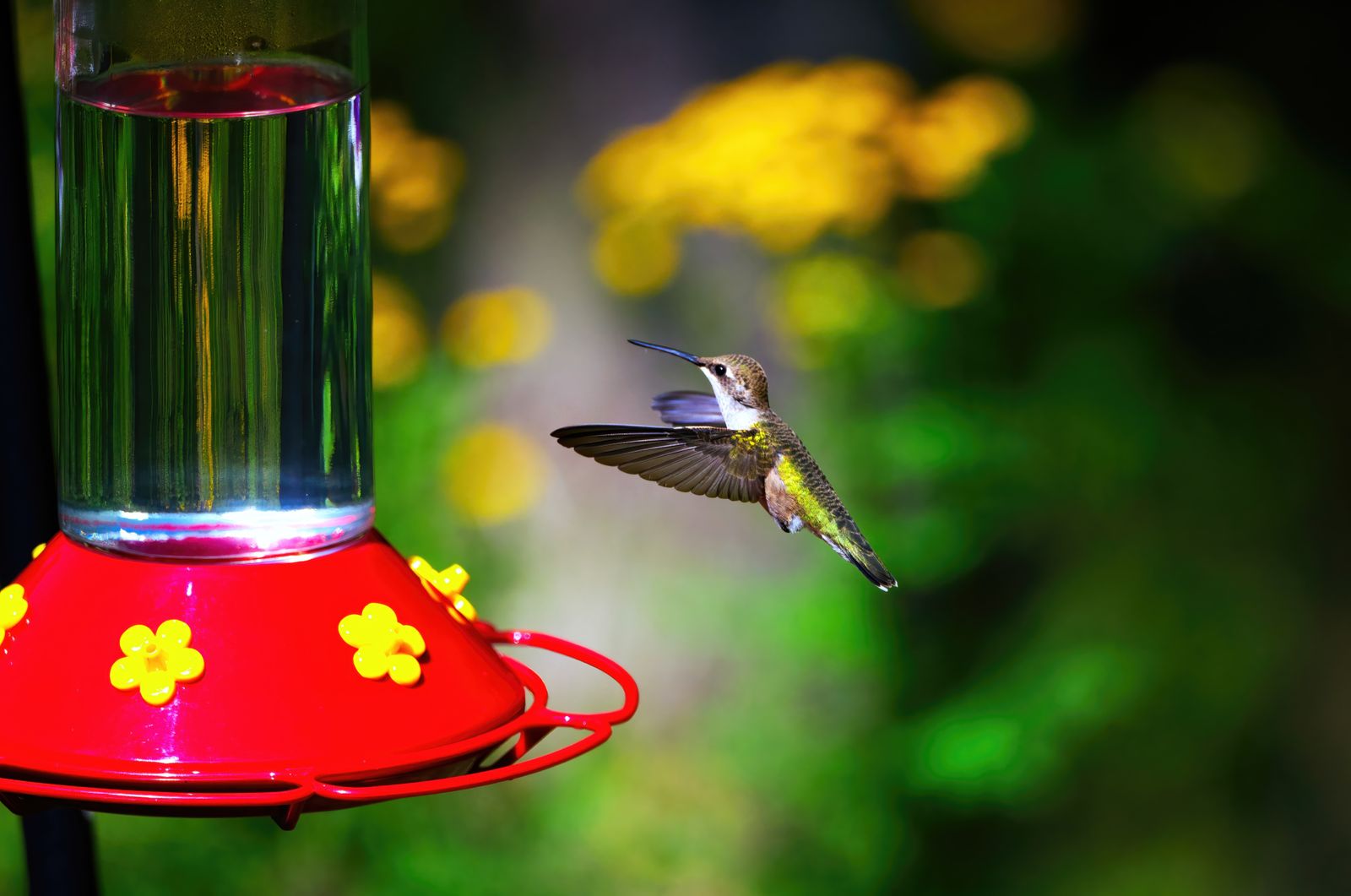
Summer Hummingbird Feeder Maintenance: Stop Leaks & Mold
Should you move your solar hummingbird feeder when heatwaves hit? Yes—because trapped air inside hand-blown glass expands under direct sunlight, forcing nectar out through the feeding ports and inviting rapid black mold growth. To keep your garden sanctuary safe and leak-free, replace nectar every 24–48 hours above 85°F, sanitize with a 1:4 distilled white vinegar solution, and hang your feeder where it catches morning sun for solar charging but stays shaded during intense afternoon heat.
Essential Summer Feeder Sanitization Checklist
- [ ] Unscrew the hand-blown glass reservoir from the metal base and remove the solar cap unit.
- [ ] Discard any remaining or cloudy nectar completely—never top off old nectar.
- [ ] Soak the glass reservoir and metal base in a 1:4 distilled white vinegar and warm water solution for 15 minutes.
- [ ] Scrub feeding ports and internal glass curves using a soft bottle brush and micro-port brush (avoid abrasive scouring pads).
- [ ] Wipe the solar panel cap with a damp microfiber cloth (never submerge in water) and allow all parts to air dry completely before refilling.
Quick-Reference Summer Care & Sanitization Guide
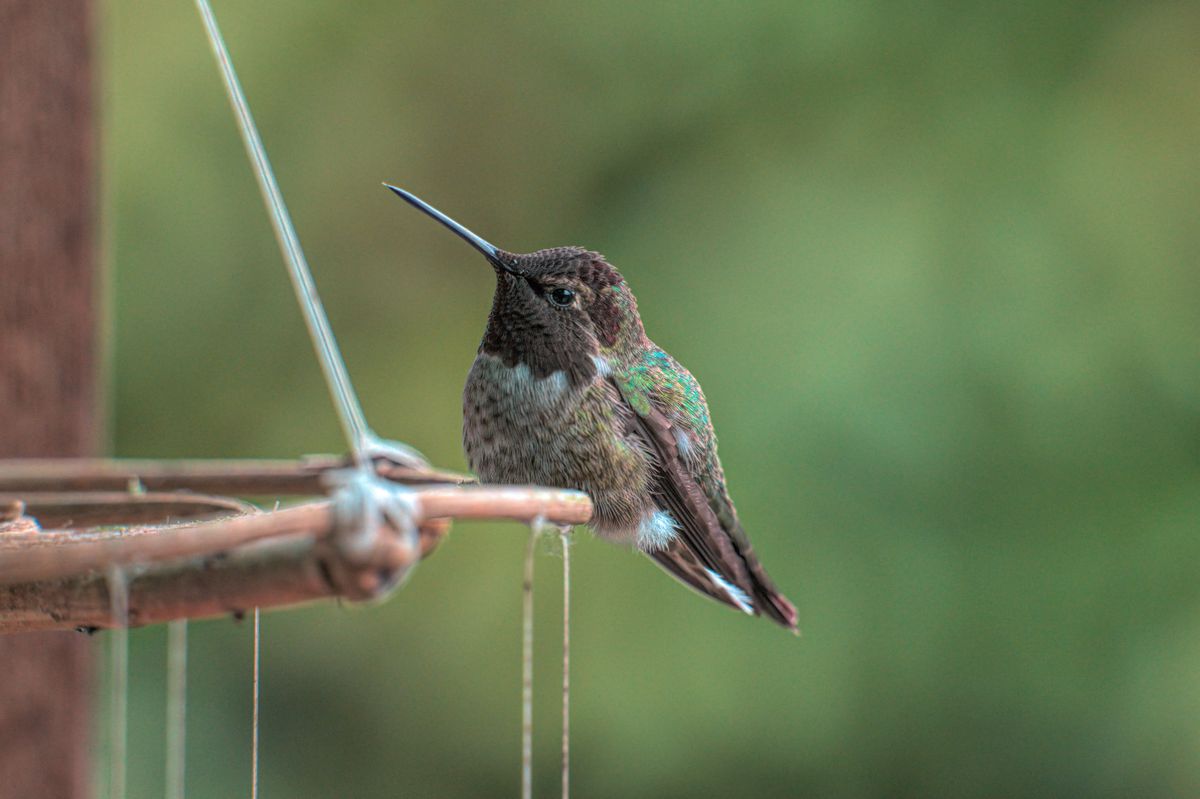
Photo by Townsend Walton on Pexels
- Daily Inspection: Check nectar clarity from afar through the translucent glass reservoir; inspect ports for bee/ant activity.
- Temperature Rule: Below 70°F = Change every 5 days; 70°F–80°F = Every 3 days; 81°F–90°F = Every 2 days; 90°F+ = Daily.
- Sun Protection: Position feeder for morning sun (4–6 hours needed for solar light charging) and afternoon shade (prevents heat expansion drops).
- Sanitization Fluid: Distilled white vinegar (1 part vinegar to 4 parts water). Never use bleach, dish soap, or commercial chemical sprays.
- Solar Cap Care: Wipe panel top with microfiber cloth; ensure rubber gasket ring remains clean and seated tightly to prevent moisture entry into battery housing.
Thermal Physics Tip: Shading the Air Pocket in Hand-Blown Glass
Many bird lovers assume a dripping glass feeder has a faulty seal or hairline crack, but during summer, the true culprit is basic thermal physics. An inverted glass reservoir holds both nectar and an air pocket at the top. As direct afternoon sunlight bakes the dark, hand-blown glass, the trapped air expands rapidly.
Because glass does not stretch, the expanding air pushes downward against the liquid column, forcing nectar past silicone gaskets and out through the metal feeding ports. By simply hanging your feeder where an overhead leaf canopy or garden porch blocks direct sun after 11:00 AM, the air pocket stays cool, internal pressure remains stable, and your 32 fl. oz. reservoir stops dripping.
Summer Feeder Failure Modes & Direct Solutions
| Failure Mode / Scenario | Root Cause Physics | Immediate Corrective Action |
| --- | --- | --- |
| Nectar dripping rapidly from base ports despite undamaged glass reservoir. | Direct afternoon sunlight heats top air cavity inside glass vessel; expanding air exerts downward force, pushing nectar out. | Move feeder to afternoon shade or keep reservoir filled above 75% capacity to minimize air pocket volume. |
| Black velvet-like speckles forming along internal glass curves or silicone seal. | Spores of micro-fungi (Candida) rapidly multiplying in sugar solution under ambient temperatures above 80°F. | Perform immediate 15-minute 1:4 white vinegar soak. Scrub internal glass swirl patterns with a flexible bottle brush. |
| Solar RGB lights turn off prematurely or stay dim after dark. | Solar cap panel is shaded all day or coated in dust/pollen, preventing the internal Ni-MH battery from reaching full 8-hour charge. | Relocate feeder to receive 4–6 hours of direct early morning sunlight. Gently wipe solar panel face with a damp microfiber cloth. |
| Ants swarming the metal base and drowning inside feeding flower ports. | Nectar drips caused by thermal pressure create a sweet scent trail on the outer metal base, attracting crawling colonies. | Clean exterior metal base thoroughly with vinegar solution, apply an ant moat filled with plain water above the hanging loop, and shift feeder to afternoon shade. |
When heatwaves strike, artisan glass feeders experience unique failure modes. Identify the physical root cause below to restore safe, drip-free feeding.
Key Principles of High-Heat Feeder Hygiene
- Fermentation is accelerated by ambient heat: Unchecked nectar above 85°F turns toxic to hummers within 48 hours.
- Hand-blown glass reacts to solar energy: Shading the top air cavity prevents pressure leaks without reducing hummingbird visits.
- Vinegar is your safest chemical ally: A 1:4 white vinegar wash neutralizes fungal spores without stripping anti-rust metal coatings.
- Protect solar components from submersion: The weatherproof solar cap handles rain and snow, but soaking it in water destroys the RGB light circuit.
- Maintain the 1:4 sugar ratio strictly: Never add red dye, honey, or extra sugar in summer; concentrated sugar dehydrates birds in extreme heat.
Temperature-Indexed Cleaning & Refill Schedule
- Under 70°F (Spring / Early Summer) — Inspect nectar daily. Replace nectar and rinse feeder with warm water every 4 to 5 days. Deep clean with vinegar solution weekly.
- 70°F to 80°F (Moderate Summer) — Replace nectar every 3 days. Perform full vinegar soak and port scrubbing during every refill.
- 81°F to 90°F (High Summer) — Replace nectar every 48 hours maximum. Inspect base seal and wipe solar cap panel clean.
- Above 90°F (Peak Heatwave) — Replace nectar every 24 hours regardless of remaining liquid level. Fill reservoir halfway to avoid waste and minimize air expansion heat traps.
Critical Summer Care Errors to Avoid
Avoid these five frequent mistakes that harm visiting wildlife or shorten the lifespan of your artisan solar glass feeder.
Summer Heatwave Feeder Protocol Timeline
- 7:00 AM (Morning Patrol) — Check feeder hanging location. Ensure solar panel is catching early morning sun rays for daytime battery recharging.
- 12:00 PM (Midday Sun Check) — Verify that natural tree canopy or awning shade has moved over the glass reservoir as ambient heat peaks.
- Every 24–48 Hours (Nectar Refresh) — Unscrew metal base, flush old nectar, scrub ports with micro-brush, and pour in cool 1:4 sucrose nectar.
- Weekly (Full System Sanitization) — 15-minute vinegar soak for glass and metal base; inspect silicone leak-proof gasket and wipe solar cap housing.
Recommended Heat-Resilient Solar Glass Feeders
If you are looking for a feeder engineered to withstand summer heat while illuminating your evening garden, consider our handcrafted flagship model.
Frequently Asked Questions About Summer Feeder Maintenance
Got questions about shade placement, vinegar cleaning, or thermal leaks? Here are exact answers for keeping your feeder in top shape.
Your Immediate Summer Action Plan
Your decision: Determine whether your feeder's current location exposes its glass nectar reservoir to direct afternoon heat.
Do this next: Move your feeder to receive morning sunlight (charging the solar cap) and afternoon shade (protecting nectar), and adopt a 48-hour vinegar sanitization cycle.
- Read next: Hot Weather Nectar Ratios: How to Keep Hummingbird Food Fresh in Summer
- Read next: How to Clean and Maintain Your Hand-Blown Solar Hummingbird Feeder
LUJII 32 fl. oz. Hand-Blown Glass Solar Hummingbird Feeder with Sealed Metal Base and Weatherproof Solar Cap.
Protect your local hummingbird population and enjoy magical evening RGB garden lighting with these quick next steps.
Further Guides on Hummingbird Care & Solar Garden Decor
Link readers to related cluster content and pillar resources.
Cover photo by DANNIEL CORBIT on Pexels.