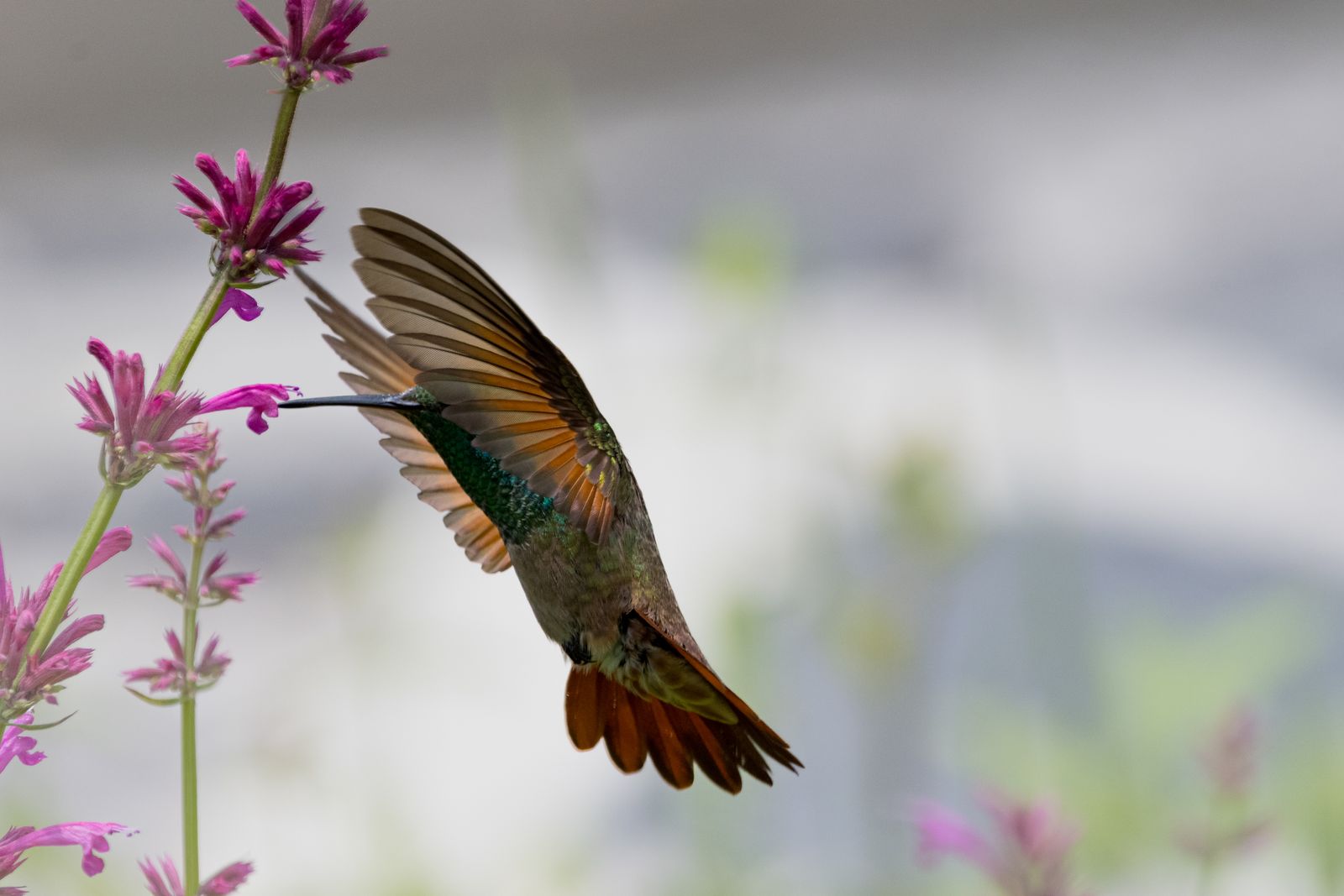
Summer Maintenance Guide for Solar Hummingbird Feeders
At 90°F (32°C) and above, hummingbird nectar ferments into toxic mold within 24 hours. To keep birds safe while securing 8 hours of evening RGB illumination, give your feeder 4 hours of direct morning sunlight for solar charging, followed by full afternoon shade.
Key Rules for High-Summer Solar Hummingbird Care
- Change nectar every 24 hours when daily ambient temperatures exceed 90°F to prevent fungal fermentation.
- Ensure 4 hours of direct morning solar exposure (8:00 AM – 12:00 PM) to achieve a full 8-hour nighttime RGB LED glow.
- Position feeders under a leafy canopy past 1:00 PM to shield hand-blown glass and protect the 32 oz nectar reservoir from afternoon thermal stress.
- Maintain a strict 4:1 water-to-sugar ratio—never add extra sugar or artificial red dyes, which accelerate heat fermentation.
- Clean feeder ports weekly with a 50/50 warm water and white vinegar soak, avoiding boiling water on hand-blown glass to prevent thermal shock.
The 24-Hour Summer Nectar & Solar Battery Cycle
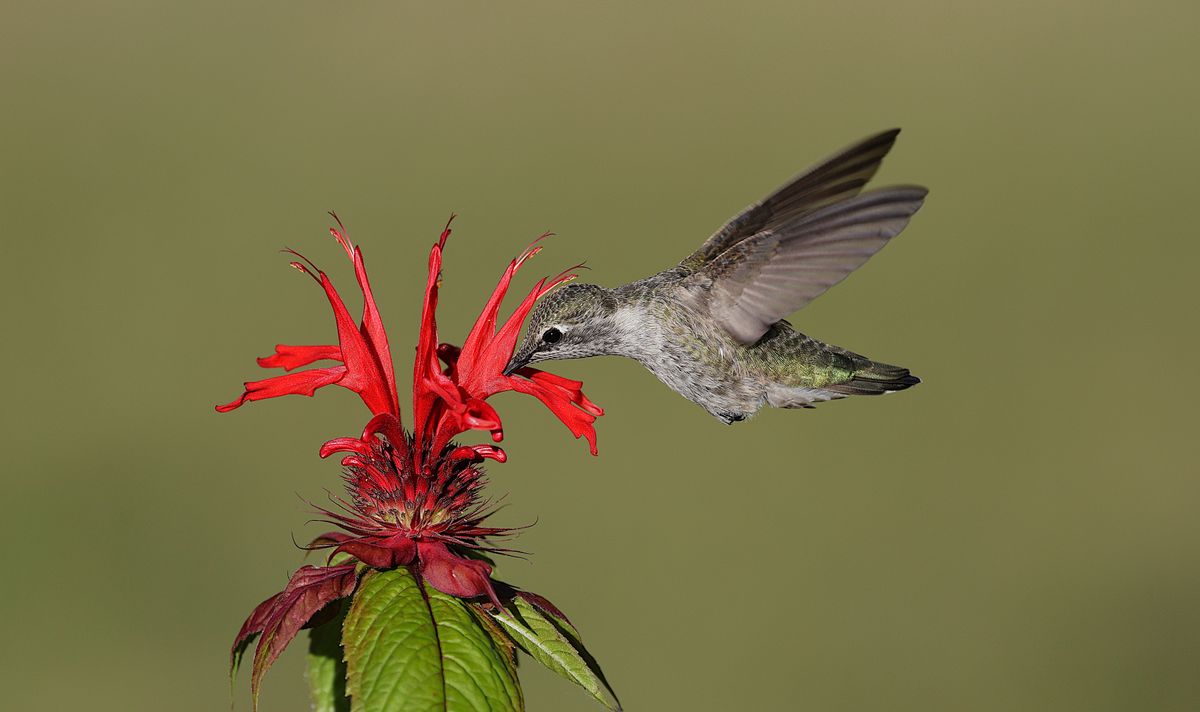
Photo by Veronika Andrews on Pexels
- 7:00 AM - 8:00 AM — Inspect nectar clarity. Swap with fresh, cool 4:1 sugar water solution and wipe down top solar cap.
- 8:00 AM - 12:00 PM — Allow direct morning sunlight to hit the waterproof solar cap, rapidly charging the internal battery.
- 12:00 PM - 5:00 PM — Deciduous tree canopy shade shields the 32 oz glass reservoir from peak thermal heat, preventing fermentation.
- 8:00 PM - 4:00 AM — Automatic twilight sensor activates multi-color RGB lights for up to 8 hours of ambient garden illumination.
Temperature-Based Nectar & Solar Maintenance Schedule
- 70°F - 79°F (Mild Summer) — Replace nectar every 4 to 5 days. 5 hours direct sun exposure allowed. Wash feeder weekly with warm water.
- 80°F - 89°F (Moderate Summer) — Replace nectar every 3 days. 4 hours direct morning sun + partial afternoon shade. Inspect base ports every 48 hours.
- 90°F - 98°F (High Summer) — Replace nectar every 24 to 48 hours. 4 hours early morning sun + full afternoon shade past 12:00 PM. Daily solar panel dust wipe.
- 99°F+ (Extreme Heatwave) — Replace nectar every 24 hours max (or twice daily). Move to dense tree shade; supplement solar charge if needed. Check leak-proof seal daily.
Featured High-Summer Choice: LUJII Hand-Blown Solar Feeder
Crafted at 2,300°F, the LUJII Solar-Powered Hummingbird Feeder features a durable 32 fl. oz hand-blown translucent glass reservoir, anti-rust metal base with leak-proof seals, and an IP-rated solar light cap that delivers up to 8 hours of multi-mode RGB illumination. Its slender silhouette minimizes drip risk in intense heat.
Explore LUJII Solar Hummingbird Feeders
Expert Positioning Tip: The Morning-Sun / Afternoon-Shade Microclimate
To solve the conflict between charging solar panels and preserving nectar quality, hang your feeder on the eastern edge of a deciduous shade tree or patio overhang. This placement provides 4 full hours of intense morning light (charging the lithium solar cell for 8 hours of RGB illumination) while protecting the 32 oz hand-blown glass reservoir under deep shade during peak afternoon temperatures (1:00 PM to 5:00 PM).
Summer Heat & Solar Feeder Troubleshooting Guide
| Symptom / Problem | Root Cause | Immediate Fix | Prevention Strategy |
| --- | --- | --- | --- |
| Nectar turns cloudy or displays white/black specks within 24-48 hours | Rapid fungal/bacterial fermentation caused by ambient heat >90°F and direct sun | Discard nectar immediately. Soak glass bowl in 50/50 warm water and white vinegar. Brush ports. | Move feeder to afternoon shade; refresh nectar every 24 hours. |
| RGB light stays dim or lasts under 3 hours at night | Dust/pollen on solar panel cap or insufficient direct morning sunlight (<4 hours) | Wipe top plastic solar cap with damp microfiber cloth. Relocate to unshaded eastern exposure for morning rays. | Establish a daily morning solar cap wipe as part of your nectar check. |
| Sticky nectar leaks around metal base ports | Thermal pressure expansion inside liquid reservoir due to extreme temperature swings | Ensure base gasket is tightly threaded. Do not overfill past 32 oz capacity; leave 0.5 inch headspace. | Keep glass reservoir in afternoon shade to prevent liquid thermal expansion. |
| Ants or wasps swarm the feeding ports | Sugar residue on outer metal base or high nectar sugar concentration attracting insects | Wipe outer anti-rust base clean. Install an inline ant moat above the top hanger loop. | Maintain strict 4:1 water-to-sugar ratio; never spill nectar on exterior glass. |
Quick solutions for common high-summer feeder challenges.
Peak Summer Care Calendar (June – August)
| Month | Primary Solar Action | Nectar Maintenance Focus | Environmental Safeguard |
| --- | --- | --- | --- |
| June (Early Summer) | Clean solar panel top cap; test RGB lighting modes for evening longevity. | Establish 3-day nectar replacement cycle as temperatures reach 80°F-85°F. | Check tree canopy foliage to verify eastern morning light corridor. |
| July (Peak Heatwave) | Monitor solar cap seals during afternoon heat spikes (>95°F). | Switch to 24-hour nectar refresh. Wash base ports every 3 days. | Attach weather baffle overhead if shade tree canopy thins out. |
| August (Late Summer / Migration) | Optimize battery charge as daylight hours begin to shorten. | Maintain 24-48 hour nectar updates for migrating hummers building energy. | Keep ant moats topped with fresh water to stop late-summer insect invasions. |
Track your maintenance milestones across the hottest months of the year.
Recommended Summer Upkeep Accessories
Photo by Townsend Walton on Pexels
Essential add-ons to keep your solar illuminated feeder performing flawlessly all summer.
Regional Summer Heat Management Across US Climate Zones
Tailor your solar charging and nectar preservation strategy to your regional climate profile.
High-Summer Solar & Nectar Daily Check
- [ ] Inspect nectar clarity (replace immediately if cloudy, milky, or floating specs appear).
- [ ] Wipe top solar panel cap with a damp microfiber cloth to clear dust, pollen, and hard water spots.
- [ ] Check metal feeding base ports for sticky residue or ant intrusion.
- [ ] Confirm feeder is positioned to receive full afternoon shade after 1:00 PM.
- [ ] Verify RGB lights activate smoothly at dusk for a full 8-hour evening glow.
Frequently Asked Questions About Summer Solar Feeder Care
Your Immediate Summer Action Plan
Your decision: Determine your yard's East-Sun/West-Shade microclimate spot to balance 4+ hours of solar panel charging with afternoon thermal protection for nectar.
Do this next: Check your local 7-day weather forecast; if temperatures exceed 90°F, commit to a daily morning nectar refresh and brief solar cap wipe down.
- Read next: How to Clean and Maintain Your Hand-Blown Solar Hummingbird Feeder
Upgrade to the LUJII Hand-Blown Glass Solar Hummingbird Feeder with 32 oz heat-shielding reservoir and sealed leak-proof base.
Take these simple steps today to keep your backyard hummers healthy and your garden glowing all summer long.
Continue Building Your Solar Garden Sanctuary
Link to related cluster guides.
Cover photo by Claudia Rodriguez Casas on Pexels.