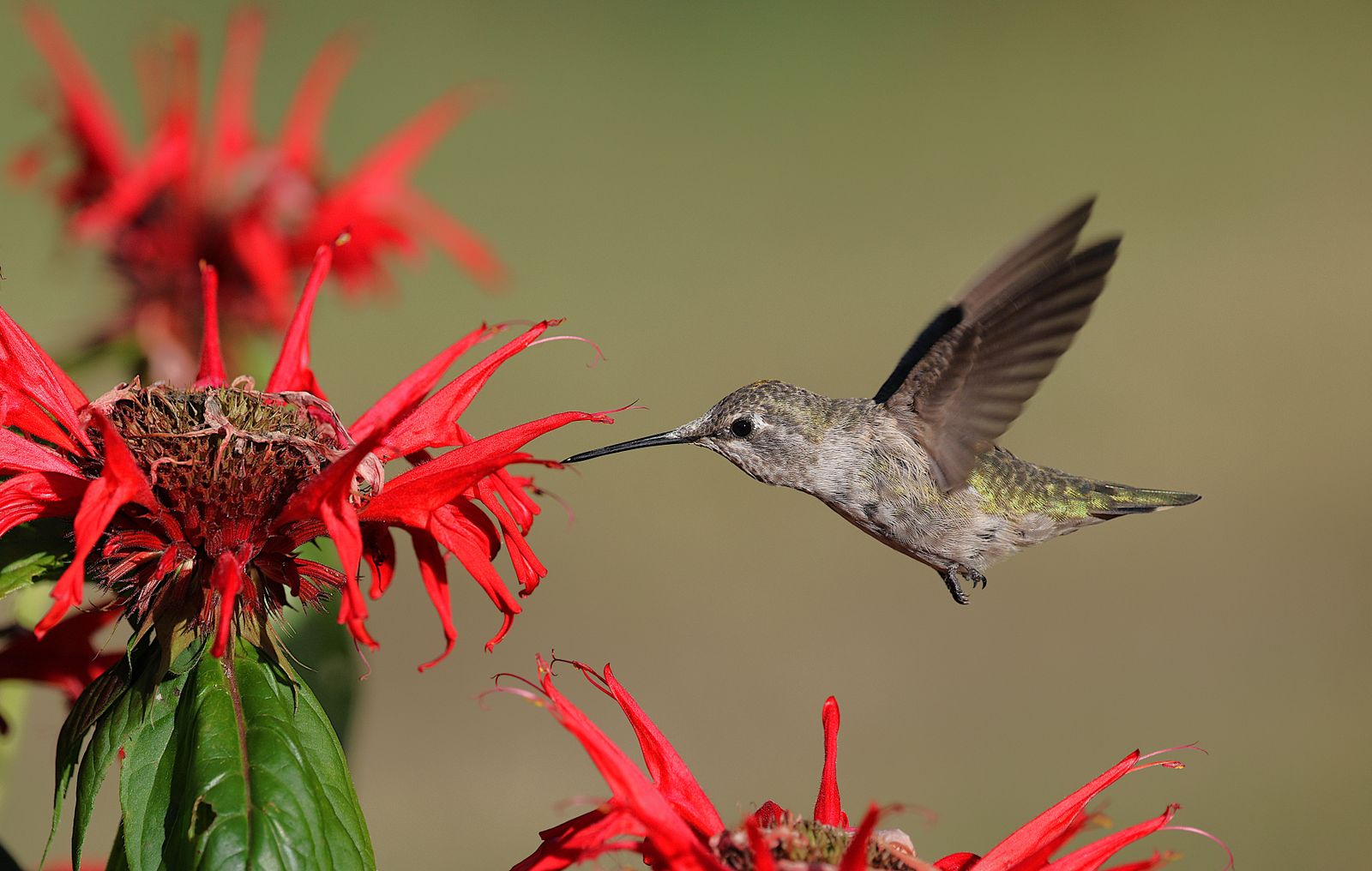
Summer Hummingbird Feeder Maintenance: Heat, Leak & Rust Guide
How often should you clean your solar glass hummingbird feeder during summer heatwaves, and how do you stop heat expansion from causing nectar leaks? In temperatures above 80°F, replace nectar every 48 hours (and daily above 90°F) to prevent fermentation and mold. To stop heat-induced leaks, fill reservoirs with cool syrup, invert completely to establish a thermal vacuum seal, and hang in partial afternoon shade.
The Daily & Weekly Summer Maintenance Checklist
Maintaining an artisan solar hummingbird feeder during extreme heat requires balancing avian hygiene, thermal fluid dynamics, and delicate component care. Follow this master checklist to protect your hummingbirds, preserve your hand-blown glass art, and keep solar electronics charging reliably.
Printable Summer Care Quick Guide
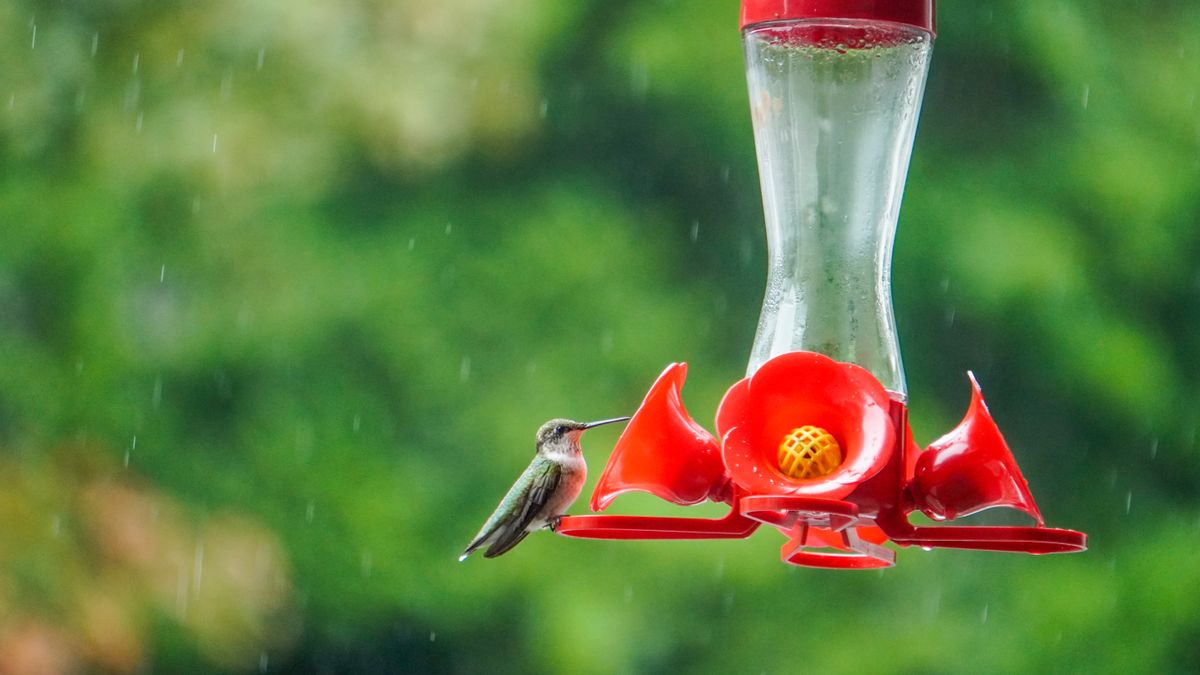
Photo by Koushalya Karthikeyan on Pexels
- TEMP RULE: <75°F = Clean every 4-5 days | 76-84°F = Clean every 3 days | 85-89°F = Clean every 2 days | 90°F+ = Clean daily.
- RATIO: Stick strictly to 1 part pure white cane sugar to 4 parts boiled/cooled tap water. Never use honey, artificial sweeteners, or red dye.
- LEAK CONTROL: Never fill with warm nectar. Chilled or room-temp nectar prevents immediate thermal pressure blowout.
- SOLAR LENS: Wipe solar caps using plain damp microfiber. Never spray glass cleaners or vinegar directly onto solar housing.
- METAL CARE: Hand-wash bases with warm water. Never scrub anti-rust coated metal bases with steel wool or harsh bleach soaks.
Pro Tip: Preventing Thermal Expansion Pressure Leaks
Have you ever hung a freshly filled glass hummingbird feeder on a hot afternoon, only to find half the liquid dripping onto your patio an hour later? The culprit is basic thermodynamics. Air trapped inside the top of a closed 32 fl.oz glass reservoir expands dramatically as ambient temperatures rise. This expanding air pocket pushes down on the nectar column, forcing syrup out through the feeding ports.
To eliminate heat-induced pressure leaks:
Summer Feeder Failure Modes & Fixes
| Failure Mode / Symptom | Root Cause | Actionable Prevention & Repair |
| --- | --- | --- |
| Fermented Syrup Drips & Port Splatters | Internal air expansion pushes syrup down; warm sugar water fermenting and bubbling. | Chill nectar before filling; position feeder in partial shade; ensure base silicone seal is seated flat. |
| Clouded or Sticky Solar Panel Housing | Splashed sugar water dried on plastic cap lens; buildup of airborne pollen and hard water mineral spots. | Wipe cap gently with warm water on a soft microfiber cloth; avoid paper towels or scouring pads that scratch. |
| Rust Specks on Metal Base or Hooks | Moisture trapped in thread grooves; protective anti-rust powder coating scratched by abrasive cleaners. | Dry threads completely after washing; apply a paper-thin wipe of food-grade mineral oil to non-food metal contact areas. |
| Wasps, Bees, and Ants Swarming Feeder | Nectar residue on outer flower ports or base bottom from overfilling and heat drips. | Wash exterior base thoroughly; relocate feeder 10 feet away; install an ant moat above the metal hanging hook. |
| RGB Night Lights Fading Early or Not Turning On | Solar panel shaded during peak daylight hours; dirty sensor lens; internal battery uncharged. | Move feeder to receive 6 hours of unshaded morning daylight; wipe sensor; verify power switch is ON. |
When summer heat strikes, unexpected issues can interrupt your backyard birdwatching. Use this scenario matrix to diagnose and resolve feeder problems quickly.
Temperature-Driven Nectar Cleaning Schedule
- Under 70°F (Mild Spring/Early Summer) — Flush nectar and clean reservoir every 5 days. Full sun placement is acceptable.
- 71°F to 80°F (Moderate Summer Heat) — Flush nectar and clean feeder every 3 to 4 days. Monitor solar cap for pollen buildup.
- 81°F to 89°F (High Summer Heat) — Flush nectar and clean every 48 hours. Shift feeder to afternoon shade to prevent thermal expansion drips.
- 90°F and Above (Extreme Heatwaves) — Flush nectar and rinse reservoir daily. Fill basin only 1/3 full to prevent wasting unconsumed syrup.
Immediate Actions for Peak Summer Heat
Your decision: Determine your current regional daily peak summer temperature and shade cover.
Do this next: Inspect your feeder base seal, wipe the plastic solar cap lens with a damp microfiber cloth, and adjust your nectar change frequency to match local outdoor temperatures.
Related resource: Save our printable quick guide for easy reference near your garden sink.
Check out the LUJII Solar-Powered Hand-Blown Glass Hummingbird Feeder with anti-rust metal base and leak-resistant seal.
Take these quick steps today to audit your outdoor setup and keep your local hummingbirds thriving throughout the hottest months.
Core Takeaways for Solar Feeder Longevity
Keep these fundamental rules in mind to maintain a hygienic, leak-free garden highlight all summer long.
Critical Summer Mistakes That Cause Leaks & Corrosion
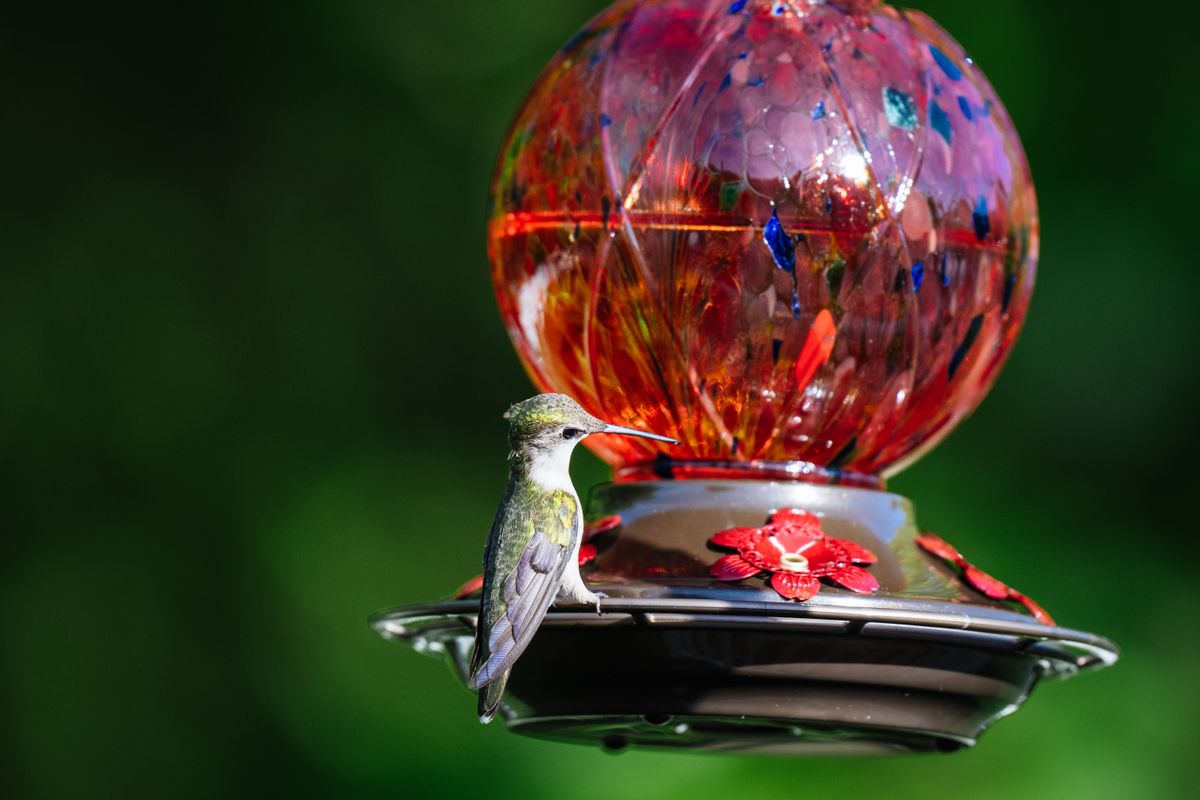
Avoid these common errors that shorten feeder lifespan, compromise solar charging, or put visiting birds at risk.
7-Day Summer Heatwave Care Timeline
- Day 1 (Fill & Position) — Mix fresh 1:4 sugar water, cool thoroughly, fill 32 fl.oz reservoir, tighten metal base, and hang in morning sun / afternoon shade.
- Day 2 (Daily Touchpoint) — Inspect nectar transparency from below. Wipe solar cap lens with a damp cloth to clear dust.
- Day 3 (Flush & Sanitize) — Pour out unused syrup. Rinse hand-blown glass basin with warm water and soft bottle brush. Dry base threads thoroughly before refilling.
- Day 4 (Daily Touchpoint) — Check port surfaces for sticky drips or ant activity. Verify RGB light functions at dusk.
- Day 5 (Flush & Refill) — Flush liquid, brush flower ports gently, check silicone gasket alignment, and refill with cool nectar.
- Day 6 (Solar Cap Care) — Wipe down top solar housing. Check hanging hook for secure placement after windy afternoon storms.
- Day 7 (Deep Inspection) — Perform full teardown rinse. Inspect metal anti-rust coating and dry base completely before entering next week's cycle.
Explore Related Backyard Care Guides
Expand your knowledge on handcrafted garden art, nectar science, and backyard wildlife care with these helpful topic overviews:
- Hot Weather Nectar Ratios: How to Keep Hummingbird Food Fresh in Summer
- How to Clean and Maintain Your Hand-Blown Solar Hummingbird Feeder
- Hand-Blown Glass vs. Plastic Hummingbird Feeders
- Summer Storm Protection: Weatherproofing Your Glass Solar Hummingbird Feeder Setup
Frequently Asked Questions
Get quick, authoritative answers to common solar glass feeder care questions.
Artisan Solar Hummingbird Feeder Solution
If you want a centerpiece feeder engineered specifically to withstand summer conditions while brightening your evening garden, look no further than the LUJII Solar-Powered Hummingbird Feeder.
Why It Excels in Summer Gardens:
- Hand-Blown Glass Art: Each 32 fl.oz reservoir is handcrafted at 2,300°F by master artisans, creating thick, durable glass with translucent color patterns that make monitoring nectar levels effortless.
- Leak-Resistant Sealed Base: Features a slender shape and tight silicone-gasket metal base designed to minimize thermal drips and pressure leaks.
- Waterproof Plastic Solar Cap: Shields interior electronics from rain, snow, and sunlight while harvesting solar energy for up to 8 hours of automatic RGB night lighting.
- Anti-Rust Coated Metal Base: Powder-coated metal components resist corrosion and provide sturdy support for multiple perching birds.
Your Next Steps to a Vibrant, Healthy Garden
Your decision: Ready to enhance your outdoor sanctuary while keeping hummingbirds safe and nourished?
Do this next: Audit your current feeder shade cover, check gasket seals for tight pressure fit, and clean solar caps for uninterrupted evening RGB lighting.
Related resource: Download our printable Summer Care Checklist for quick reference during outdoor garden cleanup.
LUJII Solar-Powered Hand-Blown Glass Hummingbird Feeder (Style)
Follow these final recommendations to put your summer maintenance plan into action today.
Cover photo by Veronika Andrews on Pexels.