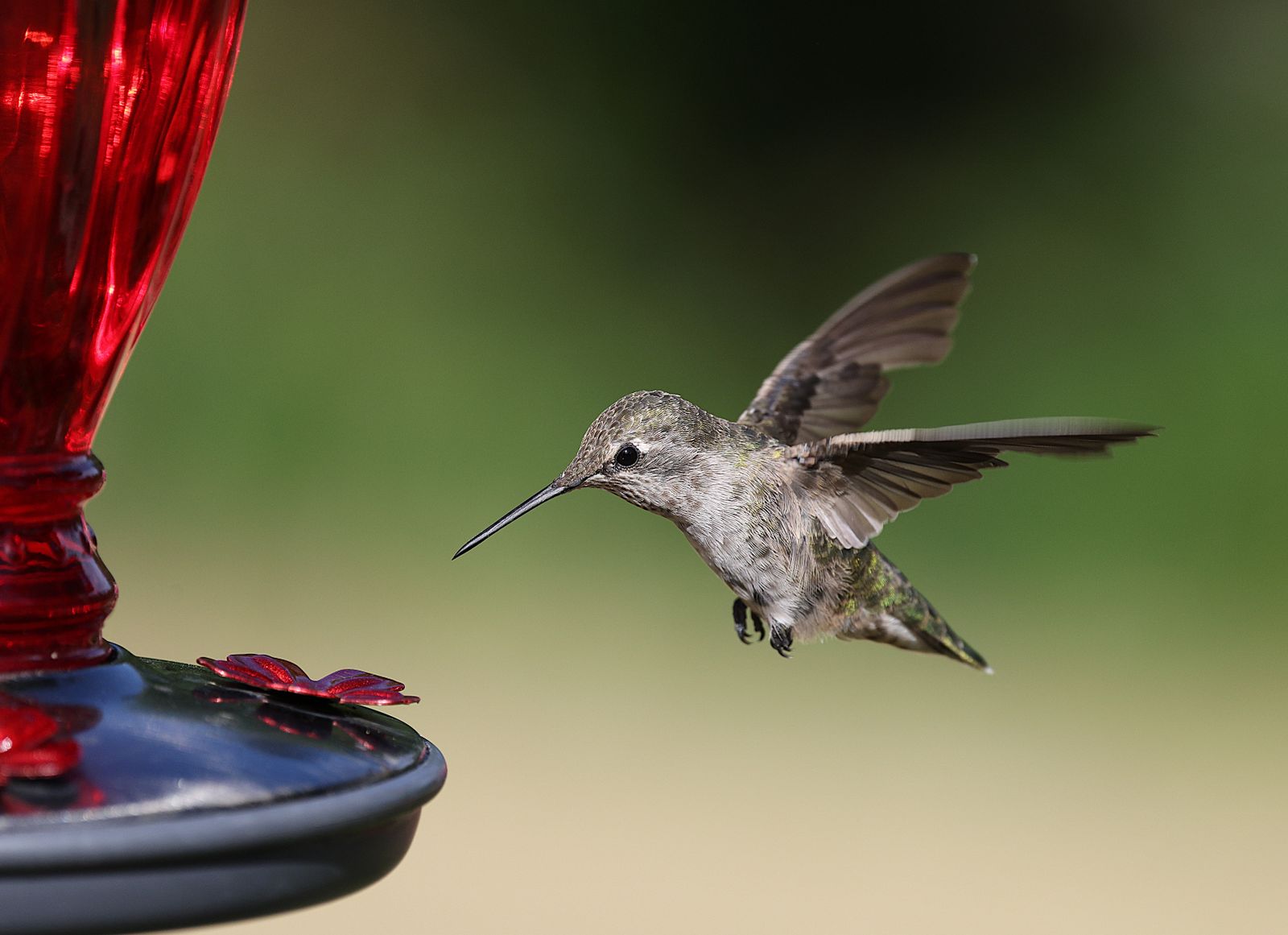
Summer Hummingbird Feeder Cleaning Schedule: Beat the Heat and Fermentation
Should you clean your hummingbird feeder every day during summer? Yes, whenever ambient outdoor temperatures top 90°F. Sugar nectar ferments rapidly in extreme heat, spawning toxic bacteria and fungal blooms. Clean and refill every 1 to 2 days above 85°F, and every 3 days between 70°F and 80°F, using hot water or a distilled white vinegar wash.
Essential Summer Feeder Maintenance Checklist
- [ ] Inspect nectar clarity: look for cloudiness, black specks, or stringy white yeast.
- [ ] Check ambient temperature forecast to set today's wash requirement.
- [ ] Dismantle feeder base, gasket, and glass bottle.
- [ ] Wipe solar cap top with damp microfiber cloth (DO NOT submerge electronic housing).
- [ ] Scrub hand-blown glass reservoir with warm water and soft bottle brush.
- [ ] Clean feeding ports with miniature port micro-brushes to dislodge mold.
- [ ] Rinse all parts thoroughly in clean running water until vinegar odor dissipates.
- [ ] Air dry completely before refilling with chilled, fresh 4:1 nectar.
Printable Summer Care & Refill Summary Card
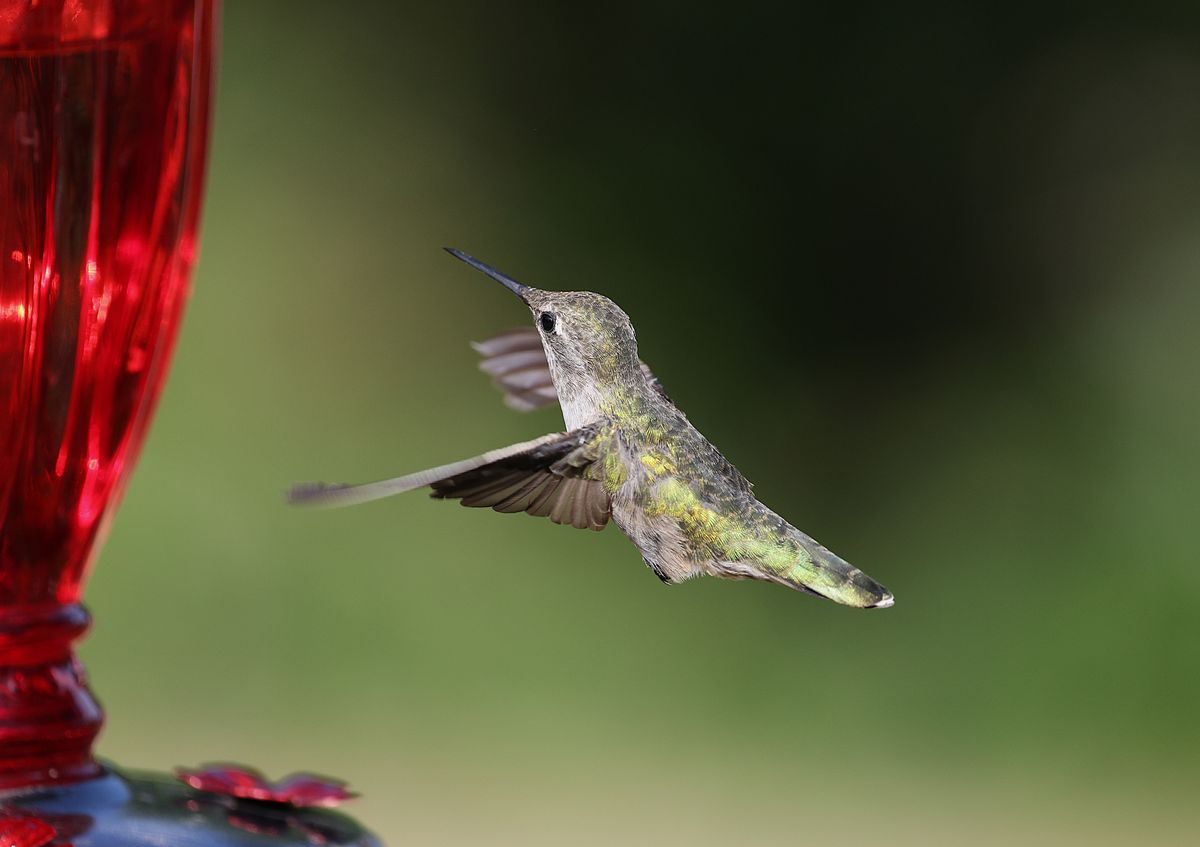
Photo by Veronika Andrews on Pexels
- 90°F+ Weather: Wash & refill DAILY. Fill reservoir only half full to eliminate waste.
- 80°F–89°F Weather: Wash & refill every 48 hours maximum.
- Cleaning Solution: 1 part distilled white vinegar to 4 parts warm water. NO dish soap.
- Solar Cap Rule: Wipe top solar panel with a damp cloth; NEVER submerge in water.
- Glass Reservoir Rule: Hand-wash only. Hand-blown art glass formed at 2,300°F can crack in high-heat dishwashers.
- Golden Nectar Ratio: 4 parts water to 1 part refined white table sugar. No red dye ever.
Pro Tip: Safeguarding Solar LED Components During Washing
When caring for illuminated glass feeders like the LUJII Solar Hummingbird Feeder, always treat the top solar cap as a sealed electronic device. While the cap's protective shield resists rain, snow, and sunlight outdoors, completely submerging it in a sink full of soapy water can force moisture past the rubber gaskets. Instead, detach the cap, wipe the solar panel with a moist microfiber cloth to remove dust and bird droppings, and set it aside while washing the hand-blown glass reservoir and metal base.
Failure Modes: Heat, Fermentation, and Mold Troubleshooting
| Scenario / Symptom | Root Cause | Avian Health Risk | Corrective Action |
| --- | --- | --- | --- |
| Nectar appears milky or contains stringy white specks | Wild yeast fermentation breaking sugar into ethyl alcohol | Liver damage, disorientation, and severe dehydration | Discard nectar immediately. Wash glass bottle with 1:4 vinegar solution and refill with fresh 4:1 sugar water. |
| Tiny black dots around inside of metal or plastic feeding ports | Black mold (Cladosporium) growth anchored in narrow crevices | Avian Candidiasis (fungal tongue infection causing starvation) | Scrub narrow ports using micro-bottle brushes or pipe cleaners soaked in warm white vinegar. Air dry thoroughly. |
| Solar RGB lights flicker or stay unlit at night | Water ingress into battery compartment or dirty solar panel seal | Loss of evening garden illumination decor | Remove cap, dry battery contacts, wipe top solar panel clean, and charge in direct sunlight for 8 full hours. |
| Nectar drips from base ports, attracting ants and wasps | Heat expansion causing pressure buildup inside 32 oz reservoir | Pest infestation and contamination of remaining nectar | Ensure silicone base gasket is properly seated. Hang feeder in partial shade during peak afternoon sun. |
Summer heat accelerates biological spoilage. Identify early warning signs before dangerous pathogens harm your visiting hummingbirds.
Temperature-Calibrated Summer Cleaning & Refill Schedule
- 90°F+ (Extreme Heatwave) — Wash and refill every 24 hours. Fill the 32 oz reservoir only 1/3 to 1/2 full to minimize wasted sugar water.
- 85°F - 89°F (High Summer) — Wash and refill every 48 hours. Inspect port flowers daily for black mold dots.
- 76°F - 84°F (Moderate Heat) — Wash and refill every 3 days. Rinse metal base and inspect silicone seal gaskets.
- 60°F - 75°F (Mild Summer / Early Spring) — Wash and refill every 4 to 5 days. Wipe down exterior glass and solar panel housing.
Key Takeaways for Hot Weather Feeder Hygiene
- Ambient heat drives fermentation; at 90°F+, sugar water spoils within 24 hours.
- Distilled white vinegar (1:4 ratio) is the safest, most effective non-toxic cleaner for art glass feeders.
- Never submerge solar cap assemblies in sink water; wipe top panels clean with a damp cloth.
- Hand-blown art glass created at 2,300°F requires gentle hand washing to preserve translucent colors and structural integrity.
- Partial shade placement extends nectar freshness while preserving solar charging for evening RGB lighting.
5 Deadly Summer Maintenance Mistakes to Avoid
Steer clear of these frequent pitfalls that ruin feeders and put wild birds at risk:
Nectar Fermentation Timeline: Hour-by-Hour Under the Sun
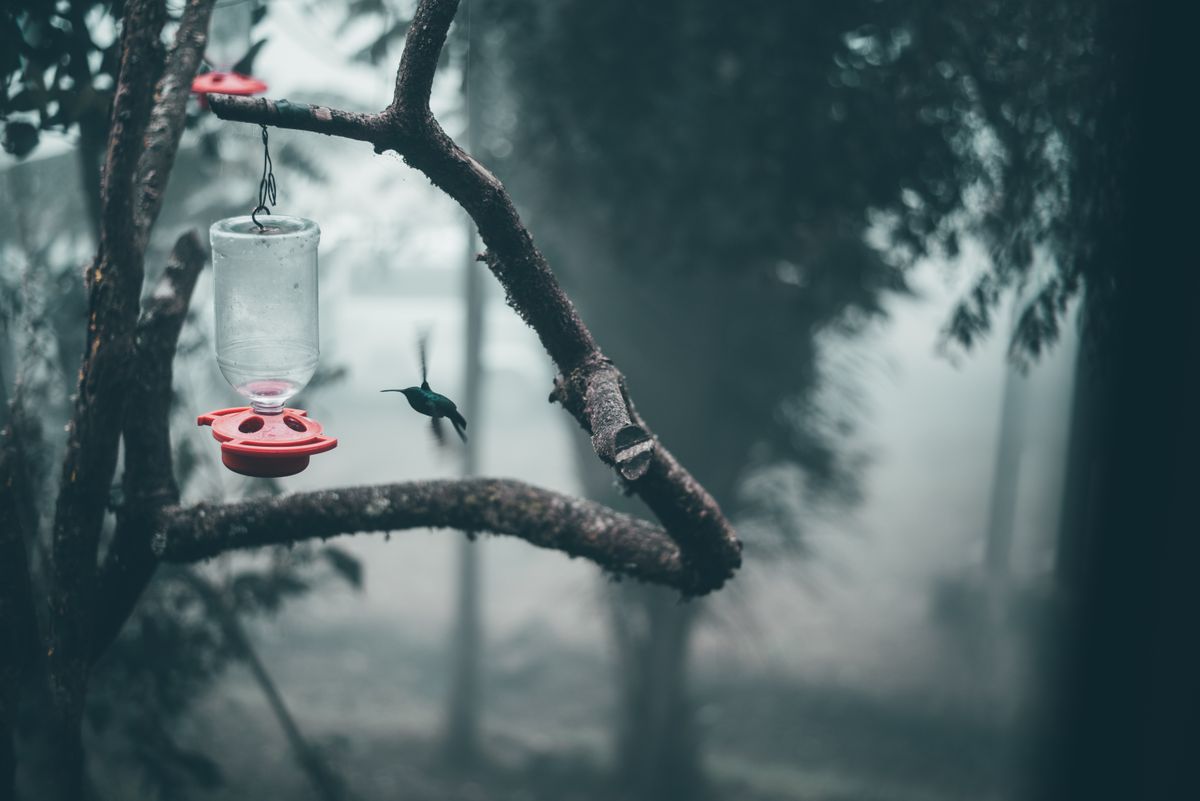
Photo by Luis Pimenttel on Pexels
- 0–12 Hours — Nectar is completely fresh. Wild microscopic yeast spores are introduced via air currents and visiting hummingbird beaks.
- 12–24 Hours (Temp >85°F) — Yeast organisms multiply exponentially in warm sugar solution. Sugar breaks down into alcohol; subtle cloudiness begins.
- 24–48 Hours — Fungal spores anchor inside narrow port openings. Nectar develops a distinct sour odor and visible white stringy residue.
- 48–72 Hours — Bacterial bloom reaches peak density. Black mold colonies expand rapidly across port seals. Ingestion now poses severe risk of fatal tongue infection.
Related Hummingbird Nectar & Care Guides
- Summer Hummingbird Feeder Cleaning Schedule: Heatwave Safety & Solar Glass Care
- Summer Hummingbird Feeder Refill Schedule: Temperature-Based Nectar Safety Guide
- Summer Hummingbird Feeder Cleaning & Pest Control: The Peak Heat Scrubbing Guide
Frequently Asked Questions About Summer Feeder Cleaning
Does solar lighting heat up nectar and cause faster fermentation?
No. Modern LED solar lights emit negligible thermal energy compared to ambient daytime sunlight. The evening illumination from solar LEDs does not accelerate sugar fermentation.
Can I use dish soap to clean my hand-blown glass feeder?
It is best to avoid scent-heavy dish soaps. Soap leaves behind thin chemical films that hummingbirds can taste and ingest. Warm water and a 1:4 distilled white vinegar rinse are far safer and eliminate mold effectively.
How do I remove stubborn black mold inside small feeding flowers?
Use small micro-bottle brushes or pipe cleaners soaked in pure white vinegar. Scrub the narrow channels inside the metal base ports thoroughly, then rinse with warm running water.
Should I fill the 32 oz reservoir completely during extreme heatwaves?
No. During heatwaves above 90°F when daily cleaning is required, fill the reservoir only with the amount your birds consume in 24 to 48 hours (usually 8 to 12 oz). This prevents wasting excess nectar during wash cycles.
Answers to common questions about solar lighting, cleaning solutions, and heat management.
Recommended Summer Care Equipment & Solar Art Glass Feeders
Upgrade your garden decor and simplify summer care with handcrafted solar feeders designed for easy maintenance.
Immediate Actions for Healthy Backyard Birds
Your decision: Determine your local heat tier today and establish a consistent daily morning feeder inspection routine.
Do this next: Flush your feeder with hot water, brush narrow ports with pure white vinegar, and dry thoroughly before filling with fresh 4:1 nectar.
- Read next: Hot Weather Nectar Ratios: How to Keep Hummingbird Food Fresh in Summer
- Read next: How to Clean and Maintain Your Hand-Blown Solar Hummingbird Feeder
LUJII Hand-Blown Glass Solar Hummingbird Feeder (32 oz Leak-Proof, Anti-Rust Metal Base)
Ready to protect your neighborhood hummingbirds and elevate your garden aesthetic? Follow these simple next steps.
Cover photo by Veronika Andrews on Pexels.