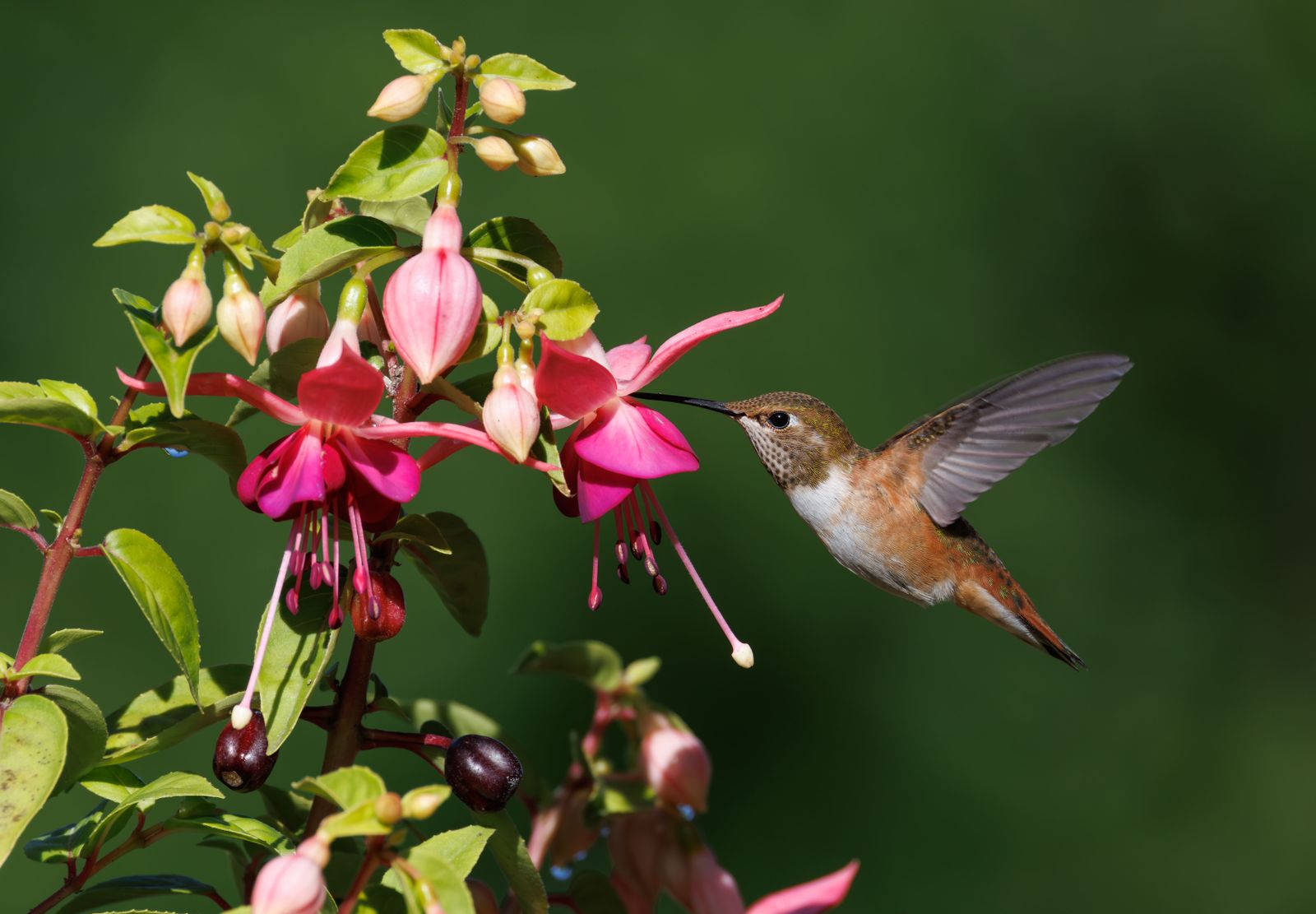
Beat the Heat: Preventing Nectar Expansion Leaks in Summer
Hummingbird feeders leak in direct sunlight because solar radiation heats trapped air inside inverted glass reservoirs. As this air pocket expands, it builds pressure that forces liquid nectar down and out through the feeding ports. To stop leaks instantly, fill the reservoir completely with cold nectar to eliminate air pockets, ensure a tight O-ring seal on the base, and suspend the feeder in micro-shade where top solar panels stay exposed to sunlight while the glass body remains shaded.
Fast Leak Diagnostic Flowchart
- Is nectar dripping continuously or only during hot afternoon hours? → Yes: Go to Afternoon Heat Check. No: Go to Seal & Gasket Check.
- Afternoon Heat Check: Is the glass reservoir partially empty when dripping occurs? → Yes: Thermal Expansion Leak: Large trapped air pocket is expanding under sun heat. Refill completely with chilled nectar.. No: Check micro-shade placement: Sunlight is rapidly heating the glass body..
- Seal & Gasket Check: Is liquid dripping directly from the base threads rather than feeding ports? → Yes: Mechanical Seal Failure: Inspect base O-ring for cracks, misalignment, or trapped debris.. No: Check feeder angle: Strong winds or tilted hanging hooks are unbalancing the internal vacuum barrier..
Summer Feeder Leak Diagnostic Matrix
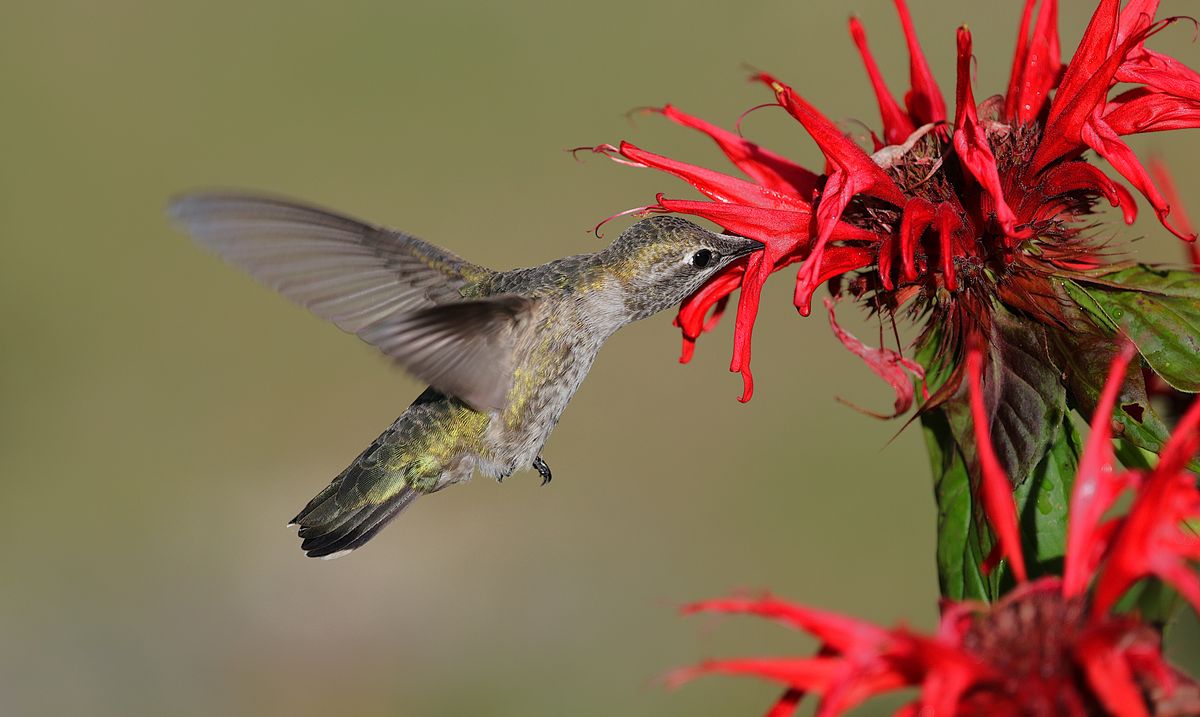
Photo by Veronika Andrews on Pexels
| Scenario & Symptoms | Thermal / Mechanical Root Cause | Immediate Corrective Action |
| --- | --- | --- |
| Intense 12 PM - 3 PM dripping from ports; feeder is half-full | Trapped air pocket expanded due to direct 90°F+ solar heating, forcing liquid through ports. | Purge air pocket: Flush reservoir, refill to 100% capacity with chilled nectar, and re-hang. |
| Steady dripping immediately after refilling in the morning | Missing vacuum seal or thermal mismatch from filling warm reservoir with cold fluid. | Ensure rubber base O-ring is seated flat; invert quickly over a sink to establish vacuum lock. |
| Seepage dripping along bottom metal base threads | Degraded rubber base gasket or loose thread alignment caused by heat expansion. | Tighten metal base firmly; replace worn rubber gasket if flattened or cracked. |
| Intermittent drips on windy afternoon days | Mechanical tilt spilling fluid across port thresholds combined with mild air expansion. | Use a steady hanging swivel or rigid garden shepherd hook to minimize swaying in gusts. |
Match your feeder's specific drip pattern and daily sun exposure scenario to its physical root cause and apply the instant corrective action.
Mastering the Cool-Nectar Inversion Technique
Here is a garden secret that stops drips before they start: never fill a warm glass feeder with warm nectar in direct sun. When liquid and glass are warm, the trapped air pocket begins expanding the moment you invert the reservoir. Always rinse your handcrafted glass reservoir with cold tap water first, then pour in refrigerator-chilled nectar (4:1 water-to-sugar solution). Fill all the way to the top rim to leave less than 1/4 inch of air space. When you invert the feeder quickly over a sink, the cool internal ambient temperature keeps pressure stable, creating an instant vacuum lock that resists thermal expansion as ambient afternoon temperatures rise.
The Physics of Thermal Expansion Leaks in Inverted Glass Feeders
To understand why inverted glass feeders drip in summer, we must examine the ideal gas law inside sealed reservoirs. Air expands significantly faster than liquid water when exposed to solar radiation.
Shade vs. Solar Light Placement Decision Tree
- Does your hanging location receive direct sunlight between 11 AM and 4 PM? → Yes: Evaluate micro-shade options. No: Standard hanging location is safe from thermal leaks
- Can you position the feeder under a tree branch edge where overhead leaves shade the glass body but top solar cap sees sky? → Yes: Ideal Micro-Shade Placement: Absorbs 6-8 hrs solar charge while keeping glass reservoir cool.. No: Consider adding an overhead solar heat shield or shifting to morning sun / afternoon shade location.
Essential Summer Leak Prevention Rules
- Minimize air pockets by filling reservoirs completely to the top rim.
- Pre-chill nectar solution in the refrigerator before refilling.
- Use micro-shade placement to expose top solar cells while shielding glass nectar bodies.
- Inspect rubber thread gaskets regularly for thermal degradation.
- Refresh nectar every 2 days during extreme heatwaves to stop fermentation gas.
- Minimize Air Pockets: Air expands significantly more than liquid when heated. Keeping feeders full reduces the air volume available to expand.
- Chill Your Nectar: Pouring cold nectar into a cool glass vessel establishes a strong initial vacuum lock upon inversion.
- Utilize Micro-Shade: Position your solar glass feeder where top solar panels catch direct overhead rays while surrounding foliage shields the glass body from harsh afternoon sun.
- Maintain Base Gaskets: Regularly inspect the anti-rust metal base and rubber O-ring for alignment and wear to preserve a leak-proof seal.
- Clean Weekly: Heat accelerates sugar fermentation. Fresh nectar prevents gas bubbles that further unbalance reservoir pressure.
Choosing the Right Feeder Design for High-Heat Climates
To eliminate summer drips without sacrificing nighttime solar garden lighting, choose thick hand-blown glass reservoirs with top solar caps and anti-rust metal bases, or deploy micro-shade hanging strategies.
Best choice for
- LUJII Hand-Blown Solar Glass Feeder with Top Protective Solar Cap — The protective plastic solar cap shields the bottle neck from overhead UV rays, while heavy hand-blown glass insulates internal temperatures better than thin plastic.
- Dish/Basin Style Feeder — Basin-style feeders store nectar below ports without relying on a vacuum, making thermal expansion leaks physically impossible.
- Hanging thin single-walled plastic inverted feeders in 100% full afternoon sun.
- Filling inverted glass feeders only half-full during 90°F+ heatwaves.
- Micro-Shade Solar Positioning — Hanging feeders on the eastern canopy edge of trees lets morning sun charge the top solar panel while leaf canopy shades the reservoir from hot afternoon rays.
Leak-Resistant Solar Hummingbird Feeders
If you want to enjoy brilliant hummingbird visits by day and magical RGB garden lighting by night without sticky ground messes, consider these handcrafted solutions:
- 🌟 LUJII Hand-Blown Glass Solar Hummingbird Feeder (32 fl.oz)
Feeder Architecture Heat & Leak Resilience Comparison
| Feeder Type | Thermal Expansion Vulnerability | Solar Light Capability | Cleanability & Maintenance | Best Summer Use Case |
| --- | --- | --- | --- | --- |
| LUJII Hand-Blown Solar Glass Feeder | Low to Moderate (Mitigated by thick glass & protective top solar cap) | High (Integrated top solar cap delivers 8 hrs RGB light) | Easy (32 oz see-through glass & wide metal base disassemble easily) | Full garden decor with micro-shade placement |
| Inverted Thin Plastic Feeder | Very High (Thin plastic rapidly transfers solar heat to air pocket) | None to Low | Moderate (Plastic clouds and scratches over time) | Shaded porch or patio under deep cover |
| Flat Dish / Basin Feeder | Zero (No vacuum required; liquid sits below port height) | None (Unless external solar accent light is added) | Very Easy (Open bowl design) | Unshaded extreme heat locations (100°F+) |
Compare how different hummingbird feeder materials and structural configurations perform during peak summer heat waves.
Step-by-Step Guide to Resetting an Expanding Feeder
Follow these six steps to clear expanding gas, rebuild a tight vacuum lock, and eliminate afternoon drips.
5 Critical Mistakes That Worsen Sun Leaks
- Filling Feeders Only Half-Full: A half-empty feeder contains a large air pocket. Air expands exponentially when heated, creating powerful internal pressure that pushes nectar out.
- Hanging in 100% Unshaded Afternoon Sun: Placing glass reservoirs directly in intense 12 PM - 3 PM direct radiation rapidly cooks the nectar and builds pressure.
- Using Hot or Boiling Nectar: Pouring warm sugar water into the feeder creates immediate expansion before you even hang it outdoors. Always chill nectar first.
- Over-Tightening Metal Base Threads: Forcefully torqueing the base can pinch or deform the rubber O-ring gasket, destroying the airtight seal required for vacuum stability.
- Neglecting Nectar Freshness in High Heat: Heat causes fermentation gas bubbles. These micro-bubbles increase internal pressure and accelerate leaks.
Frequently Asked Questions About Solar Feeder Leaks
Find quick answers to common summer maintenance and solar lighting questions.
Immediate Actions to Protect Your Nectar Today
Your decision: Determine if your leak is caused by solar thermal expansion (air pocket push) or a damaged base O-ring seal.
Do this next: Flush feeder with cool water, refill completely to the brim with fresh 4:1 chilled nectar solution, inspect base thread gasket, and hang in a micro-shade location.
Related resource: Hot Weather Nectar Ratios: How to Keep Hummingbird Food Fresh in Summer
LUJII Hand-Blown Glass Solar Hummingbird Feeder (32 fl.oz, Leak-Proof Metal Base)
Take these simple steps right now to stop heat-induced drips and transform your garden into a leak-free hummingbird haven.
Further Summer Care Guides
Internal links to related cluster topics.
Cover photo by Veronika Andrews on Pexels.