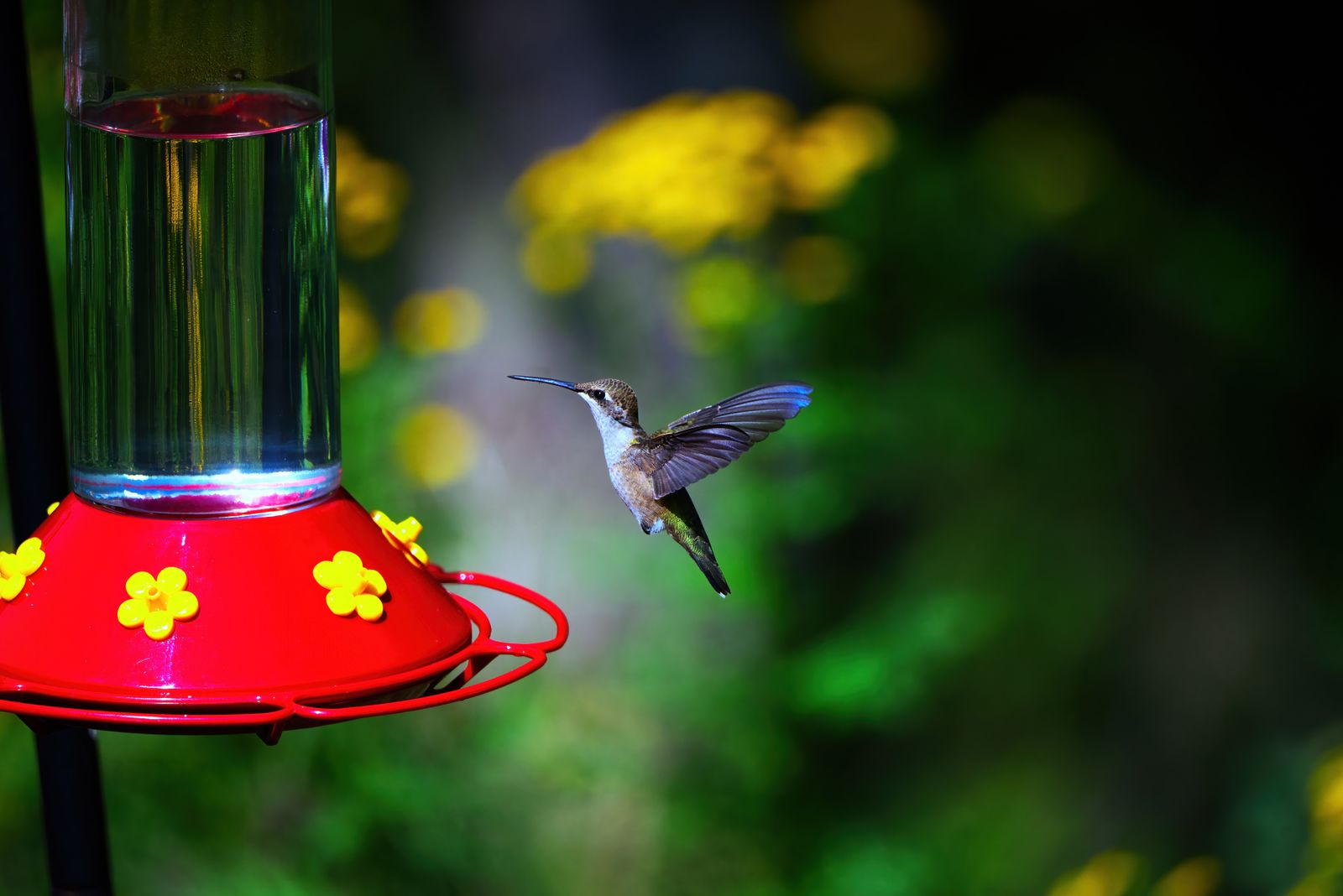
Summer Hummingbird Feeder Refill Schedule: Temperature-Based Nectar Safety Guide
As a rule of thumb, replace hummingbird nectar every 48 hours when ambient temperatures reach 88°F, and every 24 hours once peak heat exceeds 92°F. Above 60°F, wild yeast and airborne bacteria double exponentially, converting sweet sugar water into toxic alcohol and dangerous black mold (Cladosporium) within 24 to 48 hours.
Core Rules for Summer Nectar Care
- 60°F Threshold: Nectar remains safe for up to 5 days below 60°F, but spoilage accelerates rapidly once daily peaks cross 70°F.
- 88°F Trigger: At 88°F, fermentation reaches critical levels within 48 hours; complete nectar replacement and port rinsing are mandatory.
- 92°F+ Heatwave Rule: In temperatures over 92°F, discard nectar every 24 hours regardless of shade or reservoir capacity.
- Strict 4:1 Ratio: Always maintain 4 parts water to 1 part pure white refined sugar. Never increase sugar concentrations during summer, as extra sucrose dehydrates hummingbirds.
- Partial-Fill Strategy: During 90°F+ heatwaves, fill 32 fl.oz glass reservoirs only 25% to 35% full (8–12 fl.oz) to minimize wasted sugar water while keeping fresh food available.
Temperature-Indexed Fermentation Timeline
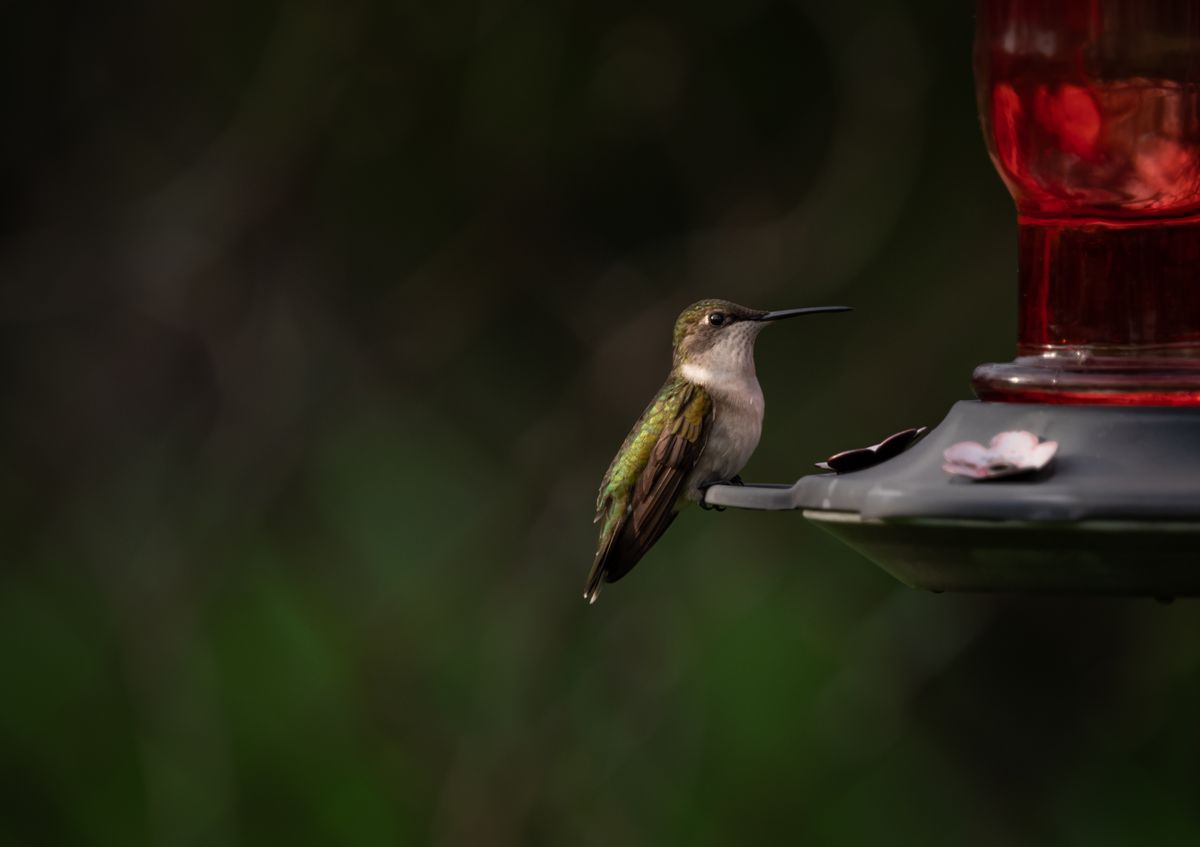
- Under 70°F (Mild Weather) — Safe lifespan: 5 Days. Microbial activity is minimal. Inspect feeding ports daily for dust or debris; perform a routine rinse and refill on day 5.
- 71°F – 80°F (Warm Weather) — Safe lifespan: 3 Days. Wild yeasts begin active sugar breakdown around hour 48. Nectar remains clear, but subtle chemical changes start by day 3.
- 81°F – 87°F (Hot Weather) — Safe lifespan: 2 Days (48 Hours). Microscopic fungal spores multiply. By hour 40, cloudiness and faint acetic smells develop in sunny locations.
- 88°F – 92°F (Intense Heat) — Safe lifespan: 36 to 48 Hours. High heat speeds up ethanol fermentation. Refill every 2 days max; if hung in partial sun, replace every 24 hours.
- 93°F+ (Extreme Heatwave) — Safe lifespan: 24 Hours (Daily Refill). Severe heat turns sugar water into toxic alcohol in under 30 hours. Black mold spores bloom quickly on warm port threads.
Summer Refill & Cleaning Routine Matrix
- Daily (Morning Check) — Visually inspect the hand-blown glass reservoir against natural morning light. Look for stringy yeast strands, liquid cloudiness, or dark specks inside feeding ports.
- Every 24-48 Hours (Refill Cycle) — Dump unused nectar entirely. Rinse reservoir and metal base with hot tap water (no harsh detergents). Refill with fresh, cooled 4:1 nectar mixture.
- Weekly Deep Sterilization — Soak the glass reservoir and metal base in a 1:4 white vinegar and warm water solution for 15 minutes. Use a soft micro-brush on silicone port seals to remove hidden mold.
Visualizing Nectar Spoilage & Heat Shielding
Proper placement and feeder construction significantly slow down solar heat transfer. The diagram below illustrates optimal summer hanging conditions.
Interactive Summer Nectar Batch & Refill Estimator
Avoid wasting sugar water during severe midsummer heatwaves by calculating exact batch sizes tailored to your yard's temperature and bird population.
Pro Advice: Managing High-Capacity Glass Feeders in Extreme Heat
High-capacity feeders like the LUJII Hand-Blown Glass Solar Hummingbird Feeder hold up to 32 fl.oz of nectar, making them fantastic for hosting busy migratory flocks. However, during 95°F midsummer spikes, pouring 32 ounces of sugar water into a feeder only to dump it 24 hours later feels painful.
Here is the secret used by master backyard birders: The Partial-Fill Strategy.
Fill your 32 fl.oz glass reservoir with only 8 to 12 fl.oz of nectar during peak July and August heatwaves. The thick, hand-crafted glass (blown at 2,300°F) provides superior thermal insulation compared to ultra-thin plastic feeders. Meanwhile, the translucent glass artwork lets you check the exact fluid level from your kitchen window without disturbing feeding birds. You get all the beauty and thermal stability of a premium glass art piece without wasting a single cup of sugar.
Dangerous Summer Feeding Pitfalls to Avoid
Well-meaning bird lovers often make unintentional mistakes during heatwaves that put local hummingbirds at severe risk. Avoid these three dangerous practices:
Peak Summer Heatwave Management Calendar
| Month | Avg Temp Range | Refill Cadence | Recommended Fill Vol | Sanitation Priority |
| --- | --- | --- | --- | --- |
| June (Early Summer) | 70°F – 82°F | Every 3 Days | 16–24 fl.oz | Inspect port seals for post-spring pollen buildup. |
| July (Peak Heat) | 85°F – 95°F+ | Every 24–48 Hours | 8–12 fl.oz (Partial) | Daily hot water rinse; twice-weekly vinegar soak. |
| August (Late Summer) | 88°F – 98°F+ | Every 24 Hours | 8–12 fl.oz (Partial) | Scrub base threads daily to prevent black mold. |
| September (Migration) | 75°F – 85°F | Every 2–3 Days | 24–32 fl.oz (Full) | Expand volume to support hyperphagia energy demands. |
Track summer climate progression from June through September to adjust your backyard feeding operations before heat-driven bacterial spikes take hold.
Heat-Resistant Feeder Design Features
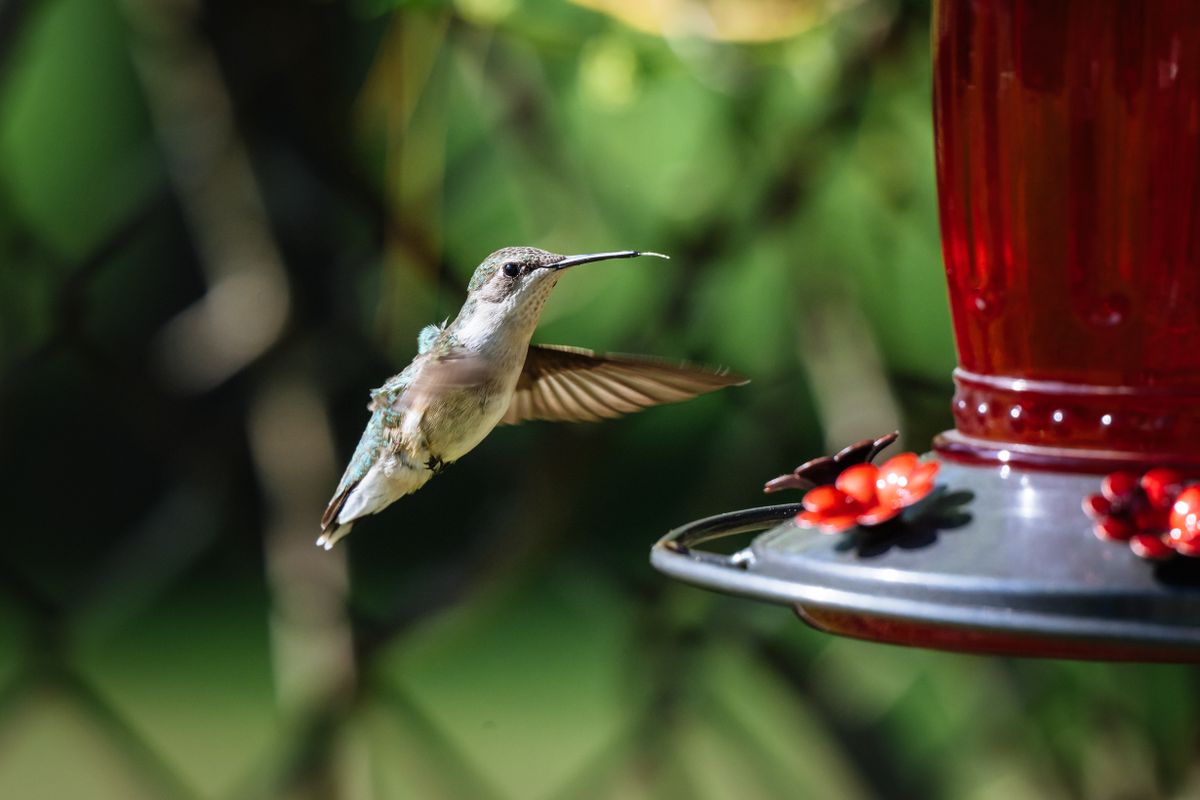
When selecting an outdoor feeder built to handle intense summer heat, artistic elegance must meet practical weather-shielding engineering.
The LUJII Solar-Powered Hummingbird Feeder is specifically crafted to protect nectar while elevating your garden decor:
- Hand-Blown Glass Artistry: Shaped by master glass artists at 2,300°F, the heavy translucent glass walls buffer against sudden temperature spikes far better than thin plastic.
- Protective Solar Cap Shield: A durable top cap shields the glass reservoir below from direct overhead solar radiation and summer downpours while charging the internal solar battery.
- Leak-Proof Metal Base: The sealed, anti-rust coated metal base prevents sticky drips that attract yellow jackets, wasps, and ants during hot dry spells.
- Twilight RGB Illumination: After absorbing sunlight all day, energy-efficient, cool-touch RGB LEDs automatically light up at night for up to 8 hours without transferring ambient heat to the nectar.
Regional Summer Heat Strategies: Desert vs. Humid Climates
Summer weather manifests differently across the United States. Tailor your maintenance schedule to your specific regional climate dynamics:
Daily Summer Nectar Freshness Verification Checklist
- [ ] Hold translucent glass reservoir up to natural light to verify liquid clarity.
- [ ] Check bottom metal base and feeding ports for tiny black mold specks.
- [ ] Swirl liquid to check for stringy yeast strands or cloudiness.
- [ ] Perform a quick smell test: discard immediately if liquid smells vinegary or yeasty.
- [ ] Confirm feeder is positioned to receive full shade during peak solar heat (12 PM - 4 PM).
Frequently Asked Questions About Summer Nectar Safety
Does the warmth from night lighting on solar feeders affect nectar overnight?
No. Modern solar hummingbird feeders utilize energy-efficient RGB LEDs that produce negligible heat. Furthermore, the top-mounted plastic solar cap acts as a thermal barrier, shielding the hand-blown glass reservoir below from ambient warmth and solar heat absorption.
Should I change my sugar-to-water nectar ratio during extreme summer heatwaves?
No. Maintain strictly the standard 4:1 water-to-sugar ratio (4 cups plain water to 1 cup white refined sugar). Never increase sugar content during heatwaves; higher sugar concentrations dehydrate hummingbirds when they need clean liquid hydration most.
How do I thoroughly clean black mold out of hand-blown glass feeder ports without scratching?
Soak the handcrafted glass reservoir and metal base in a 1:4 solution of plain white vinegar and warm water for 15 to 20 minutes. Follow up by scrubbing gently inside feeding ports with a soft microfiber tube brush. Avoid harsh wire brushes or abrasive chemicals that could scratch the glass or compromise anti-rust coatings.
Answers to common summer feeding and solar feeder care queries:
Your Hot-Weather Action Plan
Your decision: Transition your summer feeding strategy to temperature-indexed refills and partial reservoir filling.
Do this next: Check your local 7-day weather forecast, adjust nectar batch sizes to match 24-48 hour limits, and position feeders in afternoon shade.
Related resource: Pillar Page: Hummingbird Nectar Essentials: Preparation, Freshness, and Feeding SafetyLUJII Hand-Blown Glass Solar Hummingbird Feeder (32 fl.oz capacity with UV-protective solar cap, RGB lights, and rust-proof metal base).
Protect your backyard guests today by shifting your feeding strategy from full-capacity fills to rapid, temperature-indexed turnover.
Explore Related Nectar Care Guides
Link readers to complementary guides in the Hummingbird Nectar Essentials pillar.
Cover photo by DANNIEL CORBIT on Pexels.