Summer Hummingbird Feeder Cleaning & Pest Control: The Peak Heat Scrubbing Guide
Should you scrub daily or change nectar twice a day in high summer heat? In temperatures over 90°F, replace nectar and flush feeder ports every 24 hours. Scrub every 48 hours using a 1:4 white vinegar-to-water solution. Avoid submerging the solar cap; wipe it with a damp microfiber cloth to preserve RGB components.
Peak Heat Feeder Sanitization Checklist
- [ ] Unscrew the artisan glass reservoir from the metal base carefully.
- [ ] Remove the plastic solar cap and wipe clean with a damp cloth (DO NOT submerge).
- [ ] Dump old nectar completely into the sink; never top off remaining hot nectar.
- [ ] Flush glass interior with hot tap water (ensure water is close to glass temperature to prevent shock).
- [ ] Scrub inside walls with a soft bottleneck brush using a 1:4 white vinegar and warm water mixture.
- [ ] Clean metal base ports and sealing threads with a micro-brush to remove invisible sugar crusts.
- [ ] Rinse all non-electronic parts thoroughly with cool clean water until vinegar smell disappears.
- [ ] Air-dry completely in shade before refilling with fresh, cooled 4:1 sugar solution.
Printable Summer Feeder Care & Sanitization Card
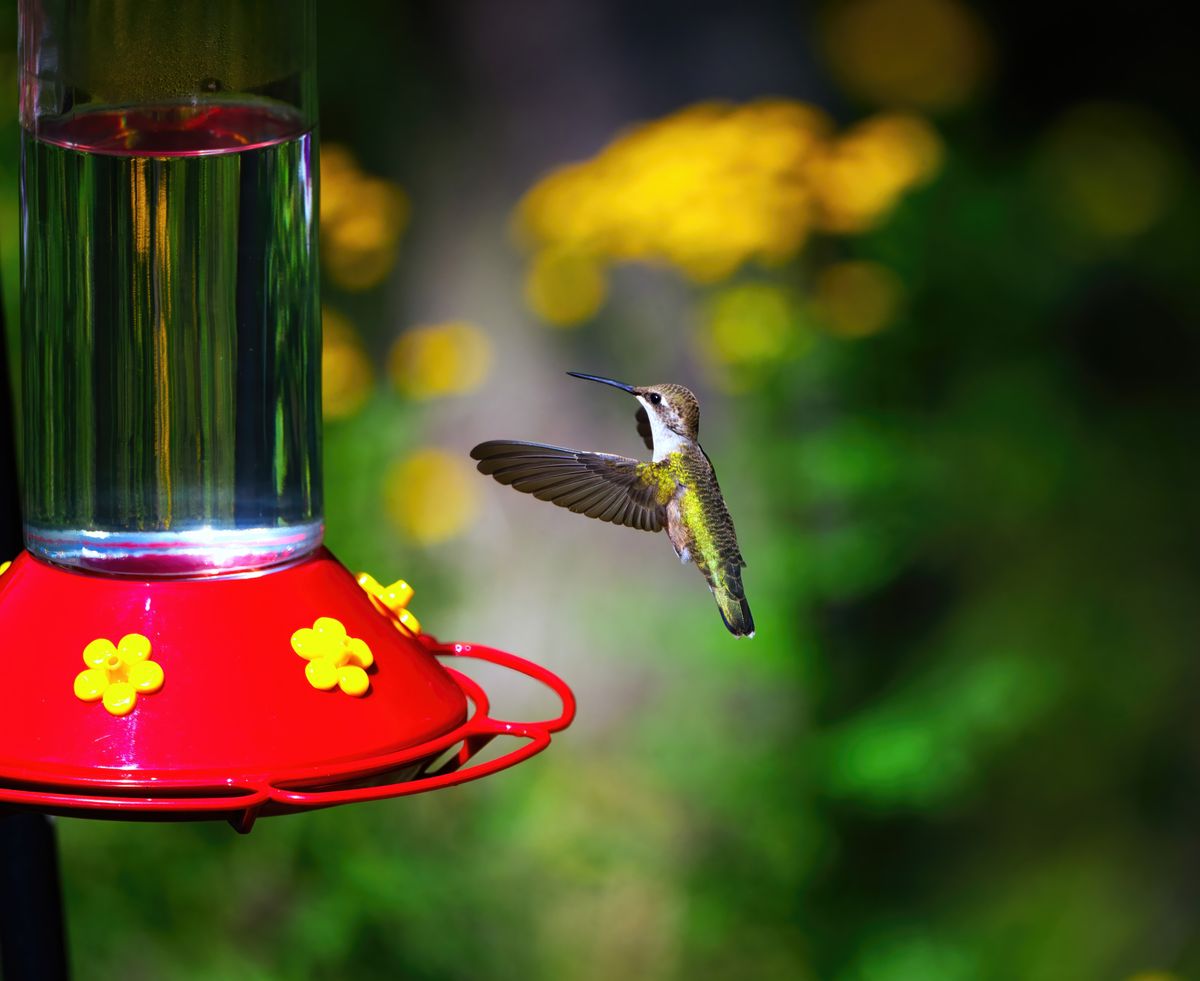
Photo by DANNIEL CORBIT on Pexels
- Sanitization Mixture: 1 part plain white distilled vinegar to 4 parts warm water.
- Solar Cap Care: Wipe solar cell and LED housing only with a damp microfiber cloth. Never submerge.
- Temperature Rule (>90°F): Dump nectar daily; scrub base and glass every 48 hours.
- Temperature Rule (<80°F): Change nectar and scrub every 3 to 4 days.
- Glass Protection: Equalize tap water temperature to glass body temperature to prevent thermal shock.
- Pest Deterrence: Keep port threads 100% dry and free of sugar glaze to stop yellowjackets.
Artisan Glass Care & Electrical Preservation Secrets
When handling handcrafted 2,300°F hand-blown glass, thermal shock is your biggest structural threat during mid-summer cleaning. Bringing a sun-baked glass feeder directly into an air-conditioned kitchen and rinsing it under freezing tap water causes micro-fractures in the glass matrix. Always let your glass reservoir rest in ambient indoor air for 10 minutes before washing, and use lukewarm water.
For the solar assembly, treat the solar cap like fine kitchen electronics. While the plastic solar top is built weather-resistant against overhead rain and morning snow, the internal RGB LED circuits and rechargeable batteries sit right under the cap. Never soak the top cap in a vinegar bath or run it under pressurized tap water. A light wipe with a warm, damp microfiber cloth removes pollen, dust, and bird residue while maintaining crystal-clear light output for your evening garden.
Summer Feeder Failure Modes & Pest Troubleshooting
| Failure Mode / Scenario | Root Cause | Immediate Corrective Action | Long-Term Prevention |
| --- | --- | --- | --- |
| Black speckling inside glass reservoir walls | Fungal spores (mold) colonizing rapidly in fermenting sugar solution during high humidity. | Disassemble reservoir. Soak glass only in 1:4 white vinegar solution for 30 minutes and scrub with soft bottle brush. | Shorten nectar replacement interval to 24 hours when ambient temperatures exceed 85°F. |
| Aggressive yellowjackets hovering around port threads | Microscopic sugar crusting on external metal base threads from overfilling or tipping. | Unscrew metal base, scrub threads with a micro-brush, rinse thoroughly, and wipe exterior completely dry. | Fill reservoir to 80% capacity (32 fl.oz max) to prevent sloshing during high winds. |
| Solar RGB lights flickering or failing at dusk | Water intrusion into solar battery compartment or dirt buildup on solar collector panel. | Remove solar cap, inspect battery compartment seal, wipe solar collector lens, and charge cap in direct sunlight for 8 hours. | Wipe top solar collector panel weekly with a damp cloth to clear dust and bird droppings. |
| Cloudy, milky nectar liquid after 36 hours | Wild yeast fermentation breaking down sucrose into alcohol and acetic acid. | Dump nectar immediately, flush ports with hot water, and sanitize with vinegar before refilling. | Boil 4:1 water-to-sugar solution for 1 minute during preparation to kill tap water microbes. |
Identify critical hot-weather failure points before they ruin your feeder or endanger visiting hummingbirds.
Temperature-Based Summer Maintenance Schedule
- Under 70°F (Spring / Mild Weather) — Change nectar every 5 to 7 days. Perform a full vinegar scrub of glass and metal base once per week.
- 70°F to 80°F (Moderate Summer) — Change nectar every 3 to 4 days. Scrub glass interior and port gaskets during every nectar change.
- 81°F to 89°F (Warm Heatwave) — Change nectar every 48 hours. Flush metal base ports with hot water daily. Wipe solar cap clean.
- 90°F and Above (Extreme Peak Heat) — Replace nectar every 24 hours. Perform a complete vinegar scrub every 48 hours. Hang feeder in 100% shade.
Key Takeaways for Summer Nectar Hygiene
Keep these essential rules in mind to protect your local hummingbirds and prolong the life of your solar feeder.
Top 5 Summer Cleaning Mistakes That Invite Wasps
Avoid these common errors to keep your feeding station safe, clean, and free of stinging insects.
Peak Heat Nectar Spoilage vs. Wasp Attraction Timeline
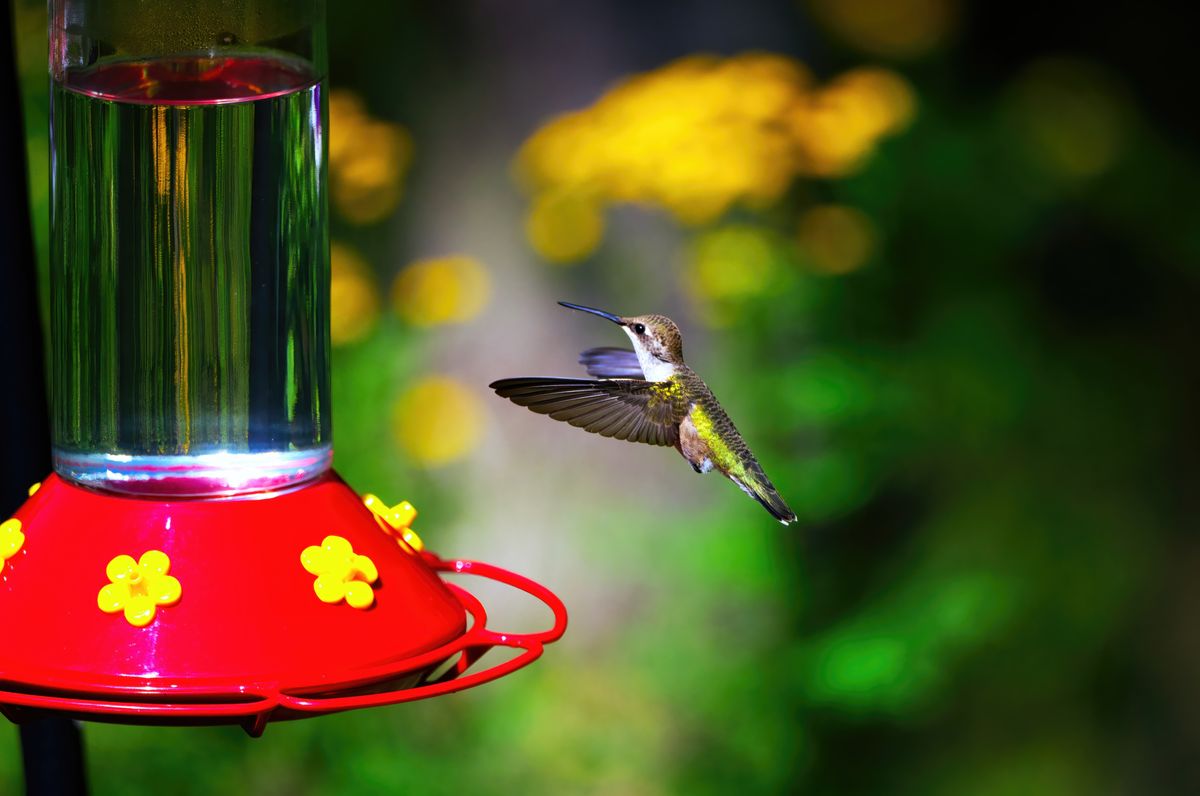
Photo by DANNIEL CORBIT on Pexels
- 0 to 12 Hours (Fresh Nectar at 90°F) — Sucrose solution remains stable. Hummingbirds feed actively. Zero fermentation odors detected.
- 12 to 24 Hours (Early Fermentation) — Wild yeast organisms begin multiplying. Minor cloudiness begins. Wasps detect faint ethanol vapors.
- 24 to 36 Hours (Active Fermentation & Spoilage) — Fungal growth starts on glass walls. Nectar grows cloudy. Yellowjackets establish feeding routes.
- 36 to 48+ Hours (Severe Spoilage & Pest Swarms) — Black mold spots form inside base. High acid concentration nauseates hummingbirds. Wasps aggressively defend feeder.
Frequently Asked Questions
Get answers to common edge-case questions regarding solar illumination and feeder sanitation.
Recommended Gear for Summer Solar Feeder Upkeep
Upgrade your backyard sanctuary with weather-resistant, handcrafted solar feeders designed for effortless cleaning and pest exclusion.
Immediate Actions for a Pest-Free Garden
Your decision: Determine your current regional peak temperature and inspect your feeder for sticky residue or cloudiness.
Do this next: Flush and scrub your solar hummingbird feeder using a 1:4 vinegar solution, clean port threads, and wipe the solar cap with a damp cloth.
- Read next: How to Hang Your Solar Hummingbird Feeder to Block Ants and Crawling Insects
- Read next: Best Bee-Proof Hummingbird Feeders: Styles, Guards, and Port Designs Compared
Upgrade to a leak-proof LUJII Hand-Blown Solar Hummingbird Feeder featuring a sealed anti-rust metal base to stop wasp-attracting drips.
Follow these final steps to establish a safe, beautiful feeding environment throughout the hottest months of the year.