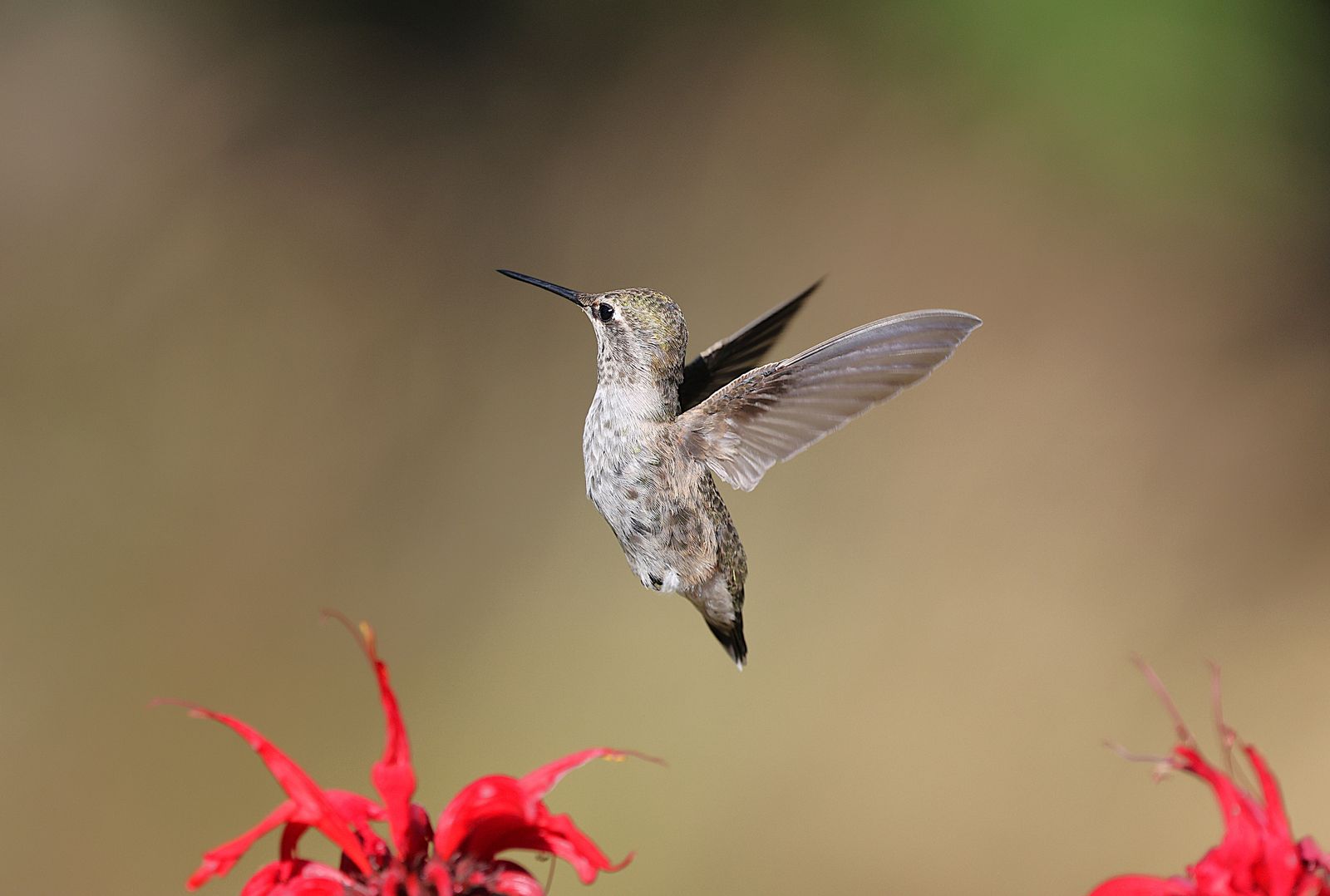
Summer Hummingbird Feeder Cleaning Schedule: Heatwave Safety & Solar Glass Care
Should you clean your hummingbird feeder daily in summer heat? Yes. When temperatures top 90°F, nectar ferments within 24 hours, creating lethal yeast and bacteria. Clean every 2 to 3 days between 75°F and 89°F, and every 4 to 5 days below 75°F. Rapid fermentation produces fungal spores like Candida albicans, causing painful, fatal tongue swelling in hummingbirds.
Essential Summer Feeder Sanitation Checklist
- [ ] Check local daily peak weather temperature forecast to determine wash frequency
- [ ] Inspect nectar for cloudiness, black spots, or stringy yeast before filling
- [ ] Unscrew solar light cap module and place safely in a dry, covered area
- [ ] Disassemble glass reservoir, rubber gaskets, metal base, and feeding ports
- [ ] Rinse glass body with warm (not boiling) water to prevent thermal shock micro-cracks
- [ ] Soak glass, metal base, and ports in a 1:4 distilled white vinegar to water bath for 15 minutes
- [ ] Scrub interior ports and narrow channels using dedicated micro port brushes
- [ ] Rinse all washed parts thoroughly with cold water until vinegar aroma is completely gone
- [ ] Air-dry all components thoroughly on a clean towel before reassembling
- [ ] Fill only with fresh 4:1 boiled and cooled sugar water matching 1-3 day consumption volume
Printable Quick-Reference Maintenance Guide
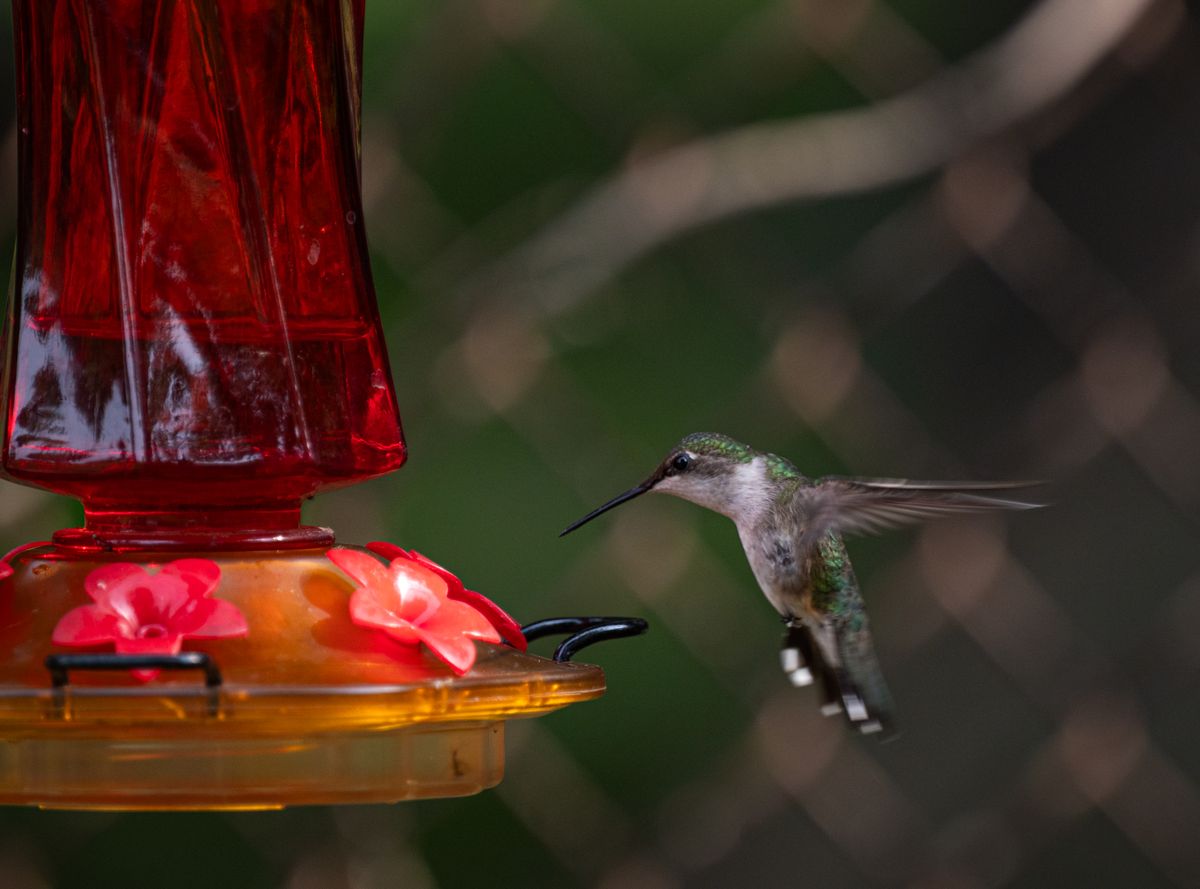
- 90°F+ Heatwave Warning: Dump nectar & sanitize daily. Fill reservoir 1/3 full to prevent waste.
- 80°F–89°F Warm Summer: Sanitize every 48 hours. Inspect feeding ports daily for black mold.
- 75°F–79°F Moderate Heat: Sanitize every 3 days. Position feeder in partial shade.
- Solar Electronics Safety Rule: Never submerge the solar cap; wipe clean with a damp microfiber cloth.
- Hand-Blown Glass Rule: Avoid boiling water or dishwashers; use a 1:4 white vinegar soak.
Pro Tip: Safeguard Hand-Blown Art Glass & Solar Electronics
When caring for artisan solar glass feeders—such as the hand-blown glass feeders crafted at 2,300°F—never submerge the top solar housing in water. While the plastic solar cap shields against rain and snow during outdoor hanging, complete submersion forces moisture into the internal battery compartment and RGB LED sensors. Instead, unscrew the cap and set it aside, wiping the solar panel face with a soft damp cloth. To clean the translucent glass body, avoid boiling water or harsh thermal shock; a gentle 15-minute soak in a 1:4 white vinegar solution removes mineral scale and kills bacteria while protecting color pigments embedded deep within the glass layers.
Summer Temperature vs. Cleaning Frequency Matrix
| Temperature Range | Fermentation Threat Level | Mandatory Wash Interval | Recommended Nectar Fill Volume | Action Protocol |
| --- | --- | --- | --- | --- |
| 60°F – 74°F (Mild Days) | Low yeast activity | Every 4 to 5 Days | Full 32 fl. oz Reservoir | Standard vinegar bath; inspect ports during regular refill. |
| 75°F – 84°F (Summer Warmth) | Moderate bacterial growth | Every 3 Days | 1/2 Reservoir (16 fl. oz) | Rinse with warm water; soak base in 1:4 white vinegar bath. |
| 85°F – 92°F (High Summer) | Rapid yeast fermentation | Every 2 Days (48 Hours) | 1/3 Reservoir (10 fl. oz) | Daily visual clarity check; 15-minute vinegar soak every 48 hours. |
| 93°F+ (Extreme Heatwave) | Lethal fungal spore bloom (<24 hrs) | Daily (Every 24 Hours) | 1/4 Reservoir (8 fl. oz) | Dump leftover nectar daily; scrub port crevices with micro-brush. |
Match your local outdoor peak heat index to the required wash interval and recommended nectar volume.
Immediate Steps for Peak Summer Feeder Safety
Your decision: Determine your local 7-day weather forecast high temperatures.
Do this next: Inspect your feeder for cloudy nectar or black spots today, switch to a 2-part white vinegar cleaning routine, and adjust your fill capacity to match your local temperature zone.
- Read next: Hot Weather Nectar Ratios: How to Keep Food Fresh in Summer
- Read next: Hummingbird Feeder Gasket and O-Ring Maintenance
🌟 LUJII Solar-Powered Hand-Blown Glass Hummingbird Feeder with RGB Lights & Leak-Proof Metal Base
Take these quick actions today to protect your backyard birds from heatwave nectar spoilage.
Critical Summer Hummingbird Maintenance Rules
- Heat accelerates yeast growth: Sugar water exposed to 90°F+ ambient heat begins fermenting within 12 to 24 hours.
- Prevent Avian Candidiasis: Ingesting fermented nectar leads to fungal infections that swell hummingbird tongues, rendering them unable to feed.
- Isolate solar electronics: Always remove and dry-wipe the top solar light housing; never submerge battery compartments.
- White vinegar is 100% safe for art glass: Hand-blown glass pigments fused at 2,300°F will not fade or degrade in vinegar baths.
- Right-size your fills: During extreme heat, fill your 32 oz feeder only 1/3 full to prevent dumping excess sugar water.
Detailed Summer Maintenance Protocol: Step-by-Step
- Daily Morning Check (Heatwaves 85°F+) — Inspect nectar clarity against morning sunlight. If nectar appears cloudy, hazy, or stringy, dump immediately and rinse the base with cool water.
- Every 48 to 72 Hours (Standard Summer) — Unscrew the solar cap module. Soak the glass reservoir and anti-rust metal base in a 1:4 distilled white vinegar bath for 15 minutes. Scrub feeding ports.
- Weekly Deep Inspection — Check leak-proof rubber gaskets and metal flower perches for micro-mold. Use narrow micro-brushes to clean internal port channels thoroughly.
- Post-Storm / Rain Maintenance — Wipe down the top plastic solar shield to remove pollen, dust, or water spots, ensuring maximum photovoltaic recharge efficiency for evening RGB lighting.
5 Deadly Summer Cleaning Mistakes to Avoid
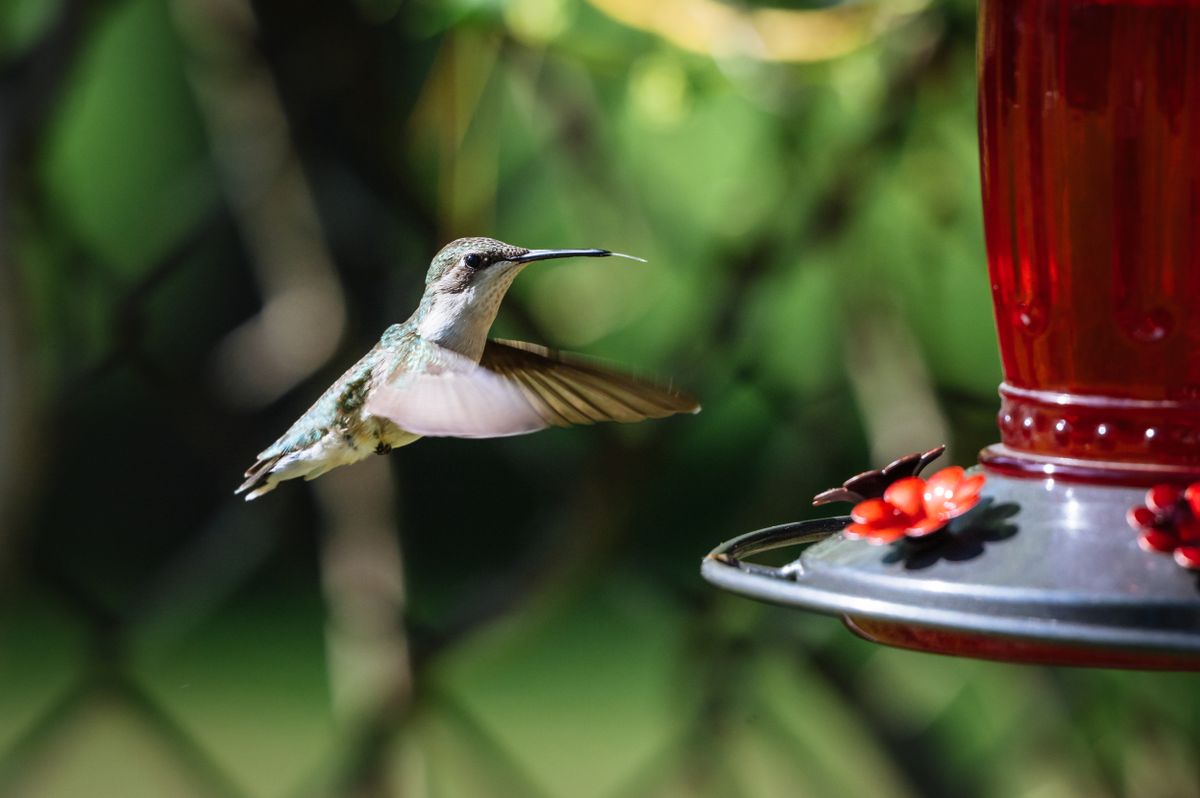
Avoid these common failure modes that ruin feeder hardware or endanger visiting hummingbirds.
Nectar Fermentation Timeline in Heat Waves (90°F+ Direct Exposure)
- 0 – 6 Hours — Fresh nectar; clear 4:1 sucrose solution providing optimal hydration and calories for territorial hummingbirds.
- 12 Hours — Microscopic airborne yeast spores begin germinating; slight haze forms under direct sun exposure.
- 24 Hours — Fermentation accelerates rapidly; alcohol and acetic acid byproducts form; nectar turns cloudy and smells sour.
- 36 – 48 Hours — Lethal mold and yeast colonies proliferate (Candida / Aspergillus); black spots appear on ports; consumption causes severe avian illness.
Explore Related Feeder Care & Nectar Guides
Deepen your backyard birding knowledge with these essential care guides:
- Hot Weather Nectar Ratios: How to Keep Food Fresh in Summer — Learn how boiling time and sucrose concentrations affect shelf life during high humidity.
- Hummingbird Feeder Gasket and O-Ring Maintenance Guide — Keep your 32 oz metal base leak-proof and drip-free all summer.
- Preserving Hand-Blown Glass Color and Luster in Direct Sunlight — Discover how handcrafted art glass maintains vibrant colors without sun bleaching.
Frequently Asked Questions About Summer Feeder Care
How do I remove stubborn black mold from narrow feeding ports?
Use specialized micro port brushes dipped in an undiluted white vinegar bath. Avoid sharp metal tools or wire skewers that can scratch decorative glass coatings or bend metal floral perches.
Does white vinegar damage the color or seal on hand-blown glass feeders?
No. Distilled white vinegar is 100% safe for pigment embedded inside handcrafted glass shaped at 2,300°F. It effectively dissolves mineral deposits without degrading anti-rust metal bases or rubber seals.
Should I reduce the amount of nectar I put out during summer heatwaves?
Yes. We strongly recommend filling feeders only 1/3 full (8–10 fl. oz) during 90°F+ heatwaves. This minimizes sugar water waste since unconsumed nectar must be replaced daily.
Does the warmth from solar night lights accelerate nectar fermentation?
No. Energy-efficient RGB LED lights generate negligible heat compared to direct daytime sunlight and do not raise nectar core temperatures in the reservoir.
Find expert answers to common maintenance challenges with solar art glass feeders.
Recommended Solar Glass Feeders & Care Tools
Upgrade your garden decor while making summer cleaning effortless with our flagship solar art glass feeder.
Action Plan for Peak Backyard Bird Safety
Your decision: Choose your summer cleaning routine based on current local heat forecasts.
Do this next: Check your weather app today: if temperatures exceed 85°F, inspect your feeder nectar immediately, perform a 15-minute white vinegar soak on glass and metal parts, and protect your solar cap. Treat your garden to the stunning beauty of handcrafted glass art and ambient night lighting!
- Read next: Hot Weather Nectar Ratios: How to Keep Food Fresh in Summer
🌟 LUJII Solar-Powered Hand-Blown Glass Hummingbird Feeder with RGB Lights & Leak-Proof Metal Base
Ready to give your garden visitors the safest, cleanest nectar bar in the neighborhood?
Cover photo by Veronika Andrews on Pexels.