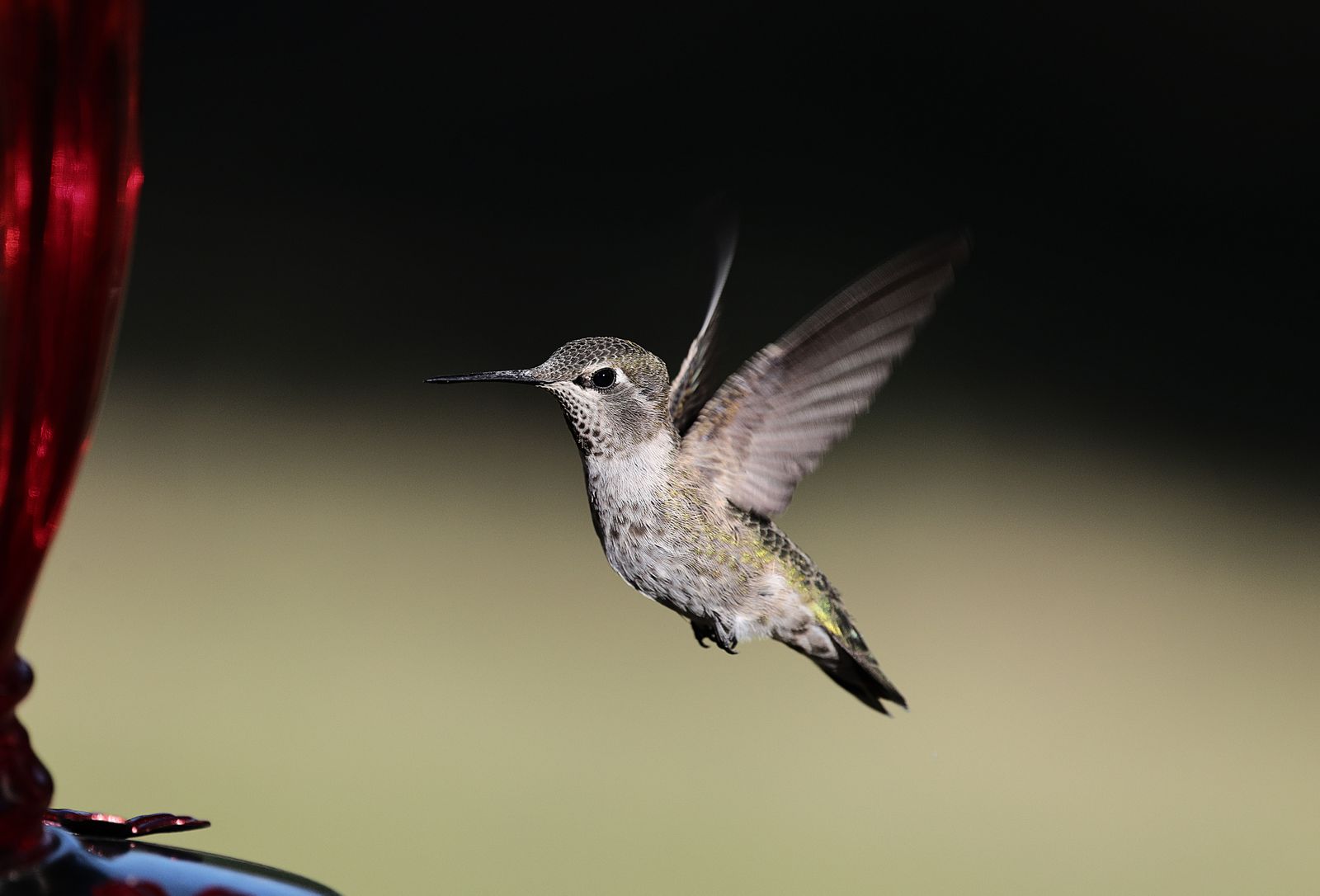
How to Keep Hummingbird Nectar from Freezing & Leaking in High Fall Winds
To keep hummingbird nectar liquid down to 27°F (-3°C) and prevent feeder tipping in high fall winds, adjust your sugar-to-water ratio to 1:3 and anchor your glass feeder using a 3-point guy-line tether. For overnight temperatures dropping below 25°F (-4°C), attach an outdoor-rated incandescent feeder heater or bring the feeder indoors overnight, rehanging it pre-warmed 30 minutes before dawn.
Fall Weather Protection Flowchart: Wind vs. Frost
- Is overnight temperature forecasted below 32°F (0°C)? → Yes: Check sub-freezing threshold. No: Check wind conditions.
- Is overnight low temperature below 27°F (-3°C)? → Yes: Severe Freeze: Attach 7W feeder heater or prepare indoor dawn rotation.. No: Moderate Frost: Switch to 1:3 sugar-to-water ratio (freezes at ~27°F)..
- Are autumn wind gusts exceeding 12 mph (19 km/h)? → Yes: High Wind Hazard: Install 3-point guy-line tethering and inspect metal base seal.. No: Standard Care: Maintain 1:4 standard ratio and monitor nectar level through transparent glass..
Fall Wind & Freeze Troubleshooting Matrix
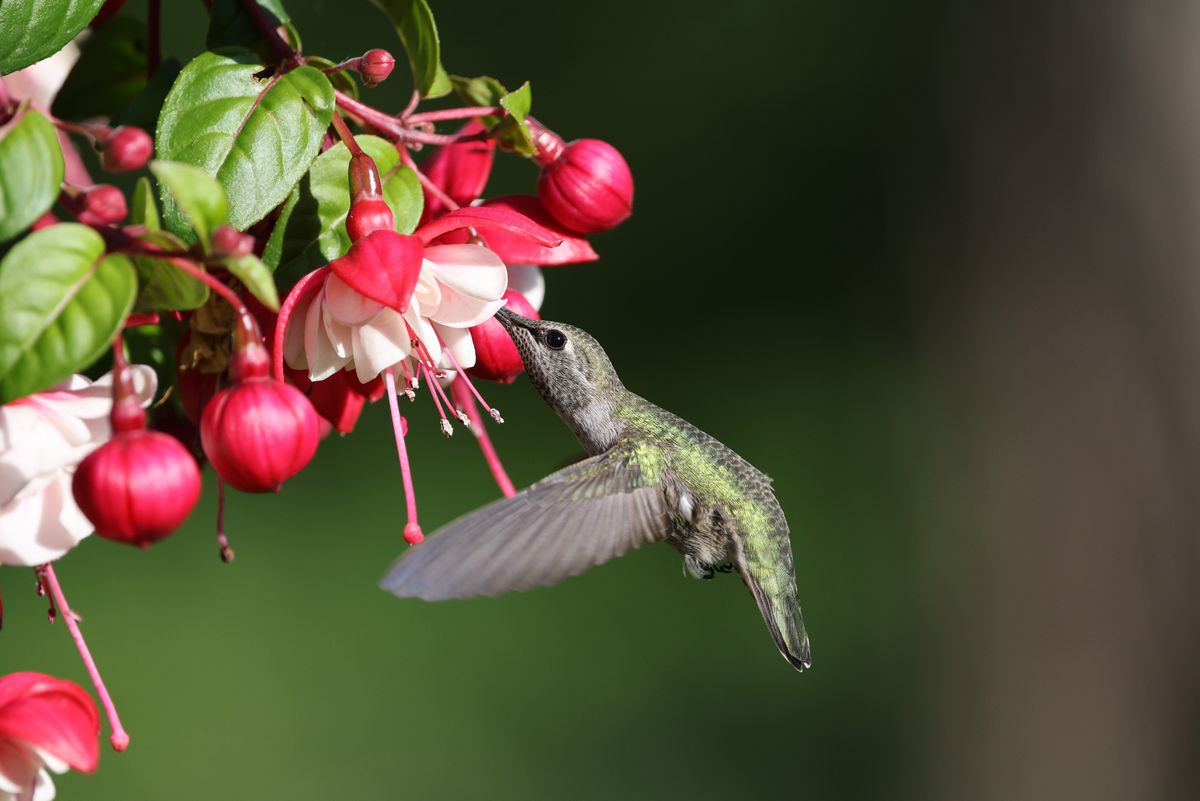
Photo by Veronika Andrews on Pexels
| Scenario & Weather Conditions | Observed Issue & Root Cause | Immediate Corrective Action | Preventative Hardware Strategy |
| --- | --- | --- | --- |
| 28°F to 32°F, Calm Winds (<10 mph) | Feeding ports slushy; nectar crystallizing at orifice. | Mix a 1:3 refined white sugar ratio using warm water to lower freeze point to 27°F. | Deploy hand-blown glass feeder with high thermal mass to retain daytime solar heat. |
| 28°F to 32°F, High Winds (15-25+ mph) | Nectar splashing onto solar cap, base tipping, ports freezing prematurely due to wind chill. | Anchor feeder base with 3-point guy-lines at 45° angles to deck posts or ground stakes. | Use heavy 32 fl. oz glass reservoir with threaded anti-rust metal base and rubber gasket. |
| Below 25°F, Moderate to High Winds | Nectar frozen solid overnight, feeding ports completely iced over. | Bring feeder indoors at dusk; re-hang pre-warmed liquid feeder 30 minutes before dawn. | Attach a UL-listed 7-watt incandescent feeder heater directly beneath metal base. |
| 33°F to 40°F, Severe Wind Gusts (30+ mph) | Violent swinging unseats rubber base seal, causing total nectar drain. | Shorten hanging chain, tighten metal base threads, and mount rigid weather baffle overhead. | Inspect silicone base gasket for micro-tears and ensure leak-proof base alignment. |
Match your current backyard weather conditions with observed feeder issues to apply immediate physical and chemical fixes.
Pro Tip: Safeguarding Artisanal Glass & Solar Components in Sub-Zero Gusts
Hand-blown glass reservoirs—shaped by master glassmakers at 2,300°F like those featured on artisanal solar feeders—possess significantly higher thermal density than thin plastic bottles. This structural glass mass absorbs solar radiation during autumn afternoons, keeping internal nectar 2°F to 4°F warmer than surrounding air during early twilight.
To maximize this solar heat retention without damaging electronic components:
- Never wrap solar caps in dark foam or duct tape: External wraps destroy the waterproof silicone seals around solar housing and block ambient light sensors.
- Keep the solar panel spotless: Wipe the top plastic solar shield clean each afternoon with a damp microfiber cloth. Removing atmospheric dust allows maximum charging so the rechargeable battery powers the internal RGB LEDs for up to 8 hours.
- Leverage LED thermal output: While cold-temperature LEDs emit minimal heat, the modest thermal trace inside sealed glass housing prevents upper-chamber air pockets from forming frost rings.
Decision Tree: Selecting Your Anti-Freeze & Anti-Leak Setup
- What is your primary autumn threat? → Yes: Freezing Temperatures. No: Wind Gusts & Tipping
- Is overnight low between 27°F and 32°F? → Yes: Increase nectar concentration to 1:3 sugar-to-water ratio. No external heaters needed.. No: Below 27°F: Combine 1:3 ratio with a 7W incandescent feeder heater or dual-feeder morning rotation.
- Is the feeder swinging more than 30 degrees in wind gusts? → Yes: Install 3-point guy-lines anchored at 45-degree angles and switch to a 32 oz heavy glass feeder.. No: Add a top dome weather baffle and verify the anti-rust metal base gasket is tightly threaded.
Autumn Feeder Weatherization Checklist
- [ ] Boil refined white sugar and water in a strict 1:3 ratio (1 cup sugar to 3 cups water) for 27°F freeze resistance.
- [ ] Inspect silicone rubber gaskets and threaded anti-rust metal bases for seamless leak-proof alignment.
- [ ] Attach 3 lightweight monofilament guy-lines to the main hanging ring to stop wind sway above 15 mph.
- [ ] Wipe plastic solar cap panels clean every afternoon to ensure 100% battery recharge for dusk RGB lighting.
- [ ] Set an alarm for 30 minutes before local sunrise to verify feeding ports are clear of ice crystals.
Key Fall Nectar & Feeder Resilience Rules
- A 1:3 sugar-to-water ratio lowers the nectar freezing point to 27°F (-3°C) while supplying vital caloric energy for autumn migrants.
- Never exceed a 1:3 sugar ratio (such as 1:2 or 1:1); overly dense sucrose syrup causes severe kidney strain and osmotic dehydration.
- High autumn winds force swinging feeders off-center, causing base leakage; anchor 32 fl. oz glass feeders with a 3-point guy-line system.
- Hand-blown glass holds daytime warmth longer than thin plastic, providing natural thermal resistance against rapid dusk temperature drops.
- Never add alcohol, glycerin, honey, or red dye to lower freezing points; these additives cause fatal fungal infections or organ failure.
- Keep plastic solar caps clean and unblocked to ensure automatic RGB lights operate up to 8 hours into cold autumn evenings.
Best Solutions for Cold Night vs. High Wind Scenarios
Protecting autumn hummingbirds requires combining chemical freeze resistance (1:3 sugar ratios) with mechanical stabilization (guy-lines and heavy glass bases). For severe frosts below 25°F, external heating or morning rotation is mandatory.
Best choice for
- 1:3 Sugar-to-Water Nectar Ratio — Naturally drops freezing point to ~27°F without extra hardware while matching natural fall floral nectar concentrations.
- 3-Point Guy-Line Tethering & Heavy Glass Reservoir — Heavy 32 oz hand-blown glass combined with taut guy-lines prevents tipping, seal disruption, and nectar spillage.
- Dual Feeder Indoor Rotation at Dawn — Guarantees 100% liquid nectar at first light without relying on outdoor electrical cords or battery heaters.
- Avoid mixing sugar ratios thicker than 1:3 (e.g., 1:2), which creates sticky syrup that damages bird kidneys and clogs ports.
- Avoid adding honey, alcohol, or store-bought antifreeze additives under any circumstances.
- Avoid taping over or insulating solar cap housing, which breaks waterproof seals and disables twilight RGB lighting.
- Commercial 7W Incandescent Feeder Heater — Attaches directly beneath metal feeder bases to maintain 40°F nectar even during 15°F winter storms.
Recommended Fall Resilience Feeders & Accessories
Upgrade your autumn birding sanctuary with durable, heavy-duty hardware built to withstand freeze cycles and gusty weather.
Don't let autumn frost and unexpected gales interrupt your backyard birding experience. Protect late-season migrating hummingbirds with a heavy-duty, leak-proof feeder engineered for cold-weather performance.
Explore the LUJII Solar-Powered Hand-Blown Glass Hummingbird Feeder and bring artisanal beauty, wind stability, and night lighting to your garden.
Nectar Freeze Prevention Methods Comparison
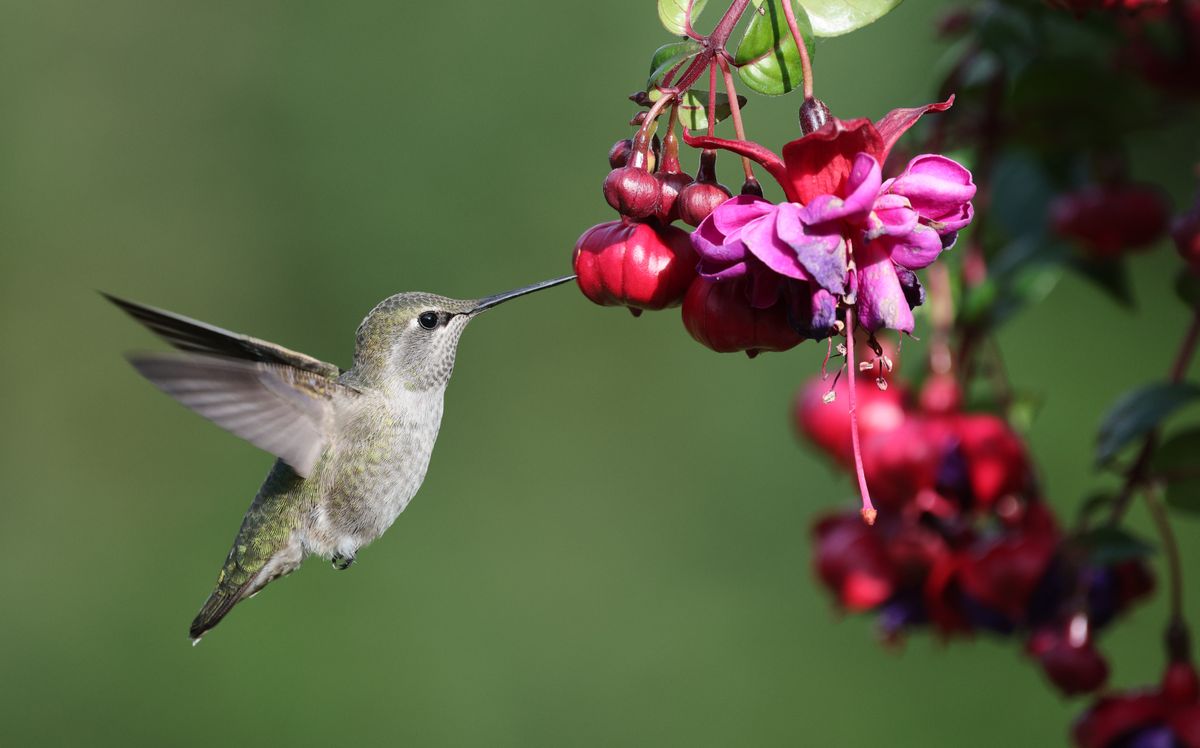
Photo by Veronika Andrews on Pexels
| Method / Strategy | Freezing Point Limit | Wind Resistance | Avian Safety Rating | Maintenance Effort |
| --- | --- | --- | --- | --- |
| Standard 1:4 Sugar Ratio | 32°F (0°C) | Low (Standard hanging) | Safe (Spring/Summer standard) | Low (Refresh every 3-5 days) |
| Fall Adjusted 1:3 Sugar Ratio | 27°F (-3°C) | Low (Requires tethering) | Safe (Optimal fall caloric density) | Low (Refresh every 3 days) |
| 3-Point Guy-Line Stabilization | N/A (Physical anchoring) | High (Prevents 25+ mph tipping) | 100% Safe (Prevents spills) | Medium (One-time autumn setup) |
| 7W Incandescent Base Heater | 15°F (-9°C) | Moderate (Requires tight mount) | Safe (When nectar stays <90°F) | Medium (Requires outdoor outlet) |
| Indoor Dawn Feeder Swap | Sub-Zero (Indoors overnight) | N/A (Stored inside at night) | 100% Safe | High (Daily evening/dawn routine) |
Compare safety ratings, thermal limits, wind stability, and maintenance requirements across popular freeze protection methods.
Step-by-Step Guide: Weatherproofing Your Feeder for Fall Winds & Frost
Follow these five sequential steps to install wind tethers, prepare high-energy fall nectar, and protect your feeder's solar components.
Dangerous Fall Nectar & Feeder Care Mistakes to Avoid
Steer clear of these common pitfalls that jeopardize hummingbird health or ruin solar feeder components.
Frequently Asked Questions About Fall Feeder Care
Clear answers to essential cold-weather hummingbird feeding and solar maintenance questions.
Autumn Feeder Security Action Plan
Your decision: Determine your region's overnight temperature forecast and wind velocity to select the exact combination of 1:3 nectar mixing, guy-line anchoring, or morning feeder rotation.
Do this next: Mix a fresh batch of 1:3 autumn nectar, inspect your feeder's threaded base seal, and install a 3-point wind tether before nightfall.
- Read next: Do Hummingbirds Feed at Night? Understanding Dusk Behavior Around Illuminated Feeders
Upgrade to a heavy 32 fl. oz LUJII Hand-Blown Glass Solar Hummingbird Feeder featuring an anti-rust metal base, leak-proof seal, and automatic RGB dusk lighting for maximum wind stability and evening beauty.
Prepare your backyard sanctuary for upcoming autumn storms and cold snaps.
Further Autumn Migration & Feeder Care Resources
Internal links to related cluster topics.
Cover photo by Veronika Andrews on Pexels.