How to Keep Hummingbird Nectar Fresh in Hot Summer Weather
Apply the 48/24 Temperature Threshold Rule: replace sugar water every 48 hours between 80°F and 89°F, and every 24 hours when daily high temperatures cross 90°F. Direct midday sun at 95°F causes rapid fermentation within 12 hours. Hang feeders in afternoon shade and fill reservoirs to 50% capacity during summer heatwaves to minimize nectar waste.
Essential Hot-Weather Nectar Care Rules
- 70°F Baseline: Nectar remains safe for 4 to 5 days below 70°F, but spoilage rates double for every 10°F rise in temperature.
- 90°F Critical Threshold: Above 90°F, bacterial and yeast colonies multiply exponentially within 24 hours, producing harmful alcohol and acid byproducts.
- Strict 4:1 Ratio: Maintain the standard 4 parts distilled/filtered water to 1 part pure white granulated cane sugar; never alter ratios in high heat.
- 50% Fill Strategy: Reduce fill volume to 12–16 oz during heatwaves to avoid dumping unconsumed, fermented nectar.
- Solar Cap Canopy Shielding: Thick hand-blown art glass with a protective top solar cap buffers liquid temperatures by 4°F to 7°F compared to thin clear plastic.
How Summer Nectar Fermentation Progresses Over 24 Hours (at 92°F Ambient)
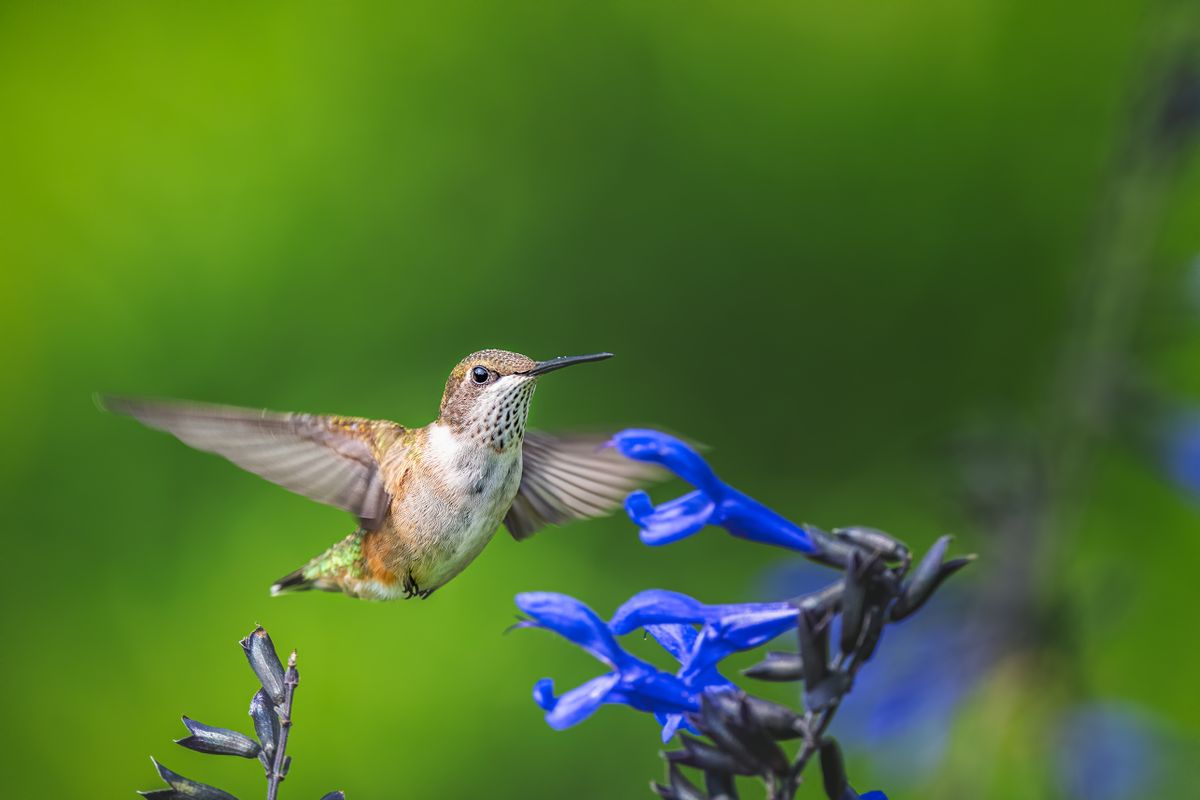
Photo by Skyler Ewing on Pexels
- Hour 0–4 — Freshly boiled 4:1 solution hangs outdoors. Liquid is crystal clear at ambient 92°F. Wild airborne yeasts enter via feeding ports.
- Hour 6–10 — Yeasts consume sucrose molecules, releasing carbon dioxide. Microscopic air bubbles begin gathering near the neck of the reservoir.
- Hour 12–16 — Fermentation intensifies. A faint vinegary/yeasty scent develops. Hummingbirds begin rejecting the feeder after brief tasting probes.
- Hour 18–24 — Liquid turns hazy or cloudy. Fungal spores synthesize rapid fungal threads inside port threads, generating dangerous Candida black mold specks.
Temperature-to-Spoilage Replacement Matrix
- Under 70°F (18°C–21°C) — Replace nectar every 5 to 7 days. Full reservoir filling allowed.
- 70°F–79°F (21°C–26°C) — Replace nectar every 3 to 4 days. Rinse reservoir thoroughly with hot water during each swap.
- 80°F–88°F (27°C–31°C) — Replace nectar every 48 hours. Reduce fill capacity to 60%.
- 89°F–94°F (32°C–34°C) — Replace nectar every 24 to 36 hours. Scrub port openings daily.
- 95°F+ (35°C+ Heatwave) — Replace nectar every 12 to 24 hours. Fill to 30%–50% capacity; hang exclusively in deep shade.
Expert Secret: Thermal Isolation & Partial Filling
To maximize nectar lifespan on 90°F+ days, practice thermal shade mapping. Hang your feeder on the northeast side of your home or under a broad deciduous tree canopy. This positioning provides 100% shade during the extreme heat window of 12:00 PM to 5:00 PM while permitting morning sunlight to charge top-mounted solar cells.
Combine this with a 12-ounce partial fill limit. Dumping half a reservoir of spoiled sugar water every afternoon wastes resources. Partial fills ensure your hummingbirds enjoy cool, fresh solution without draining your sugar supply.
5 Deadly Mistakes Backyard Birders Make in Heatwaves
Avoid these common practices that harm visiting hummingbirds during summer months:
Regional Summer Heatwave Action Timetable
| US Region | Peak Heat Window | Mandatory Change Frequency | Key Summer Focus |
| --- | --- | --- | --- |
| Southeast & Gulf Coast | May 15 – Sept 30 | Every 24–36 Hours | High humidity fuels rapid black mold growth in feeder ports. |
| Southwest & Arid Deserts | May 1 – Oct 15 | Every 12–24 Hours | Extreme direct solar radiation evaporates liquid and concentrates sugar. |
| Midwest & Plains | June 15 – Aug 31 | Every 48 Hours (24 in heatwaves) | Sudden temperature spikes require daily temperature forecast checks. |
| Pacific Northwest & Northeast | July 1 – Aug 20 | Every 3–4 Days (48 hrs peak July) | Micro-climate afternoon shade preserves nectar quality longer. |
Adjust your feeder routine based on regional climate transitions across the United States.
Feeder Materials Under Direct Summer Sun
| Property / Attribute | Hand-Blown Art Glass (LUJII) | Thin Molded Plastic |
| --- | --- | --- |
| Wall Thickness | 3mm – 5mm dense insulating glass | 0.8mm – 1.2mm thin resin shell |
| Thermal Conductivity | Low thermal transfer (buffers liquid temperature) | High thermal conduction (rapid internal heating) |
| Solar Shielding | Built-in top solar cap blocks overhead rays | Fully exposed top reservoir absorbs direct sun |
| UV & Scratch Resistance | 100% non-porous glass; zero micro-scratches | Prone to UV degradation & micro-scratches that harbour mold |
| Sanitation Capability | Withstands 180°F hot water sterilization | Warping risk with hot water sterilization above 140°F |
Material construction directly influences how quickly internal nectar temperatures rise under direct solar exposure.
Summer-Resilient Solar Glass Feeders
For garden owners looking to combine artful garden aesthetics with heat-buffered nectar protection, high-density glass models with integrated solar shields offer the ideal solution.
The LUJII Solar-Powered Hand-Blown Glass Hummingbird Feeder features a 32 fl. oz. thick handcrafted glass reservoir crafted at 2,300°F. Its protective solar cap acts as a top shade canopy against direct overhead noon sunlight while harvesting energy to illuminate automatic RGB lights for up to 8 hours at night without generating heat inside the reservoir.
Keep your garden humming all summer long! Upgrade to a hand-blown glass feeder featuring built-in solar sun shielding and easy-clean wide reservoirs. Shop the LUJII Solar Hummingbird Feeder Collection today.
Choosing the Best Setup for Extreme Summer Climates
When afternoon ambient temperatures cross 85°F, combining thick hand-blown glass reservoirs with partial fills and afternoon shade keeps nectar cool and safe.
Best choice for
- Hand-Blown Glass Reservoir with Protective Solar Cap — Dense glass walls retard liquid heating, while the top cap deflects vertical solar radiation.
- Daily 12 oz. Partial Fill & Vinegar Wash Strategy — Eliminates standing sugar water before fungal spores form visible black colonies.
- Hanging thin clear plastic feeders in unshaded south-facing yards during heatwaves.
- Leaving unconsumed nectar in large reservoirs for more than 48 hours above 80°F.
- Overhead Weather & Shade Baffle — Adds an artificial 12-inch shade canopy if natural tree shade is unavailable in your yard.
Feeder Design Specifications for Heat Resistance
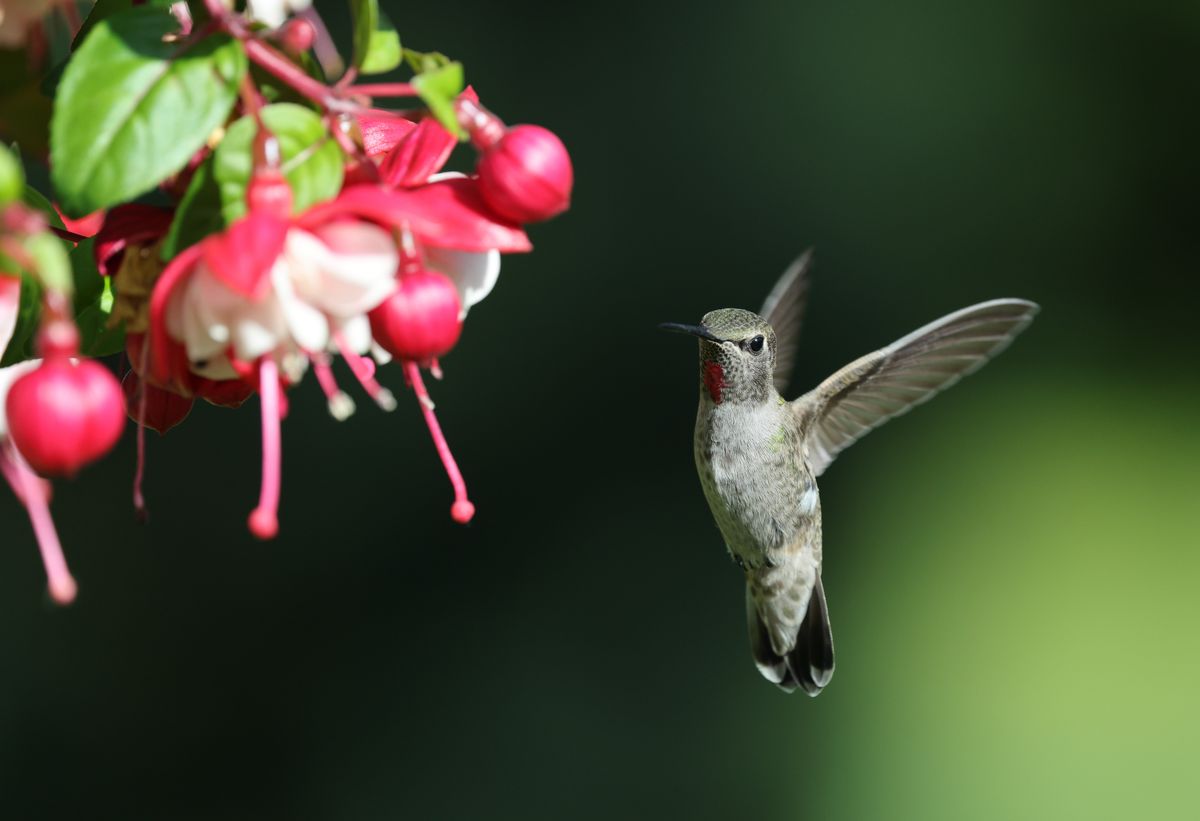
Photo by Veronika Andrews on Pexels
| Specification | Optimal Standard for Summer Heat | Why It Matters |
| --- | --- | --- |
| Reservoir Material | Thick Hand-Blown Art Glass (3mm+) | Provides thermal mass that slows rate of nectar temperature increase. |
| Top Canopy Shield | Integrated Solar Cap / Shade Hood | Blocks overhead noon solar radiation from directly striking liquid. |
| Base Assembly | Coated Anti-Rust Metal Base with Leak-Proof Gasket | Prevents sticky drips that attract yellow jackets, bees, and sugar ants. |
| Reservoir Capacity | 32 fl. oz. Total (Used at 12–16 oz Partial Fill) | Allows full volume in mild spring/fall, partial fills during peak summer. |
| Port Cleaning Access | Removable Base & Wide-Mouth Bottle Neck | Enables total access with port brushes to scrub away early mold micro-colonies. |
Key design parameters to evaluate when selecting a hummingbird feeder for hot summer use.
Adjusting for Extreme Regional Humidity and High Sun Vectors
Different heat environments create distinct failure points for sugar water freshness:
- Humid Southeast (e.g., Florida, Georgia, Gulf Coast): High humidity does not accelerate evaporation, but it dramatically speeds fungal and mold spore germination. In humid zones, focus on daily cleaning of feeding port gaskets and threads using a 1:1 white vinegar solution.
- Arid Southwest (e.g., Arizona, Nevada, Inland California): Extreme dry heat causes rapid water evaporation from feeding ports, thickening the nectar from a 4:1 ratio to an overly concentrated 3:1 or 2:1 solution. Highly concentrated sugar water causes dehydration in hummingbirds. In arid heat, check fluid levels twice daily and top off with fresh, cool water or perform complete 24-hour swaps.
Daily Summer Morning Nectar Inspection Checklist
- [ ] Check liquid clarity against morning sunlight (any haze or cloudiness indicates yeast fermentation).
- [ ] Inspect feeding ports and silicone gaskets for tiny black mold specks.
- [ ] Verify the high temperature forecast for the day to set your swap alert.
- [ ] Confirm the feeder is positioned to receive full shade during peak heat (12:00 PM to 5:00 PM).
- [ ] Check the metal base for sticky drips or ant trails.
- [ ] Sniff the top opening during swaps for any sour, vinegary, or yeast-like aroma.
Frequently Asked Questions About Summer Nectar Freshness
Find clear answers to common questions about keeping hummingbird sugar water fresh in summer heat.
Continue Your Backyard Hummingbird Care Journey
Explore additional guides to optimize your garden feeder setup and protect local wildlife:
- DIY Safe Nectar Guide: Master the standard 4:1 white cane sugar recipe and water filtration best practices.
- Feeder Leak Prevention & Gasket Care: Learn how anti-rust metal bases and silicone seals prevent sugar drips in high heat.
- Hand-Blown Glass Art in the Garden: Discover how handcrafted translucent glass enhances garden aesthetics while helping monitor nectar clarity.
Your Hot Weather Action Plan
Your decision: Determine your region's peak daily temperature and evaluate your feeder's afternoon shade exposure.
Do this next: Switch to a 24-48 hour nectar replacement schedule, fill reservoirs to 50% capacity, and relocate feeders to afternoon micro-shade zones.
- Read next: Hot Weather Nectar Ratios: How to Keep Hummingbird Food Fresh in Summer
LUJII Hand-Blown Glass Solar Hummingbird Feeder for built-in top sun protection and easy-clean glass reservoir.
Protect your visiting hummingbirds today by reviewing your feeder placement and replacement routine.
Cover photo by Veronika Andrews on Pexels.