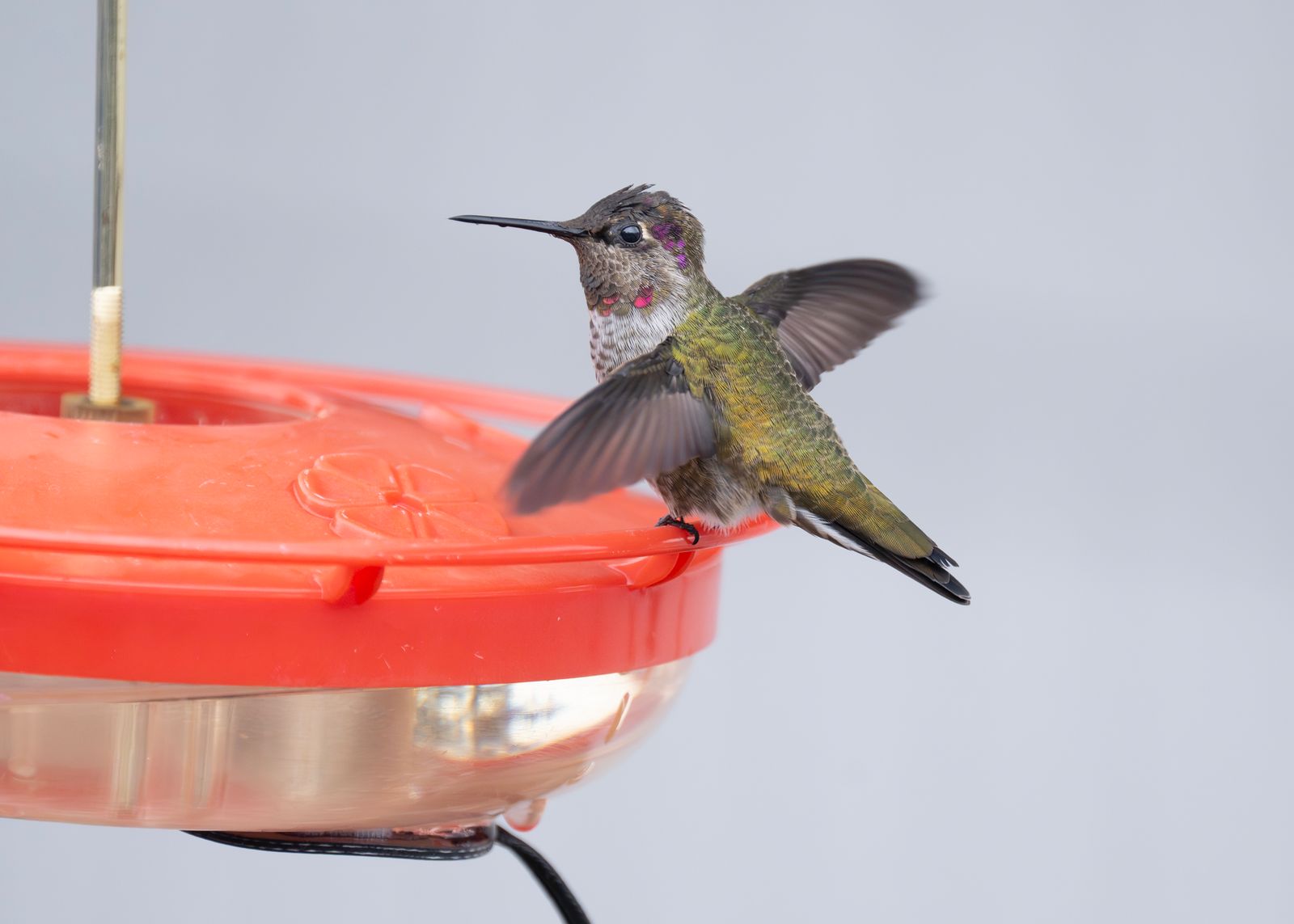
Fall Hummingbird Feeding FAQs: Nectar Freezing & Solar Feeder Care
Rule of thumb: Maintain a standard 4:1 water-to-sugar ratio down to 27°F (-3°C), and adjust to a rich 3:1 ratio only when night temperatures drop between 20°F and 26°F (-7°C to -3°C). Never allow nectar to freeze solid inside hand-blown glass reservoirs, as expanding ice risks cracking handcrafted glass. Solar RGB lights safely illuminate feeding ports during dusk without disturbing nighttime torpor.
Key Takeaways for Late Autumn Hummingbird Care
- Standard 4:1 nectar freezes at 27°F (-3°C); 3:1 nectar lowers the freezing point to 23°F (-5°C).
- Migration is governed by photoperiod (daylength), not food availability.
- Ice expansion can crack hand-blown glass reservoirs; bring feeders inside during hard freezes below 20°F.
- Solar-powered RGB LEDs provide up to 8 hours of dusk illumination without disturbing nighttime roosting.
- A 32 fl. oz reservoir offers extra thermal mass to slow freezing during early morning dips.
- 27°F Threshold: Standard 4:1 nectar freezes at 27°F (-3°C); a concentrated 3:1 recipe lowers the freezing point to 23°F (-5°C) while boosting autumn calorie intake.
- Daylight Drives Migration: Feeding late-season stragglers or overwintering birds will never delay migration, which is triggered entirely by shortening daylight hours.
- Glass Thermal Safety: Hand-crafted glass shaped at 2,300°F requires protection from solid ice expansion; swap or store feeders indoors during hard freezes below 20°F (-7°C).
- Solar LED Benefits: Soft RGB lighting provides up to 8 hours of ambient glow after a full solar charge, making feeding ports easy for birds to locate during dim autumn dusks.
- 32 fl. oz Capacity Advantage: Larger reservoirs provide thermal mass that resists quick freezing, while leak-proof bases prevent cold, sticky spills.
Late Autumn Twilight & Solar Lighting Timeline
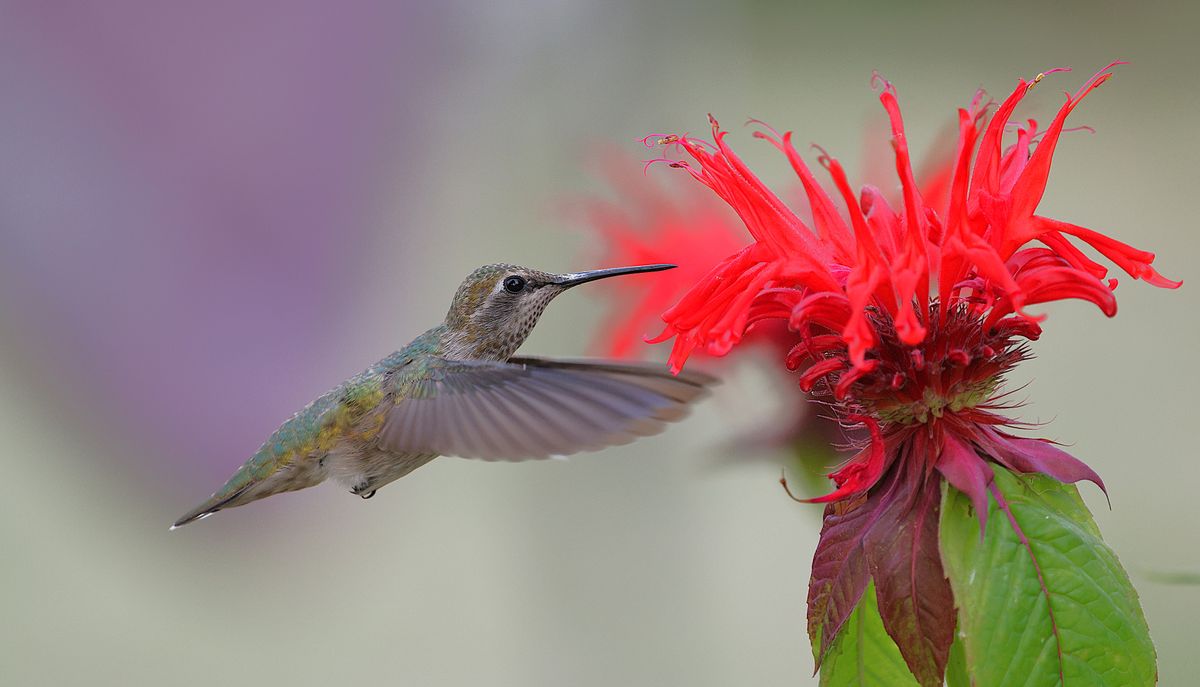
Photo by Veronika Andrews on Pexels
- 7:30 AM – 4:00 PM — Unshaded solar cap recharges under direct autumn sunlight while birds feed on fresh 4:1 or 3:1 sucrose solution.
- 4:00 PM – 5:15 PM — Peak autumn twilight feeding frenzy occurs as hummingbirds fuel up for cold night torpor.
- 5:30 PM — Automatic solar sensor activates soft RGB ambient LED lights, illuminating the translucent glass patterns and feeding ports.
- 5:30 PM – 1:30 AM — RGB lighting operates for up to 8 hours on a full charge, providing garden ambiance while birds rest safely in nearby tree roosts.
- 1:30 AM – Dawn — Lighting cycles off automatically; if temperatures dip below 20°F, retrieve the feeder at twilight and re-hang warm nectar 30 minutes before sunrise.
Fall Feeder Maintenance & Freeze Prevention Schedule
- Daily at Dawn (6:30 AM) — Check feeding ports for slush or ice. If frozen solid, swap with a room-temperature reservoir. Wipe frost off the solar cap.
- Daily at Dusk (5:00 PM) — Check overnight low forecast. If temps will drop below 20°F (-7°C), bring the 32 oz feeder indoors overnight.
- Every 3–4 Days — Flush the sealed metal base with warm water. Inspect the anti-rust powder coating and clean the translucent glass body.
- Weekly — Gently wipe the plastic solar cap with a damp microfiber cloth to remove fallen leaves, dust, and sap for maximum 8-hour battery charging.
Recommended Gear for Cold Snap Protection
When late autumn frosts hit your backyard, having the right feeder design makes all the difference between frozen nectar and a thriving twilight sanctuary.
- Artisanal Durability: Handcrafted glass formed at 2,300°F offers superior thickness and structural integrity compared to thin plastic.
- Thermal Capacity: A generous 32 fl. oz reservoir retains ambient heat longer than smaller 8 oz or 12 oz units.
- All-Weather Protection: An anti-rust coated metal base and protective plastic solar cap guard against autumn rain, snow, and freezing wind.
Expert Cold Weather Hummingbird Care Tip
Hummingbirds survive freezing autumn nights by entering torpor—a state of deep metabolic sleep where their heart rate drops from 1,200 beats per minute to fewer than 50, and their internal temperature plummets from 104°F (40°C) down to nearly ambient air temperature (around 65°F / 18°C).
Because they expend up to 15% of their total body weight overnight staying alive, they desperately need immediate, liquid calories 30 minutes before sunrise. Ensure your feeder is outdoors and thaw-checked by first light!
Nectar Freezing Threshold & Concentration Matrix
| Formula Ratio (Water : Sugar) | Sucrose Density (%) | Freezing Threshold (°F / °C) | Caloric Yield (kcal/oz) | Best Usage Scenario | Glass Expansion Risk |
| --- | --- | --- | --- | --- | --- |
| 4 : 1 (Standard) | 20% | 27°F / -2.8°C | 18 kcal | Mild fall days above 28°F (-2°C) | Moderate if left out under 25°F |
| 3.5 : 1 (Moderate) | 22% | 25°F / -3.9°C | 21 kcal | Early light frosts (25°F to 27°F) | Low to Moderate |
| 3 : 1 (Rich Cold Snap) | 25% | 23°F / -5.0°C | 24 kcal | Hard frost snaps (20°F to 24°F) | Low (slush forms before solid ice) |
| 2 : 1 (Extreme - NOT Recommended) | 33% | 18°F / -7.8°C | 32 kcal | Avoid: High viscosity causes dehydration | High liver/kidney strain on birds |
Adjusting sucrose concentration changes both caloric value and freezing point. Use this side-by-side breakdown to select the safe formula for your local nighttime temperature.
Regional Late Autumn Migration & Frost Calendar
| US Climate Region | Typical First Hard Frost | Expected Late Migrators | Nectar Ratio Strategy | Solar Charging Conditions |
| --- | --- | --- | --- | --- |
| Zone 4–5 (Northern / Upper Midwest) | October 1 – October 15 | Rufous, Vagrant Ruby-throated | Switch to 3:1 by Oct 1; store glass inside overnight | 3–5 hours direct light; clean solar cap daily |
| Zone 6–7 (Mid-Atlantic / Central US) | October 20 – November 10 | Late Ruby-throated stragglers | Maintain 4:1; switch to 3:1 during cold fronts | 4–6 hours direct light; full 8-hr RGB LED charge |
| Zone 8–9 (Pacific NW / South) | November 15 – December 1 | Anna's (Overwintering), Rufous | Use 4:1 baseline; 3:1 on freezing nights | 5–7 hours bright indirect/direct autumn light |
| Zone 10 (Gulf Coast / Southwest) | December 15+ (Rare) | Year-round Anna's, Costa's, Black-chinned | Standard 4:1 year-round | 6+ hours intense solar energy; max nightly illumination |
Hummingbird activity and frost risks vary dramatically across North American climate zones. Align your feeder care with regional frost schedules.
Best Solar Feeder Setup for Frost-Prone Autumn Gardens
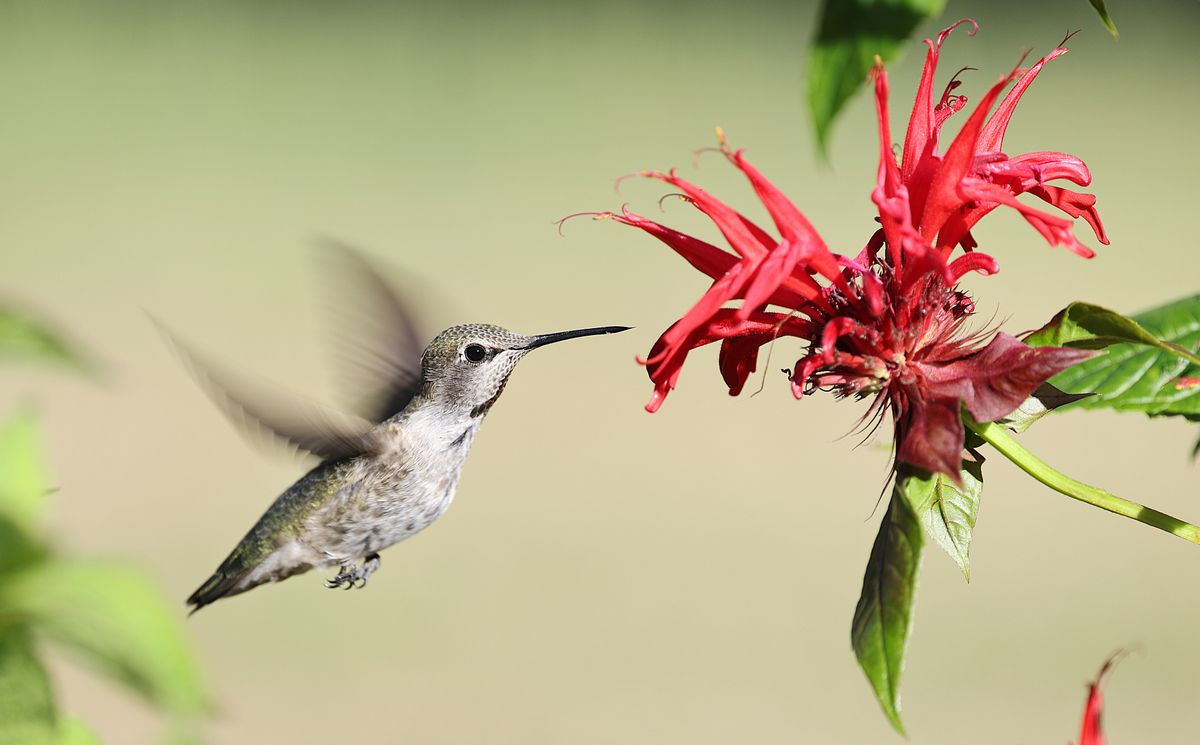
Photo by Veronika Andrews on Pexels
To maintain reliable dusk feeding during chilly October and November twilight hours, your garden setup needs a balance of artistic craftsmanship and heavy-duty weather resistance.
Featured Solution: LUJII Solar-Powered Hummingbird Feeder
- 2,300°F Hand-Blown Glass Reservoir: Each translucent glass piece is individually hand-shaped at extreme temperatures, providing thick, durable walls that insulate 32 fl. oz of nectar longer than mass-produced thin plastic units.
- Leak-Proof Sealed Base: The anti-rust coated metal base creates a tight, drip-free seal, preventing cold sugar syrup from attracting ground pests or freezing onto outdoor surfaces.
- Weatherproof Solar Cap Shield: Designed with a protective plastic solar cap that sheds fall rain, sleet, and leaf debris, shielding the built-in solar panel so it can store energy for up to 8 hours of automatic RGB LED illumination every night.
- Vibrant Garden Centerpiece: The changing RGB color modes bring magical life to darkening fall landscapes, highlighting the swirling colors of the hand-blown glass art.
Regional Frost Guidance & Overwintering Hotspots
Northern & Mountain Regions (Zones 4–6)
By late October, northern daylight contracts sharply. Position your solar feeder in full southern exposure to maximize solar battery recharge during short 8-hour days. Always bring hand-blown glass inside if overnight forecasts drop below 20°F (-7°C), as ice expansion inside a fully capped 32 oz bottle can exert intense pressure on glass walls.Coastal Pacific Northwest & Western Valleys (Zones 8–9)
In regions where Anna's Hummingbirds reside year-round, cold autumn rains and frequent 28°F–32°F morning dips are common. The plastic solar cap protects the top battery module from constant humidity, while a rich 3:1 nectar batch prevents port freezing on damp, frosty mornings.Southern Migration Corridor (Zones 8–10)
Hundreds of thousands of migrating hummers cross through Texas, the Gulf Coast, and the Southwest into late November. Abundant sunshine ensures your solar cap achieves a 100% full charge every day, yielding 8 full hours of vibrant RGB lighting during peak evening feeding stops.Cold Snap Nighttime Safety Checklist
- [ ] Check local weather forecast for overnight low temperatures in °F and °C.
- [ ] Verify nectar ratio: Use 4:1 for forecasts >27°F (-3°C); mix a 3:1 recipe for 20°F–26°F (-7°C to -3°C).
- [ ] Inspect solar panel cap: Clear off fallen leaves, dust, or moisture to ensure full 8-hour battery storage.
- [ ] Assess hard freeze risk: If temperatures will drop below 20°F (-7°C), bring the hand-blown feeder indoors after twilight.
- [ ] Set a dawn reminder: Re-hang warm feeder outdoors 30 minutes before sunrise so early risers find liquid nectar immediately.
Frequently Asked Questions About Autumn Hummingbird Feeding
Get rapid, scientifically backed answers to common autumn feeding concerns.
Action Plan for Late-Season Bird Hosts
Your decision: Determine your local overnight low forecasts for the week ahead and choose between a standard 4:1 or rich 3:1 nectar solution.
Do this next: Inspect your hand-blown glass reservoir for clarity, wipe the solar panel cap clean of fall debris, and mix a fresh 4:1 or 3:1 batch of refined white sugar nectar.
- Read next: Nighttime Garden Safety for Roosting Hummingbirds: Autumn Twilight Feeding Tips
- Read next: How to Clean and Maintain Your Hand-Blown Solar Hummingbird Feeder
LUJII Hand-Blown Solar Hummingbird Feeder (32 oz capacity, anti-rust metal base, sealed leak-proof ports, 8-hour RGB lights)
Take these quick steps today to optimize your garden for fall migrators and protect your solar glass feeder.