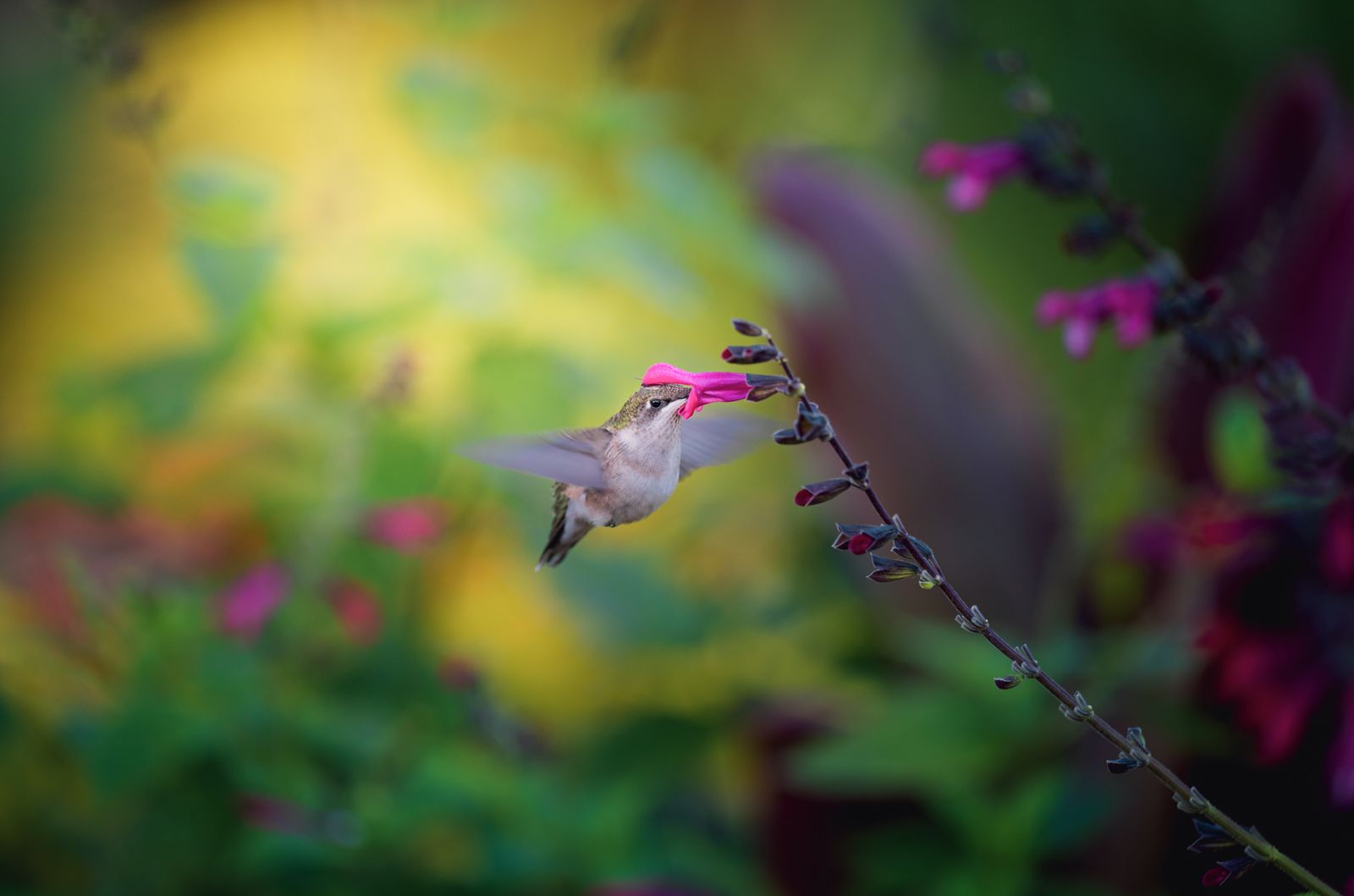
Fall Hummingbird Nectar Ratio: 3:1 Recipe & Migration Calculator
During fall migration (late August to November), switch to a 3:1 fall hummingbird nectar ratio (3 parts water to 1 part refined white cane sugar). This higher-calorie mix provides essential fuel during hyperphagia, allowing migrating hummingbirds to double their weight and build critical fat reserves without delaying their journey south.
Fall Migration Nectar & Batch Calculator
Use this interactive calculator specification to compute exact sugar and water measurements for standard 4:1 maintenance nectar or high-energy 3:1 fall migration nectar based on your feeder's liquid capacity.
Standard 4:1 vs. Fall Migration 3:1 Nectar Breakdown
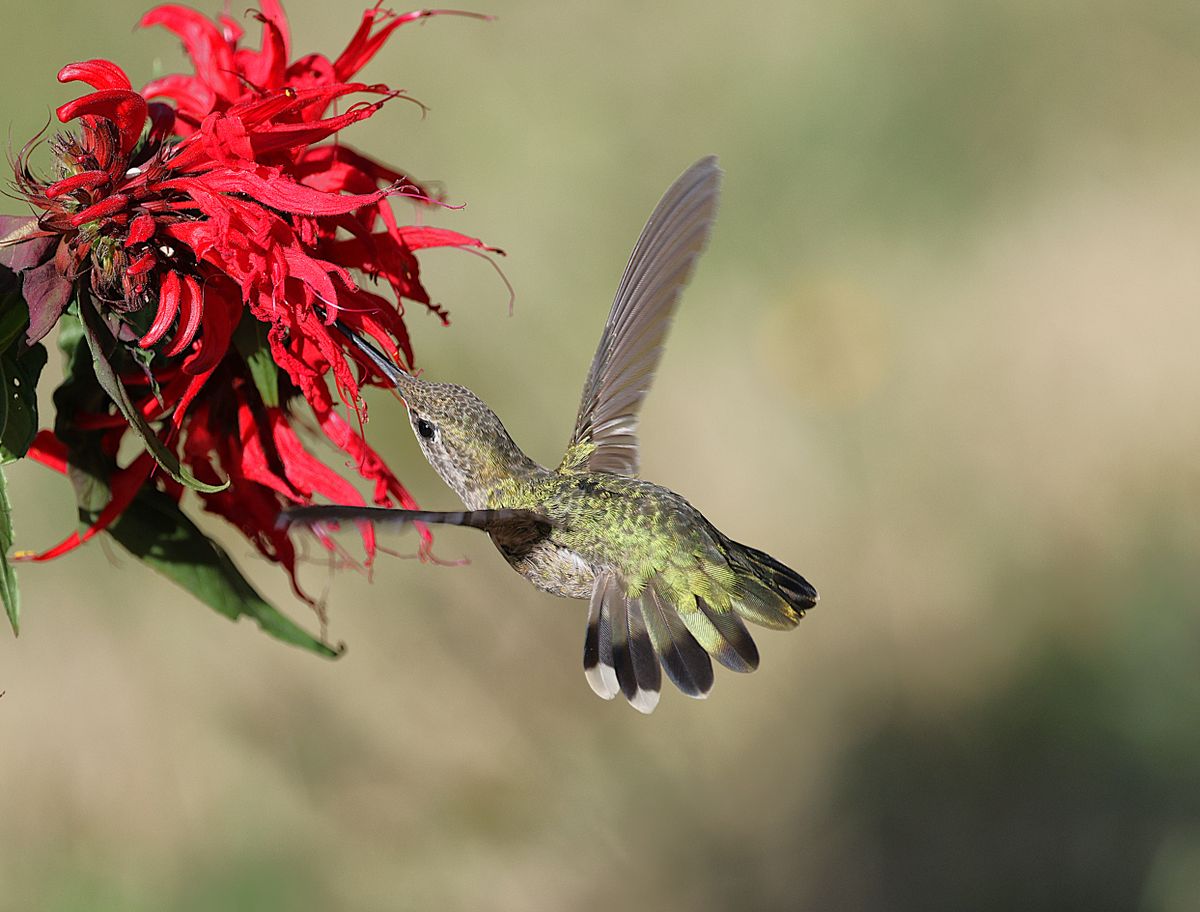
Photo by Veronika Andrews on Pexels
| Evaluation Criterion | Standard Summer Nectar (4:1 Ratio) | High-Energy Fall Nectar (3:1 Ratio) |
| --- | --- | --- |
| Sugar Concentration | 20% Sugar (4 parts water : 1 part sugar) | 25% Sugar (3 parts water : 1 part sugar) |
| Caloric Density | ~0.78 kcal per mL | ~1.02 kcal per mL (+30% boost) |
| Freezing Point Threshold | 29°F (-1.6°C) | 27°F (-2.8°C) due to higher sugar concentration |
| Primary Season Window | Late Spring through Mid-August | Late August through Late November |
| Biological Purpose | Daily maintenance, breeding, and chick rearing | Rapid lipid storage for hyperphagia before migration |
| Spoilage Rate at 60°F | Replaces every 4 to 5 days | Replaces every 3 to 4 days (monitor closely) |
When autumn approaches, shifting from a summer maintenance formula to an energy-dense fall ratio supports the physiological demands of long-distance bird migration.
Ornithologist Tip: Metabolic Needs During Autumn Hyperphagia
Before embarking on journeys exceeding 1,000 miles across the Gulf of Mexico or along continental flyways, hummingbirds enter a physiological state called hyperphagia. During this phase, their metabolic drive shifts toward rapid weight gain. An individual Ruby-throated Hummingbird weighing just 3.2 grams must increase its body mass to nearly 6 grams in a matter of weeks. Switching your feeder recipe to a 3:1 ratio provides 25–30% more bioavailable calories per sip. This enables these tiny aviators to spend less time foraging during short autumn daylight hours and more time resting while storing essential lipid mass.
4 Critical Fall Hummingbird Feeding Mistakes to Avoid
Avoid these common errors to keep your autumn yard safe and inviting for migrating birds:
Frequently Asked Questions About Autumn Hummingbird Feeding
Answers to common reader questions about fall nectar preparation and feeder maintenance.
Regional Autumn Migration & Feeder Takedown Schedule
| US Geographical Zone | Peak Migration Window | Switch to 3:1 Ratio | Recommended Feeder Takedown Date |
| --- | --- | --- | --- |
| Northern Tier / Canada Border (WA, MT, ND, MN, ME) | Late August – Mid-September | August 15 | October 15 (or 2 weeks post last sighting) |
| Central & Midwest (OR, ID, WY, NE, IA, IL, OH, PA, NY) | Early September – Early October | September 1 | November 1 (or 2 weeks post last sighting) |
| Southern Flyway & Gulf Coast (TX, LA, MS, AL, GA, FL) | Late September – Mid-November | September 15 | December 1 (Maintain year-round in wintering zones) |
| Southwest & California (CA, AZ, NM) | Year-round resident & migrant overlay | October 1 | Maintain year-round for Anna's & wintering hummers |
Hummingbirds move across the United States in progressive autumn waves. Use this regional timeline to optimize your 3:1 nectar feeding window and safely schedule feeder takedown.
Your Autumn Bird Care Action Plan
Your decision: Determine if night temperatures in your region are dropping near freezing and if hummingbirds are actively feeding at twilight.
Do this next: Mix a fresh 3:1 batch using our calculator, clean your feeder reservoir thoroughly with warm water, and keep feeders filled until 2 weeks after seeing your last hummingbird.
- Read next: Learn how dusk light influences autumn hummingbird feeding behavior
- Read next: Discover nighttime garden safety tips for roosting hummingbirds in autumn
Bring late-feeding fall migrants into view with our handcrafted LUJII Solar-Powered Hand-Blown Glass Hummingbird Feeder.
Follow these steps to transition your backyard sanctuary for fall migration:
Essential Rules for Fall Hummingbird Nectar
- Use a 3:1 water-to-refined-white-sugar ratio starting in late August to supply 30% more energy during hyperphagia.
- Never use raw sugar, honey, brown sugar, organic unrefined sugar, or artificial sweeteners.
- Red dye is unnecessary and potentially harmful—use colorful glass feeders to visually attract migrating birds.
- Keep feeders clean and filled for 2 weeks after seeing the last hummingbird in your yard.
- Bring feeders inside on sub-25°F nights to prevent freezing, re-hanging them before sunrise.
Fall Feeding Scenarios: Early Frosts & Late Stragglers
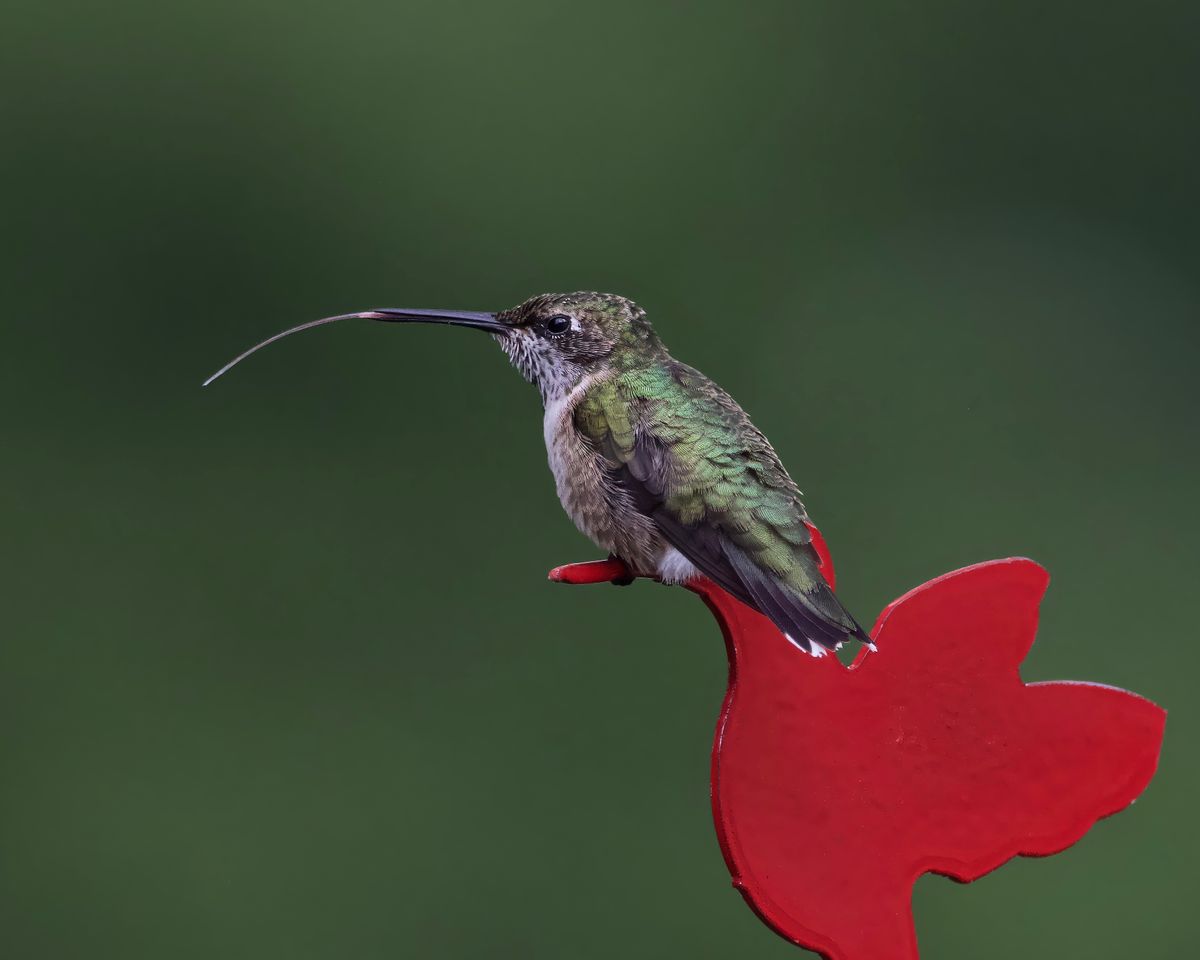
Photo by A. G. Rosales on Pexels
Early Unexpected Autumn Frost (Temperatures 25°F to 30°F overnight) — A 3:1 sugar concentration naturally lowers nectar freezing to ~27°F. If temperatures are predicted to hit 25°F or lower, bring your feeder inside before sleeping and re-hang it early in the morning before dawn when birds seek instant caloric replenishment.
Solitary Straggler Hummingbird Arrives in Late October/November — Maintain a fresh 3:1 nectar supply in your feeder. Late migrants often rely on individual backyard feeders when natural flowers are scarce. Keep the feeder up for 14 days after the bird leaves.
Rainy, Dark Autumn Afternoons with High Wind — Position your feeder in a sheltered garden spot protected from harsh winds. Feeders equipped with ambient solar lighting offer late-dusk visibility for hummers feeding in dreary autumn light.
Adapt your nectar prep strategy based on regional autumn weather conditions:
Weekly Autumn Feeder Care Checklist
- [ ] Inspect nectar level daily using translucent glass reservoir.
- [ ] Check weather forecast for overnight freeze warnings below 27°F.
- [ ] Clean feeder with warm water every 3–4 days (avoid harsh chemical detergents).
- [ ] Refill with freshly cooled 3:1 nectar batch.
- [ ] Ensure solar charging cap is wiped free of fallen autumn leaves and debris.
Printable Fall Nectar Recipe & Care Reference
- Recipe Ratio: 3 Parts Clean Water to 1 Part Pure Refined White Cane Sugar.
- Small Batch: 1.5 Cups Water + 0.5 Cup White Sugar (Yields ~14 fl.oz).
- Medium Batch (Standard Feeder): 3 Cups Water + 1 Cup White Sugar (Yields ~28 fl.oz).
- Large Batch (Multi-Feeder): 6 Cups Water + 2 Cups White Sugar (Yields ~56 fl.oz).
- Instructions: Boil water, stir in sugar until fully dissolved, allow mixture to cool completely to room temperature, fill feeder reservoir, and store leftover batch in refrigerator for up to 7 days.
Explore Related Hummingbird Care Guides
Expand your knowledge on hummingbird safety, feeding, and twilight garden behavior with our educational guides:
- Standard Nectar Recipe & Basics: How to Make Safe DIY Hummingbird Nectar (4:1 Recipe)
- Dusk & Nighttime Behaviors: Do Hummingbirds Feed at Night? Understanding Twilight Behavior
- Safety Guidelines: Is Red Dye Safe for Hummingbirds? Dangers and Alternatives
- Cold Weather Care: Nighttime Garden Safety for Roosting Hummingbirds in Autumn
Enhance Your Autumn Twilight Garden
Transform your autumn garden into an inviting sanctuary with handcrafted art that supports wildlife through migration.
Final Preparation Checklist
Your decision: Transition your nectar prep to the 3:1 fall ratio as soon as seasonal temperatures cool.
Do this next: Mix a fresh batch using pure white refined cane sugar, clean your glass feeder reservoir, and hang it in a sheltered location.
Related resource: Save this guide to your autumn garden bookmarks for seasonal reference.
Explore LUJII Solar-Powered Hummingbird Feeders to combine artisan glass beauty with solar-powered illumination.
Ready to support migrating hummingbirds in your garden?
Cover photo by Chris F on Pexels.