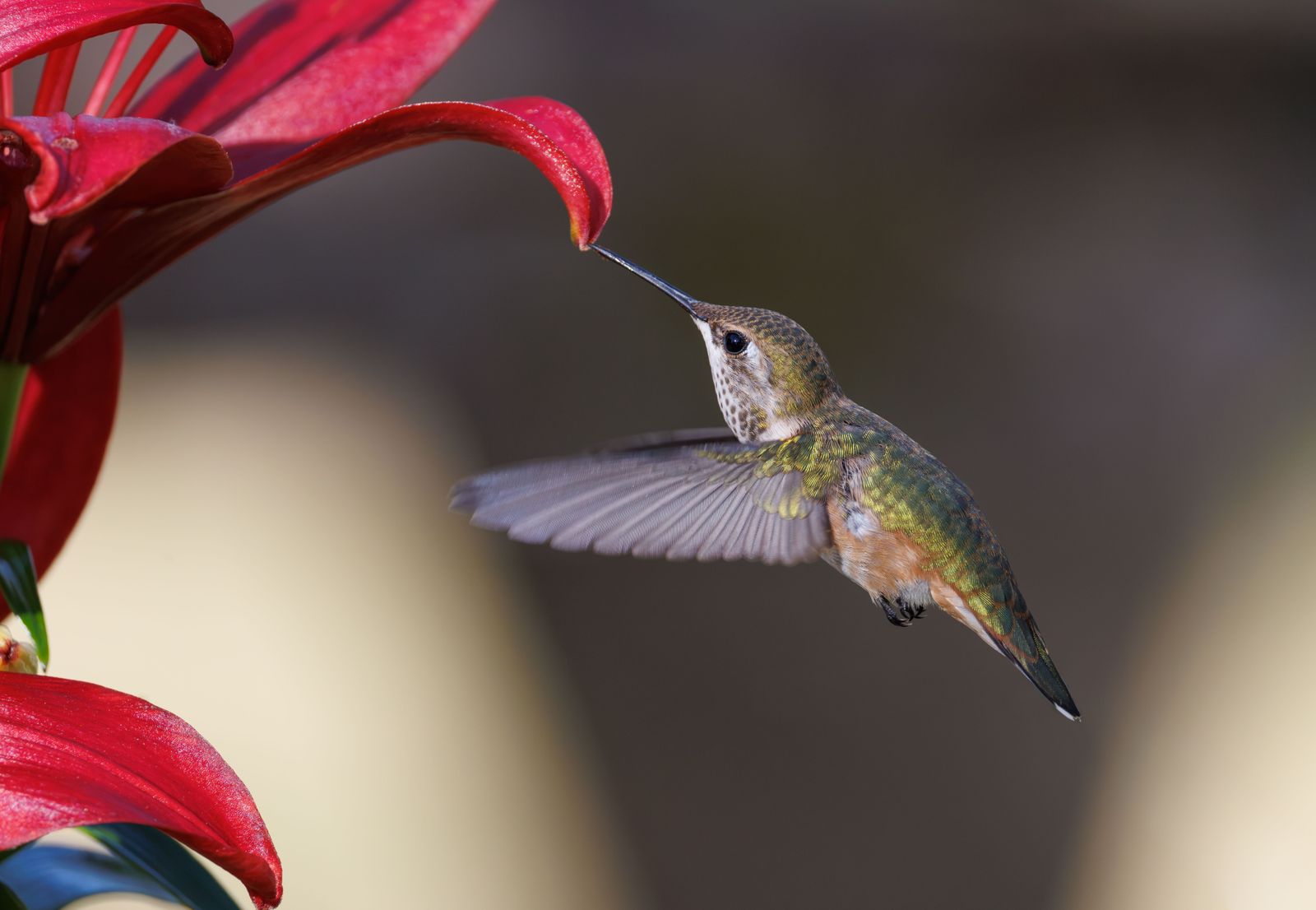
Late Summer and Fall Hummingbird Feeding: Setting Up Your Yard for Evening Migrators
Apply the 14-day rule: keep your hummingbird feeders clean and filled with a standard 4:1 water-to-sugar ratio for exactly 14 days after observing your last bird in late summer or fall. Feeding late-season migrators will never stop them from migrating, as migration is triggered strictly by shortening day length (photoperiod). During hyperphagia—their frantic pre-migration feeding frenzy—hummingbirds feed heavily during evening twilight. Soft, ambient illumination from solar-lit feeders provides vital visual guidance to feeding ports during these last dusk refueling stops.
Essential Metrics & Rules for Fall Hummingbird Care
- 14-Day Rule: Leave feeders hanging for 14 days after your final late-season sighting to fuel stragglers.
- 4:1 Golden Ratio: Stick to 4 parts water to 1 part pure white sugar; higher concentrations can cause severe hydration strain.
- 27°F Freeze Point: Standard 4:1 nectar freezes at 27°F (-2.8°C). Bring glass feeders indoors during overnight hard frosts.
- 5 to 7 Day Cleaning Cadence: Cool fall weather (50°F–65°F) slows bacterial bloom, stretching safe cleaning intervals from 2 days to 5–7 days.
- 32 fl. oz Capacity: Larger capacity reservoirs reduce refilling frequency during intense autumn feeding spikes.
- 10 to 15 Foot Perch Buffer: Position dusk feeding stations 10 to 15 feet from dense shrubbery to shelter birds from cold evening winds and nighttime predators.
Fall Migration Timeline: August Through November
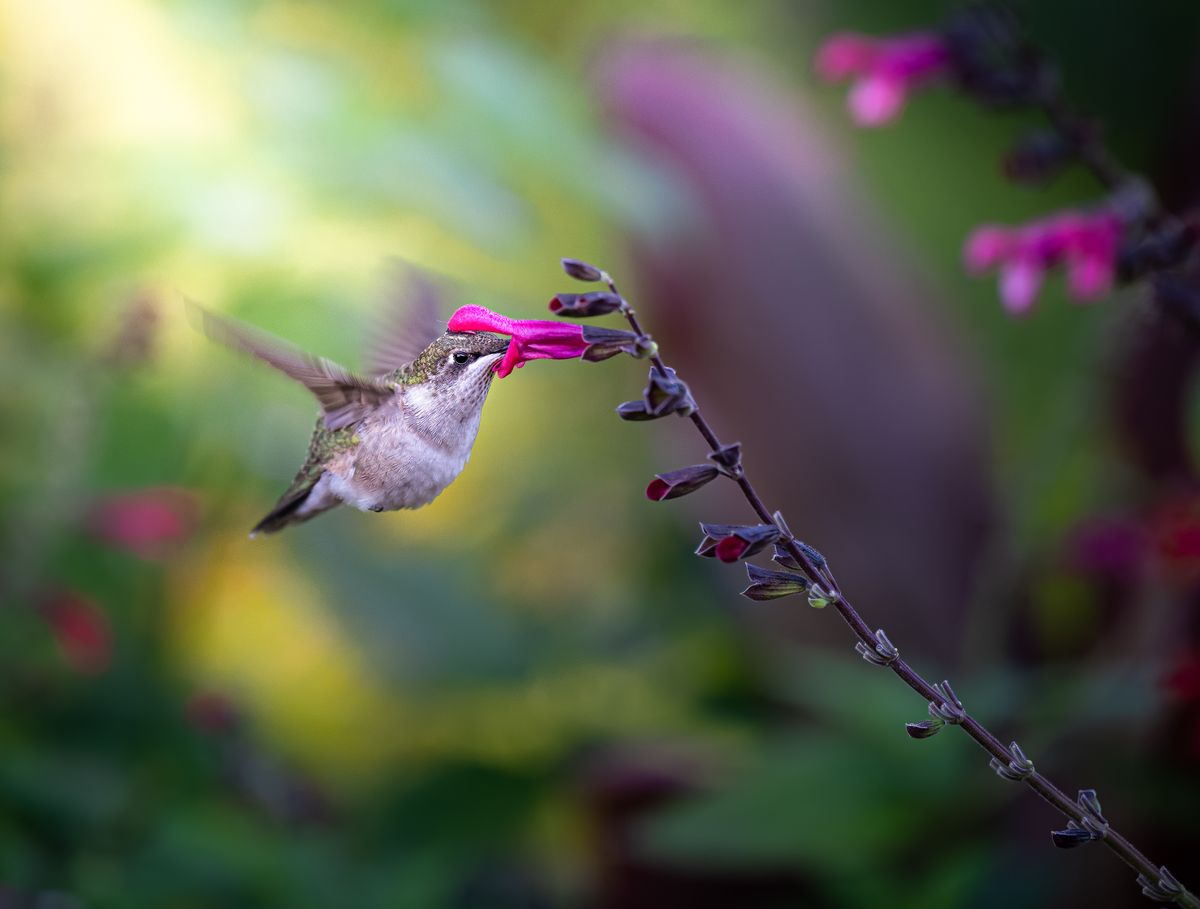
- August 15 – September 1 — Hyperphagia begins in Northern Tier states. Adult males migrate first, doubling their body weight from 3.0g to nearly 6.0g by feeding frantically before dusk.
- September 1 – October 1 — Central Plains & Midwest migration peaks. Juveniles and females head south. Evening feeding visits spike by up to 300% during twilight hours.
- September 15 – November 1 — Southern Tier refueling surge. Birds prepare for the 500-mile, 18-to-22 hour nonstop flight across the Gulf of Mexico.
- November 1 – November 15 — Final stragglers and late-hatched juveniles pass through. Initiate your 14-day countdown buffer before cleaning and storing feeders for winter.
Late-Season Feeder Maintenance Cadence
- Above 80°F (Late Summer Waves) — Flush and scrub reservoir with hot water every 2 days. Nectar ferments rapidly in heat.
- 68°F – 79°F (Early Autumn) — Clean and refill every 3 to 4 days. Inspect silicone seals for wasp or ant buildup.
- 50°F – 67°F (Mid Autumn) — Clean and replace nectar every 5 to 7 days. Inspect hand-blown glass for tiny hairline fractures caused by temperature swings.
- Below 28°F (First Frost Risk) — Bring glass reservoirs indoors at dusk after birds roost. Rehang warmed, liquid nectar 30 minutes before dawn.
Optimal Dusk Setup for Migrating Birds
For late summer and fall feeding, choose a heavy-duty, 32 fl. oz hand-blown glass feeder with a rust-resistant metal base and built-in solar LED cap. Handcrafted glass blown at 2,300°F offers superior wall thickness that retains ambient warmth longer than thin plastic, while a see-through reservoir lets you verify nectar volume at a glance. Solar RGB lighting casts a soft, non-glare ambient glow at twilight, helping traveling hummingbirds spot the feeding ports during their critical last meal before nightfall.
Anatomy of an Evening Refueling Haven
To maximize safety and visibility for twilight migrators, position your feeding station thoughtfully within your backyard landscape.
Fall Migration & Feeder Takedown Planner
Determine your precise feeder takedown window based on your regional location and last observed hummingbird sighting.
5 Critical Late-Season Feeding Errors
- Removing Feeders Prematurely: Packing away feeders in August or September out of fear of delaying migration is the #1 mistake. Migration is driven by instinct and daylight length, not food scarcity. Removing feeders deprives tired migrators of essential refueling stations.
- Thickening Nectar to a 2:1 Ratio: Some well-meaning gardeners double the sugar content in fall thinking it provides 'extra fuel.' Excessively thick syrup dehydrates birds during 500-mile continuous flights and taxes their kidneys.
- Adding Red Dye or Honey: Never add red liquid food coloring, honey, or artificial sweeteners. Honey ferments rapidly and causes fatal oral fungal infections, while red dye #40 damages internal organs.
- Leaving Nectar Frozen Overnight: Allowing liquid nectar to freeze solid overnight forces early-rising migrators at 6:00 AM to expend critical energy searching elsewhere when their fat reserves are depleted.
- Neglecting Late-Season Hygiene: Assuming cold fall air eliminates bacteria leads to moldy feeding ports. Spores grow even at 55°F, threatening delicate avian digestive tracts.
Summer vs. Fall Nectar Protocols: A Side-by-Side Comparison
| Maintenance Metric | Peak Summer (80°F - 95°F+) | Late Fall / Autumn (40°F - 65°F) |
| --- | --- | --- |
| Nectar Water-to-Sugar Ratio | 4:1 Standard (1 cup sugar to 4 cups water) | 4:1 Standard (3:1 permissible only during freezing snaps) |
| Sanitation & Flush Cycle | Every 48 hours (Every 2 days) | Every 5 to 7 days |
| Dusk Feeding Activity Window | 7:00 PM – 8:30 PM | 5:15 PM – 7:00 PM (Sharp hyperphagia peak) |
| Solar RGB Lighting Needs | 4 to 6 hours decorative accent light | Full 8 hours twilight visual port guidance |
| Liquid Freezing Threshold | N/A (Overheating risk) | 27°F (-2.8°C) nectar freeze point |
| Reservoir Capacity Strategy | Fill half-full to prevent heat spoil | Fill to 32 fl. oz capacity for migrating flocks |
As seasons shift from sweltering summer afternoons to crisp autumn twilights, your feeder maintenance parameters evolve.
Ornithologist Insights: Fueling Hyperphagia at Dusk
In the 10 to 14 days before departing on migration, a Ruby-throated or Rufous Hummingbird enters a state of hyperphagia—an physiologically driven eating frenzy. Their daily caloric consumption skyrockets by 200% to 300%, allowing them to put on approximately 0.15 to 0.20 grams of fat per day.
Because body metabolic rates drop into torpor overnight, late dusk feeding is their most crucial intake window. They need to pack in maximum energy right before dark. Positioning a solar-illuminated feeder near late-blooming autumn flowers (such as salvia or cardinal flower) gives these jeweled travelers a beacon to feast safely right up until dark.
Handcrafted Solar Feeders for Twilight Wildlife Viewing
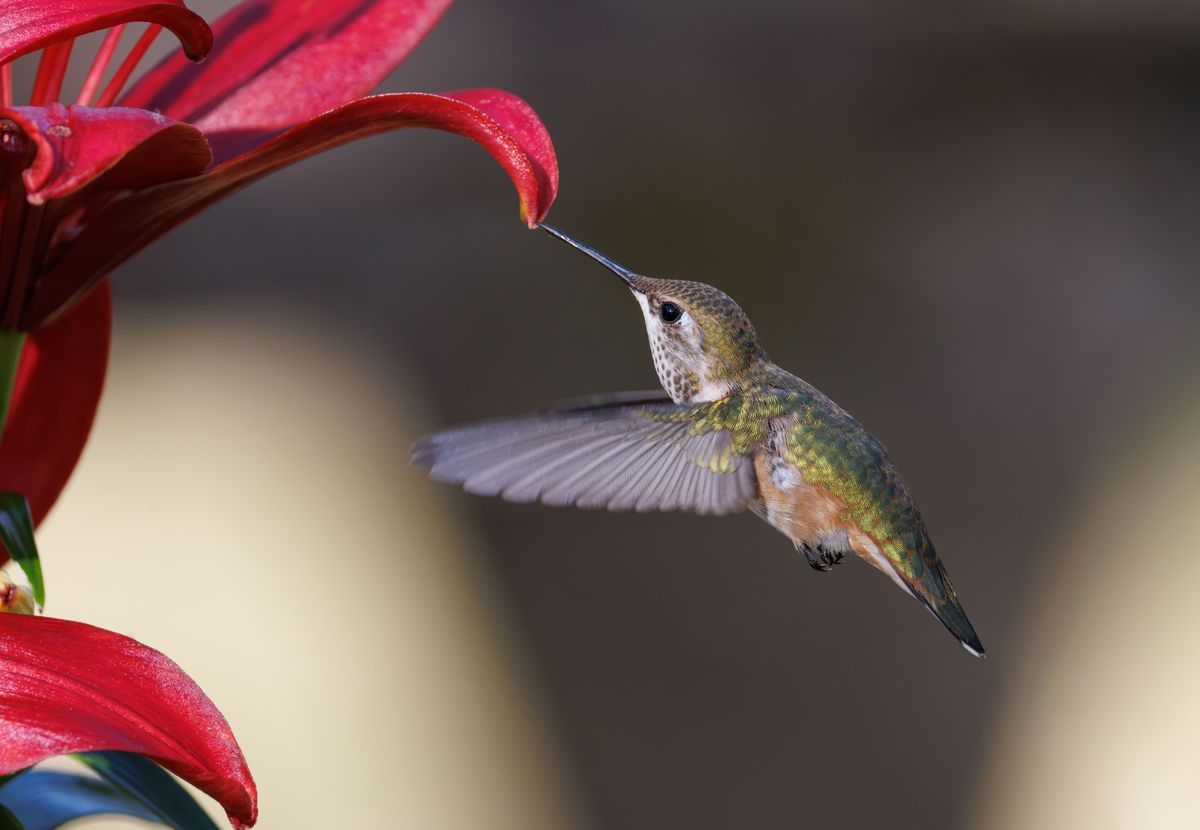
Photo by Veronika Andrews on Pexels
Enhance your autumn garden while providing a vital lifeline for traveling hummingbirds with the 🌟 LUJII Solar-Powered Hummingbird Feeder 🌟.
- Artisan Hand-Blown Glass: Each 32 fl. oz reservoir is individually hand-shaped at 2,300°F by skilled glassmakers. The thick, colorful, translucent glass allows easy nectar monitoring while adding handcrafted beauty to your autumn landscape.
- Solar Power & RGB Twilight Lights: Captures sunlight all day to automatically illuminate at dusk for up to 8 hours. Multiple RGB lighting modes cast a gentle glow around the feeding ports without blinding evening visitors.
- Leak-Proof & Weather-Resistant: Engineered with a slender silhouette, sealed base, and a protective plastic solar cap that shields nectar from autumn rain and snow. The rust-proof coated metal base withstands freezing nights and damp fall air.
US Regional Fall Migration & Feeder Removal Calendar
| US Geographic Zone | Peak Migration Window | Average First Frost Date | Target Feeder Takedown Window |
| --- | --- | --- | --- |
| Northern Tier (Pacific NW, New England, Upper Midwest) | August 15 – September 15 | Late Sept – Mid Oct | October 15 (or 14 days post last sighting) |
| Central Plains / Mid-Atlantic / Midwest | September 1 – October 1 | Mid Oct – Early Nov | November 1 (or 14 days post last sighting) |
| Southern Tier & Gulf Coast | September 15 – November 1 | Late Nov – Mid Dec | December 15 (Many host winter stragglers) |
| Pacific Coast & Desert Southwest | Year-round corridor (Anna's/Costa's) | Rare / Mid December | Year-Round Station (Do not remove) |
Consult this regional timing breakdown to align your feeding station schedule with historical departure dates across different United States zones.
Preparing Your Yard for Late Autumn Transition
Your decision: Decide to keep your feeders active through early autumn with a 4:1 nectar formula and clean reservoirs.
Do this next: Inspect current feeders for cracks, adjust cleaning schedules to once every 5-7 days in cool weather, and add solar ambient lighting to assist twilight migrators.
- Read next: Nighttime Garden Safety for Roosting Hummingbirds: Autumn Twilight Feeding Tips
Upgrade to a 32 oz LUJII Hand-Blown Glass Solar Hummingbird Feeder with anti-rust metal base to withstand late autumn weather.
Take immediate steps to optimize your late-season hummingbird feeding station before crisp autumn temperatures arrive.
Managing Frost, Cold Snaps, and Freezing Nectar
When late autumn nights dip below freezing, liquid nectar management requires extra attention:
Autumn Twilight Yard Setup Checklist
Run through this quick seasonal checklist to ensure your yard is fully optimized for passing autumn migrators.
Frequently Asked Questions About Late-Season Feeding
Explore More Evening Garden Magic
Continue enhancing your twilight sanctuary with these seasonal backyard guides:
- Do Hummingbirds Feed at Night? Understanding Dusk Behavior Around Illuminated Feeders
- How to Make Safe DIY Hummingbird Nectar: The Ultimate 4:1 Recipe
- Best Illuminated Feeders for Twilight Garden Decor: Solar RGB Glass vs. Standard Feeders
- Solar-Powered Lighted Feeders vs. Standard Glass Feeders: Upgrading Your Eco-Friendly Yard
Cover photo by Veronika Andrews on Pexels.