Late Summer Hummingbird Hyperphagia: How to Fuel the Pre-Migration Feeding Frenzy
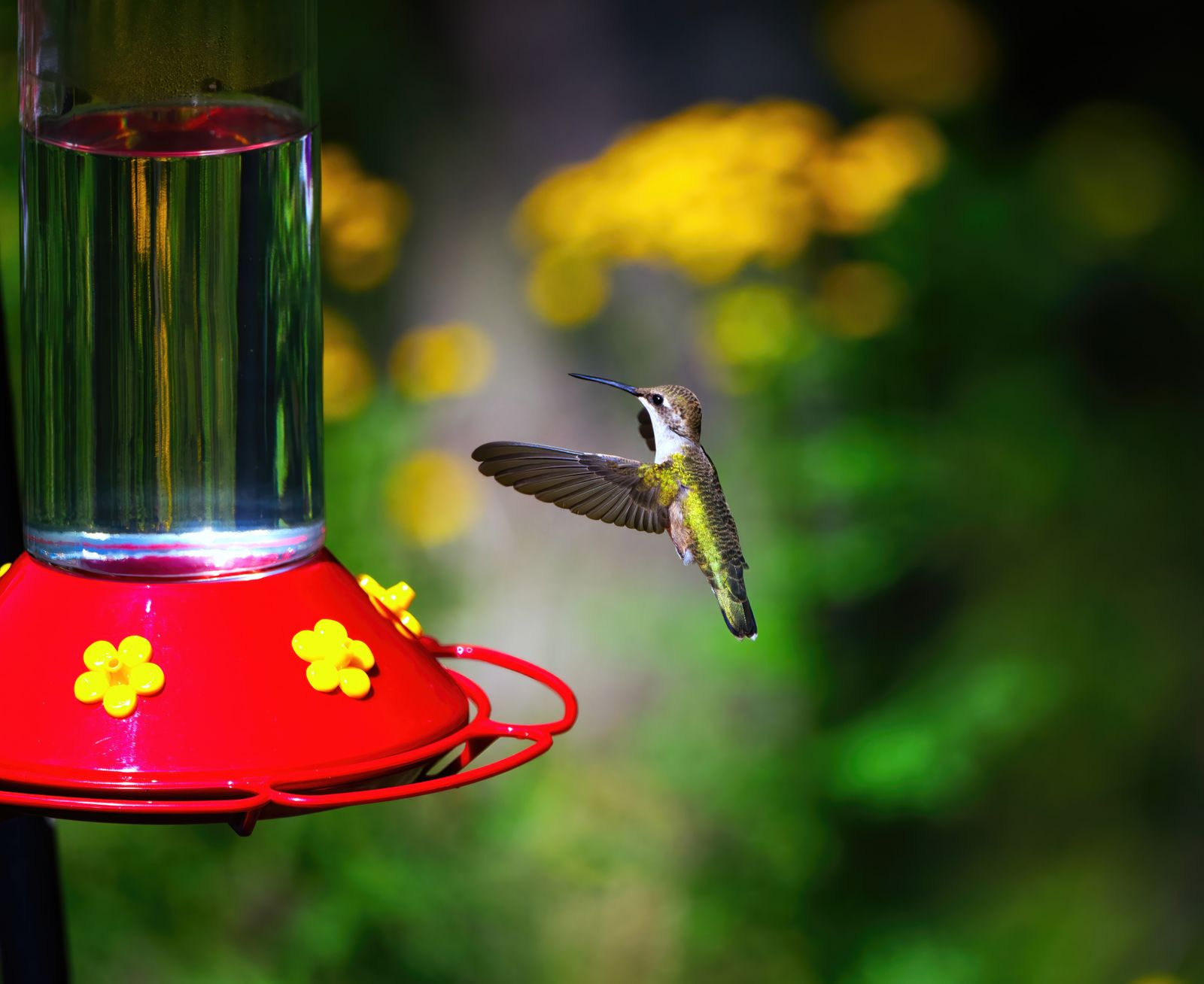
At 200% of their body weight in daily nectar intake, pre-migratory hummingbirds consume 1.5 to 2.0 fluid ounces of nectar per bird each day during late summer hyperphagia. To support this biological surge, maintain a 4:1 water-to-sugar ratio, sanitize high-capacity feeders every 24 to 48 hours in summer heat, and space feeders 15 feet apart to minimize territorial fighting.
Key Takeaways: Navigating the August-September Feeding Frenzy
- 100% Body Mass Gain: Hummingbirds must store up to 1 gram of fat—doubling their weight from 3 grams to 6 grams—to survive long-distance migration flight.
- 200% Daily Consumption: Metabolic intake jumps from 0.15–0.20 fl oz to up to 0.40 fl oz per bird per day during peak late-August hyperphagia.
- 4:1 Gold Standard Ratio: Maintain 4 parts water to 1 part pure white refined sugar. Never increase sugar strength to 3:1 or 2:1, as concentrated syrup causes severe dehydration in summer heat.
- 15-Foot Sightline Rule: Space multiple feeders at least 15 feet apart out of direct line-of-sight to break visual dominance and let subdominant, exhausted migrants feed peacefully.
- 48-Hour Maximum Hold: In temperatures exceeding 85°F, sugar nectar ferments within 24 to 48 hours, developing toxic fungal microflora that can harm avian respiratory tracts.
The Pre-Migration Biological Timeline: Weeks 1 through 6
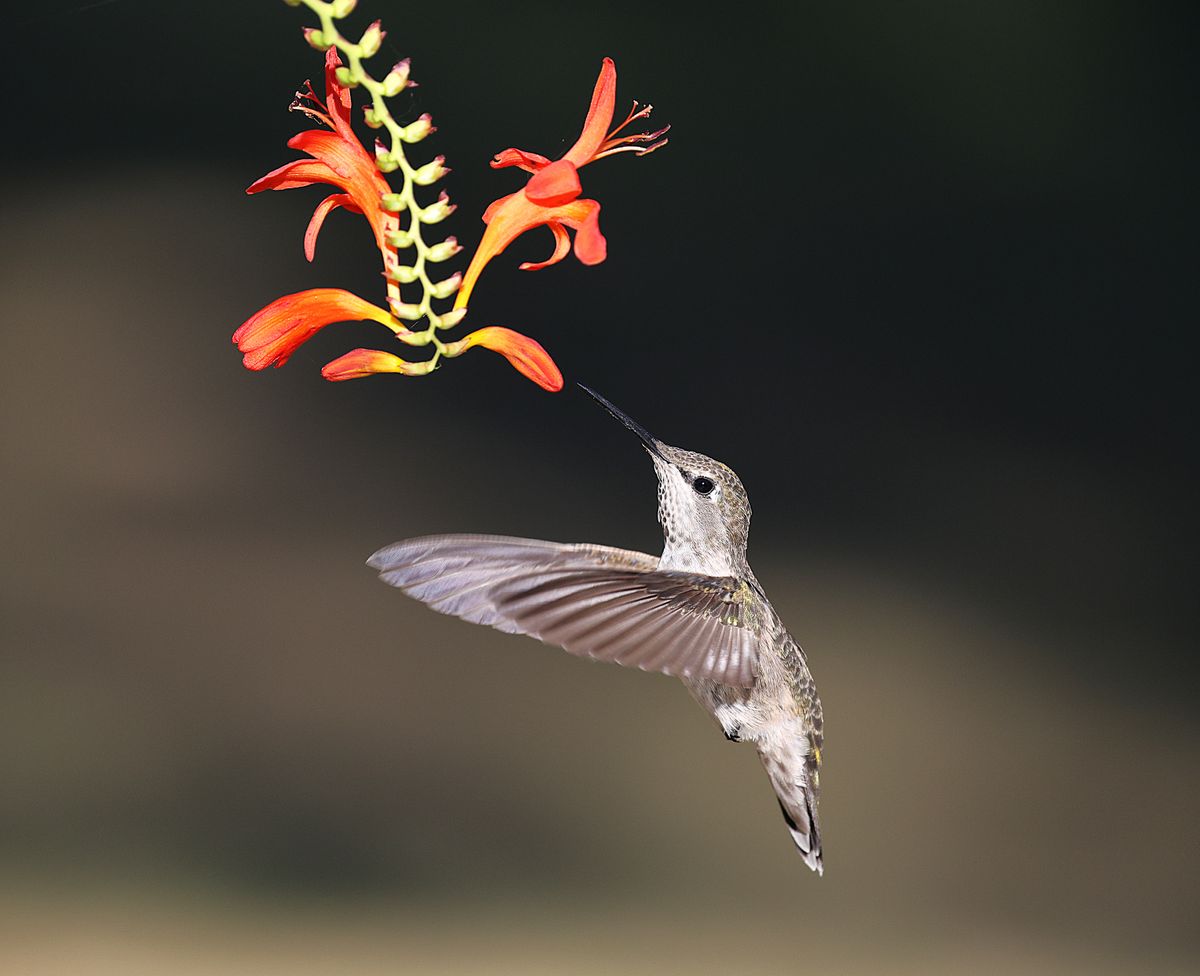
Photo by Veronika Andrews on Pexels
- Weeks 1–2 (Mid-August) — Hyperphagia Trigger: Decreasing day length triggers hormonal shifts in the pituitary gland. Daily feeding frequency increases by 50%. Action: Inspect feeder seals, expand daily syrup batch preparation, and set up secondary feeding stations.
- Weeks 3–4 (Late August to Early September) — Peak Fat Accumulation: Hummers feed aggressively from 30 minutes before dawn until twilight dusk. Daily nectar demand reaches 200% baseline. Action: Clean feeders every 24–48 hours and deploy 32 fl oz high-capacity feeders to avoid afternoon dry-outs.
- Weeks 5–6 (Mid to Late September) — Migration Onset & Waves: Local breeding birds depart south, while northern wave migrants arrive hungry and exhausted. Action: Keep all feeding stations full and illuminated; twilight access allows late-arriving migrants to refuel before roosting.
High-Volume Late Summer Feeder Maintenance Schedule
- Under 70°F (50°F – 69°F) — Inspect daily; perform full wash and nectar replacement every 4 to 5 days. Rinse with hot water.
- 70°F to 80°F — Perform full wash and nectar replacement every 3 days. Clean feeding ports with a soft port brush.
- 81°F to 90°F — Replace nectar and scrub reservoir every 48 hours. Sterilize with a 1:10 white vinegar solution weekly.
- Above 90°F+ — Replace nectar every 24 hours without exception. Shade feeders using overhead baffles or tree canopies.
Feeder Placement Blueprint: Managing High-Density Feeding Zones
Territorial aggression spikes significantly during hyperphagia because dominant resident hummingbirds attempt to guard single food sources. Designing a visual barrier layout ensures every visiting migrant receives access to fresh syrup.
5 Critical Hyperphagia Feeding Mistakes to Avoid
Even well-meaning backyard bird hosts can inadvertently harm hummingbirds during late summer. Avoid these five common pitfalls:
Expert Tip: Extending Twilight Feeding Hours for Migratory Hummers
During pre-migration hyperphagia, a hummingbird's metabolic priority is filling its crop to maximum capacity right before nightfall. Because digestive assimilation occurs during overnight roosting, the final 45 minutes of twilight represent their most crucial feeding window of the day.
Positioning high-capacity, solar-illuminated glass feeders—such as the LUJII 32 oz Solar Hand-Blown Glass Hummingbird Feeder—gives late-arriving birds a clear target in dimming light. The gentle RGB solar lighting cap casts a soft glow on hand-blown glass channels, allowing hummers to locate perches and drain nectar comfortably until nightfall without disrupting their natural circadian rhythms.
Late-Summer Hyperphagia Nectar Batch Calculator
Calculate exact daily and 3-day nectar batch volumes needed for your yard during hyperphagia to prevent feeder dry-outs while minimizing sugar waste.
Regional Late Summer to Autumn Migration Transition Calendar
| US Region / Latitude Zone | Hyperphagia Peak Window | Migration Departure Surge | Recommended Feeder Takedown |
| --- | --- | --- | --- |
| Northern US / Canada Border (Zone 3–5) | Early August – Late August | Late August – Mid September | 2 Weeks after last bird sighting (mid-October) |
| Central US / Midwest & Mid-Atlantic (Zone 6–7) | Mid-August – Early September | September 1 – Late September | Late October to Early November |
| Southern US / Gulf Coast & Desert South (Zone 8–10) | Late August – Mid October | September 15 – November 15 | Maintain year-round for overwintering hummers |
Migration timing varies by geographical latitude across the United States. Use this seasonal calendar to track when hyperphagia begins and when migration waves pass through your region.
High-Capacity Equipment for Late Summer Feeder Swarms
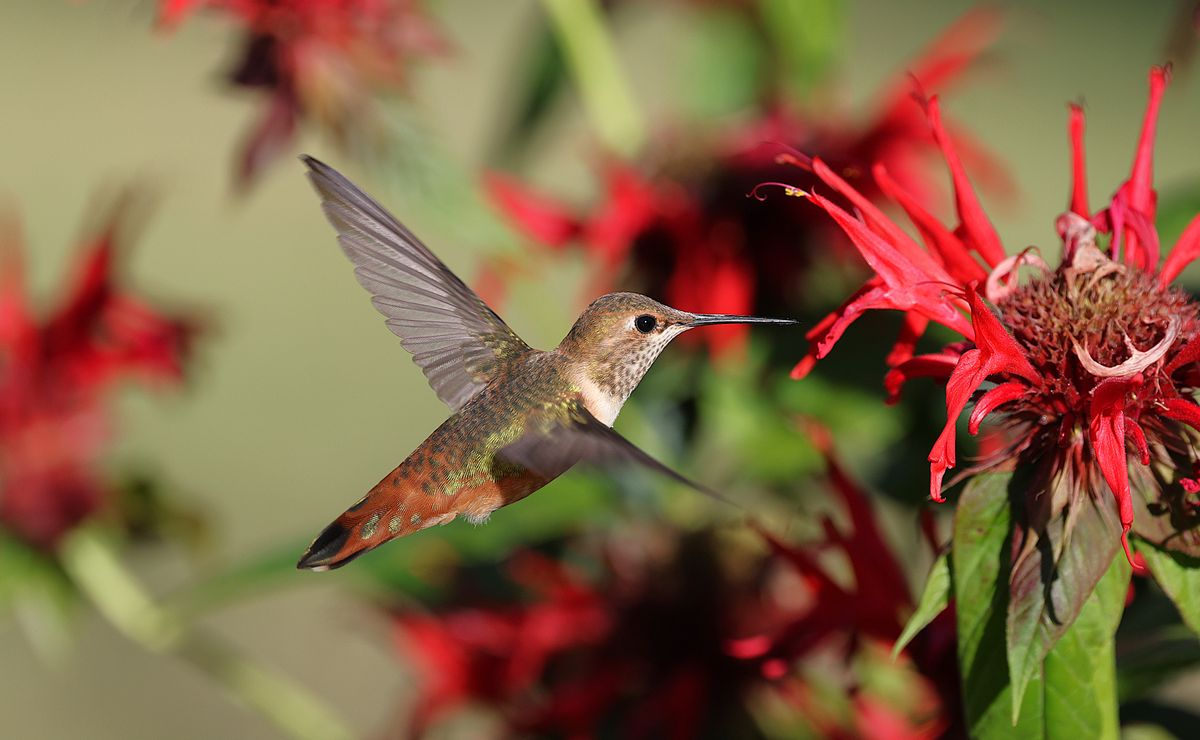
Photo by Veronika Andrews on Pexels
To handle swarming hyperphagia demand without constantly refilling 8 oz plastic jars, upgrade your backyard setup with durable, high-volume glass feeders.
Late Summer Heat vs. Nectar Spoilage Rates
When late August ambient air temperatures climb above 85°F, sucrose solutions undergo micro-fermentation. Yeast spores carried on hummingbird beaks quickly colonize open nectar ports. In high heat, fermented syrup exhibits three distinct danger signs:
Always locate high-capacity feeders in morning sun and afternoon shade. Using heavy, artisan-crafted glass reservoirs like hand-blown glass helps buffer internal fluid temperature spikes better than thin single-wall plastic containers.
Daily & Weekly Hyperphagia Readiness Checklist
- [ ] Inspect all feeder reservoirs for hairline cracks or leaky base seals.
- [ ] Mix fresh 4:1 nectar batch (pure white granulated sugar and boiled water).
- [ ] Establish at least two distinct feeding stations out of direct line-of-sight.
- [ ] Position feeders in partial shade to delay nectar fermentation.
- [ ] Clean and sanitize feeders every 24 to 48 hours depending on heat.
- [ ] Ensure dusk illumination is operational for twilight feeders.
Frequently Asked Questions About Late Summer Hummingbird Feeding
Answers to common reader questions regarding hyperphagia, pre-migration habits, and late-season feeder care:
Actionable Next Steps for Backyard Birders
Your decision: Determine if your current feeder setup can sustain 2x normal nectar consumption without frequent dry-outs or rapid spoilage.
Do this next: Set up 2 or 3 separated feeding stations using 32 fl oz high-capacity feeders and adopt a strict 24-48 hour cleaning cycle.
- Read next: Nighttime Garden Safety for Roosting Hummingbirds: Autumn Twilight Feeding Tips
LUJII 32 oz Hand-Blown Glass Solar Hummingbird Feeder for durable, high-capacity late summer feeding with illuminated twilight access.
Prepare your yard for the peak late summer migration frenzy by expanding capacity and setting up safe, multi-station feeding zones.