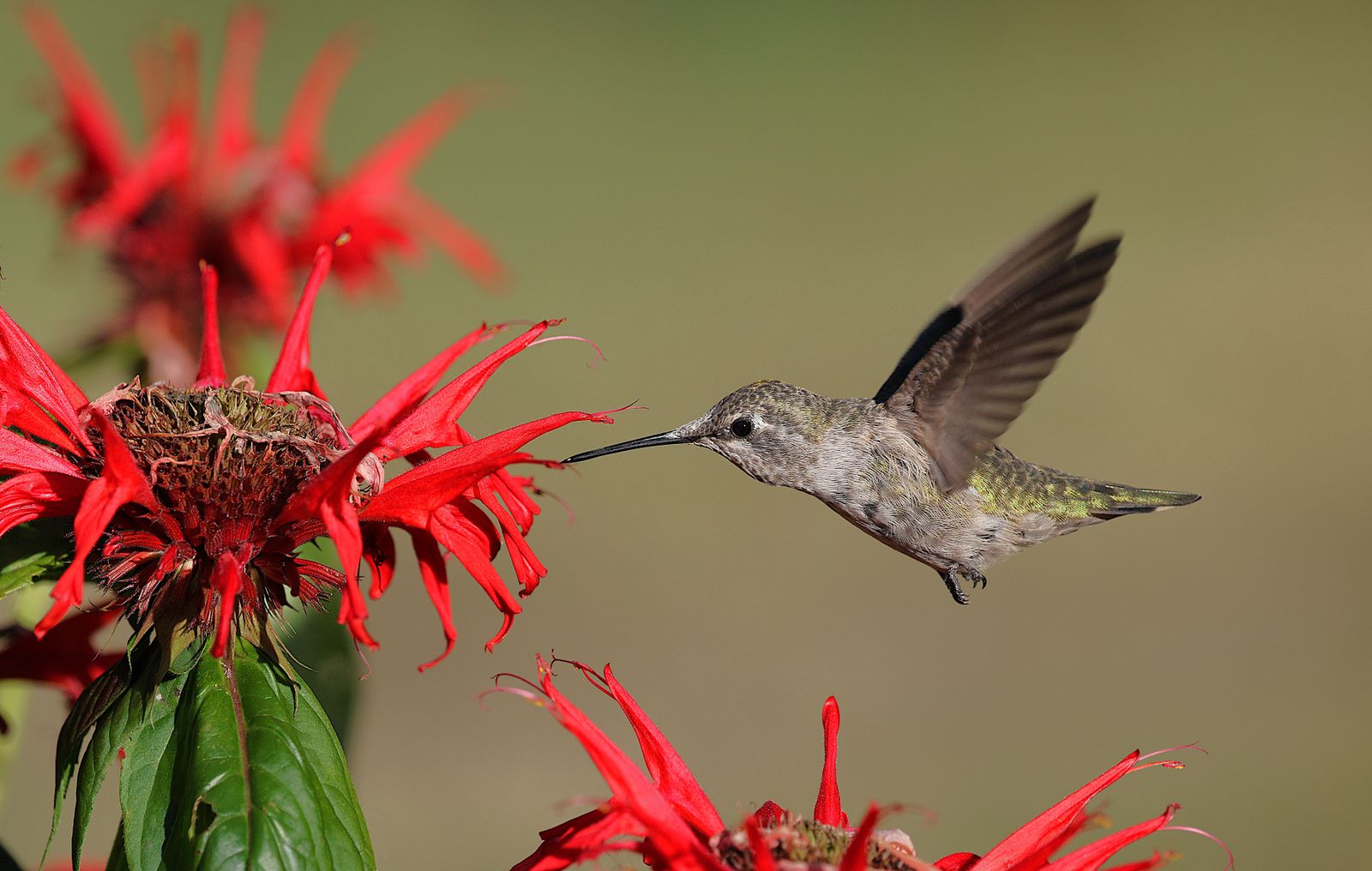
Fueling Summer Nesting: How High-Capacity Solar Feeders Support Busy Hummingbird Mothers
Rule of 200%: A single 0.11-ounce female hummingbird requires up to 200% of her body weight in fuel daily during summer nesting to sustain herself and two hungry nestlings. To prevent dangerous midday nectar shortages, hang a high-capacity 32 fl. oz. glass feeder in filtered shade. This volume provides 3 to 4 days of continuous nectar reserves while maintaining liquid thermal stability.
Core Takeaways for Summer Nesting Support
- Double Body Mass Intake: A nesting female hummingbird visits flowers and feeders up to 140 times per day, consuming 20 to 30 milliliters of 4:1 nectar solution daily.
- Solo Nesting Burden: Female hummingbirds build nests, incubate eggs, and feed chicks with zero assistance from males; reliable backyard nectar sources within 20 feet of foliage drastically increase chick survival rates.
- Thermal Mass Defense: High-capacity 32 fl. oz. hand-blown glass reservoirs resist ambient heat spikes longer than thin plastic 8 oz feeders, slowing sugar fermentation.
- Shade & Hydration Balance: At temperatures above 88°F, nectar ferments within 48 hours. Proper shaded placement prevents mold growth and prevents dehydration in nestlings.
The 6-Week Nesting & Brood Development Timeline
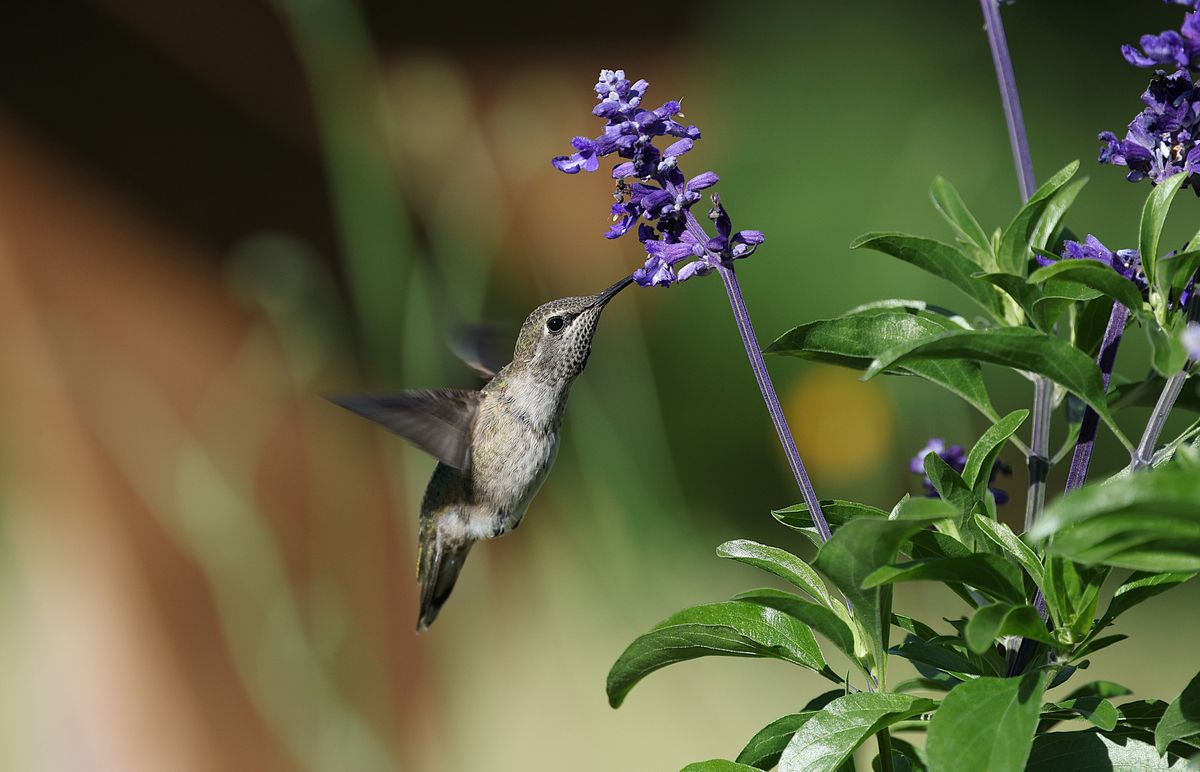
Photo by Veronika Andrews on Pexels
- Weeks 1–2: Nest Building & Egg Laying — The female consumes 10–12 ml of nectar daily while gathering spiderwebs, lichen, and plant down. Hang a 32 oz feeder within 20 feet of dense shrubs to minimize her energy expenditure during nest construction.
- Weeks 3–4: Hatching & Early Brooding — Chicks hatch blind and featherless. The mother's daily caloric demand surges by 150% as she feeds nestlings a slurry of insects and nectar every 15 to 20 minutes. Keep feeders full and clean.
- Weeks 5–6: Peak Nestling Growth & Fledging — Nestlings reach full size before fledging, requiring up to 30 ml of nectar family intake daily. Inspect 32 oz feeder reservoirs daily and refresh nectar every 2 days during peak heat.
Summer High-Heat Nectar Maintenance Schedule
- 70°F – 80°F (Mild Summer) — Refill nectar and rinse reservoir every 4 to 5 days using hot water. No soap needed unless mold spots appear.
- 81°F – 88°F (Moderate Heat) — Refill and wash feeder every 3 days. Clean the ant moat and check base seals to prevent leakage.
- 89°F – 95°F (High Heat) — Refill and sanitize feeder every 2 days. Scrub feeding ports with a bottle brush to prevent fungal spore buildup.
- 96°F+ (Extreme Heat Wave) — Refill daily with fresh, cooled 4:1 nectar. Relocate feeder into 100% afternoon shade to prevent thermal scalding.
Pro Tip: Strategic Feeder Placement for Nesting Queens
Nesting female hummingbirds spend up to 40 minutes per hour sitting on eggs or brooding tiny nestlings. To conserve precious calories, they prefer feeding stations with a direct line of sight to their nest tree, hidden from aggressive territorial males. Position your 32 fl. oz. hand-blown glass solar feeder on a north- or east-facing porch beam or shepherd's hook under tree canopy shade. Ensure it hangs 15 to 20 feet from dense bushes like hydrangeas, boxwoods, or lilacs. This distance provides quick safety cover from preying hawks while keeping rich nectar within a 5-second flight of the nest.
Recommended Feeder Spec for Nesting Season
To support hardworking hummingbird mothers through hot summer broods, select a feeder built for capacity, weather resistance, and thermal insulation.
Featured Model: LUJII 32 oz Hand-Blown Glass Solar Hummingbird Feeder
- Capacity: 32 fl. oz. heavy-walled artisan glass reservoir (holds 4x more than standard mini feeders).
- Thermal Shield: Thick handcrafted glass blown at 2,300°F insulates nectar against rapid midday heat spikes.
- Pest Defense: Anti-rust powder-coated metal base with sealed leak-proof silicone gaskets and integrated ant moat cap.
- Nighttime Illumination: Built-in solar charging cap with RGB ambient LED lights that run up to 8 hours on full charge without disturbing roosting birds in torpor.
High-Capacity (32 oz) vs. Standard Feeder Performance
This visual comparison illustrates how a heavy-walled 32 fl. oz. glass feeder preserves liquid nectar stability during peak 95°F summer heat compared to a small 8 oz thin plastic unit.
Nesting Family Nectar Intake Calculator
Use this mathematical model to estimate your backyard hummingbird flock's daily nectar consumption based on active female nesting broods and local temperature ranges.
Summer Nesting Caloric & Nectar Demand Calendar
| Month / Stage | Brood Stage | Daily Caloric Intake (kcal) | Est. Daily Nectar Volume | Recommended Refill Interval (32 oz Feeder) |
| --- | --- | --- | --- | --- |
| June (Early Brood) | Incubation & Hatching | 7.5 - 9.0 kcal | 12 - 15 ml / mother | Every 4 - 5 Days |
| July (Peak Brood) | Rapid Nestling Growth | 14.0 - 18.0 kcal | 25 - 35 ml / nest family | Every 2 - 3 Days |
| August (Fledging & 2nd Brood) | Fledging / Re-nesting | 12.0 - 16.0 kcal | 20 - 30 ml / family | Every 3 - 4 Days |
Hummingbird energy requirements shift across the summer season. Review this monthly guide to calibrate your nectar mixing and refill frequency.
Featured High-Capacity Solar Hummingbird Feeder
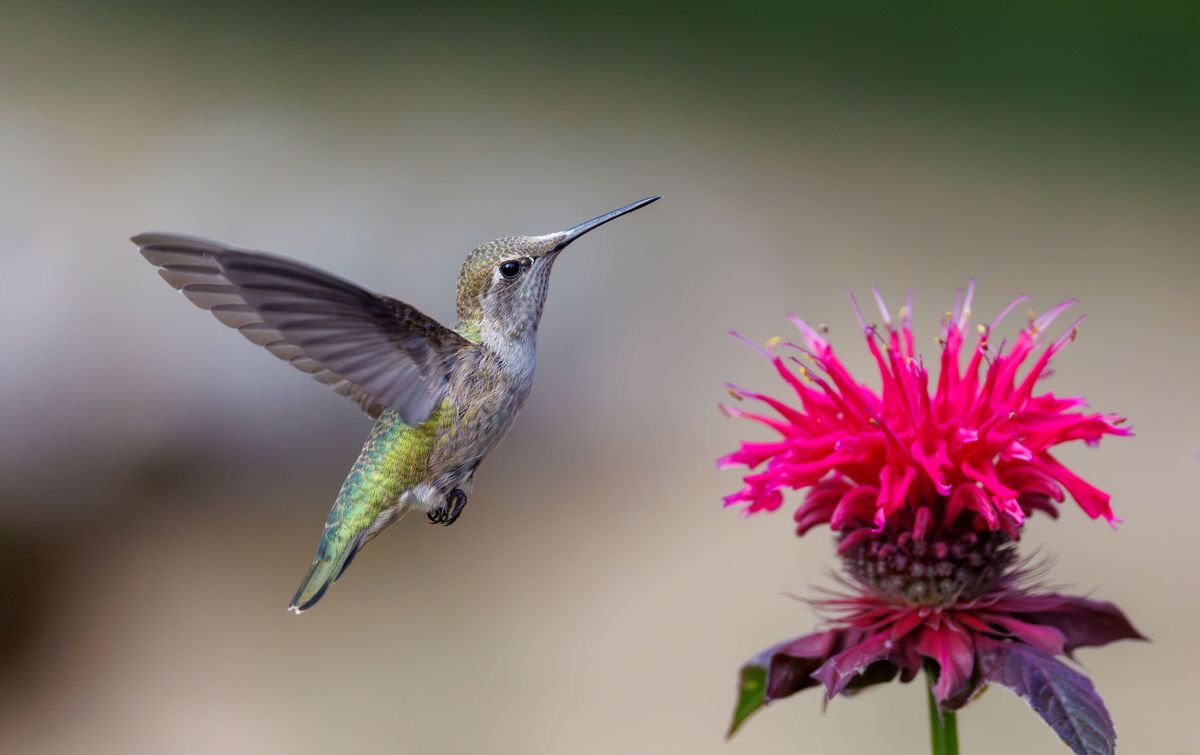
Photo by Veronika Andrews on Pexels
Designed specifically for backyard bird enthusiasts who want to blend artisan aesthetics with functional avian care, the LUJII Solar Feeder delivers heavy-duty capacity and weatherproofing.
Regional Heat & Microclimate Management
Summer weather conditions across the United States dictate how you manage hummingbird nectar reservoirs:
- Southern States & Gulf Coast (Zone 8–10): High ambient humidity accelerates mold formation. Place 32 oz feeders in full shade, clean base metal seals every 48 hours, and hang near moving water features to cool the microclimate.
- Desert Southwest (Zone 9–11): Extreme temperatures (100°F+) cause rapid nectar evaporation. Mix strict 4:1 white cane sugar solutions to prevent mineral hyper-concentration, and ensure feeders are shielded from harsh afternoon sun.
- Midwest & Mid-Atlantic (Zone 5–7): Summer thunder showers can dilute exposed feeding ports. Choose sealed, leak-proof metal bases with umbrella-style solar caps that shed rainwater away from perches.
- Pacific Northwest (Zone 7–9): Moderate summer warmth allows 32 oz feeders to maintain nectar freshness for up to 5 days, making large capacity reservoirs ideal for supporting multiple Ruby-throated or Anna's broods.
Summer Nesting Feeder Setup Checklist
- [ ] Select a 32 fl. oz. feeder to ensure nectar availability all day.
- [ ] Mix fresh 4:1 white sugar water solution (do not add red dye).
- [ ] Position feeder in shade, especially during peak 12 PM - 4 PM heat.
- [ ] Ensure feeder is within 20 feet of protective shrubbery or tree cover.
- [ ] Check metal base ant moat and wasp guard seals.
- [ ] Clean and sanitize reservoir every 2 days when ambient temp exceeds 85°F.
Frequently Asked Questions About Summer Nesting Feeding
Find quick solutions to standard questions regarding summer nectar management, solar light safety, and pest deterrence.
Explore Related Hummingbird Guides
Expand your hummingbird knowledge with our educational guides on seasonal feeding, nectar safety, and feeder maintenance:
- When to Put Out Hummingbird Feeders in Spring: A Regional Arrival Guide
- Best Early Spring Hummingbird Feeders: Decorative Hand-Blown Glass vs. Standard Plastic
- How to Make Safe DIY Hummingbird Nectar: The Ultimate 4:1 Recipe
- Hot Weather Nectar Ratios: How to Keep Hummingbird Food Fresh in Summer
Your Action Plan for Summer Nesting Support
Your decision: Choose a high-capacity 32 oz hand-blown glass feeder to support summer nesting mothers without running dry.
Do this next: Hang the 32 oz feeder in filtered morning shade within 15-30 feet of dense foliage for nesting shelter.
- Read next: When to Put Out Hummingbird Feeders in Spring: A Regional Arrival Guide
- Read next: Best Spring Hummingbird Feeders: Decorative Hand-Blown Glass vs. Standard Plastic
LUJII 32 oz Hand-Blown Glass Solar Hummingbird Feeder with ambient solar LED night glow.
By providing high-capacity 32 oz reservoirs, placing feeders in shaded cover, and maintaining clean sugar water, you directly contribute to higher chick fledging success rates in your neighborhood.
Cover photo by Veronika Andrews on Pexels.