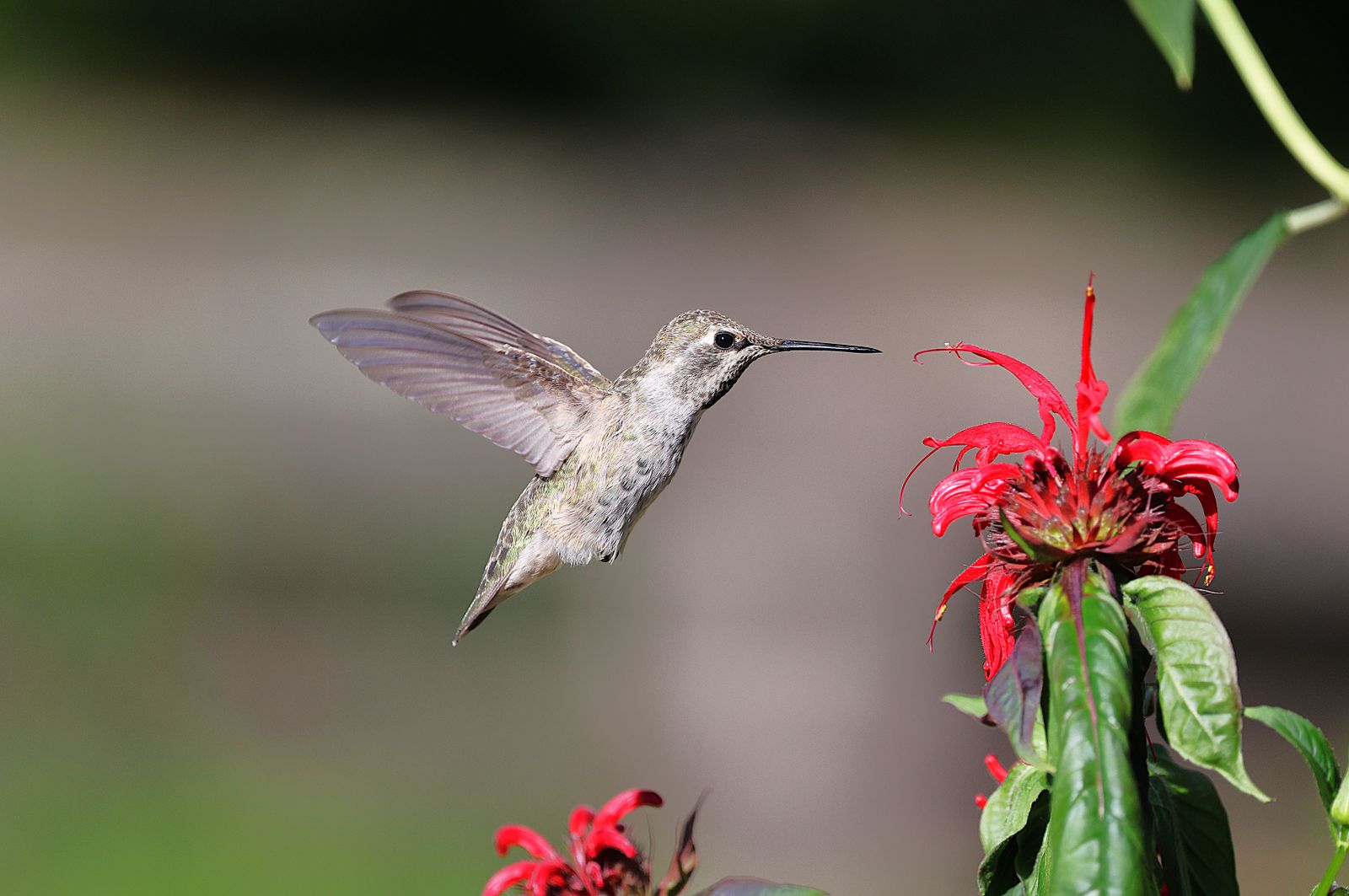
How to Keep Hummingbird Nectar Fresh in Extreme August Heat
In temperatures above 90°F, change hummingbird nectar every 24 hours and fill reservoirs only 1/3 full. Hang glass feeders in deep afternoon shade to prevent thermal air expansion leaks, and rinse with hot water daily. Never alter the 4:1 white sugar ratio or add ice directly to nectar.
August Nectar Assessment & Action Flowchart
- Is outdoor temperature above 90°F today? → Yes: Check nectar clarity. Is liquid cloudy, milky, or showing black specks?. No: Nectar remains safe for 48 to 72 hours if kept in afternoon shade..
- Is liquid cloudy, milky, or showing black specks? → Yes: DISCARD IMMEDIATELY. Rinse feeder with hot water and refill with chilled 1/3 batch.. No: Is the reservoir filled more than 50% capacity?.
- Is the reservoir filled more than 50% capacity? → Yes: Reduce volume to 33% (approx 10 fl.oz) to minimize internal thermal air expansion pressure.. No: Check hanging location. Ensure feeder receives afternoon shade between 12 PM and 5 PM..
August Nectar & Feeder Heat Crisis Troubleshooting Matrix
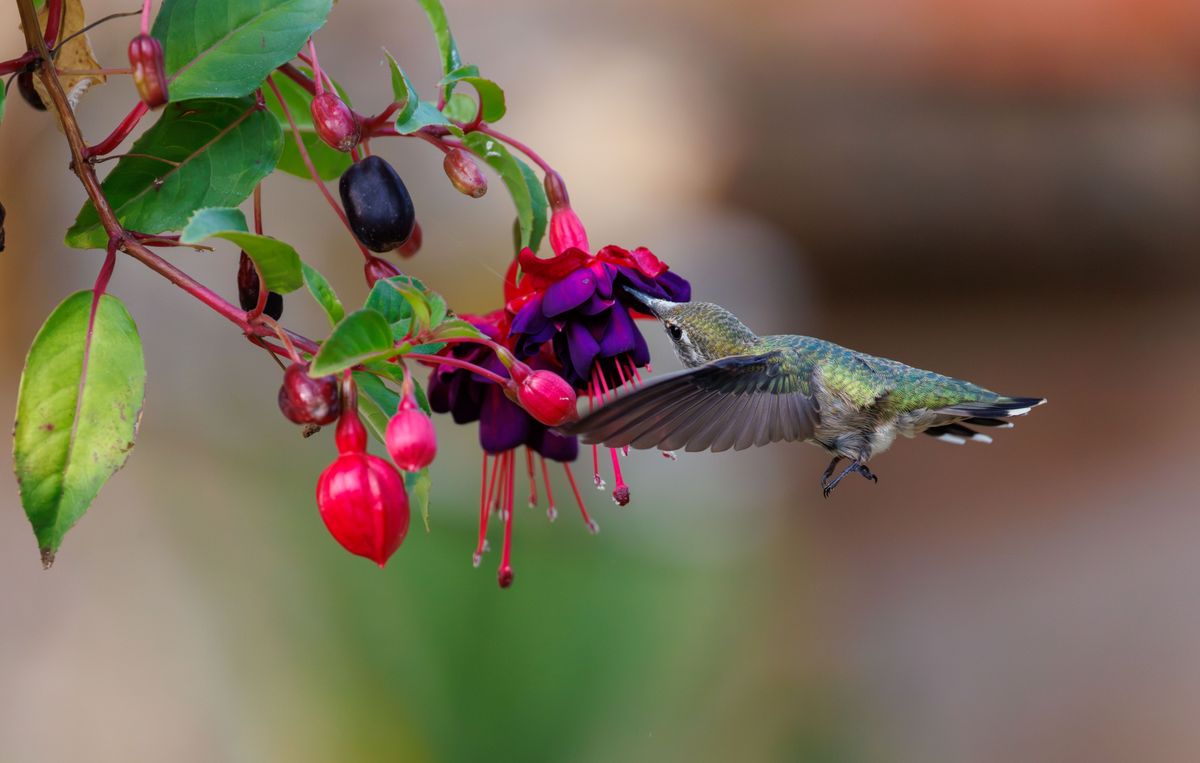
Photo by Veronika Andrews on Pexels
| Symptom / Scenario | Root Cause | Immediate Fix | Preventative Step |
| --- | --- | --- | --- |
| Nectar turns cloudy or stringy within 24–36 hours | Wild atmospheric yeast rapidly fermenting sucrose into alcohol under 90°F+ ambient heat | Dump liquid immediately. Scrub glass reservoir with warm water and uncooked white rice | Hang feeder in deep afternoon shade and fill only 25–33% of total reservoir capacity |
| Inverted hand-blown glass feeder drips steadily from base ports during midday heat | Thermal air expansion: Air trapped above nectar expands as midday sun heats the glass, breaking vacuum seal | Cool the reservoir under cold tap water. Empty half the liquid to reduce internal air pressure buildup | Fill feeder with chilled nectar in early morning and keep reservoir shaded during peak sun hours (12–5 PM) |
| Bees, wasps, and ants swarming metal feeding ports | Sugar syrup residue baked onto external metal base by heat, or ongoing thermal drip leakage | Wipe down external base with warm water towel. Spray surrounding hanger with water-vinegar mix | Install a built-in ant moat and ensure rubber base seal is tightly seated before hanging |
| Black velvet-like spots forming inside hand-blown glass art crevices | Spores of Candida albicans fungal mold embedding in textured interior glass curves | Swirl 2 tbsp uncooked white rice, warm water, and white vinegar inside reservoir for 60 seconds | Perform daily hot-water rinses during heatwaves; never leave nectar unchanged past 24 hours in 90°F+ weather |
Diagnose late-summer feeding issues instantly. Match your feeder's physical symptoms to the underlying thermal mechanics and apply the tested fix.
Expert Thermal Insight: How Glass Expansion & Solar LED Caps Behave in Sunlight
Handcrafted, hand-blown glass hummingbird feeders are magnificent works of garden art, but they obey rigid thermodynamic principles. Inside an inverted glass bottle, the pocket of air trapped above the liquid acts like a thermal spring. When intense August afternoon sunlight strikes the translucent glass, that air pocket heats up and expands rapidly.
Because glass does not flex, the expanding air builds pressure against the liquid column, forcing nectar down and out through the metal port seals—a phenomenon known as thermal displacement dripping.
The Solar LED Advantage: A common misconception among garden enthusiasts is that solar-powered illumination caps warm the nectar at night. In reality, quality solar hummingbird feeders utilize low-voltage, cool-operating LED elements mounted entirely above the insulated stopper cap. The solar top actually acts as an upper heat shield during the day, blocking direct overhead solar radiation from hitting the top stopper seal while storing clean energy to light up your garden in magical RGB hues after twilight.
Late-Summer Feeding Timeline: August Heatwaves to September Migration Prep
| Temperature & Time Window | Nectar Lifespan Limit | Target Reservoir Fill Level | Thermal Leak Risk Level | Primary Action Required |
| --- | --- | --- | --- | --- |
| Mid-July to Early August (75°F – 84°F) | 3 to 4 Days | 50% Capacity (16 fl.oz) | Moderate | Inspect clarity twice weekly; wipe feeding ports clean after high visit days. |
| Mid-August Peak Heat (85°F – 92°F) | 48 Hours Max | 33% Capacity (10 fl.oz) | High | Shift feeder to West-shaded branch; dump and refresh liquid every 48 hours. |
| Late August Heatwave (93°F – 105°F+) | 24 Hours Max | 25% to 33% Capacity (8–10 fl.oz) | Critical | Daily morning complete dump, hot-water rinse, and chilled nectar replacement. |
| September Migration Prep (65°F – 78°F) | 4 to 5 Days | 75% to 100% Capacity (24–32 fl.oz) | Low | Increase capacity to support heavy migratory refueling; monitor evening solar LED duration. |
Adjust your feeder maintenance routine as ambient temperatures shift through late summer into autumn migration.
Daily High-Heat Feeder Maintenance Checklist
- [ ] Check nectar transparency at eye level; discard immediately if liquid appears cloudy, yellowish, or stringy.
- [ ] Verify feeder is positioned to receive full afternoon shade between 12:00 PM and 5:00 PM.
- [ ] Fill glass reservoir to only 25%–33% capacity (approx 8–10 fl.oz) to leave ample thermal headroom.
- [ ] Rinse reservoir and base thoroughly with scalding hot water—never use dish soap or bleach.
- [ ] Inspect the metal base rubber gasket for a snug, airtight fit before hanging to maintain vacuum seal.
Feeder Placement Decision Tree: Deep Shade vs. Dusk Solar Recharging
- Does your hanging spot receive direct overhead sunlight between 1 PM and 4 PM? → Yes: RELOCATE. Move feeder 5 to 10 feet East under tree foliage or a porch overhang.. No: Does the spot catch early morning (8 AM – 11 AM) angled sunlight?
- Does the spot catch early morning (8 AM – 11 AM) angled sunlight? → Yes: IDEAL LOCATION. Morning sun recharges solar cap batteries without overheating afternoon nectar.. No: Consider a dual-hanging setup or top-mounting a shade baffle to block midday overhead rays.
Essential Rules for August Nectar Safety
- Dump and replace sugar water every 24 hours whenever outdoor temperatures cross 90°F.
- Never adjust the standard 4:1 water-to-white-sugar ratio; hummingbirds get hydration from natural insects and clean water sources.
- Fill 32 fl.oz hand-blown glass reservoirs only 1/3 full during heatwaves to reduce waste and prevent vacuum pressure leaks.
- Clean interior glass crevices using white rice, warm water, and vinegar rather than harsh toxic chemicals.
- Position solar feeders to catch morning sunshine for battery charging, followed by deep canopy shade during intense peak heat.
Choosing the Best Heatwave Setup for Hand-Blown Glass Feeders
During extreme August heatwaves, managing nectar freshness requires partial filling, strategic afternoon shade placement, and daily hot-water rinses.
Best choice for
- 1/3 Reservoir Fill + Deep Afternoon Canopy Shade — Prevents rapid yeast fermentation while eliminating vacuum expansion leaks caused by direct afternoon sun on glass.
- East-Facing Porch Hook or Dappled Tree Canopy — Captures 4–6 hours of morning solar radiation for 8-hour nighttime RGB lighting without heating liquid during peak thermal hours.
- Hanging unshaded glass feeders over concrete or brick patios that radiate reflected ground heat upward.
- Adding ice cubes directly to nectar, which dilutes essential caloric concentration required for bird survival.
- Weather-Baffled Shepherds Hook in Garden Bed — Offers 360-degree flight access for aggressive summer hummers while an overhead baffle casts protective shade.
Recommended Solution: Weatherproof Hand-Blown Glass Solar Feeders
Protect your garden visitors with handcrafted glass art built to handle the elements while transforming your evening landscape.
Nectar Replacement Frequency by Temperature Bracket
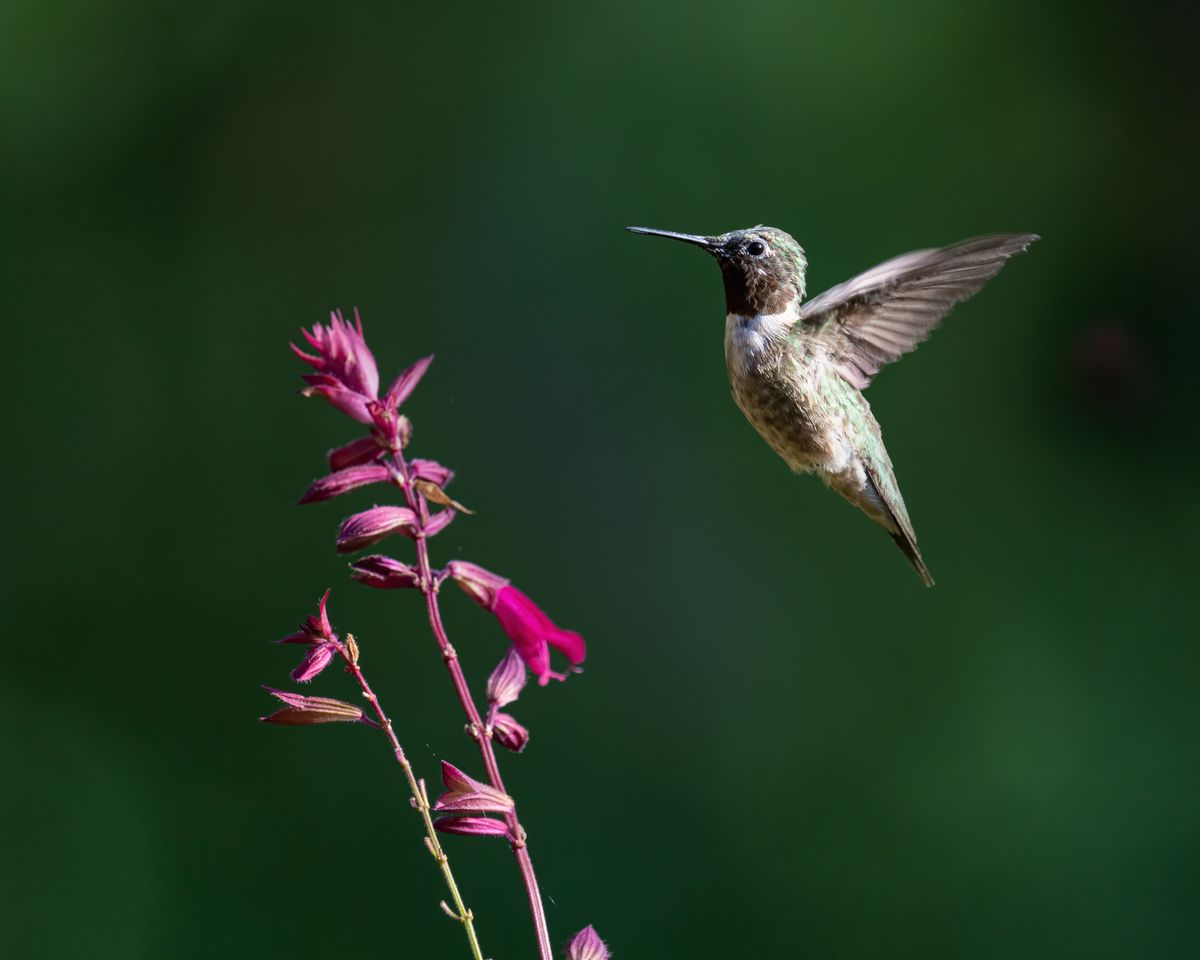
Photo by Skyler Ewing on Pexels
| Temperature Scenario | Max Safe Exposure Time | Recommended Fill Level | Fermentation Risk | Primary Care Action |
| --- | --- | --- | --- | --- |
| Below 75°F (Mild Spring / Early Summer) | 5 to 7 Days | 100% Full (32 fl.oz) | Low | Standard weekly wash and full refill routine |
| 75°F – 84°F (Moderate Summer Heat) | 3 to 4 Days | 50% Full (16 fl.oz) | Moderate | Check clarity visually; rinse base every 3 days |
| 85°F – 92°F (High Summer Heat) | 48 Hours Max | 33% Full (10 fl.oz) | High | Dump and refresh liquid every 48 hours; ensure afternoon shade |
| 93°F+ (Extreme August Heatwave) | 24 Hours Max | 25% to 33% Full (8–10 fl.oz) | Critical | Daily complete dump, hot-water rinse, refill with chilled nectar |
Use this comparative matrix to align your refilling schedule with local high temperatures.
Step-by-Step Protocol: Deep Cleaning Hand-Blown Glass Crevices After Heat Spoilage
Safely eliminate stubborn black mold and fermented sugar film from handcrafted glass curves without chemical damage.
5 Critical Mistakes That Fast-Track Nectar Spoilage in Summer
Steer clear of these common feeding pitfalls to protect your local hummingbird population.
Related Seasonal Guides
- Summer Heat Spoilage: How to Keep Hummingbird Nectar Fresh on Scorchers
- How to Keep Hummingbird Nectar Fresh in Summer Heat (Water Quality Guide)
- Summer Nectar Care: How to Keep Hummingbird Food Fresh in Hot Weather
Frequently Asked Questions About Hot-Weather Hummingbird Care
Clear answers to essential questions regarding solar LED caps, nectar recipes, and shade placement.
Next Steps: Protect Your August Feeding Station
Your decision: Transition your August feeding strategy from full-capacity hanging to low-volume daily refreshes in afternoon shade.
Do this next: Inspect your hand-blown glass feeder base seal, shift the hanger to catch shade during peak 2–5 PM heat, and reduce nectar batch sizes.
- Read next: Nighttime Garden Safety for Roosting Hummingbirds: Autumn Twilight Feeding Tips
LUJII Solar Hand-Blown Glass Hummingbird Feeder with protective cap and durable metal base.
Take immediate steps to upgrade your heatwave care routine and give your garden birds the ultimate late-summer feeding experience.
Cover photo by Veronika Andrews on Pexels.