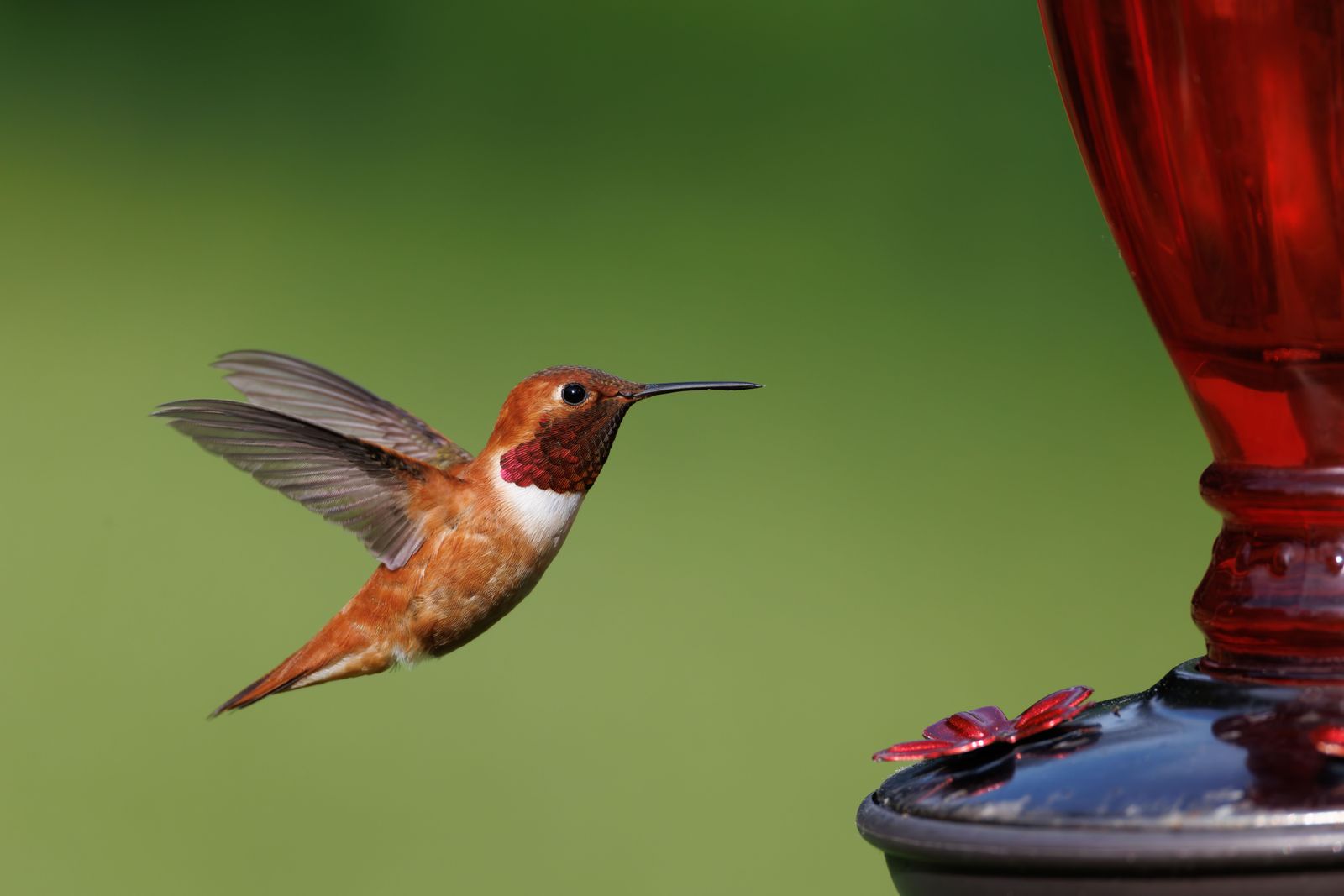
Summer Heat Spoilage: How to Keep Hummingbird Nectar Fresh on Scorchers
Rule of thumb: when ambient temperatures exceed 85°F, replace hummingbird nectar every 48 hours; above 93°F, change it daily. In extreme heatwaves, hang non-porous glass solar feeders in full afternoon shade and fill reservoirs halfway to prevent fermentation, black mold (Aspergillus), and fatal bacterial growth.
Essential Summer Nectar Safety Rules
- 85°F Critical Point: Fermentation speeds up exponentially once ambient air passes 85°F.
- Daily High Monitoring: At temperatures above 93°F, refresh nectar every 24 hours.
- Strict 4:1 Mixing Ratio: Maintain 4 parts water to 1 part white cane sugar without alteration.
- 50% Fill Strategy: Fill 32 fl. oz reservoirs halfway during heatwaves to reduce waste.
- Non-Porous Glass Hygiene: Smooth handcrafted glass resists bacterial and fungal spore anchoring.
- 85°F Critical Point: Fermentation speeds up exponentially once ambient air passes 85°F, turning safe 4:1 sugar water into toxic alcohol within 24 to 48 hours.
- Daily High Monitoring: At temperatures above 93°F, nectar must be refreshed every 24 hours regardless of how clear it looks.
- Strict 4:1 Mixing Ratio: Never alter the 4 parts water to 1 part white cane sugar ratio in extreme heat—diluting or over-concentrating causes metabolic stress or severe dehydration.
- 50% Fill Strategy: In temperatures over 88°F, fill your 32 fl. oz reservoir to only 12–16 fl. oz to prevent unnecessary nectar waste during frequent changes.
- Non-Porous Glass Hygiene: Hand-blown glass reservoirs, crafted at 2,300°F, eliminate micro-scratches where fungal spores cling, making daily heatwave cleanings effortless.
The 24-Hour Heat Spoilage Progression
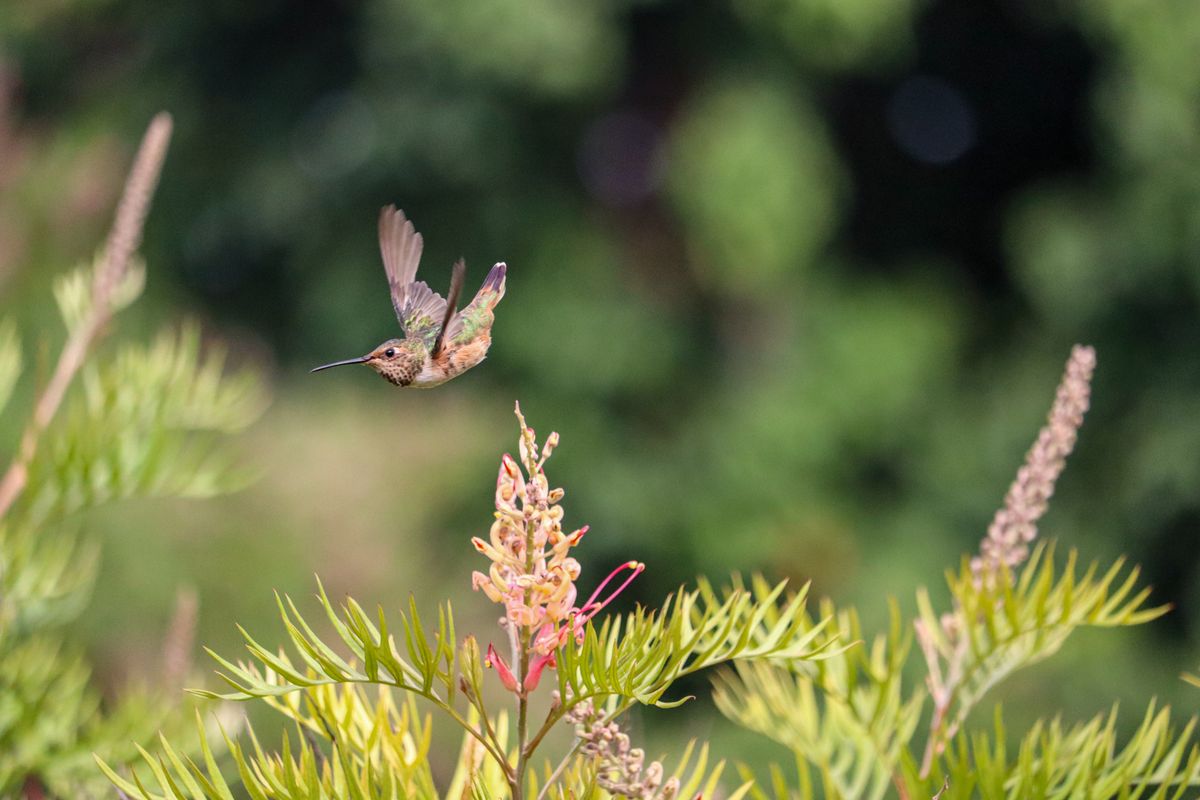
Photo by Ant Armada on Pexels
- 0 Hours (70°F - 95°F) — Freshly prepared 4:1 sugar water is introduced. Wild yeast spores enter through ambient air currents and contact with bird beaks.
- 12 Hours (90°F+ Heatwave) — Yeast cell counts double every 90 minutes. Microscopic gas bubbles initiate ambient sugar breakdown without visible cloudiness.
- 24 Hours (85°F - 92°F) — Fermentation yields trace ethanol and acetic acid. Early sour odor develops and sugar content degrades by 15-20%.
- 36 Hours (Above 85°F) — Visible cloudiness and white stringy yeast strands form. Aspergillus black mold spores germinate along port rubber gaskets.
- 48 Hours (Critical Toxicity) — Nectar reaches dangerous acidity levels. High bacterial concentrations risk avian candidiasis (sour crop) and severe tongue swelling.
Temperature-to-Spoilage Replacement Matrix
- Under 75°F (Mild Conditions) — Change nectar every 5 to 7 days. Perform standard hot water reservoir rinse during refills.
- 75°F to 84°F (Moderate Summer) — Change nectar every 3 days. Inspect feeding ports for early sugar residue build-up.
- 85°F to 92°F (High Heat) — Change nectar every 48 hours. Fill 32 fl. oz glass reservoir to 50% capacity (16 fl. oz) to cut waste.
- 93°F+ (Extreme Scorchers) — Change nectar every 24 hours. Sanitize metallic base and feeding ports with white vinegar daily.
Printable Summer Nectar Care Card
- 1. Temperature Rule: Change sugar water every 48 hours at 85°F, and every 24 hours at 93°F+.
- 2. Golden Ratio: Always stick to 4 parts water to 1 part refined white cane sugar.
- 3. Half-Fill Hack: Fill 32 fl. oz feeders with only 12-16 fl. oz during high heat to prevent wasting sugar.
- 4. Morning Shade Check: Ensure feeders sit in complete shade between 11:00 AM and 4:00 PM.
- 5. Zero Dye Policy: Red dye accelerates internal chemical breakdown in extreme heat; rely on feeder glass colors instead.
- 6. Quick Vinegar Sanitize: Rinse ports with 1 part white vinegar to 4 parts hot water every 2 days.
Expert Shade & Thermal Management Tactics
Direct solar energy can raise liquid nectar temperatures inside a reservoir by 12°F to 18°F above ambient air temperatures within 3 hours. To mitigate radiant heat, hang your feeder along an east-facing porch beam or beneath a dense leaf canopy that provides complete sun blockage between 11:00 AM and 4:00 PM.
A common concern among backyard birders is whether solar-powered LED caps generate extra heat that ferments sugar water overnight. Fortunately, top-mounted solar caps feature low-draw RGB LEDs housed entirely above a protective plastic shield. These cool-operating LEDs produce zero downward infrared thermal energy into the hand-blown glass reservoir below. During the day, the top solar cap acts as a reflective parasol, shielding the nectar from harsh overhead UV rays while absorbing solar energy to power up to 8 hours of magical nighttime RGB illumination.
Heatwave Nectar Safety Decision Tree
- Is today's local afternoon high temperature forecast above 85°F? → Yes: Proceed to evaluate feeder shade placement.. No: Follow standard 3-to-5 day nectar replacement schedule.
- Is the feeder fully shaded during peak afternoon heat (11 AM to 4 PM)? → Yes: Nectar remains safe for up to 48 hours; fill reservoir to 50% capacity.. No: Relocate feeder immediately to a shaded foliage canopy or tree-branch microclimate.
- Does nectar exhibit micro-bubbles, cloudiness, or a sour alcohol odor? → Yes: DISCARD IMMEDIATELY. Sanitize glass and metal base with hot vinegar water before refilling.. No: Nectar is safe. Continue daily morning inspections.
Dangerous Heatwave Feeding Mistakes to Avoid
Avoid these frequent missteps that unknowingly compromise hummingbird health during midsummer scorchers:
Seasonal Heat & Feeding Calendar (May to September)
| Month | Average Temperature Range | Recommended Fill Volume | Nectar Refresh Frequency | Cleaning Protocol |
| --- | --- | --- | --- | --- |
| May | 60°F - 72°F | Full Capacity (32 fl. oz) | Every 5 - 7 Days | Warm water reservoir rinse with each fill |
| June | 73°F - 84°F | 3/4 Capacity (24 fl. oz) | Every 3 Days | Weekly white vinegar port soak |
| July | 85°F - 94°F | 1/2 Capacity (16 fl. oz) | Every 24 - 48 Hours | Sanitize ports & rubber gaskets every 2 days |
| August | 90°F - 100°F+ | 1/3 Capacity (10 - 12 fl. oz) | Daily (Every 12 - 24 Hours) | Daily hot vinegar rinse & soft port brush |
| September | 70°F - 82°F | Full Capacity (32 fl. oz) | Every 3 - 4 Days | Bi-weekly deep cleaning before fall migration |
Plan your summer feeder management schedule across peak activity months with this detailed side-by-side operational calendar.
Best Feeders for Extreme Summer Heat
To maintain optimal nectar hygiene when temperatures soar, choosing non-porous handcrafted glass over standard plastic is essential. The LUJII Solar-Powered Hummingbird Feeder combines functional summer durability with breathtaking garden artistry.
- 2,300°F Hand-Blown Glass Artistry: Every glass reservoir is individually mouth-blown by master craftspeople. The resulting non-porous surface prevents yeast spores and mold colonies from anchoring into micro-abrasions, making heatwave sanitization effortless.
- Solar RGB Illumination: The waterproof top cap shelters nectar from harsh daytime sun while charging an internal battery that illuminates vibrant RGB lighting for up to 8 hours at dusk—without transferring any heat into the nectar below.
- 32 fl. oz See-Through Capacity: Clear translucent swirls let you inspect nectar clarity from your window at a glance, while the slender leak-proof shape minimizes drips.
- Rust-Resistant Metal Base: Featuring an anti-rust coated metal base and sealed silicone gaskets, this feeder handles midsummer humidity, sun exposure, and rain without warping.
Mid-Article Action Plan: Setting Up Shade Corridors
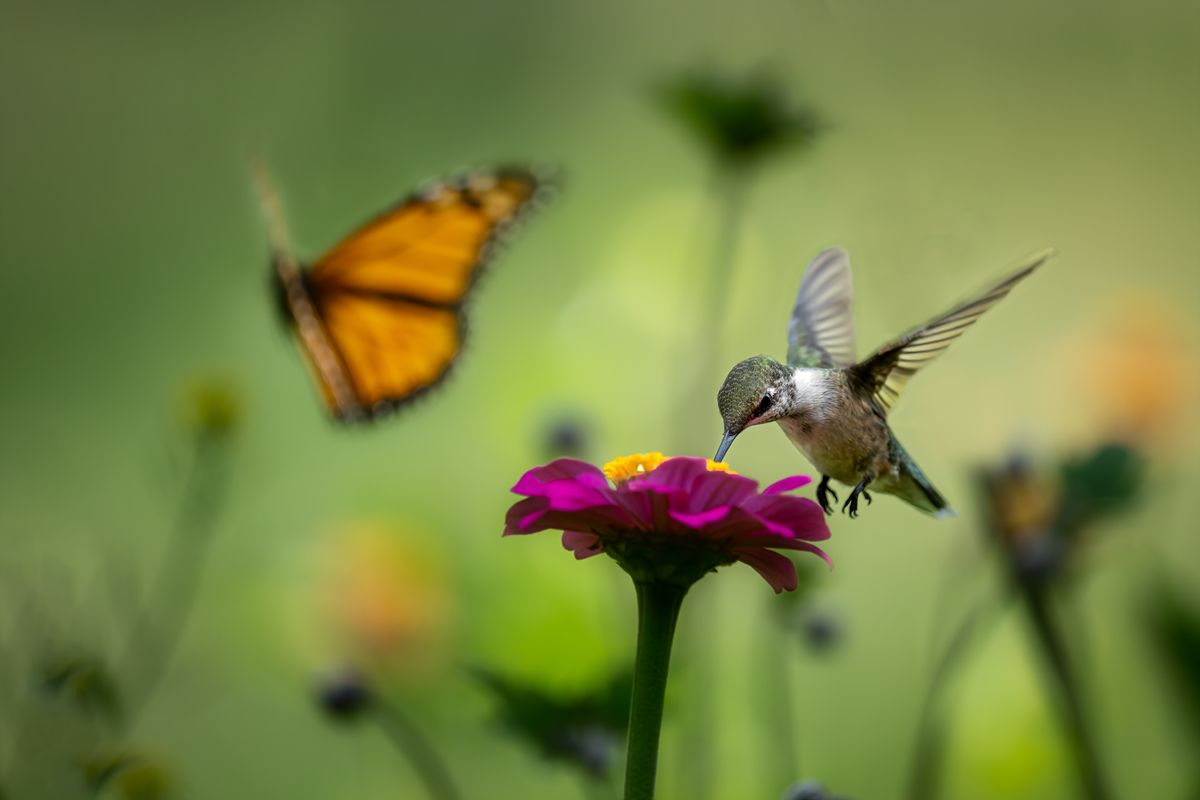
Photo by Skyler Ewing on Pexels
Your decision: Determine your garden's afternoon shade trajectory.
Do this next: Check your feeder immediately: if temperatures exceed 85°F and nectar is over 48 hours old, discard, sanitize, and fill halfway with fresh 4:1 nectar.
Before reviewing regional climate strategies, pause to verify your feeder's shade exposure today. If your feeder receives sun past 11:00 AM, prepare to move it under a dense tree canopy or install a wide weather baffle canopy to block direct thermal rays.
Regional Heatwave Strategies: Arid Deserts vs. Humid South
Summer heat manifests differently across target US regions, requiring tailored feeder care tactics:
- The Arid Southwest (AZ, NV, Inland CA): Extremely low humidity accelerates water evaporation from feeding ports, concentrating sugar content into a thick, sticky syrup that can clog beaks. In 100°F+ desert air, hang feeders in deep shade near misting stations or garden fountains, and refresh nectar every 12 to 24 hours.
- Northern & Pacific Scorchers (WA, OR, NY, PA): Unplanned midsummer heatwaves often catch northern birders off guard. When regional forecasts predict sudden 85°F+ spikes, immediately drop reservoir fill levels to 12 fl. oz and move feeders to north-facing porch eaves.
Daily Summer Feeder Safety Checklist
- [ ] Check local weather forecast for peak afternoon temperature index.
- [ ] Inspect nectar transparency against sunlight—look for micro-bubbles, cloudiness, or white floating strings.
- [ ] Sniff feeding ports for sharp alcohol or sour fermentation odor.
- [ ] Verify feeder is positioned to receive full shade by 11:00 AM.
- [ ] Confirm ant moat water level hasn't completely evaporated in ambient heat.
Frequently Asked Questions About Summer Nectar
Find quick, authoritative answers to common heatwave feeder management questions below.
More Summer Backyard Birding Guides
Explore these additional educational topics to keep your garden sanctuary thriving all season long:
- Pest-Free Summer Feeding: Strategies for deterring wasps, bees, and ants during high heat.
- Hand-Blown Glass Care: Step-by-step cleaning routines for handcrafted artisan glass reservoirs.
- Attracting Hummingbirds: Plant selection and layout ideas to create an inviting backyard habitat.
Immediate Action Steps for Today's Heat
Your decision: Determine your region's peak summer temperature bracket and current feeder shade level.
Do this next: Check your feeder immediately: if temperatures are above 85°F and nectar is over 48 hours old, discard, sanitize, and fill halfway with fresh 4:1 nectar.
Related resource: Download our Printable Summer Nectar Maintenance Card for your refrigerator.Consider upgrading to a hand-blown glass feeder like the LUJII Solar Hummingbird Feeder, which features smooth, non-porous glass that resists heat-induced mold adhesion.
Protecting your backyard hummingbirds during summer heat waves is simple when you follow a clear routine. Take action today to ensure your sugar water stays safe, clear, and energy-rich.
Cover photo by Veronika Andrews on Pexels.