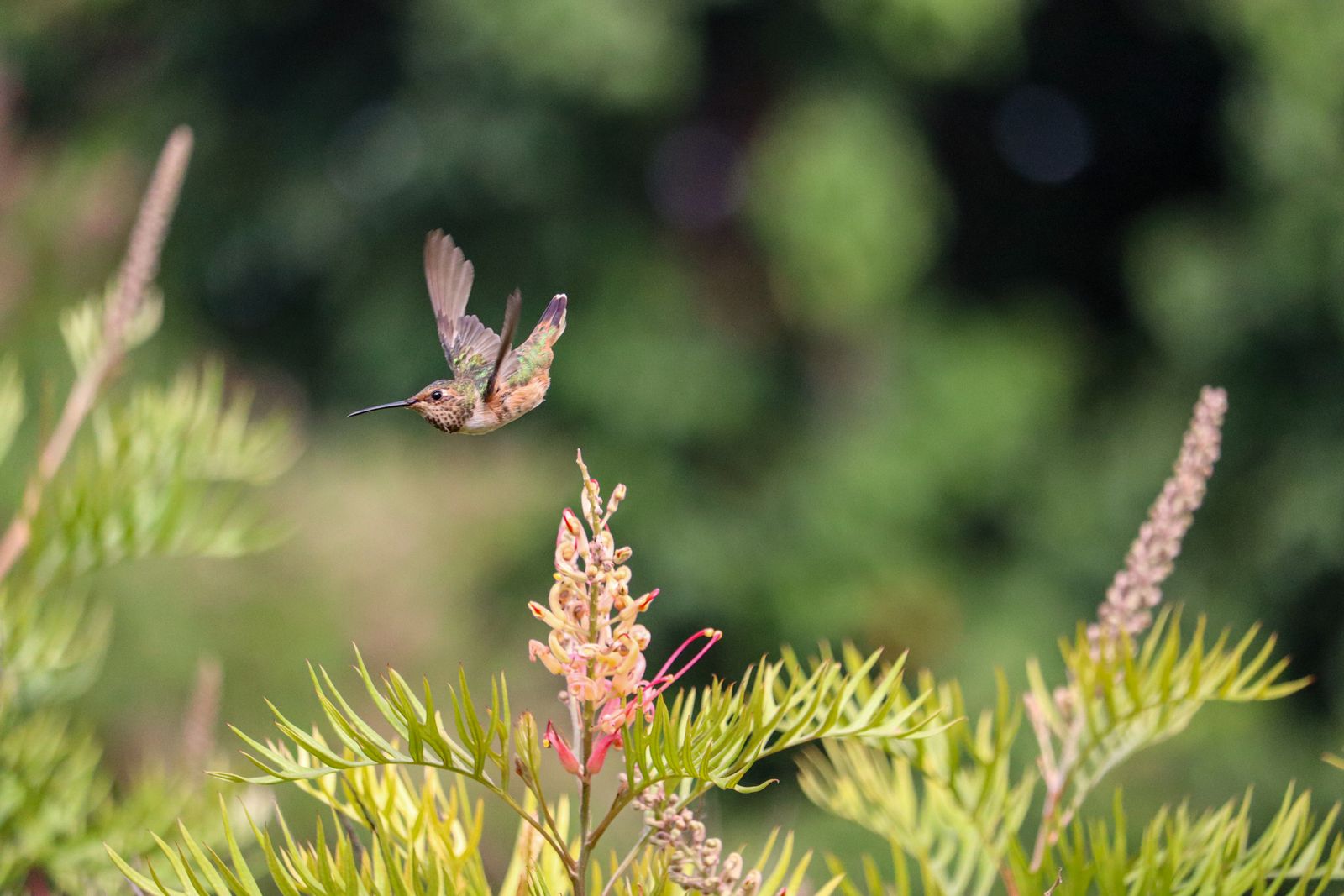
How to Keep Hummingbird Nectar Fresh in Hot Weather (Summer Guide)
When ambient temperatures reach 80°F, hummingbird nectar begins fermenting within 48 hours. Replace sugar water every 2 days between 80°F–88°F, every 24 hours between 89°F–95°F, and twice daily when temperatures cross 95°F. Always place feeders in afternoon shade and use thick glass reservoirs to buffer ambient heat radiation.
Essential Summer Nectar Preservation Rules
- 1:4 Ratio Remains Universal: Never dilute or concentrate nectar during summer heatwaves; a strict 1 part refined white sugar to 4 parts water protects birds against dehydration.
- 80°F Spoilage Trigger: Wild yeast spores introduced by feeding birds cause rapid sugar fermentation once ambient heat crosses 80°F.
- Partial Fill Strategy: Fill large 32 oz reservoirs only 25% to 50% full in 90°F+ weather to eliminate sugar water waste during mandatory 24-hour cleanings.
- Thermal Mass Protection: Hand-blown glass reservoirs maintain cooler core liquid temperatures longer than thin plastic containers under intense solar glare.
- Shade Microclimates Drop Temps by 10°F: Position feeders under leafy tree canopies or porch overhangs blocking peak 12 PM – 4 PM sunlight.
Temperature vs. Fermentation Spoilage Timeline
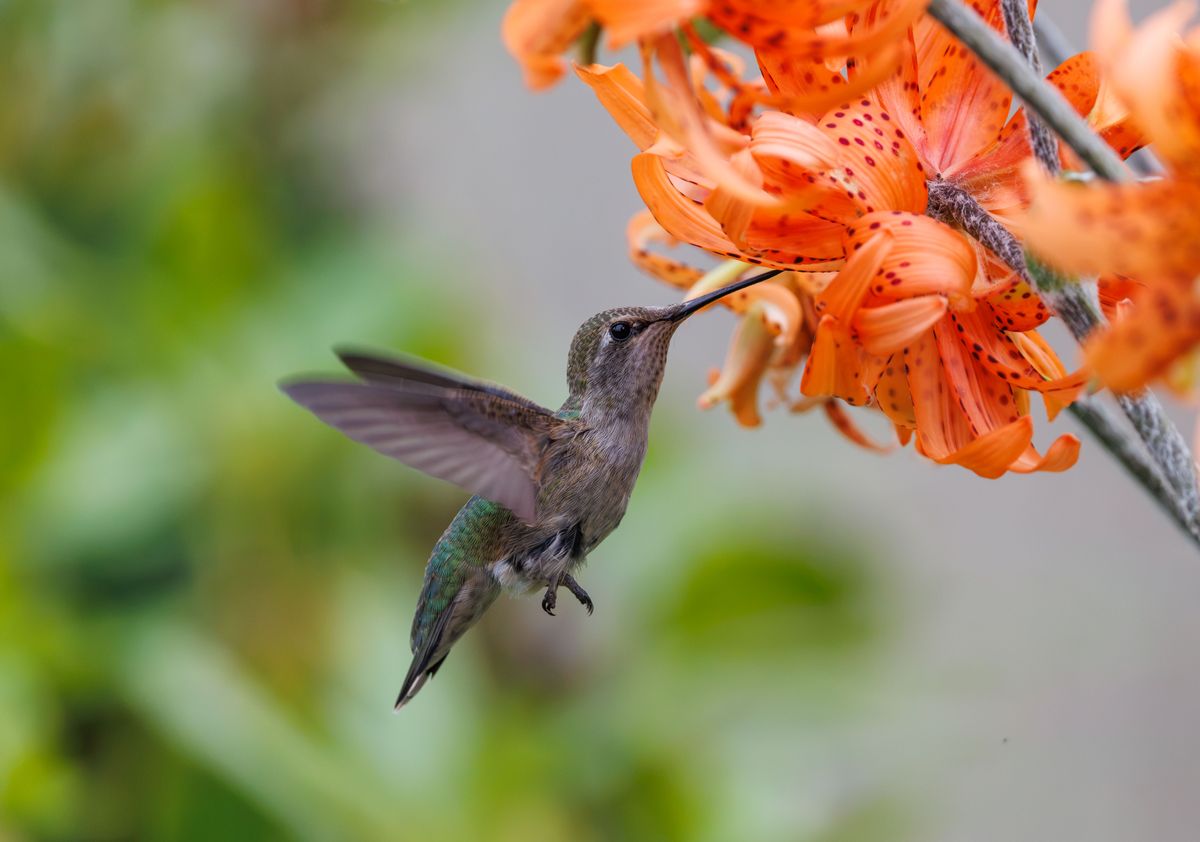
Photo by Veronika Andrews on Pexels
- Under 70°F (Spring/Autumn) — Nectar stays fresh for 5 to 7 days. Microbial activity remains dormant, allowing full 32 oz reservoir usage.
- 70°F – 79°F (Mild Summer) — Nectar stays safe for 3 to 4 days. Minor bacterial growth begins after 72 hours; rinse feeder with hot water at every refill.
- 80°F – 88°F (Moderate Heat) — Fermentation starts at 48 hours. Sugar water develops a faint cloudy haze; replace nectar and scrub feeding ports every 2 days.
- 89°F – 95°F (High Heatwave) — Fermentation peaks within 24 hours. Yeast converts sugars into alcohol and acetic acid; change nectar daily before 10 AM.
- Above 95°F (Extreme Heat) — Spoilage occurs in 12 hours. Black mold spores bloom inside feeding ports; change nectar twice daily or offer small 8 oz partial fills.
High-Heat Nectar Replacement & Cleaning Schedule
- 75°F Ambient Temp — Change nectar every 4 days. Wash feeder base with warm water and a scrub brush.
- 82°F Ambient Temp — Change nectar every 2 days. Perform a hot water rinse of the glass reservoir.
- 90°F Ambient Temp — Change nectar every 24 hours. Deep clean port openings with micro-bottle brushes.
- 98°F Ambient Temp — Change nectar every 12 hours (morning & mid-afternoon). Inspect base gasket for heat-expansion drips.
5 Midsummer Nectar Spoiling Traps to Avoid
Well-meaning garden enthusiasts often fall into these subtle summer traps that accelerate sugar water fermentation and stress visiting hummingbirds.
Interactive Tool: Summer Nectar Change Scheduler
Calculate your mandatory replacement frequency and ideal daily fill volume to keep your backyard hummers safe while cutting sugar waste.
The Shaded Microclimate Trick & Thermal Glass Advantage
To create a cool sanctuary in a sweltering yard, hang your feeder under dense leaf foliage on the east side of your home. Morning sunlight illuminates the vibrant glass colors, while the house shields the feeder from brutal 2 PM to 5 PM heat rays.
Material selection plays an equally critical role. High-density hand-blown glass, crafted at 2,300°F, possesses superior thermal inertia compared to thin vacuum-molded plastic. Thick glass absorbs ambient air shifts slowly, preventing the core nectar temperature from spiking during sudden mid-afternoon temperature climbs.
Diagnosing Spoiled Nectar & Cloudy Sugar Water
| Visual / Odor Sign | Spoilage Stage | Health Risk to Birds | Immediate Corrective Action |
| --- | --- | --- | --- |
| Crystal clear liquid, no odor | Fresh / Safe (Hours 0–48) | None (Optimal fuel) | No action needed; verify temperature forecast. |
| Slight milky haze, tiny bubbles rising | Early Fermentation (Stage 1) | Mild digestive stress; low alcohol content | Discard nectar immediately; rinse reservoir with 160°F water. |
| Stringy white strands floating in base | Active Yeast Colony (Stage 2) | Moderate liver/kidney strain from alcohol | Scrub base with stiff brush; soak glass in 1:4 white vinegar solution. |
| Black specks around feeding port gaskets | Fungal Mold Bloom (Stage 3) | High (Causes fatal avian candidiasis) | Dismantle entire feeder; deep scrub all ports with micro-brushes. |
Use this side-by-side diagnostic table to quickly identify early fermentation signs before dangerous black mold infects your feeder base.
Peak Summer Heatwave & Regional Care Calendar
| Summer Phase | US Climate Zone Focus | Average High Temps | Recommended Feeder Protocol |
| --- | --- | --- | --- |
| Early Summer (June) | Northern & Coastal States | 70°F – 82°F | Full 32 oz refills permitted; clean every 3 to 4 days. |
| Midsummer Peak (July) | Midwest, Plains & Mid-Atlantic | 85°F – 93°F | Transition to 50% partial fills; move feeders to full afternoon shade. |
| Late Summer Dogs Days (August) | South, Southwest & Desert | 95°F – 108°F+ | 8–10 oz small batch fills only; mandatory 12- to 24-hour complete flush. |
| Early Autumn Transition (Sept) | Nationwide Migration Routes | 75°F – 85°F | Increase total feeder stations to support heavy pre-migration feeding. |
Track regional summer heat progressions across North America to time your shade adjustments and cleaning routines perfectly.
Summer-Ready Feeder: LUJII Hand-Blown Solar Glass Feeder
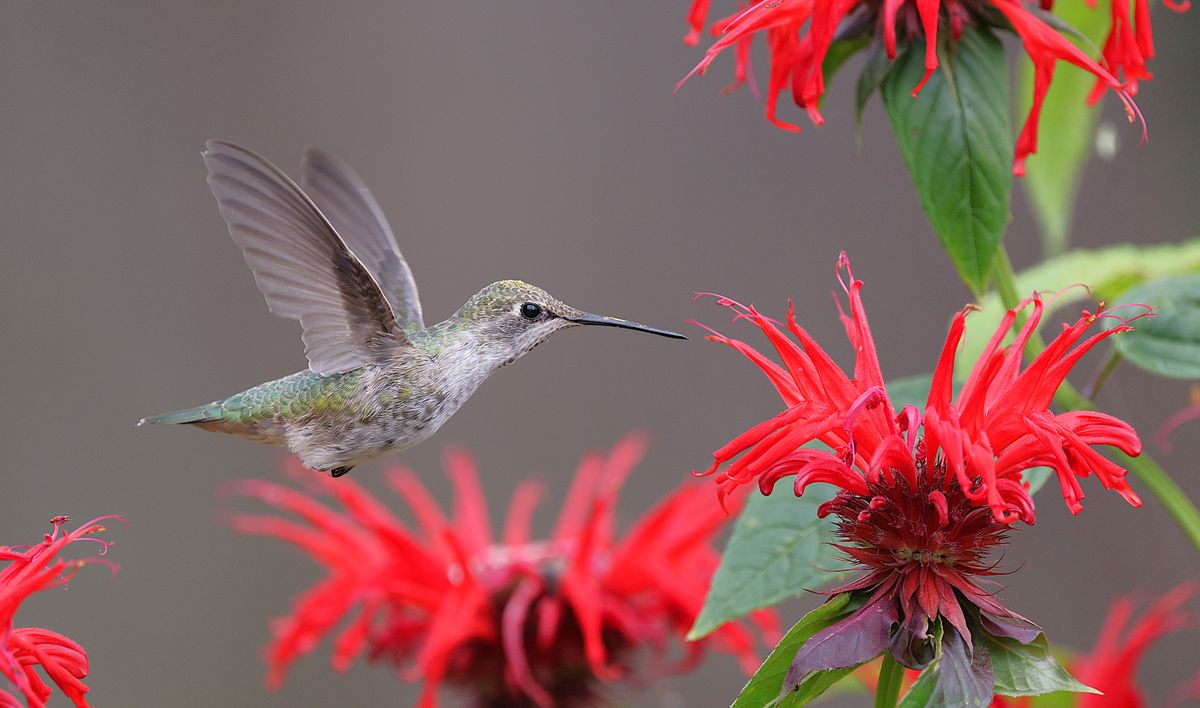
Photo by Veronika Andrews on Pexels
When midsummer temperatures soar, cheap thin plastic feeders warp, leak nectar onto your patio, and heat up like mini-greenhouses. The LUJII Solar-Powered Glass Hummingbird Feeder solves these heat problems with artisan craftsmanship and thoughtful thermal engineering.
Handcrafted by master glass artists at 2,300°F, each 32 fl. oz. translucent glass reservoir features thick, high-density walls that cushion liquid nectar against sudden heat surges. Its tight-fitting rubberized base seal eliminates heat-expansion leaks that attract aggressive wasps and ants.
When twilight arrives, the integrated top-mounted solar cap casts a soft, radiant RGB glow across your garden for up to 8 hours. Because modern LEDs emit zero downward radiant heat into the liquid chamber, your nocturnal garden lighting will never accelerate sugar fermentation overnight.
Managing Extreme Heat in Southern & Desert Regions
For bird watchers in Arizona, Texas, Florida, and inland California, summer temperatures routinely exceed 100°F for weeks on end. In these extreme microclimates, traditional rules must be adapted:
Daily & Weekly Summer Feeder Inspection Checklist
- [ ] Check nectar clarity against ambient light—discard immediately if cloudy or hazy.
- [ ] Inspect feeding ports for tiny black mold specks or yellow jacket activity.
- [ ] Confirm feeder is in shade during peak heat hours (12 PM – 4 PM).
- [ ] Verify base seal is drip-free to prevent ant attraction.
- [ ] Refill only what your birds can consume in 24 to 48 hours.
Frequently Asked Questions About Hot Weather Nectar Care
Clear up common myths about solar lights, nectar ratios, and glass thermal dynamics.
Your Hot Weather Action Plan
Your decision: Determine your local high temperature range for the week and select the appropriate shade location for your feeder.
Do this next: Switch to partial 8-12 oz fills of 1:4 homemade sugar water, clean feeders every 24-48 hours with hot water, and upgrade to a thick glass reservoir like LUJII.
- Read next: Hot Weather Nectar Ratios: How to Keep Hummingbird Food Fresh in Summer
- Read next: Twilight Nectar Care FAQ: Does Nighttime Solar Light Affect Nectar Freshness?
LUJII Hand-Blown Solar Hummingbird Feeder (32 oz sealed glass reservoir resists thermal solar degradation while illuminating gardens at night).
Protecting your hummingbird visitors during summer heatwaves is easy once you align your routine with the outdoor thermometer.
Explore More Summer Hummingbird Care Guides
Link contextually to internal guides in the seasonal care pillar.
Cover photo by Ant Armada on Pexels.