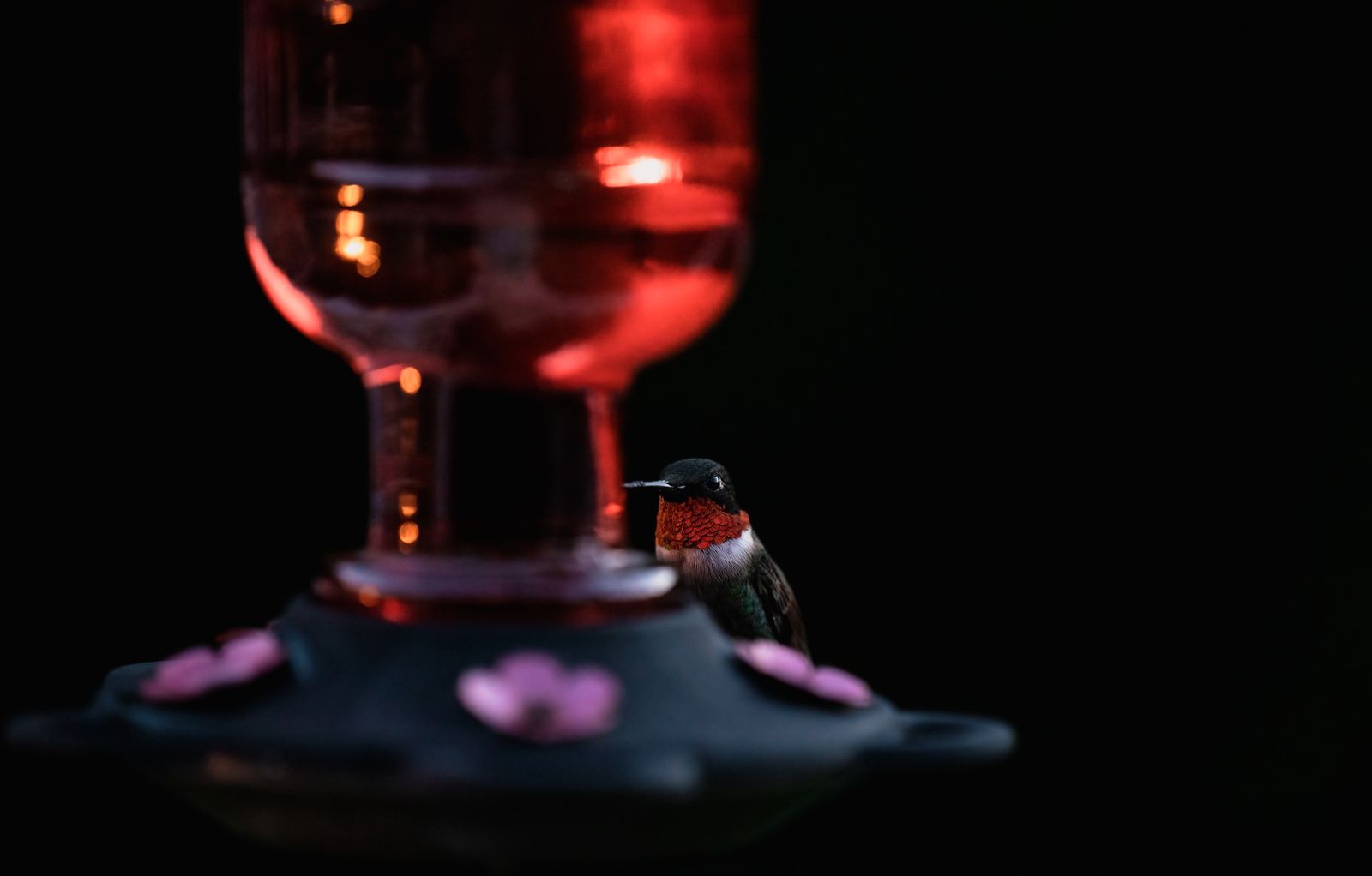
How to Keep Hummingbird Nectar Fresh in Hot Weather: A Summer Guide
As a rule of thumb, replace hummingbird nectar every 24 hours when ambient outdoor temperatures reach or exceed 90°F (32°C). At 80–89°F, refresh nectar every 2 days; at 70–79°F, every 3–4 days; and below 70°F, every 5–7 days. Extreme heat rapidly accelerates yeast fermentation and toxic black mold, exposing hummingbirds to fatal tongue infections.
Essential Summer Nectar Safety Rules
- Follow the temperature clock: 90°F+ = Daily change; 80–89°F = Every 2 days; 70–79°F = Every 3–4 days; <70°F = Every 5–7 days.
- Maintain a strict 4:1 water-to-sugar ratio regardless of heatwaves; extra sugar accelerates dehydration and fermentation.
- Position solar feeders under eastern eaves or deciduous trees to capture angled morning sunlight for charging while providing critical shade between 12:00 PM and 5:00 PM.
- Thick hand-blown glass reservoirs buffer internal liquid temperatures better than thin plastic feeders, slowing microbial growth.
- Never use artificial red dye, honey, or artificial sweeteners—refined white cane sugar and pure water are the only safe ingredients.
Fermentation Timeline: What Happens Inside a Feeder at 90°F+
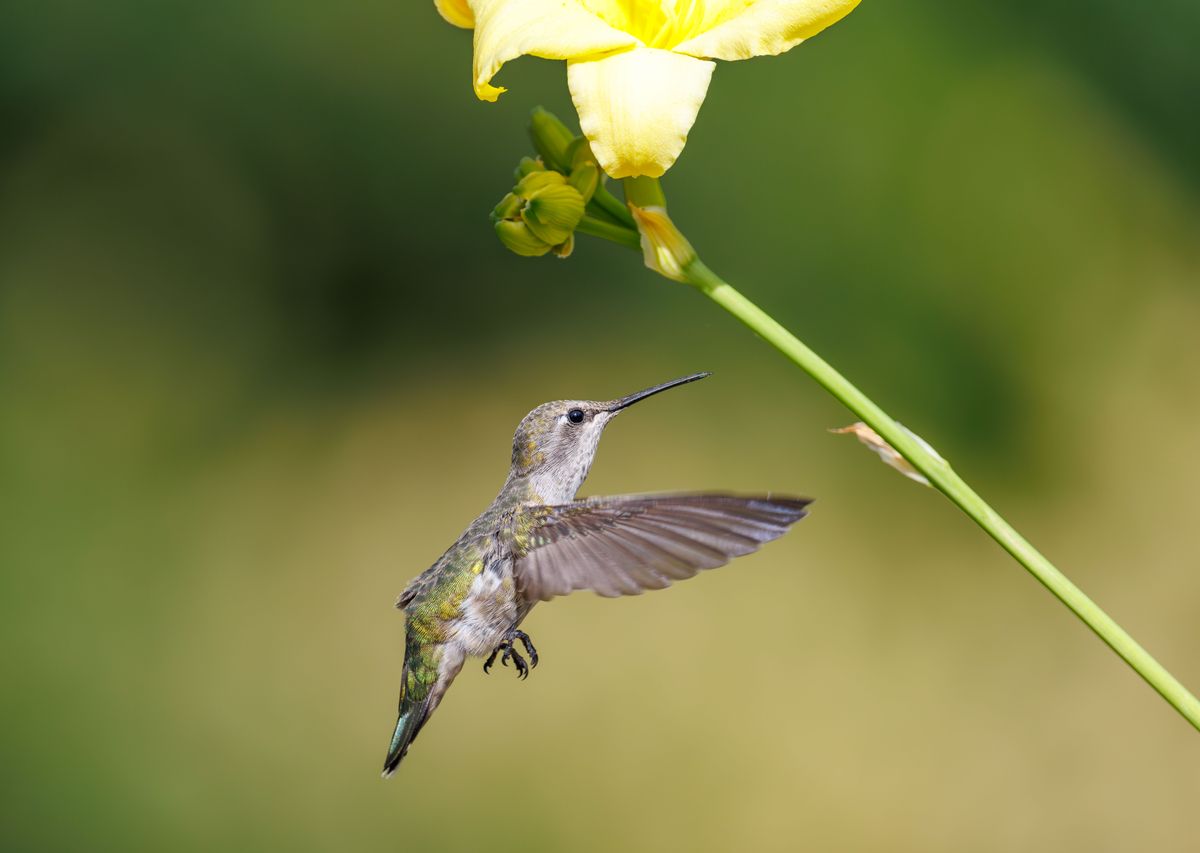
Photo by Veronika Andrews on Pexels
- Hours 0 – 4 — Nectar remains fresh and crystal clear. Sugar molecules remain stable, and natural feeding continues safely.
- Hours 5 – 12 — Airborne yeasts bloom in the warm sugar solution. Microscopic yeast cells double rapidly, beginning sugar breakdown without initial visible haze.
- Hours 13 – 24 — Active fermentation produces ethanol and acetic acid. Subtle cloudiness appears. The pungent, sour odor begins attracting wasps and yellowjackets.
- Hours 25 – 48 — Black mold spores (Cladosporium) establish colonies inside feeding ports. Ingesting this fungal load can cause avian candidiasis (swollen tongue syndrome), rendering birds unable to feed.
Temperature-Based Nectar Replacement & Cleaning Schedule
- 90°F to 105°F+ (Extreme Heatwave) — Flush and refill every 24 hours. Wash reservoir with hot water and scrub feeding ports daily. Fill reservoir only half full to minimize nectar waste.
- 80°F to 89°F (Warm Summer Days) — Replace nectar every 48 hours (2 days). Perform a complete hot water and white vinegar scrub every second change.
- 70°F to 79°F (Moderate Temperature) — Replace nectar every 3 to 4 days. Inspect daily for floating cloudiness or port discoloration.
- 60°F to 69°F (Cool Spring / Autumn) — Replace nectar every 5 to 7 days. Clean thoroughly during each weekly refill cycle.
Master Gardener Tip: Harnessing Thermal Mass with Hand-Blown Glass
Thick, handcrafted glass reservoirs offer a significant thermodynamic advantage over thin plastic models during summer heatwaves. Hand-blown glass possesses higher thermal mass, meaning it absorbs thermal energy slowly and prevents rapid temperature spikes in the nectar during peak 2:00 PM afternoon sun. Furthermore, non-porous glass resists deep microscopic scratching where mold spores usually hide in plastic feeders, making sanitization significantly faster.
Troubleshooting Spoiled Summer Nectar: Signs & Solutions
| Visual / Olfactory Marker | Root Cause | Immediate Corrective Action |
| --- | --- | --- |
| Hazy or milky solution with white floating strings | Advanced yeast fermentation and bacterial bloom | Discard nectar immediately. Soak feeder in 50/50 warm water and white vinegar solution for 15 minutes and scrub. |
| Tiny black specks or dark rings inside feeding ports | Toxic black mold colonization (Cladosporium) | Scrub ports with a small micro-bottle brush using vinegar. Rinse thoroughly with hot water until specks disappear. |
| Sour, wine-like, or acidic smell coming from base | Ethanol conversion from high heat sugar breakdown | Dump liquid, relocate feeder to deeper afternoon shade, and reduce refill volume to a 24-hour supply. |
| Rapid swarm of yellowjackets and ants at feeder base | Fermenting sugar smells and heat-induced port drips | Clean exterior dripping nectar, install a red ant moat, and switch to a leak-proof sealed base feeder design. |
Early detection of nectar spoilage prevents severe harm to visiting hummingbird populations. Use this diagnostic matrix at the first sign of abnormal nectar behavior.
5 Dangerous Summer Feeding Mistakes That Harm Hummingbirds
Avoid these frequent summer management pitfalls that accelerate spoilage or compromise bird safety.
Summer Heatwave Action Plan: June Through September
| Month / Period | Solar & Thermal Challenge | Mandatory Nectar Protocol |
| --- | --- | --- |
| June (Early Summer) | Increasing daylight hours; moderate afternoon temperature spikes (75°F–85°F). | Change nectar every 3 days. Clean solar panel top with a damp microfiber cloth to remove tree pollen. |
| July (Peak Summer) | High solar intensity and sustained 90°F+ ambient heatwaves. | Switch to 24-hour daily nectar replacements. Shift feeder location to eastern morning sun with total afternoon shade. |
| August (Late Summer Heat) | Highest fermentation rates; surge in hungry juvenile birds and migrating adults. | Maintain daily cleaning. Keep 2 feeders in rotation—one hanging outdoor while the other is thoroughly drying. |
| September (Early Autumn) | Cooling night temperatures; high energy demands for fall migration prep. | Transition back to 3–4 day nectar changes as peak temperatures drop below 80°F. |
Adjusting feeder maintenance by month ensures optimal bird health and keeps your solar garden lighting operating smoothly throughout the hot season.
Feeder Features Built for Extreme Summer Heat
When selecting a feeder capable of enduring high summer temperatures while beautifying your yard, thermal protection, heavy-duty glass, and reliable weatherproofing are paramount.
Protect your backyard hummers this summer! Upgrade to a thick, hand-blown glass solar feeder that shields nectar from thermal spikes while lighting up your garden at night. Explore the full collection at LUJII Solar Hummingbird Feeders.
Fresh vs. Spoiled Nectar: Side-by-Side Visual Identification
| Diagnostic Feature | Fresh 4:1 Sugar Nectar (Safe) | Fermented / Spoiled Nectar (Unsafe) |
| --- | --- | --- |
| Fluid Clarity | Crystal clear, transparent, like pure water | Hazy, milky, cloudy, or translucent grey tint |
| Surface & Consistency | Smooth liquid surface with zero bubbles | Tiny active fizzing bubbles or floating strands |
| Odor Profile | Completely odorless or faint clean sugar scent | Pungent, sour, alcohol-like, or vinegar smell |
| Feeder Port Condition | Clean, bright red or metallic surface | Black velvet-like spots, slimy film, or dark residue |
| Hummingbird Behavior | Long, continuous drinking sessions (3–5 seconds) | Quick taste, immediate rejection, or flying away |
Use this side-by-side diagnostic checklist to evaluate nectar clarity every morning before birds arrive.
Choosing the Right Heat Protection Strategy for Your Yard
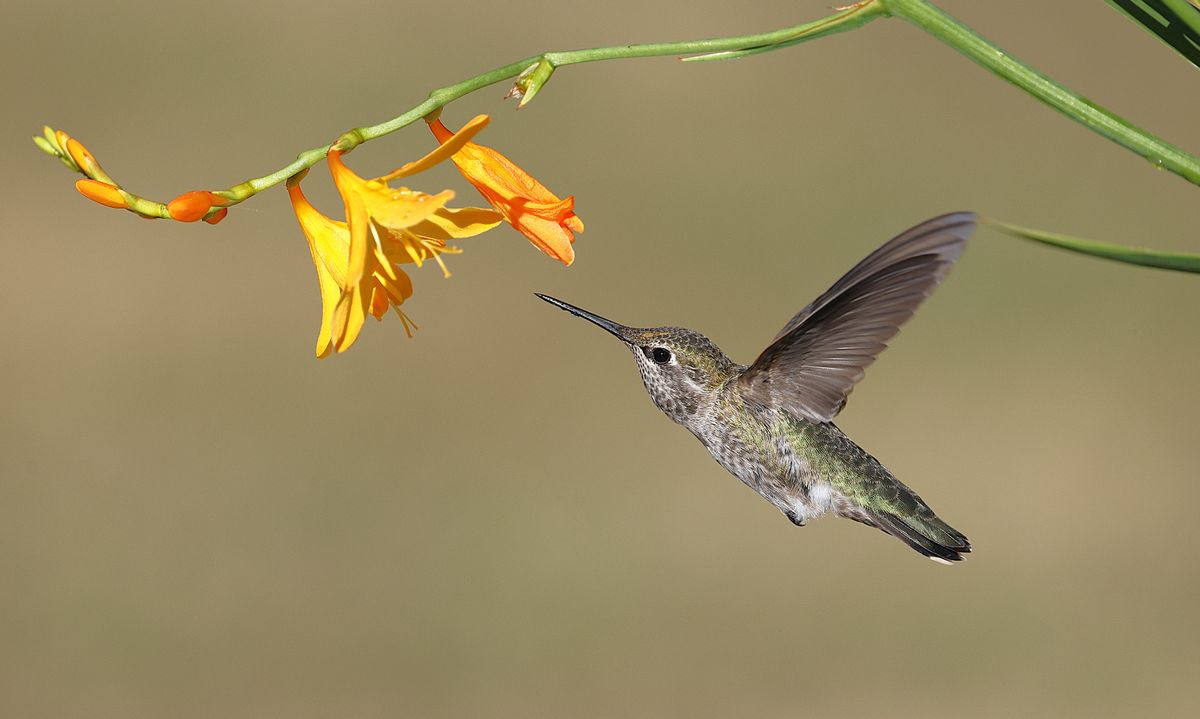
Photo by Veronika Andrews on Pexels
To maximize nectar freshness without sacrificing nighttime solar charging, position solar feeders to capture angled eastern morning sun while shading the glass reservoir from harsh western afternoon heat (12 PM – 5 PM).
Best choice for
- Dappled Tree Canopy Placement — Leaves filter intense western sunlight, keeping the glass reservoir cool while allowing overhead sunlight to reach the solar cap.
- Eastern Porch Eave Suspension — Porch eaves block vertical 12 PM – 4 PM sunlight while allowing low morning light to charge the top solar cap.
- Hanging feeders against dark vinyl siding or metal sheds that radiate absorbed afternoon heat directly onto the feeder.
- Placing solar feeders in dense covered gazebos where zero sunlight reaches the solar lid.
- Dual-Feeder Rotation Method — Use two hand-blown glass feeders: clean and air-dry one indoors while the second hangs outside, eliminating downtime during daily summer changes.
Feeder Material Performance in Extreme Heat (75°F to 105°F)
| Feeder Material | Thermal Buffer Capacity | UV Degradation Risk | Cleanability Index | Summer Durability |
| --- | --- | --- | --- | --- |
| Hand-Blown Glass (LUJII) | High (Thick wall delays fluid warming) | None (Glass is UV impervious) | Excellent (Non-porous, bleach/vinegar safe) | Superior (Resists cracking & fading) |
| Thin Molded Plastic | Low (Liquid heats within 1 hour) | High (Cracks and yellows in direct sun) | Fair (Micro-scratches trap mold spores) | Poor (Warping under high heat) |
| Clear Acrylic | Moderate | Moderate (Clouding over time) | Good | Moderate (Prone to heat crazing) |
Evaluating how different feeder construction materials react to high temperatures helps backyard birders make informed purchasing decisions.
Regional Heat Protections: Arid West vs. Humid Deep South
Summer heat impacts nectar differently depending on regional humidity levels. Tailor your maintenance to your local climate conditions:
Arid Southwest (Arizona, Nevada, Southern California)
In dry climates with single-digit humidity and 100°F+ heat, water evaporates rapidly from feeding ports, concentrating sugar levels into a thick syrup that can cause tongue tip clogging. Use leak-proof sealed base feeders, inspect fluid levels daily, and top up water loss promptly.Humid Deep South & Gulf Coast (Texas, Florida, Georgia)
In high-humidity regions (70%+ RH) paired with 90°F heat, black mold spores reproduce at maximum speed. Even if nectar is shaded, mold develops rapidly on outer rubber port stoppers. Vinegar soaking every 48 hours is essential to kill airborne fungal colonies.Daily Summer Feeder Inspection Checklist
- [ ] Inspect fluid clarity against morning light for subtle cloudiness or floating filaments.
- [ ] Check feeding port rim for tiny dark spots indicative of early black mold growth.
- [ ] Verify liquid level to ensure evaporation or leakage has not concentrated sugar levels.
- [ ] Confirm solar top panel is free of bird droppings or tree sap for optimal evening charge.
Frequently Asked Questions About Summer Nectar Care
Expert answers to common questions about managing solar glass hummingbird feeders during hot weather.
Your Summer Nectar Action Steps
Your decision: Determine your outdoor peak daily temperature and evaluate your current feeder position.
Do this next: Move your feeder to receive dappled morning light and shade after 12:00 PM, and clean with warm water every 24-48 hours during heatwaves.
- Read next: Hot Weather Nectar Ratios: How to Keep Hummingbird Food Fresh in Summer
- Read next: How to Clean and Maintain Your Hand-Blown Solar Hummingbird Feeder
LUJII Hand-Blown Glass Solar Hummingbird Feeder (32 fl.oz thermal protection reservoir with protective solar cap).
Take immediate steps today to safeguard your backyard hummingbirds during summer weather.
Explore More Hummingbird Care & Feeding Guides
Link readers to related nectar safety and seasonal feeder topics.
Cover photo by Chris F on Pexels.