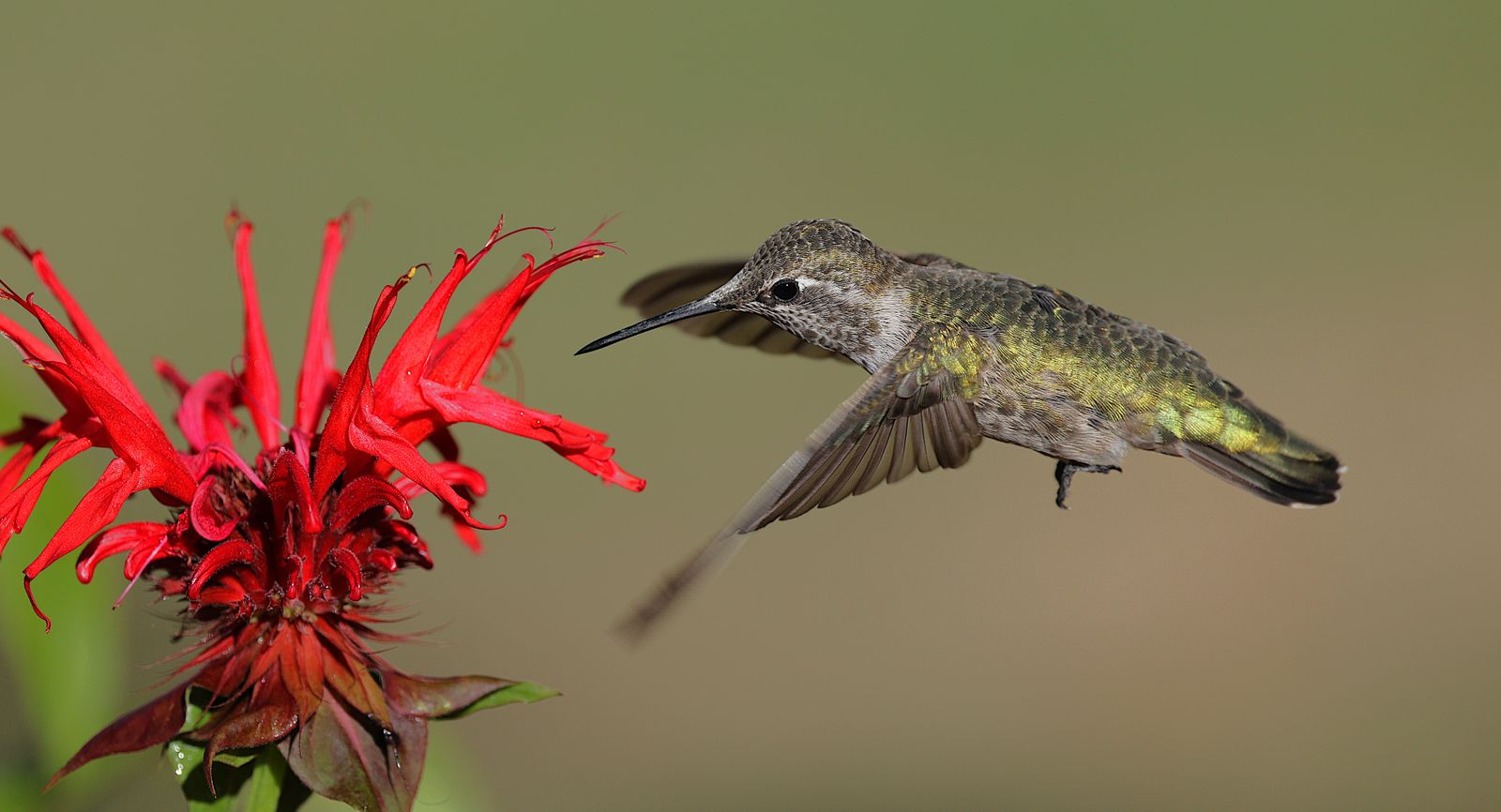
Hummingbird Feeder Safety & Hygiene FAQ: Mold, Ants, and Nectar Freshness
To keep hummingbird feeders safe, replace 1:4 sugar nectar every 2 days when temperatures exceed 85°F (every 4–5 days below 70°F). Deep-clean weekly using hot water and white vinegar. Scrub away black mold immediately with a bottle brush, and install a water-filled ant moat to block insects without toxic chemicals.
Nectar Contamination Diagnostic Flowchart
- Is the nectar liquid cloudy, hazy, or showing black floating specks? → Yes: Proceed to immediate nectar drain and white vinegar sanitization protocol.. No: Check outdoor ambient daytime temperature..
- Is average daytime temperature above 80°F? → Yes: Replace nectar every 24 to 48 hours to halt rapid fermentation.. No: Nectar remains safe for 3 to 5 days; conduct standard visual check daily..
Feeder Hygiene & Pest Troubleshooting Matrix
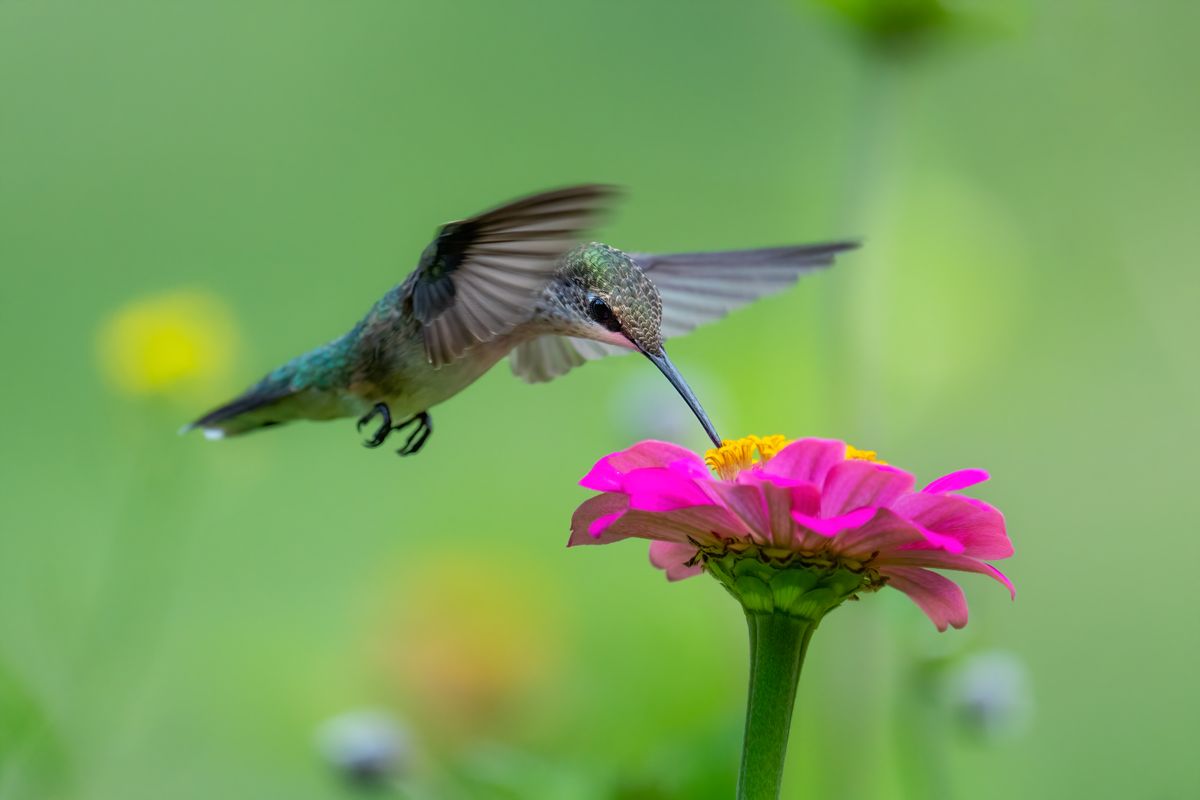
Photo by Skyler Ewing on Pexels
| Scenario / Symptom | Root Cause | Immediate Fix | Prevention Protocol |
| --- | --- | --- | --- |
| Scenario A: Black specks forming inside glass reservoir neck | Fungal growth (Candida reukaufii / black mold) feeding on unwashed sugar residue | Flush with 1:4 white vinegar solution and scrub with a flexible bottle brush | Perform weekly warm vinegar soak; never leave residual sugar crust in glass threads |
| Scenario B: Ants forming a continuous line up hanging wire to ports | Scout ants detected sugar scent trail leading to outer feeding ports | Install a water-filled hanging ant moat directly above solar cap hook | Refill moat daily; wipe down exterior glass reservoir with warm water to remove spills |
| Scenario C: Nectar turned cloudy within 24 hours of refilling | Rapid fermentation caused by ambient heat (>90°F) or bacterial contamination | Discard liquid immediately, sanitize glass reservoir, and refill with fresh 1:4 sugar mix | Hang feeder in partial afternoon shade during heat waves; swap nectar daily in extreme heat |
Diagnose common solar glass feeder issues by scenario to eliminate health hazards before birds visit.
Pro Tip: Caring for Hand-Blown Glass & Metal Solar Bases
When sanitizing handcrafted art glass shaped at 2,300°F, protect the electronic solar cap by keeping it dry. Wipe the top solar housing with a damp microfiber cloth while using warm water and vinegar for the glass bottle to protect hand-blown color tones and prevent thermal shock.
Daily Feeder Safety Inspection Checklist
- [ ] Nectar clarity check: Ensure liquid is crystal clear with no white haze or floating strings.
- [ ] Port inspection: Verify feeding ports are free of black spots or sticky sugar crust.
- [ ] Insect check: Confirm no ants are trailing up the hanging wire or floating in the reservoir.
- [ ] Solar cap check: Ensure the plastic solar housing sits tight and dry over the glass top.
- [ ] Leak test: Check metal base basin for drips caused by direct sun pressure build-up.
Temperature-Based Nectar & Cleaning Schedule
- Under 70°F (Cool Spring / Autumn) — Replace nectar every 4 to 5 days. Rinse glass bottle with warm water during refills.
- 70°F – 80°F (Mild Summer) — Replace nectar every 3 days. Clean feeding ports with a soft micro-brush.
- 81°F – 89°F (Warm Summer) — Replace nectar every 2 days. Soak base and glass bottle in 1:4 white vinegar weekly.
- 90°F and Above (Extreme Heat) — Replace nectar every 24 hours. Move feeder to afternoon shade and check ant moat twice daily.
Mold & Pest Intervention Decision Tree
- Is the problem black mold spots or crawling ant trails? → Yes: If black mold, proceed to Mold Treatment. If ants, proceed to Ant Barrier.. No: If nectar is merely cloudy, perform standard 1:4 white vinegar soak.
- Mold Treatment: Are black spots present inside bottle neck or port seals? → Yes: Soak glass in 1:4 white vinegar solution for 30 minutes; scrub with narrow brush.. No: Rinse glass with warm vinegar water and flush thoroughly with clean water.
- Ant Barrier: Are ants climbing down from tree branch or post? → Yes: Hang a water-filled ant moat above the solar cap hook. Never use petroleum jelly.. No: Wipe outside glass base dry to eliminate sticky scent paths.
Recommended Next Steps & Immediate Actions
Your decision: Determine your current outdoor temperature zone and inspect your feeder for early signs of cloudiness or ant activity.
Do this next: Flush and sanitize your glass feeder using a hot water and white vinegar solution, and install a water-filled ant moat above the hanging hook.
- Read next: Twilight Nectar Care FAQ: Does Nighttime Solar Light Affect Nectar Freshness?
- Read next: Best Ant Moats for Hummingbird Feeders: Built-In vs. Hanging Hooks
LUJII Hand-Blown Glass Solar Hummingbird Feeder with Removable Metal Base (32 oz capacity, easy-clean wide mouth design).
Take these quick actions today to create a pristine, pest-free feeding hub in your garden.
Essential Feeder Hygiene Rules
Keep these primary maintenance rules in mind to protect your hummingbirds year-round.
Safe Sanitizing Choices: Vinegar vs. Bleach vs. Soap
Selecting the proper cleaning protocol depends on feeder material (hand-blown glass vs plastic) and contamination severity.
Best choice for
- White Vinegar & Warm Water (1:4) — Dissolves mineral buildup and kills mold spores naturally with zero chemical residue.
- Dilute Bleach Solution (1:10) — Eradicates tough fungal spores; requires thorough 10-minute rinse and full air-drying.
- Commercial dish soap: Leaves scented films and chemical residues that deter hummingbirds.
- Boiling water on hand-blown glass: Extreme heat spikes cause thermal fractures.
- Unscented Hydrogen Peroxide (3%) — Safe oxidizer for breaking down mold that naturally degrades into harmless water and oxygen.
Featured Hygienic Solar Feeder Solutions
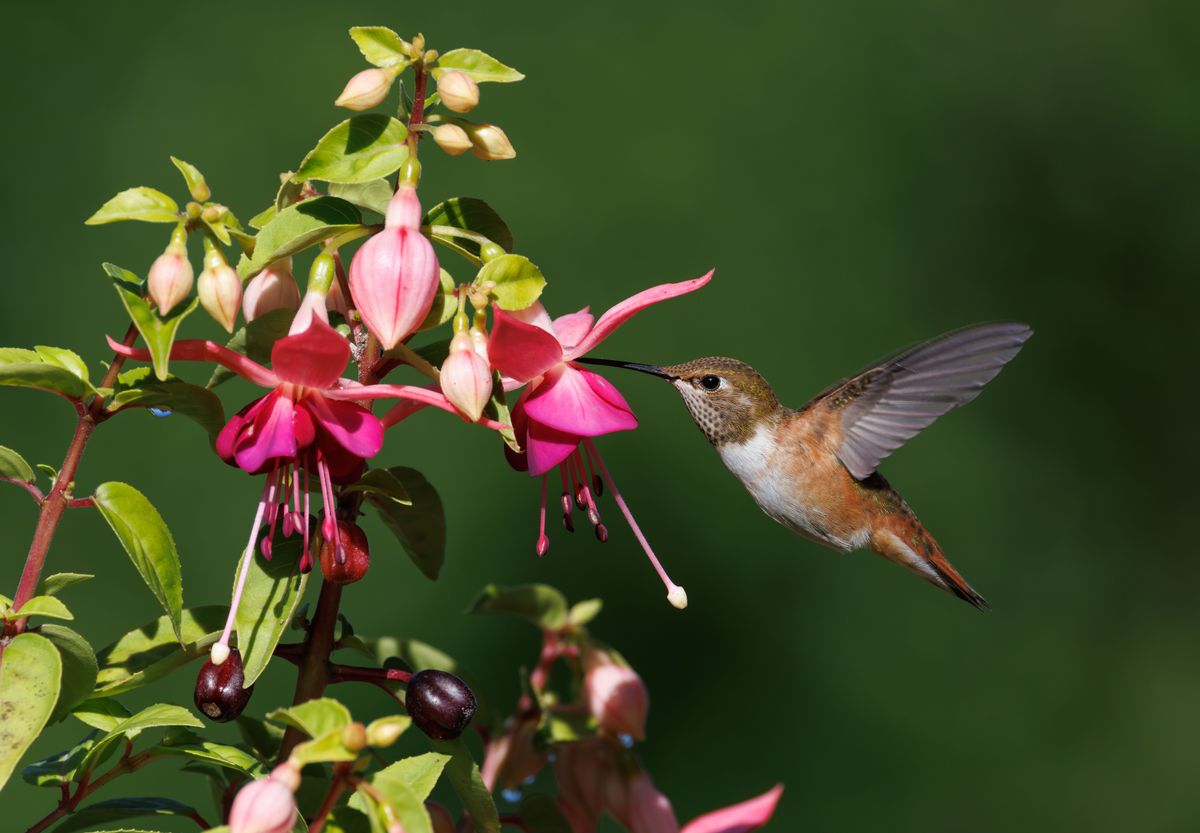
Photo by Veronika Andrews on Pexels
Combine hand-blown glass artistry with effortless cleaning and enchanted nighttime garden lighting.
Cleaning Agent Comparison Matrix
| Cleaning Solution Scenario | Mold Elimination | Bird Non-Toxicity | Glass Safety | Solar Cap Safe? |
| --- | --- | --- | --- | --- |
| Scenario 1: Distilled White Vinegar (1:4 Ratio) | High (Eradicates mold spores) | 100% Non-Toxic | Safe (Gentle on glass colors) | Safe (Wipe cap separately) |
| Scenario 2: Dilute Household Bleach (1:10 Ratio) | Very High (Complete sterilizer) | Toxic if unrinsed | Safe on glass | Unsafe (Corrodes metal seals) |
| Scenario 3: Standard Commercial Dish Soap | Moderate (Removes grease) | Low (Leaves scented film) | Safe | Unsafe (Can leak into battery cap) |
| Scenario 4: Boiling Water (>200°F) | High (Thermal kill) | 100% Non-Toxic | High Risk (Thermal shock crack) | Unsafe (Melts housing) |
Evaluate common sanitizing solutions by effectiveness, safety for birds, and compatibility with art glass solar feeders.
Step-by-Step Deep Cleaning Protocol for Glass & Solar Feeders
Follow these 5 steps to thoroughly clean your hand-blown glass solar feeder without damaging solar components or glass art.
Fatal Feeder Maintenance Errors to Avoid
Avoid these common feeder care mistakes that endanger visiting hummingbirds or damage handcrafted solar feeders.
Deep Dive Guides & Further Reading
Explore essential guides on backyard birding safety, nectar chemistry, and hand-blown glass maintenance:
- Hot Weather Nectar Ratios: Keeping Sugar Nectar Fresh in Summer Heat
- How to Hang Solar Glass Feeders: Maximizing Sunlight and Blocking Pests
- Is Red Dye Safe for Hummingbirds?: Myths, Dangers, and Natural Nectar
- Hand-Blown Glass Care: Preserving Art Glass Colors Year-Round
Frequently Asked Questions on Feeder Safety
Get fast answers to critical questions regarding solar lights, cleaning chemicals, ant deterrents, and avian health.
Final Summary & Action Plan
Your decision: Determine your current outdoor temperature zone and inspect your feeder for early signs of cloudiness or ant activity.
Do this next: Flush and sanitize your glass feeder using a hot water and white vinegar solution, and install a water-filled ant moat above the hanging hook.
- Read next: Twilight Nectar Care FAQ: Does Nighttime Solar Light Affect Nectar Freshness?
- Read next: Best Ant Moats for Hummingbird Feeders: Built-In vs. Hanging Hooks
LUJII Hand-Blown Glass Solar Hummingbird Feeder with Removable Metal Base (32 oz capacity, easy-clean wide mouth design).
Keep your garden sanctuary healthy, vibrant, and glowing with these simple maintenance practices.
Cover photo by Veronika Andrews on Pexels.