Does Solar Light Spoil Hummingbird Nectar? Safety FAQ & Care Guide
Should you keep the solar light active on your hummingbird feeder, or will nighttime illumination ruin the nectar?
No, nighttime solar LED lights do not spoil nectar. Low-voltage LEDs mounted in top solar caps emit negligible radiant heat—causing less than a 0.2°F temperature shift in liquid reservoirs. Ambient daytime heat and direct sunlight remain the true drivers of nectar fermentation, requiring replacement every 2 to 7 days depending on outdoor temperatures.
Pre-Dusk Solar Feeder Safety & Failure Mode Checklist
- [ ] Failure Mode 1: Water entering battery cavity — Verify plastic solar cap rubber gasket is dry and tightly sealed.
- [ ] Failure Mode 2: Premature fermentation — Ensure glass reservoir was hung in afternoon shade, away from 2-5 PM direct solar radiation.
- [ ] Failure Mode 3: Cloudiness or black mold — Check base feeding ports for visual signs of bacterial film before twilight lighting activates.
- [ ] Failure Mode 4: Sticky outer glass — Confirm 32 oz sealed base is fully tightened to prevent drips that attract ants and raccoons.
- [ ] Failure Mode 5: Drained battery — Verify top solar panel received at least 6 hours of unshaded morning sunlight.
At-a-Glance Nectar Safety Cheat Sheet
- Top-mounted solar micro-LEDs radiate heat upward, keeping liquid reservoir temperatures stable.
- Daytime UV rays and ambient heat >85°F trigger rapid fermentation—not soft nighttime illumination.
- Always detach the plastic solar housing prior to washing the hand-blown glass reservoir and metal base.
- Fresh 4:1 water-to-sugar nectar requires no red dyes or chemical preservatives.
- Morning solar exposure yields 6 to 8 hours of evening RGB lighting without heating nectar.
Mastering Thermal Separation: The Glass Reservoir Advantage
A common concern among bird enthusiasts is whether glowing solar caps heat sugar water overnight. Fortunately, thermodynamics works in your favor. Low-voltage micro-LED diodes consume tiny fractions of a watt, and thermal radiation naturally vents upward into open air through the plastic solar housing.
Hand-blown glass reservoirs—crafted at temperatures exceeding 2,300°F—act as exceptional thermal insulators. The thick glass body buffers the liquid against rapid ambient temperature swings while keeping the liquid insulated from the electrical component above. To maximize this passive cooling, position your feeder where it receives unshaded early morning light for solar charging, followed by dappled leaves or full roof shade during peak 2:00 PM to 5:00 PM sun hours.
Optimal Placement Scenarios for Solar Charging & Shade Protection
Eastern Garden Yard or Porch — Ideal setup. Captures 6 hours of intense morning sunlight to fully charge the solar battery, while structural shade protects nectar during hot afternoon hours.
Open Western Patio (Hot Afternoon Sun) — High risk for daytime fermentation. Use an awning or shepherd's hook with a shade baffle to block direct 3 PM heat, or rotate nectar every 48 hours.
Dense Canopy or Covered Gazebo — Protects nectar perfectly but starves solar panels. Position feeder on the outer drip-line of tree branches to catch sunbeams without baking the glass.
Balancing solar panel battery charging with nectar thermal safety requires strategic garden placement.
Essential Nectar Safety Takeaways
Understanding how light, heat, and glass construction interact ensures your yard stays vibrant and healthy.
Temperature-Based Nectar Maintenance Schedule
- Under 70°F (Cool Spring / Autumn) — Change nectar every 6 to 7 days. LED thermal impact is negligible (<0.1°F). Rinse base during weekly refill.
- 70°F to 80°F (Mild Summer) — Change nectar every 4 to 5 days. Inspect feeding ports for early cloudiness every 48 hours.
- 81°F to 90°F (Warm Summer) — Change nectar every 2 to 3 days. Move feeder into deeper afternoon shade; wipe solar cap with damp cloth.
- 91°F+ (Extreme Heatwaves) — Change nectar every 24 to 48 hours. Deep clean glass reservoir with warm water and vinegar solution.
Fatal Nectar Maintenance Mistakes (And How to Avoid Them)
Preventing hardware damage and avian health hazards comes down to avoiding these four frequent oversights.
Daily and Weekly Twilight Care Routine
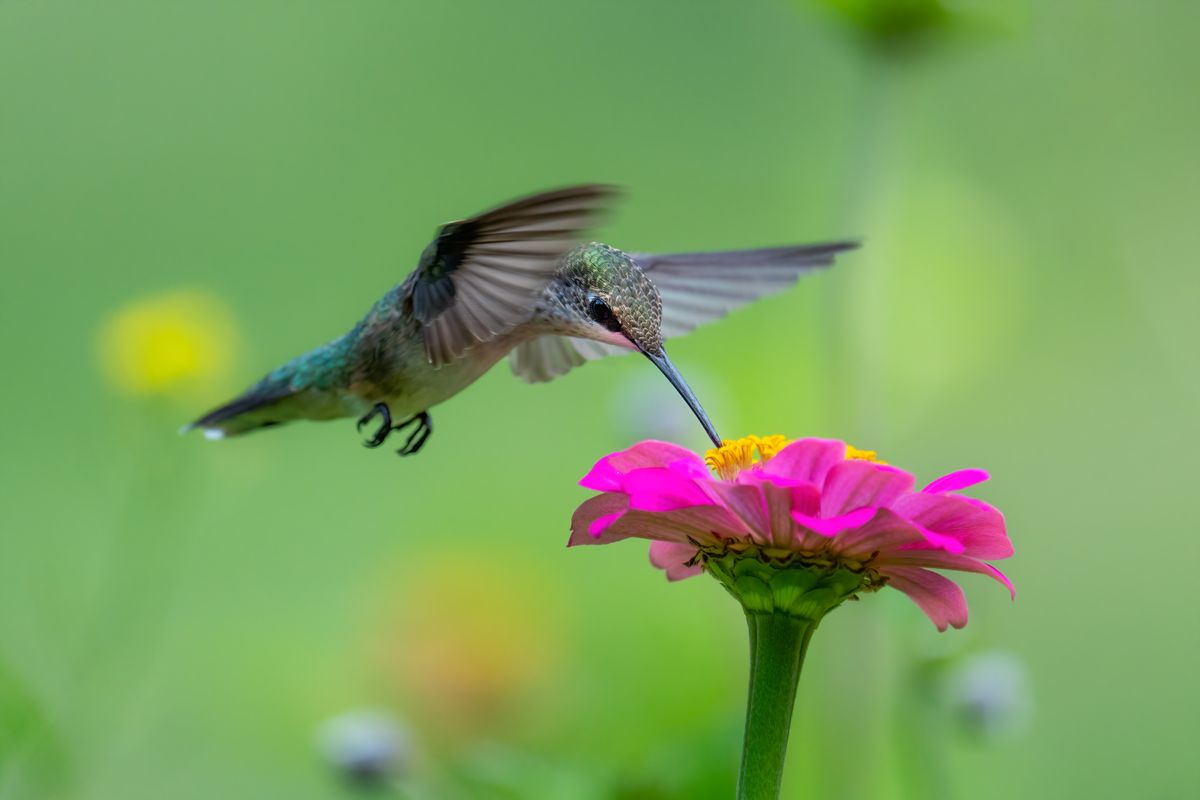
Photo by Skyler Ewing on Pexels
- Morning (8:00 AM) — Check solar panel placement to ensure no hanging foliage is shading the solar collector cap.
- Midday (1:00 PM) — Verify nectar transparency against the hand-blown translucent glass; confirm no floating debris or cloudiness.
- Pre-Dusk (6:00 PM) — Ensure base ring is tightly sealed and leak-free. Confirm rubber gasket is dry.
- Weekly Reset — Detach solar top cap, wash glass body and metal base with warm water and vinegar, air dry thoroughly, and refill with fresh 4:1 sugar water.
To expand your knowledge on twilight garden care, explore these essential maintenance topics:
- Do Hummingbirds Feed at Night? Understanding Dusk Behavior — Learn how late-migrating birds utilize early twilight lighting for crucial pre-roosting energy replenishment.
- How to Clean and Maintain Your Hand-Blown Solar Feeder — Step-by-step techniques to wash artisan glass reservoirs without water entering sensitive battery compartments.
- Hot Weather Nectar Ratios: Keeping Food Fresh in Summer Heat — Detailed strategies for keeping homemade sugar water safe during summer heatwaves.
Frequently Asked Questions: Solar Lights & Nectar Freshness
Clear answers to the most common questions regarding solar lights, cleaning safety, and insect activity.
Featured Handcrafted Solar Feeder
Bring magical illumination and handcrafted artistry to your backyard while keeping your feathered guests well-nourished.
Your Next Steps for a Thriving Twilight Haven
Your decision: Determine if your current feeder location provides early morning solar panel charging while shading the glass reservoir from harsh afternoon sun.
Do this next: Perform a pre-dusk safety check on your feeder: detach the solar cap, wipe the panel clean, verify the rubber seal is dry, and replace nectar if ambient temperatures exceeded 85°F today.
- Read next: How to Clean and Maintain Your Hand-Blown Solar Hummingbird Feeder
- Read next: Do Hummingbirds Feed at Night? Understanding Dusk Behavior
LUJII Hand-Blown Glass Solar Hummingbird Feeder (32 oz, Leak-Proof RGB Edition)
Take action today to ensure your garden offers an alluring, safe, and beautifully lit sanctuary for hummingbirds.
Explore Related Twilight Care Guides
Link contextually to cluster guides on nighttime feeding and cleaning techniques.
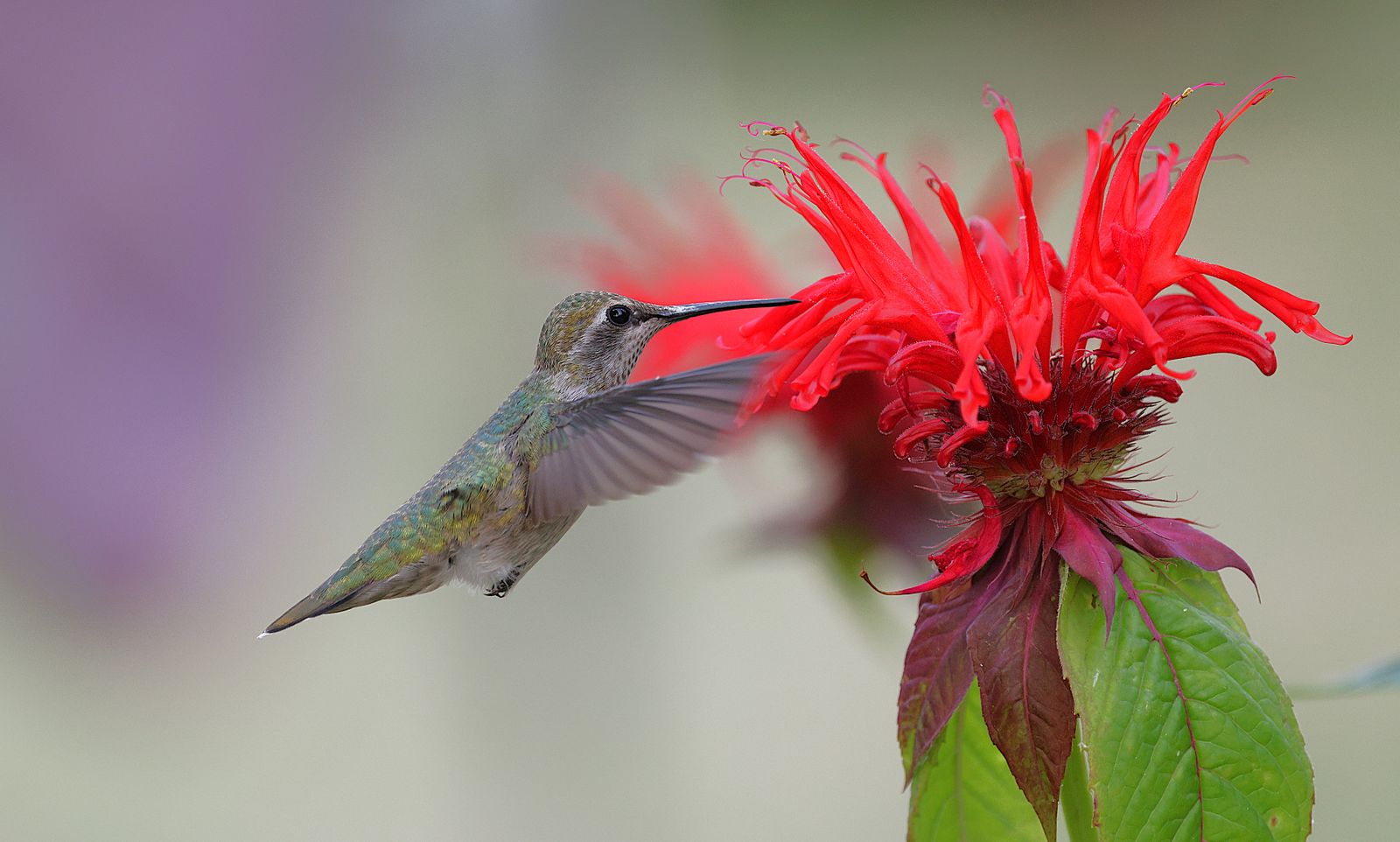
Cover photo by Veronika Andrews on Pexels.