Hummingbird Nectar Heat Fermentation: Prevention & Schedule
As a rule of thumb, at ambient temperatures of 80°F (27°C) and above, standard 4:1 sucrose hummingbird nectar begins fermenting into dangerous ethanol and wild yeast within 48 hours. When temperatures exceed 90°F (32°C), complete nectar replacement must occur daily. Ingesting fermented sugar water causes severe liver distress and fatal tongue swelling (candidiasis) in hummingbirds.
Key Takeaways: Summer Nectar Safety at a Glance
- The 80°F Fermentation Threshold: Wild yeast replication accelerates rapidly past 80°F, turning safe 4:1 sugar water into toxic alcohol in under 48 hours.
- Daily Swaps Above 90°F: When summer heatwaves reach 90°F or higher, empty, clean, and refill reservoirs every 24 hours regardless of remaining liquid levels.
- Material Thermal Mass Matters: Hand-blown artisan glass reservoirs absorb ambient heat significantly slower than thin, cheap plastic, helping maintain stable liquid temperatures.
- Shade Over direct Sun: Solar-powered cap feeders require morning direct sunlight to charge their battery, but the nectar reservoir must be shaded from peak 11 AM – 4 PM heat.
- Zero Dye Tolerance: Artificial red dye deteriorates faster under heat and UV radiation, compounding chemical toxins in warm nectar.
The Fermentation Timeline: What Happens to Nectar Hour-by-Hour
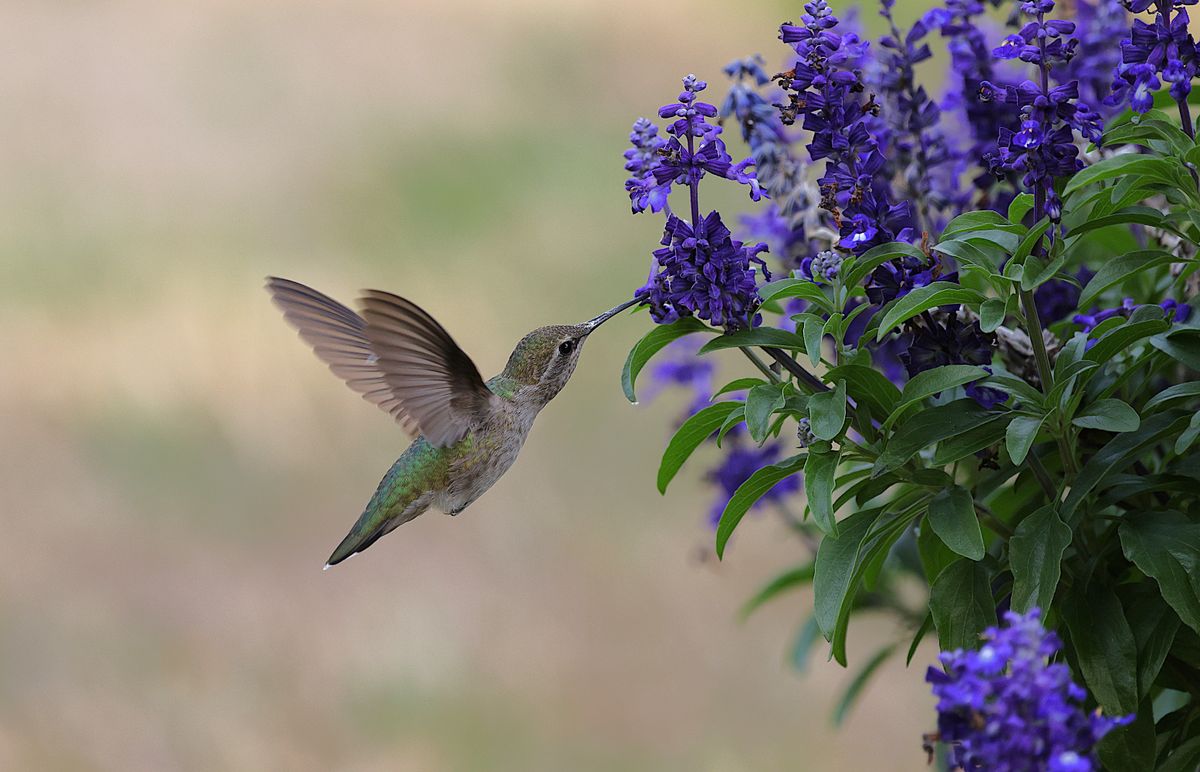
Photo by Veronika Andrews on Pexels
- Hours 0–6 — Nectar remains fresh and clear. Sugar concentration sits stable at 20% (4:1 ratio). Minimal microbial activity.
- Hours 6–18 — Wild yeast spores introduced by feeding hummingbird beaks begin rapid cell division. Microscopic gas bubbles start forming near the surface.
- Hours 18–24 — Nectar develops early cloudiness. Ethanol conversion begins as yeast metabolizes sucrose. Early stage fungal spore germination occurs.
- Hours 24–48 — Heavy haziness and visible fizzing. Ethanol levels rise above toxic thresholds for hummingbird livers. Sour, wine-like aroma develops.
- Hours 48+ — Severe spoilage. Stringy white yeast rafts float on top; black fungal dots (Candida albicans / mold) take root inside narrow feeding ports.
Temperature-vs-Replacement Schedule Matrix
- Under 70°F (21°C) — Replace nectar and rinse feeder every 7 days.
- 70°F – 80°F (21°C – 27°C) — Replace nectar and sanitize feeder ports every 4 to 5 days.
- 81°F – 88°F (27°C – 31°C) — Replace nectar and scrub reservoir every 2 to 3 days.
- 89°F – 95°F (31°C – 35°C) — Replace nectar completely every 24 to 36 hours.
- Above 95°F (35°C+) — Replace nectar daily (every 12 to 24 hours). Fill only half capacity to minimize sugar waste.
Visual Breakdown: Summer Heat Spoilage Timeline
Interactive Tool Concept: Summer Nectar Freshness Calculator
5 Critical Mistakes That Speed Up Nectar Fermentation
Avoid these common mistakes that accelerate yeast growth and create toxic conditions for visiting hummingbirds:
Expert Advice: Utilizing Artisan Glass & Shade for Thermal Defense
To achieve maximum nectar longevity during peak summer, leverage thermal mass and strategic geometry. Handcrafted glass reservoirs shaped at 2,300°F feature dense, thick wall construction. Unlike paper-thin plastic, high-density hand-blown glass acts as a natural thermal buffer, dampening rapid daytime temperature spikes inside the reservoir.
Combine thick artisan glass with smart positioning: hang your solar feeder under an eastern porch overhang or leafy tree branch. This allows the top solar panel to capture early morning rays for 8 hours of brilliant nighttime RGB light, while protecting the nectar reservoir under dense shade during peak afternoon heat.
Ready to upgrade your garden thermal defense? Explore our LUJII Solar-Powered Hummingbird Feeder featuring thick hand-blown glass art, a solar heat shield, and leak-proof metal base construction.
Nectar Diagnostic Matrix: Fermentation Signs & Remediation
| Symptom | Underlying Cause | Immediate Action Required |
| --- | --- | --- |
| Milky haze or cloudy water inside glass reservoir | High concentration of replicated yeast cells | Discard nectar immediately. Deep clean reservoir with 1:4 vinegar-water soak. |
| Tiny gas bubbles continuously rising to top cap | Active fermentation producing carbon dioxide byproduct | Dump liquid instantly. Reduce nectar quantity by half on next refill. |
| Black micro-dots around soft metal/plastic feeding ports | Fungal mold colonization (Cladosporium or Candida) | Scrub ports using specialized micro-bottle brushes and warm water. |
| Sour, wine-like, or vinegary aroma when unscrewing base | Ethanol and acetic acid accumulation | Sanitize entire unit; relocate feeder to deeper shade. |
| Stringy white floaters or rafts near the upper waterline | Advanced fungal spore biofilm matrix | Full disassembly; scrub inner curves with unflavored raw rice and warm vinegar. |
If your feeder displays any of these symptoms, take immediate corrective action before allowing birds to feed.
Side-by-Side Comparison: Hand-Blown Glass vs. Plastic Feeders in Direct Heat
| Performance Metric | Hand-Blown Glass Feeder (LUJII) | Standard Thin Plastic Feeder |
| --- | --- | --- |
| Thermal Absorption Rate | Slow thermal transfer due to thick glass walls | Rapid thermal transfer; spikes liquid temp rapidly |
| UV Radiation Protection | Translucent colorful glass filters direct solar rays | Clear thin plastic lets 100% of UV rays penetrate liquid |
| Fungal Biofilm Cleanability | Non-porous glass surface scrubs clean effortlessly | Microscopic plastic scratches harbor stubborn mold spores |
| Chemical Leaching Risk | Zero chemical leaching at high heat | Risk of microplastics/BPA leaching when heated above 90°F |
| Overhead Solar Shielding | Integrated solar panel cap deflects overhead rays | Unshielded top exposes liquid directly to vertical heat |
Feeder construction directly impacts thermal absorption rates and cleaning hygiene during hot weather.
Recommended Thermal Defense: LUJII Hand-Blown Solar Glass Feeder
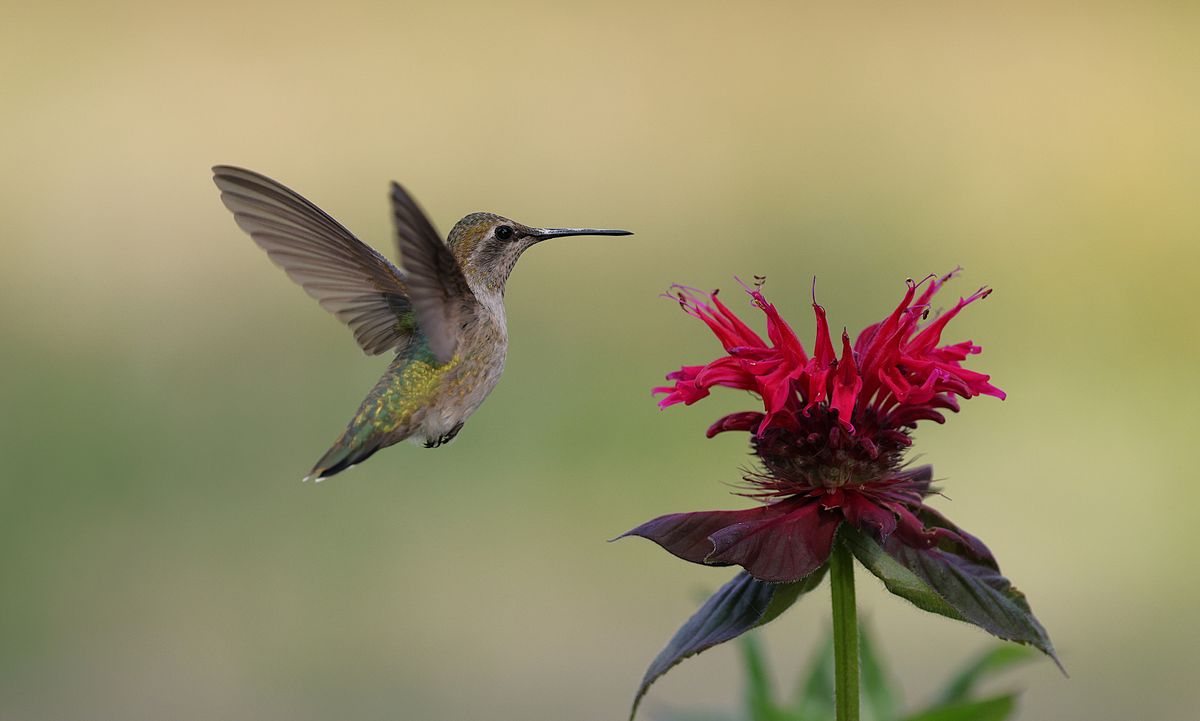
Photo by Veronika Andrews on Pexels
Combining hand-blown glass craftsmanship with innovative thermal design, the LUJII Solar-Powered Hummingbird Feeder provides premium protection against hot weather nectar spoilage while acting as stunning garden decor.
Summer Feeding Calendar: Adjusting Care from May through September
| Month / Season Phase | Average Daily Heat Expectation | Recommended Maintenance Routine |
| --- | --- | --- |
| May (Spring Arrival) | 60°F – 72°F (15°C – 22°C) | Clean and refill every 5–7 days. Position feeder to maximize morning and afternoon sun for charging solar lights. |
| June (Early Summer) | 73°F – 84°F (23°C – 29°C) | Shift to a 3-day refill cycle. Move feeder to partial shade that receives morning sun only. |
| July (Peak Summer Heat) | 85°F – 95°F+ (29°C – 35°C+) | Implement 24 to 48 hour nectar replacement. Fill 32 oz reservoir to only 1/3 capacity to avoid wasting unconsumed sugar water. |
| August (Late Summer Heatwaves) | 90°F – 100°F+ (32°C – 38°C+) | Daily complete nectar replacements. Perform deep vinegar sanitization twice per week. |
| September (Autumn Migration) | 65°F – 78°F (18°C – 25°C) | Return to a 4-day replacement schedule. Keep feeders clean and filled to fuel migrating hummers. |
Anticipate temperature surges by adjusting your feeder maintenance routine throughout the summer months.
Regional Climate Guidance for High Heat Zones
Feeder placement and management should adapt to your regional summer climate conditions across the United States:
5-Point Visual Nectar Inspection Checklist
- [ ] Cloudiness or milky haze in the transparent glass reservoir
- [ ] Small gas bubbles or effervescence rising to the surface
- [ ] Black micro-dots or dark mold growing inside the feeding ports
- [ ] Stringy, white yeast rafts floating near the top water line
- [ ] A sour, wine-like, or vinegar odor when opening the feeder cap
Frequently Asked Questions About Nectar Heat Fermentation
Related Reading: Complete Nectar & Solar Feeder Care
- Summer Heat & Nectar Freshness: How to Protect Your Solar Hummingbird Feeder
- Summer Heat Spoilage: How to Keep Hummingbird Nectar Fresh on Scorchers
- How to Keep Hummingbird Nectar Fresh in Summer Heat (Water Quality Guide)
Next Steps to Protect Your Hummingbirds Today
Your decision: Determine whether your current feeder and hanging location protect nectar from rapid summer heat fermentation.
Do this next: Check today's local weather forecast, consult the Temperature Maintenance Matrix, and move your feeder to morning-only sun if ambient temperatures cross 80°F.
- Read next: Hot Weather Nectar Ratios: How to Keep Hummingbird Food Fresh in Summer
- Read next: How to Clean and Maintain Your Hand-Blown Solar Hummingbird Feeder
Upgrade to a handcrafted thick glass reservoir with a protective solar cap like the LUJII Solar-Powered Hummingbird Feeder to slow thermal absorption and add enchanting illuminated decor to your evening garden.
Cover photo by Veronika Andrews on Pexels.