Summer Heat & Nectar Freshness: How to Protect Your Solar Hummingbird Feeder
As a rule of thumb, replace hummingbird nectar every 24 hours when ambient outdoor temperatures exceed 90°F (32°C), every 48 hours between 80°F–89°F, and every 3 to 5 days below 79°F. To recharge your feeder's solar cap for up to 8 hours of evening RGB illumination without overheating the 32 fl. oz hand-blown glass reservoir, hang the feeder where it receives 3 to 4 hours of direct morning sun (7:00 AM to 11:00 AM) followed by full afternoon canopy shade.
Key Takeaways for Summer Solar Feeder Safety
- The 24-Hour Threshold: Nectar ferments 4x faster above 90°F; fresh sugar-water turns into dangerous bacterial acid and Candida fungal spores if left unchanged.
- The 3-to-4 Hour Morning Solar Window: Solar panels require just 180 to 240 minutes of morning sunlight to deliver a full 8-hour RGB illumination cycle at night.
- 15% Air Pocket for Pressure Locks: Leaving a 15% air pocket in your 32 fl. oz glass reservoir prevents hot afternoon air expansion from pushing nectar out through the feeding ports.
- Strict 4:1 Ratio Always: Never weaken or strengthen nectar ratios during heatwaves—use 4 parts tap water to 1 part white granulated sugar, with zero red dye or honey.
Nectar Spoilage Rate vs. Temperature Timeline
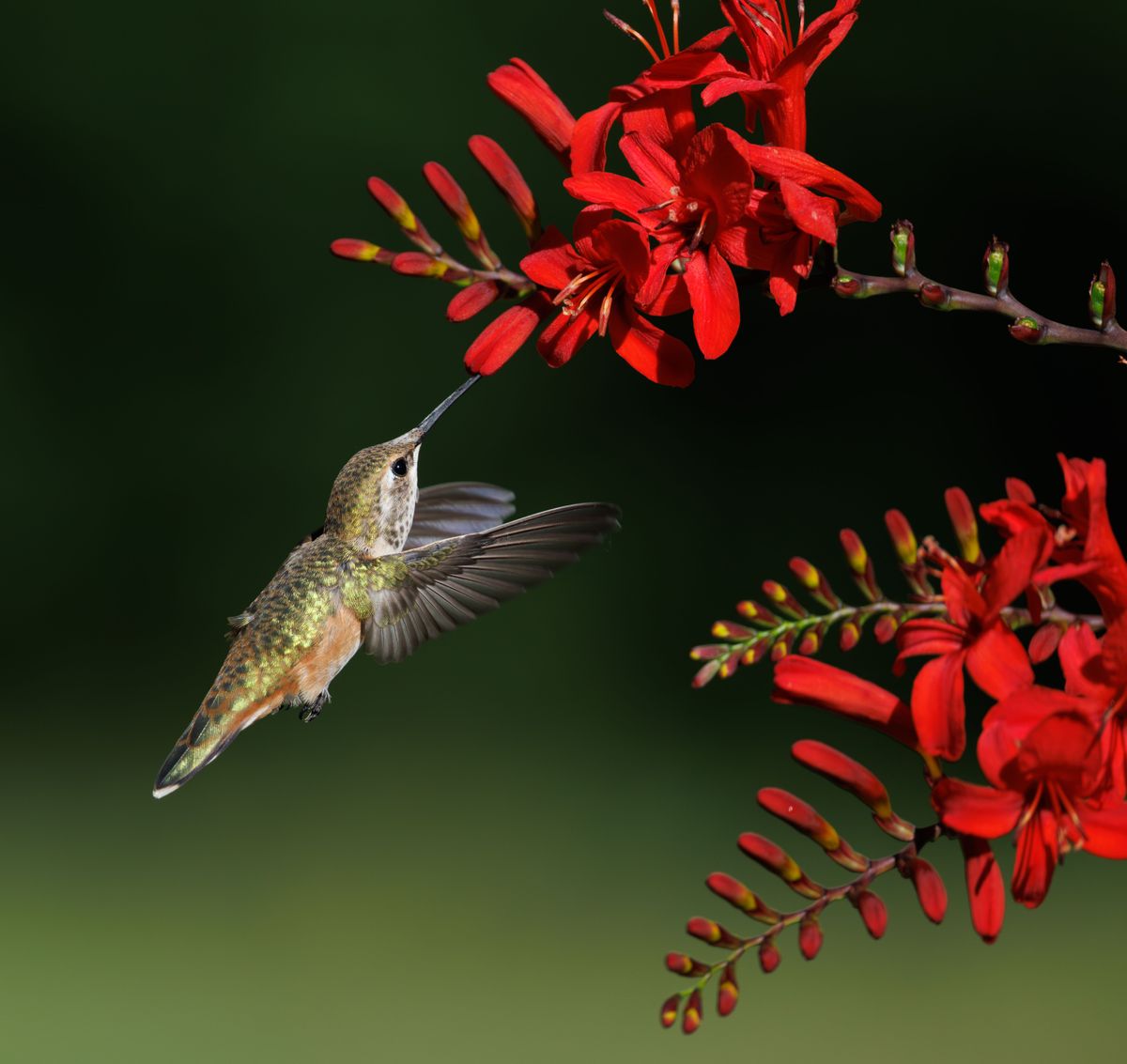
Photo by Veronika Andrews on Pexels
Ambient heat directly governs sugar water fermentation. Use this side-by-side numerical threshold timeline to set your daily summer refill schedule:
Hot Weather Nectar Maintenance Schedule
- Daily at 8:00 AM — Inspect the hand-blown translucent glass bulb for cloudiness, floating yeast, or thermal expansion drips. Confirm nectar clarity against morning light.
- Every 24 to 48 Hours — Dump unused nectar into the sink. Rinse the 32 fl. oz glass reservoir and coated anti-rust metal base with hot tap water. Refill with fresh 4:1 solution chilled in the fridge.
- Twice Weekly — Submerge metal base ports and silicone rubber seals in a 4:1 water-and-white-vinegar solution for 15 minutes. Scrub tiny feeding port nooks with a soft brush.
- Weekly Solar Check — Wipe the waterproof top plastic solar cap with a damp microfiber cloth to remove tree sap, bird droppings, and pollen that block photo-voltaic absorption.
Expert Tip: The Morning-Sun Microclimate Technique
A common dilemma for solar feeder owners is deciding between deep tree shade (which protects nectar but leaves evening RGB lights dark) and full sun (which charges batteries but boils sugar water).
The Solution: Utilize East-facing garden microclimates. Position your feeder beneath the Eastern canopy edge of a deciduous tree or porch overhang. Between 7:00 AM and 11:00 AM, the sun sits low in the sky, striking the top solar panel directly to store a full 8-hour charge. By 12:00 PM, as ambient temperatures peak above 85°F–95°F, the solar feeder transitions into deep canopy shade. This simple placement rule drops internal nectar temperatures by 12°F to 18°F compared to full-day sun exposure, preventing thermal expansion leaks and doubling nectar shelf life.
Troubleshooting Heat & Fermentation Issues
| Symptom | Primary Cause | Immediate Fix | Prevention Strategy |
| --- | --- | --- | --- |
| Nectar dripping from ports during peak afternoon heat | Thermal air expansion inside sealed 32 oz glass bulb pushing liquid downward | Fill reservoir only 70% full (22–24 fl. oz) to leave a 15% air cushioning pocket | Hang feeder in an East-facing spot shaded after 11:00 AM |
| Cloudy white or milky nectar within 24 hours | Rapid yeast fermentation triggered by direct afternoon UV light and 85°F+ heat | Discard nectar immediately; flush glass bulb with 140°F hot water and vinegar | Reduce fill volume to 16 fl. oz for daily single-day batch refreshes |
| RGB lights dimming or lasting under 3 hours at night | Solar panel obscured by dust, tree pollen, or complete day-long shade | Wipe top plastic cap with damp cloth; shift hanging hook 2 feet East into morning sun | Verify solar cap receives 3–4 hours of unfiltered morning light daily |
| Black specks appearing around feeding port rubber gaskets | Candida fungal mold bloom caused by unwashed sugar residue in high humidity | Scrub metal base and gaskets with small bottle brush dipped in white vinegar | Perform a 15-minute vinegar soak during every heatwave refill cycle |
When high summer heat hits hand-blown glass and solar components, quick action keeps birds safe and feeders operating smoothly:
Seasonal Heat Mitigation Roadmap (May – September)
| Month | Environmental Shift | Solar & Shade Adjustment | Nectar Batch Protocol |
| --- | --- | --- | --- |
| May | Spring migration; mild temps (60°F–74°F) | Hang in open 5–6 hour sunlight spots for maximum solar recharge | Full 32 fl. oz batch; refresh every 4 to 5 days |
| June | Early summer heat; daylight reaching peak (75°F–84°F) | Shift feeder 2 feet closer to East canopy edge for afternoon relief | Fill 24 fl. oz; refresh every 3 days |
| July | Peak summer heatwaves (85°F–98°F) | Strict East-only exposure: morning sun 7–11 AM, complete afternoon shade | Partial 16 fl. oz batch; refresh every 24 to 48 hours |
| August | Late summer drought & extreme heat (90°F–105°F) | Add a clear weather baffle above solar cap to shield glass from indirect thermal radiation | Partial 12–16 fl. oz batch; daily morning refresh |
| September | Southward migration & cooling evenings (70°F–82°F) | Move feeder back into open morning/midday light to fuel migrating hummers | Full 32 fl. oz batch; refresh every 3 to 4 days |
Adapt your solar feeder management as summer progresses from mild spring breezes to intense August heatwaves:
Recommended Gear for Summer Solar Feeder Protection
Combining hand-crafted glass art with solar innovation creates a stunning garden focal point while keeping birds nourished all summer long.
Bring vibrant color and safe feeding to your summer garden! Discover the LUJII Hand-Blown Glass Solar Hummingbird Feeder — featuring weather-resistant metal bases, leak-proof rubber seals, handcrafted 2,300°F glass art, and automatic RGB nighttime illumination that shines for up to 8 hours after a morning recharge.
Regional Climate Guidance: Arid West vs. Humid South
Summer conditions vary drastically across the United States. Tailor your solar glass feeder placement to your regional climate profile:
- Arid Southwest & Interior West (AZ, NV, UT, Eastern CA): Low humidity paired with intense 100°F+ direct sunlight causes extreme thermal liquid expansion. In desert regions, hang your glass solar feeder under a covered East porch where it receives early morning rays but complete protection from harsh desert winds and blazing Western skies. Fill with partial 12 fl. oz batches daily.
- Northern & Coastal Regions (WA, OR, ME, MI): Cooler average temperatures (70°F–82°F) allow longer nectar shelf lives (3 to 4 days). Ensure solar panels are kept free of pine sap and morning fog condensation so the solar top captures full daylight energy.
Daily Summer Safety Checklist for Hand-Blown Solar Feeders
- [ ] Inspect nectar clarity against the clear hand-blown glass reservoir.
- [ ] Check solar cap for dust or tree pollen preventing solar battery recharge.
- [ ] Verify metal base seal and rubber gasket show no heat-induced leaks.
- [ ] Refill with fresh 4:1 sugar-water solution if temperature surpassed 85°F.
Frequently Asked Questions About Hot Weather Solar Feeding
Clear up common concerns regarding solar charging, shade domes, thermal leaks, and bird health during peak heatwaves:
Next Steps: Action Plan for Hot Weather Solar Feeding
Your decision: Determine whether your current solar feeder placement receives damaging afternoon sun exposure.
Do this next: Relocate your feeder to an East-facing spot that gets 3-4 hours of morning sun, fill with partial 16 oz nectar batches during heatwaves, and clean every 24-48 hours.
- Read next: Hot Weather Nectar Ratios: How to Keep Hummingbird Food Fresh in Summer
- Read next: How to Clean and Maintain Your Hand-Blown Solar Hummingbird Feeder
LUJII Hand-Blown Glass Solar Hummingbird Feeder with RGB Lights & Leak-Proof Metal Base
Protecting your visiting hummingbirds while enjoying magical RGB nighttime light is easy with a few simple adjustments.