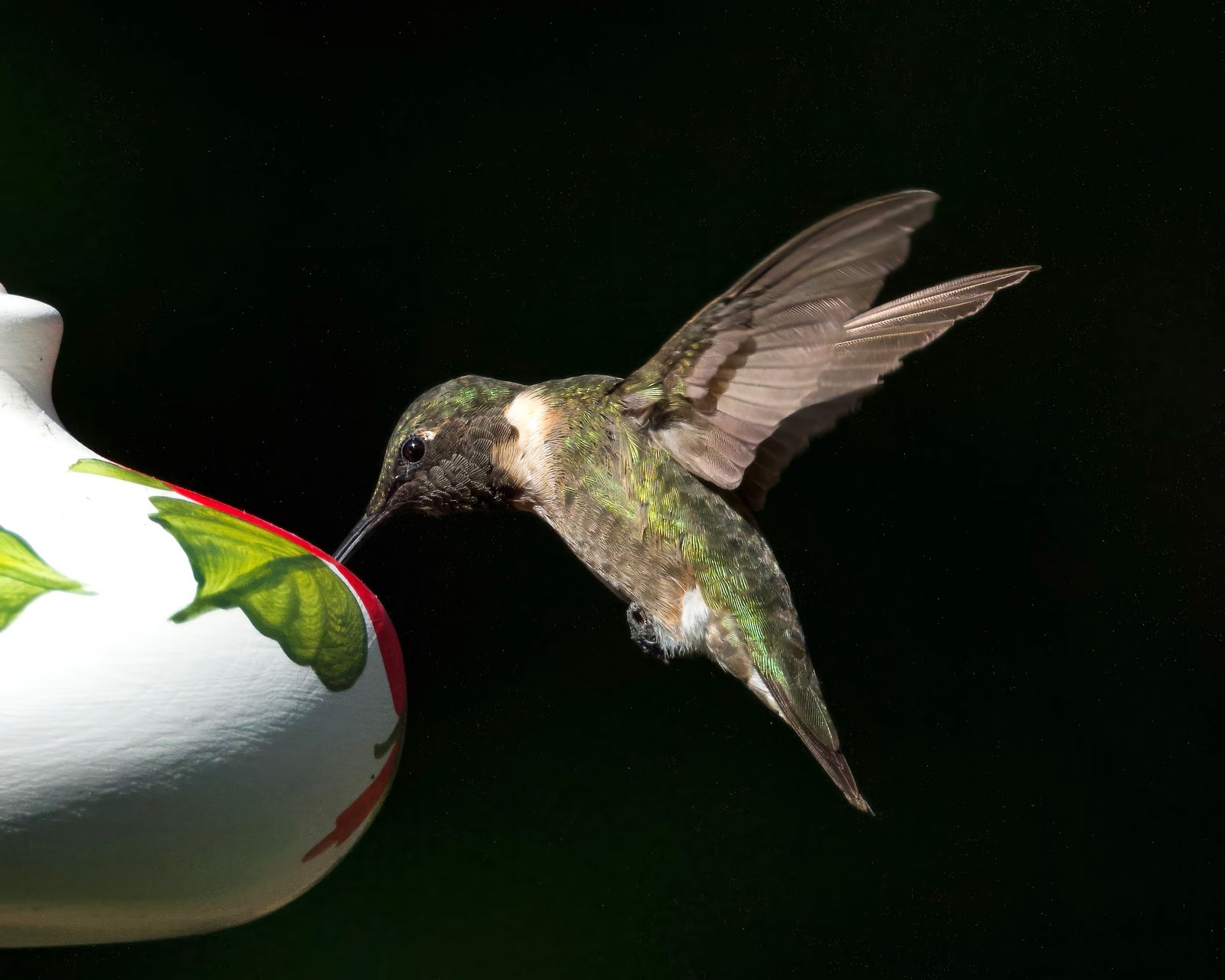
How to Help Late Migrating Hummingbirds: Autumn Nectar Ratios & Takedown Guide
Follow the 14-day rule: keep hummingbird feeders clean, filled, and accessible for exactly 14 days (336 hours) after your final autumn hummingbird sighting. Leaving feeders up never delays natural migration, which is instinctively triggered by photoperiod (day length) and hormonal shifts. If overnight forecasts drop below 29°F (-1.6°C), switch from the standard 1:4 sugar ratio to a denser 1:3 solution, safely lowering the nectar freezing point to 27°F (-2.8°C) to protect vital calories for stragglers.
Key Takeaways: Autumn Migration Essentials
- 0% Migration Delay: Scientific research confirms that abundant nectar feeders do not stop hummingbirds from flying south when photoperiods shorten below 12 hours.
- 14-Day Countdown: Count 14 full days after your last sighting before washing and storing glass feeders for the winter season.
- 27°F Freezing Protection: Elevating nectar concentration from 20% (1:4) to 25% (1:3) drops the freezing threshold from 29°F to 27°F without risking avian dehydration.
- 8 Hours of Twilight Visibility: Solar-illuminated RGB glass feeders provide up to 8 hours of soft nightfall glow, aiding late dusk feeders arriving in near-darkness.
- 32 fl. oz Capacity Buffer: A larger reservoir maintains temperature mass longer than thin plastic feeders, slowing overnight ice formation during early frost snaps.
Fall Migration Timeline: Peak Flights to Late Stragglers
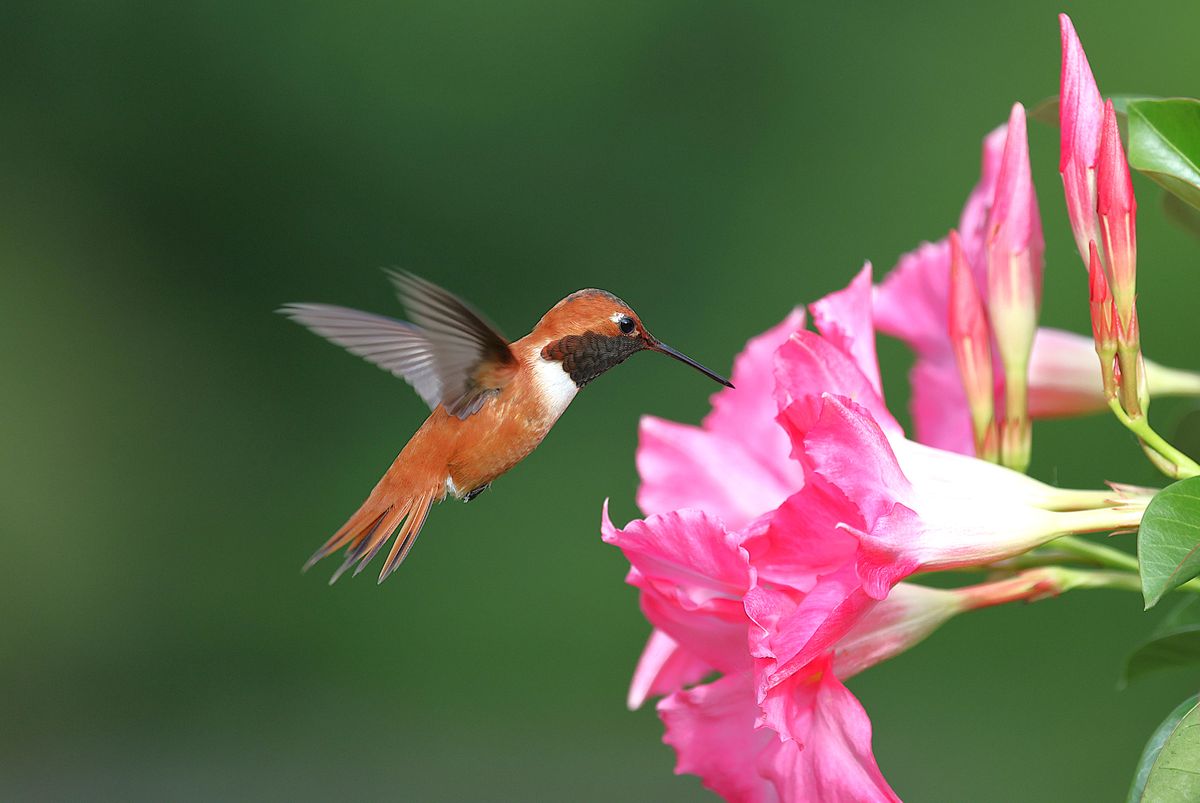
Photo by Veronika Andrews on Pexels
- Late August – September (Peak Southern Push) — Adult males initiate southward flights as daylight drops below 13.5 hours. Maintain standard 1:4 nectar ratios and clean 32 fl. oz glass reservoirs every 4 days.
- October (Juvenile Wave & Secondary Migrants) — Young-of-the-year birds and females travel south, requiring up to 1.5 times their body weight in daily fuel. Position feeders near sunlit southern exposures.
- November (Late Stragglers & Vagrant Sightings) — Temperatures dip into the 30s (°F). Shift nectar ratios to 1:3 when frost threatens. Keep feeders hanging for 14 days past the final sighting.
- December (Final Clearance & Winter Storage) — Complete the 14-day zero-sighting window. Perform a deep vinegar boil, dry hand-blown glass, and store units safely until spring arrival.
Autumn Feeder Maintenance & Sanitation Schedule
- 60°F to 70°F Ambient Temp — Flush reservoir with hot water every 4 to 5 days. Inspect feeding ports for mold or sugar crystallization.
- 50°F to 59°F Ambient Temp — Refill and sanitize every 6 to 7 days. Ensure solar cap receives 6 full hours of sunlight for 8 hours of nocturnal RGB lighting.
- 35°F to 49°F Ambient Temp — Clean every 7 to 10 days. Fermentation is minimal, but sap-loving yellow jackets may congregate during warm afternoons.
- Below 32°F (Hard Freeze Alert) — Rotate dual feeders daily at dawn. Bring glass reservoirs indoors at dusk if overnight lows threaten to breach 25°F.
Expert Tip: Supporting Twilight Feeders with Illuminated Warmth
Migrating hummingbirds must double their body mass—adding up to 2.0 grams of fat reserve—before undertaking flights across the Gulf of Mexico or Southern states. During late fall, day length drops to under 11 hours, forcing late stragglers to feed in heavy twilight right before nocturnal torpor.
Positioning a solar-powered feeder featuring hand-blown translucent glass and soft RGB twilight lighting creates a beacon for exhausted birds feeding 20 minutes past sunset. The sealed metal base and heavy glass mass absorb daytime sunlight, keeping nectar slightly warmer than ambient air during crucial dusk feeding windows.
Ensure your backyard is ready for autumn stragglers! Explore the LUJII Hand-Blown Glass Solar Hummingbird Feeder to keep nectar visible, warm, and leak-free through the first fall frost.
Late-Season Hummingbird Troubleshooting Matrix
| Late-Season Issue | Physical Indicator | Cold-Weather Trigger | Immediate Action Plan |
| --- | --- | --- | --- |
| Frozen Nectar | Slush or solid ice forming inside 32 fl. oz reservoir | Overnight lows dropping below 28°F (-2.2°C) | Adjust sugar-to-water ratio to 1:3 (freezes at 27°F) or rehang warm feeder 30 minutes before sunrise. |
| Cold-Stunned Avian | Hummingbird clinging motionlessly to feeder perch or ground | Deep overnight torpor combined with ambient temp < 35°F | Do not touch unless grounded. If grounded, place in warm cardboard box with air holes and contact wildlife rehab immediately. |
| Glass Thermal Shock | Hairline cracks along hand-blown glass seams | Pouring boiling nectar into sub-freezing glass reservoir | Always cool nectar to room temperature (70°F) before filling cold glass bodies; use thick hand-blown art glass rated for outdoors. |
| Vagrant Species Arrival | Bright orange Rufous or Allen's hummingbird in Eastern US | Strong western wind currents pushing migrants east in Nov/Dec | Maintain 1:3 nectar ratio through late December; log sighting with local Audubon society. |
Compare cold-weather feeding challenges side-by-side to apply immediate physical solutions during autumn weather volatility.
Fall Hummingbird Migration & Feeder Takedown Calendar
| US Geographic Region | Peak Departure Window | Late Straggler Window | Recommended Feeder Takedown Date |
| --- | --- | --- | --- |
| Northern US / Canada Border (Zones 3–5) | August 25 – September 20 | September 21 – October 15 | October 30 (or 14 days after last sighting) |
| Central & Mid-Atlantic US (Zones 6–7) | September 10 – October 10 | October 11 – November 5 | November 20 (or 14 days after last sighting) |
| Southern US & Gulf Coast (Zones 8–10) | October 1 – November 15 | Overwintering population active | Maintain at least 1 feeder year-round |
Determine your regional migration departure window and mandatory 14-day post-sighting takedown date based on US climate zones.
Recommended Gear for Cold-Weather Migration Support
Selecting autumn-ready feeder hardware ensures your backyard setup resists thermal expansion, shields nectar from freezing rain, and stays visible during short autumn days.
Regional Climate Guidance & Hard Freeze Adjustments
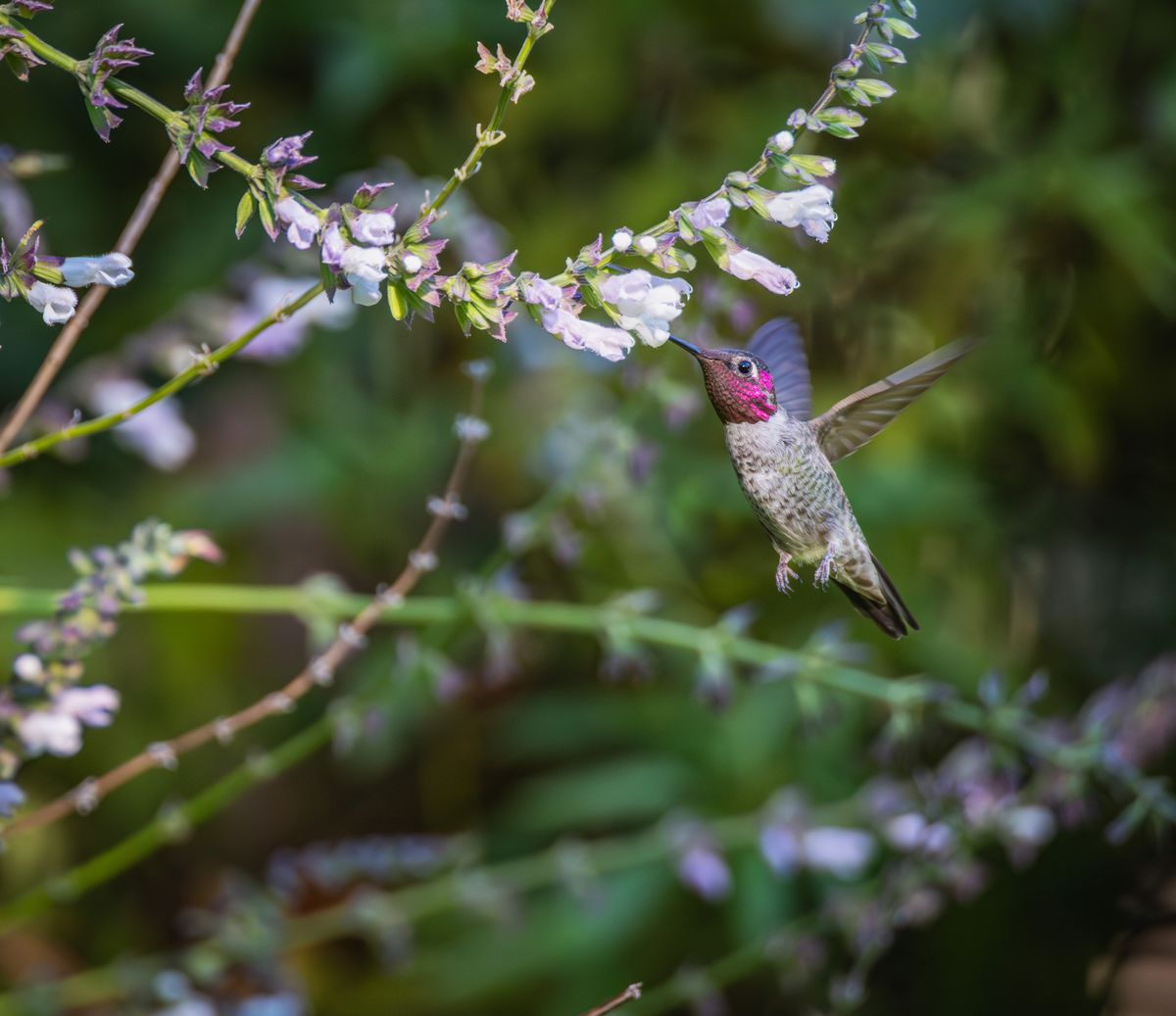
Overnight freeze protection strategies vary across North American migratory flyways. Use these temperature-indexed adjustments to keep nectar liquid during sudden frost snaps.
1. Northern Flyway (US Hardiness Zones 3–5)
First autumn frosts routinely arrive by late September. Switch to a 1:3 sugar-to-water ratio when overnight lows fall between 27°F and 31°F. Because hand-blown glass provides natural thermal insulation, bringing feeders indoors after dark (around 8:00 PM) and rehanging them at first twilight (6:30 AM) ensures zero ice formation while supplying instant 70°F energy to waking birds.2. Central & Transition Flyway (Zones 6–7)
November brings erratic temperature swings, featuring 60°F sunny afternoons followed by 28°F overnight freezes. The high fluid mass of a 32 fl. oz capacity reservoir prevents rapid freeze-thaw cycles. Keep solar caps cleared of fallen leaves so internal batteries achieve a 100% full charge for dusk illumination.3. Southern & Coastal Flyway (Zones 8–10)
While hard freezes are rare before January, late migrants and overwintering Rufous hummingbirds rely heavily on feeders from October through March. Maintain a consistent 1:4 sugar ratio, increasing to 1:3 only during infrequent winter storm warnings.Late Autumn Hummingbird Feeder Preparation Checklist
- [ ] Check 10-day local weather forecasts daily for overnight frost advisories.
- [ ] Adjust nectar solution to a 1:3 ratio (1 cup sugar to 3 cups water) if temperatures drop below 29°F (-1.6°C).
- [ ] Bring glass feeders indoors overnight during hard freezes (< 25°F) and rehang at first light.
- [ ] Inspect hand-blown glass and anti-rust metal bases for frost damage or hairline fractures.
- [ ] Ensure solar caps receive at least 6 hours of direct sunlight to illuminate feeder for late dusk arrivals.
- [ ] Keep feeder hanging for 14 full days (336 hours) after observing your final seasonal straggler.
Fall Hummingbird Migration FAQ
Will leaving my hummingbird feeder out in fall prevent birds from migrating?
No. Migration is instinctively triggered by changes in day length (photoperiod) and internal hormonal cycles, not food availability. Feeders provide vital refueling stations for birds migrating from further north.
How long should I keep my feeder up after seeing the last hummingbird?
Keep feeders clean, fresh, and hanging for at least 14 days (2 weeks) after your last sighting. This ensures late stragglers, injured birds, or wind-blown migrants find fuel when natural blooms are gone.
How do I keep hummingbird nectar from freezing in cold weather?
Increase your sugar ratio slightly to 1:3 (1 cup white cane sugar to 3 cups warm water). This lowers the freezing point to 27°F (-2.8°C). Alternatively, rotate two feeders by bringing one indoors overnight.
Will solar RGB lights disrupt a hummingbird's roosting or nocturnal rest in late fall?
No. Hummingbirds enter deep nocturnal torpor high in dense tree foliage away from feeders. Gentle solar twilight illumination simply helps late dusk arrivals locate food during the final 30 minutes before nightfall.
What should I do if I find a cold-stunned hummingbird in late autumn?
If the bird is perched, leave it alone as it may simply be in torpor. If grounded or helpless, place it safely in a warm cardboard box with ventilation, keep it dark, and contact a licensed wildlife rehabilitator immediately.
Get fast, accurate scientific answers to common autumn hummingbird feeding questions.
Related Seasonal Hummingbird Care Guides
- Best Hummingbird Feeders for Fall Migration: High-Capacity & Weatherproof Guide
- Fall Hummingbird Nectar Ratio: 3:1 Recipe & Migration Calculator
- Best Hummingbird Feeder Setup for Fall Migration (2025 Guide)
Actionable Next Steps for Backyard Birders
Your decision: Determine whether local 10-day overnight forecasts require upgrading your nectar recipe to a 1:3 freeze-resistant mixture.
Do this next: Mark your calendar for 14 full days following your last hummingbird sighting before storing your feeder for winter.
- Read next: Nighttime Garden Safety for Roosting Hummingbirds: Autumn Twilight Feeding Tips
LUJII Hand-Blown Glass Solar Hummingbird Feeder for frost-resistant 32 fl. oz nectar storage and twilight RGB visibility.
Take immediate steps to protect late autumn migrants while preparing your garden for cold weather.
Cover photo by A. G. Rosales on Pexels.