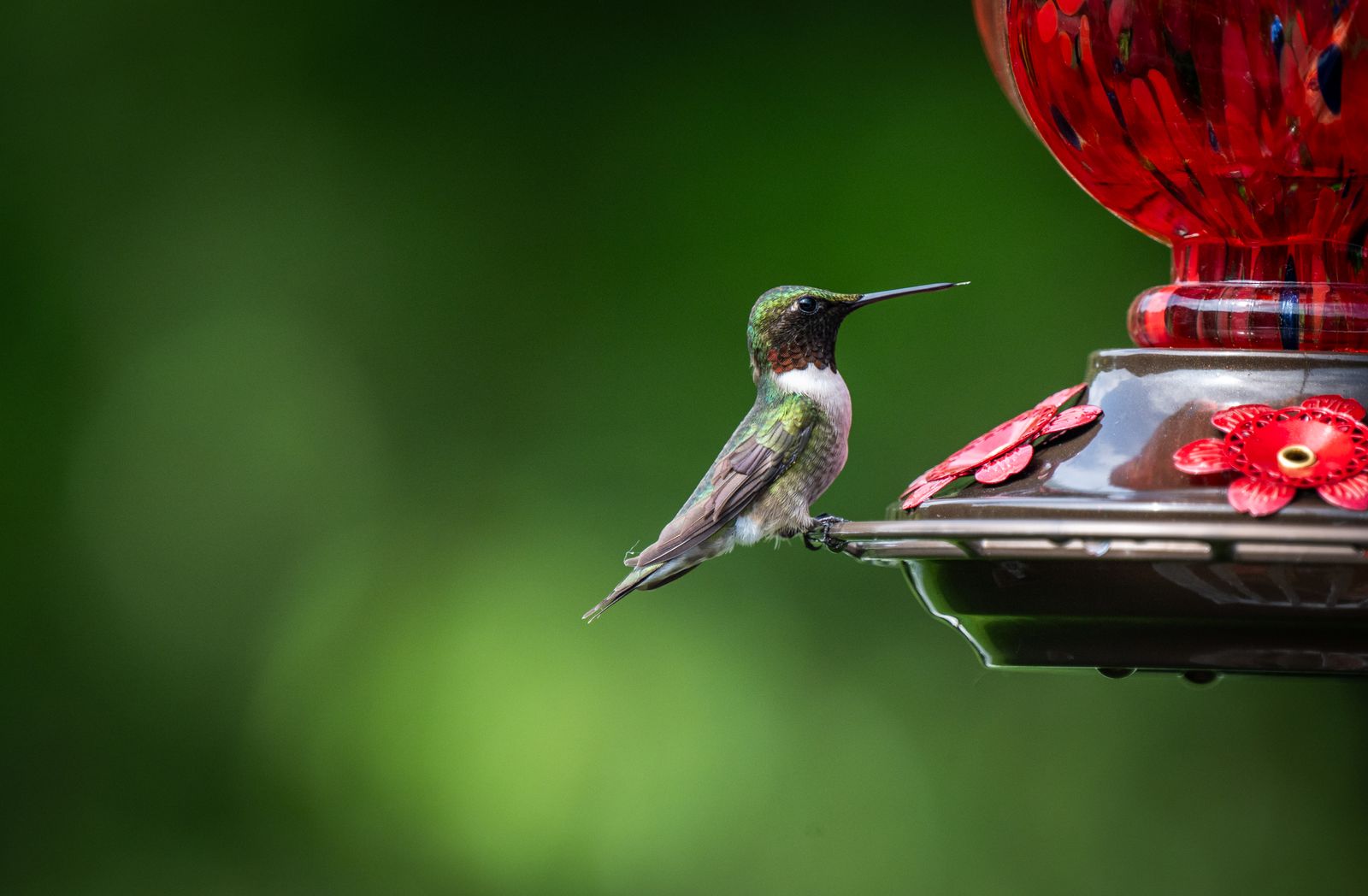
Standard Hummingbird Nectar Ratio: Easy 4:1 DIY Recipe & Interactive Calculator
The standard hummingbird nectar ratio is 4 parts water to 1 part pure refined white cane sugar (such as 4 cups of water to 1 cup of sugar). Stir thoroughly until all sugar crystals dissolve completely. Boiling is optional for small daily batches but recommended to delay microbial fermentation in stored batches. Never add red food dye, honey, brown sugar, or organic raw sugars.
Interactive DIY Nectar Batch Calculator
Use this dynamic batch calculator to measure precise water and sugar requirements tailored to your specific feeder volume. Whether you are filling a compact 8 fl. oz reservoir or a high-capacity 32 fl. oz hand-blown glass solar feeder, this tool eliminates guesswork and prevents wasted sugar solution.
Safe vs. Dangerous Sugars for DIY Hummingbird Nectar
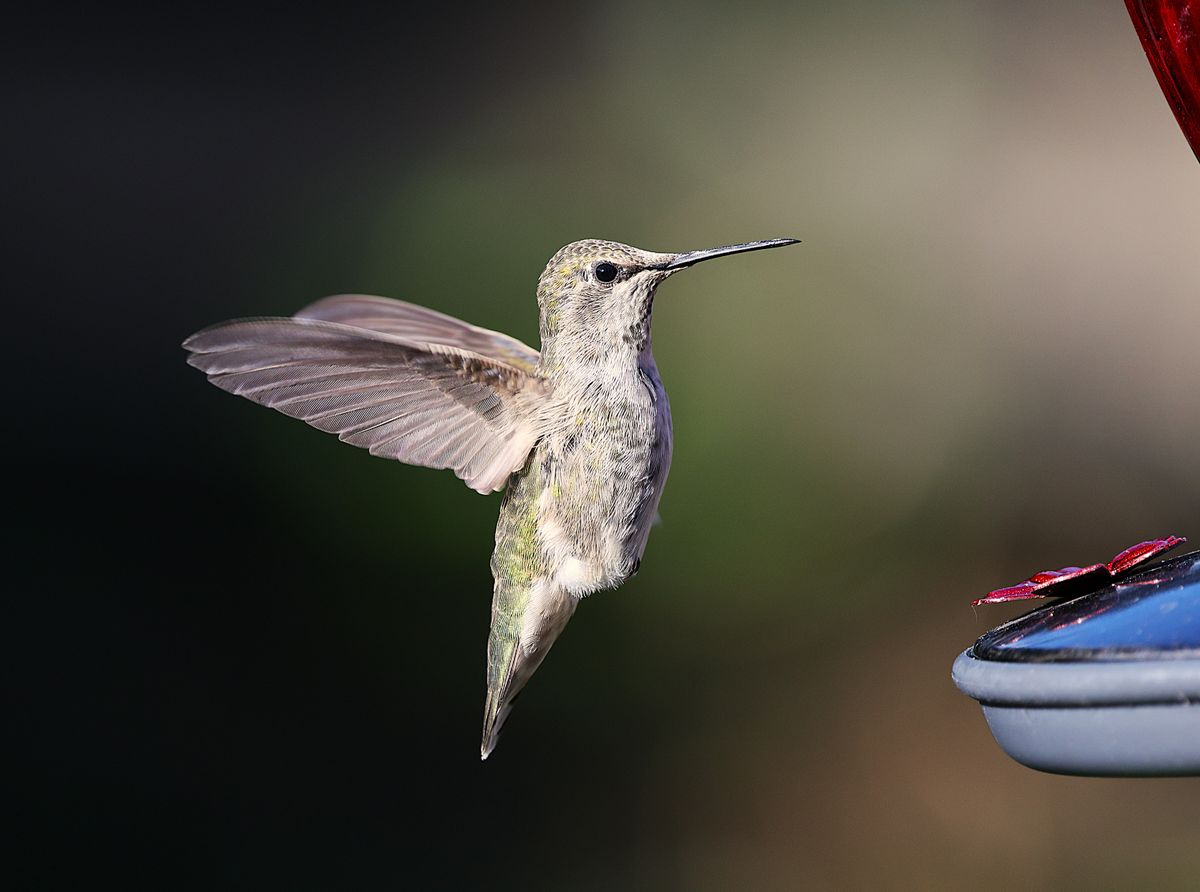
Photo by Veronika Andrews on Pexels
| Criteria / Indicator | Refined White Cane/Beet Sugar | Organic, Raw, or Turbinado Sugar | Pure Natural Honey | Artificial Sweeteners / Stevia |
| --- | --- | --- | --- | --- |
| Primary Chemical Component | Pure Sucrose (~99.9%) | Sucrose + Molasses Trace | Fructose + Glucose + Spores | Zero-Calorie Compounds |
| Avian Energy Digestibility | Ideal; mimics natural flower nectar | Digestible but chemically contaminated | Poor; dense fructose requires heavy liver processing | Zero caloric energy; causes rapid starvation |
| Iron Storage Disease Risk | None (Iron filtered out in refining) | CRITICAL HIGH (Molasses residue rich in iron) | Low to Moderate | None |
| Bacterial & Fungal Spore Hazard | Low when cleaned regularly | Moderate; unrefined impurities accelerate fermentation | FATAL HIGH (Candida fungus causes tongue disease) | Low, but birds starve |
| Avian Safety Grade & Recommendation | SAFE & RECOMMENDED (10/10) | UNSAFE / TOXIC (0/10) | LETHAL HAZARD (0/10) | LETHAL HAZARD (0/10) |
Hummingbirds possess hyper-metabolic systems that require pure sucrose matching natural floral nectar (~20–25% concentration). Using improper sugar sources introduces lethal pathogens or toxic mineral concentrations.
Expert Pro Tip: Dissolving, Cooling, and Shelf-Life Science
When mixing a fresh batch of 4:1 nectar, you do not need to bring the entire liquid volume to a rolling boil for 10 minutes. Doing so evaporates excess water, unintentionally concentrating the sugar ratio into a heavy syrup that strains hummingbird kidney function.
The Optimal Prep Routine: Heat half of your measured water until hot or near boiling, add the measured white cane sugar, and stir for 30 seconds until the liquid is crystal clear. Then, pour in the remaining half as cold filtered water to instantly bring the entire batch down to room temperature. Never fill a glass feeder with hot liquid, as sudden thermal expansion can stress fine glass craftsmanship or accelerate early nectar spoilage.
4 Critical DIY Nectar Mistakes to Avoid
Even well-meaning bird lovers accidentally harm visiting hummingbirds by falling for persistent backyard myths. Guard your garden sanctuary against these four fatal mistakes:
Frequently Asked Questions About Nectar Ratios
Get rapid clarity on boiling rules, seasonal formulation changes, and safe feeding practices.
Intermediate Step: Prepare Your Storage Container
Your decision: Choose whether you are mixing an immediate fill or preparing a 2-week refrigerated batch.
Do this next: Sanitize your storage bottle with warm water and pure white vinegar before filling.
- Read next: homemade vs store-bought nectar comparison
LUJII Solar-Powered Hand-Blown Glass Hummingbird Feeder
Once you have selected your ideal batch volume, prepare a clean glass pitcher or glass storage bottle. If you plan to store extra nectar in the refrigerator, ensure the container has an airtight seal to prevent absorbing scents from garlic or onion foods in your fridge.
Core Takeaways for Safe DIY Hummingbird Feeding
Keep these non-negotiable rules in mind every time you mix a fresh batch of nectar for your garden feeders.
Batch Sizing Scenarios for Common Feeder Capacities
Small Feeder (8 fl. oz / 1 Cup Capacity) — Mix 1 cup (8 fl. oz) of water with 1/4 cup (4 tablespoons / ~50 grams) of white cane sugar. Perfect for early spring when only 1–2 territorial scouts visit your garden.
Medium Feeder (16 fl. oz / 2 Cups Capacity) — Mix 2 cups (16 fl. oz) of water with 1/2 cup (8 tablespoons / ~100 grams) of white cane sugar. Ideal standard daily size for average mid-summer garden visitation.
Large Feeder (32 fl. oz / 4 Cups Capacity - e.g., LUJII Artisan Glass Feeder) — Mix 4 cups (32 fl. oz) of water with 1 cup (16 tablespoons / ~200 grams) of white cane sugar. Fills a full 32 fl. oz artisan reservoir to sustain active backyard colonies without mid-day dryouts.
Match your mixing measurements directly to your physical feeder capacity to maintain fresh nectar and avoid pouring unused sugar down the drain.
5-Step Safe Nectar Preparation Checklist
- [ ] Measure 4 parts clean tap or filtered water to 1 part pure refined white cane sugar.
- [ ] Heat water slightly or stir vigorously until sugar crystals dissolve completely.
- [ ] Allow nectar to reach room temperature before filling glass reservoirs.
- [ ] Store unused extra nectar in a sealed glass container in the refrigerator for up to 14 days.
- [ ] Flush and scrub feeder with warm water every 2 to 3 days (daily in 90°F+ heat).
Printable 4:1 Nectar Recipe Cheat Sheet
- STANDARD FORMULA: 4 Parts Water : 1 Part Pure White Cane Sugar
- MIGRATION FORMULA: 3 Parts Water : 1 Part Pure White Cane Sugar (Cold snaps / Fall journey)
- 1-Cup Batch: 1 cup water + 1/4 cup white sugar
- 2-Cup Batch: 2 cups water + 1/2 cup white sugar
- 4-Cup Batch (32 oz): 4 cups water + 1 cup white sugar
- SAFETY RULES: No red dye | No honey | No raw/organic sugar | No artificial sweeteners
- CLEANING SCHEDULE: Warm water & brush scrub every 2-3 days (Daily in 90°F+ summer heat)
Explore Related Nectar Care Guides
Deepen your backyard birding expertise with our comprehensive library of nectar preparation and feeder care tutorials.
Recommended Feeders for Fresh Nectar
Complement your homemade 4:1 nectar with an illuminated hand-blown glass feeder designed to keep nectar fresh, visible, and drip-free.
Next Steps: Bring Your Garden Sanctuary to Life
Your decision: Determine your feeder's total liquid capacity and calculate your target water and sugar volumes.
Do this next: Mix a fresh batch of 4:1 white cane sugar nectar using our calculator, fill your transparent glass reservoir, and enjoy daytime birdwatching followed by magical evening garden ambient lighting.
- Read next: Hot Weather Nectar Ratios: How to Keep Hummingbird Food Fresh in Summer
Upgrade your garden viewing with the LUJII Hand-Blown Glass Solar Hummingbird Feeder featuring a leak-proof 32 fl. oz see-through glass reservoir for simple nectar monitoring.
Now that you know the exact standard hummingbird nectar ratio, take action to elevate your outdoor viewing experience day and night.