Winter Solar Garden Lights Protection: Glass & Battery Care Guide
Apply the 40°F (4°C) rule: bring hand-blown glass solar feeders indoors as soon as nighttime temperatures touch 40°F. While standard 4:1 sugar nectar freezes at 27°F (-3°C), rapid temperature swings risk creating micro-fractures in 2,300°F artisanal glass art. Switch plastic solar caps to OFF, clean sealing gaskets, and store rechargeable NiMH batteries at 50% charge inside a dry 50°F–70°F room.
Essential Winterization Highlights
- 40°F Threshold: Hand-blown glass must enter climate-controlled indoor storage before nighttime lows reach 40°F (4°C).
- 9% Volume Expansion: Water expands by ~9% when freezing, producing up to 30,000 PSI of pressure that can instantly shatter handcrafted glass reservoirs.
- 50% Battery Charge: Store NiMH solar batteries at 50% capacity in 50°F–70°F indoor rooms with power switches toggled to OFF.
- 1:1 Vinegar Soak: Dissolve white mineral scale using a 1:1 ratio of lukewarm water and distilled white vinegar—never hot tap water.
- 98% Sunlight Reduction: A thin 1/8-inch snow layer blocks 98% of solar panel light intake, driving batteries into permanent deep-discharge.
Fall-to-Winter Weatherization Timeline
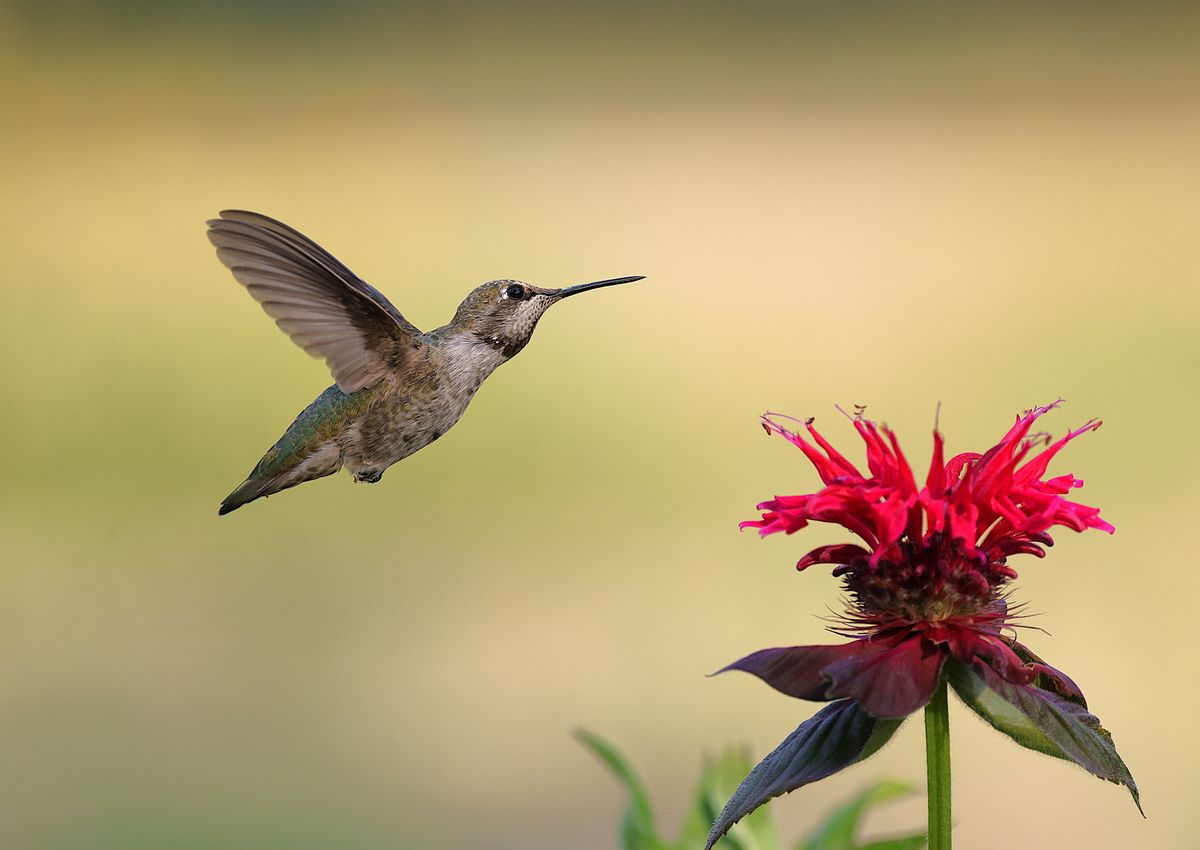
Photo by Veronika Andrews on Pexels
- Early Fall (50°F / 10°C) — Deep clean glass reservoirs with a 1:1 lukewarm water and white vinegar solution. Inspect silicone sealing gaskets on the plastic solar cap.
- Late Fall (40°F / 4°C) — Bring hand-blown glass solar feeders indoors. Drain 100% of liquid nectar to eliminate ice expansion hazards.
- First Frost (32°F / 0°C) — Power down solar housing (Toggle switch to OFF). Store NiMH rechargeable batteries indoors at 50% charge level.
- Deep Winter (<20°F / -7°C) — Perform a 45-day indoor battery check. Confirm anti-rust coated metal bases are completely dry and stored off damp floors.
Indoor Storage Battery Maintenance Routine
- Day 1 (Storage Intake) — Wipe plastic solar cap with a soft microfiber cloth. Toggle power switch to OFF. Ensure battery holds approximately 50% charge state.
- Day 45 (Mid-Winter Check) — Inspect storage bin for humidity buildup. Toggle switch ON under a bright indoor light fixture for 2 hours to top off battery voltage.
- Day 90 (Pre-Spring Inspection) — Test multi-mode RGB LED light functions. Re-check silicone sealing ring elasticity around the solar cap before spring outdoor deployment.
Artisan Glass Thermal Shock Prevention
Master Glassmaker Advice: Hand-blown glass shaped at 2,300°F carries subtle internal tension lines that make it stunningly unique. However, these structural lines react sharply to sudden thermal changes. Never wash a cold glass reservoir under hot tap water (above 100°F). A temperature differential exceeding 30°F within 5 seconds creates microscopic stress fractures. Always use lukewarm water (70°F–80°F) when washing artisanal glass art.
5 Fatal Cold-Weather Mistakes That Ruin Solar Decor
Avoid these common cold-weather pitfalls that can destroy hand-blown glass art and permanently disable solar battery electronics.
Winterizing Diagnostics: Cold Weather Issues & Solutions
| Symptom | Root Cause | Winter Remedy |
| --- | --- | --- |
| RGB LEDs flash erratically or fail at dusk | NiMH battery voltage dropped below 1.0V due to freezing cold | Bring solar cap indoors, warm to 68°F, charge manually under light, store with switch OFF. |
| Fine hairline crack along glass reservoir neck | Thermal shock from hot water washing or ice expansion from freezing nectar | Inspect reservoir with a flashlight; retire cracked glass art to dry indoor display use. |
| White chalky mineral film inside glass body | Hard water minerals reacting with residual sugar nectar solution | Soak reservoir in 1:1 lukewarm water and distilled white vinegar for 20 minutes; brush gently. |
| Rust spots on metal base or hanging loop | Chipped anti-rust coating exposed to standing melt water | Dry completely, sand spot gently with fine grit paper, touch up with outdoor clear rust-inhibitor. |
Use this side-by-side diagnostic table to identify and fix cold-weather symptoms before permanent structural or electronic damage occurs.
Temperature Threshold Matrix: What to Do at Every Degree
| Temperature (°F) | Artisanal Glass Action | Solar Electronics Action | Battery Protocol |
| --- | --- | --- | --- |
| 50°F and Above | Active outdoor deployment; monitor nectar freshness | Full solar charging; 8-hour RGB light runtime | Auto-charging via daytime sunlight |
| 40°F to 49°F | Prepare for indoor intake; wash with 1:1 vinegar water | Inspect plastic solar cap gaskets for cracks | Normal outdoor operation; monitor nighttime drops |
| 32°F to 39°F | BRING INDOORS IMMEDIATELY. Drain 100% of nectar. | Wipe solar panel clean; prep indoor storage bin | Toggle switch to OFF; store battery at 50% charge |
| Below 32°F | Store in climate-controlled room (50°F–70°F) | Store solar cap in dry, low-humidity storage container | Maintain 50% charge state; inspect every 45 days |
Align your garden maintenance routine with real-time temperature drops to protect both artisanal glass components and solar electronics.
Your Winterization Action Plan
Your decision: Check your local 7-day temperature forecast for nighttime lows hitting 40°F.
Do this next: Perform the 5-step winterization routine: clean hand-blown glass in lukewarm vinegar water, dry anti-rust metal bases, and store solar batteries at 50% charge indoors.
- Read next: Summer Storm Protection: Weatherproofing Your Glass Solar Feeder
- Read next: How to Illuminate Your Nighttime Garden: Seasonal Solar Bird Decor
Elevate your spring garden setup with the artisan-crafted LUJII Solar-Powered Hummingbird Feeder featuring hand-blown glass and multi-mode RGB lighting.
Take these immediate steps to safeguard your garden art investments before freezing weather arrives.
Winter-Ready Storage & Artisanal Garden Essentials
When selecting solar garden art, investing in premium materials makes winterization seamless and ensures long-term multi-season durability.
Side-by-Side: Indoor Storage vs. Year-Round Outdoor Deployment
| Winter Strategy | Hand-Blown Glass Risk | NiMH Battery Lifespan | RGB Light Runtime | Maintenance Effort |
| --- | --- | --- | --- | --- |
| Full Indoor Storage (<40°F) | 0% crack risk (Shielded from thermal shock & ice) | 3 to 5 years (Capacity preserved at 50% charge) | Full 8-hour nighttime illumination restored in spring | Low (10 mins intake in autumn, 10 mins setup in spring) |
| Year-Round Outdoor Exposure | 85% crack risk (Ice expansion up to 30,000 PSI) | Sub-1 year (Freezing drains cell voltage permanently) | Severely reduced runtime due to snow and solar lens fogging | High (Constant snow clearing & thaw monitoring) |
Comparing structural risks and component lifespans between storing solar decor indoors versus leaving it exposed to winter elements.
Should You Keep Your Solar Lights Out This Winter?
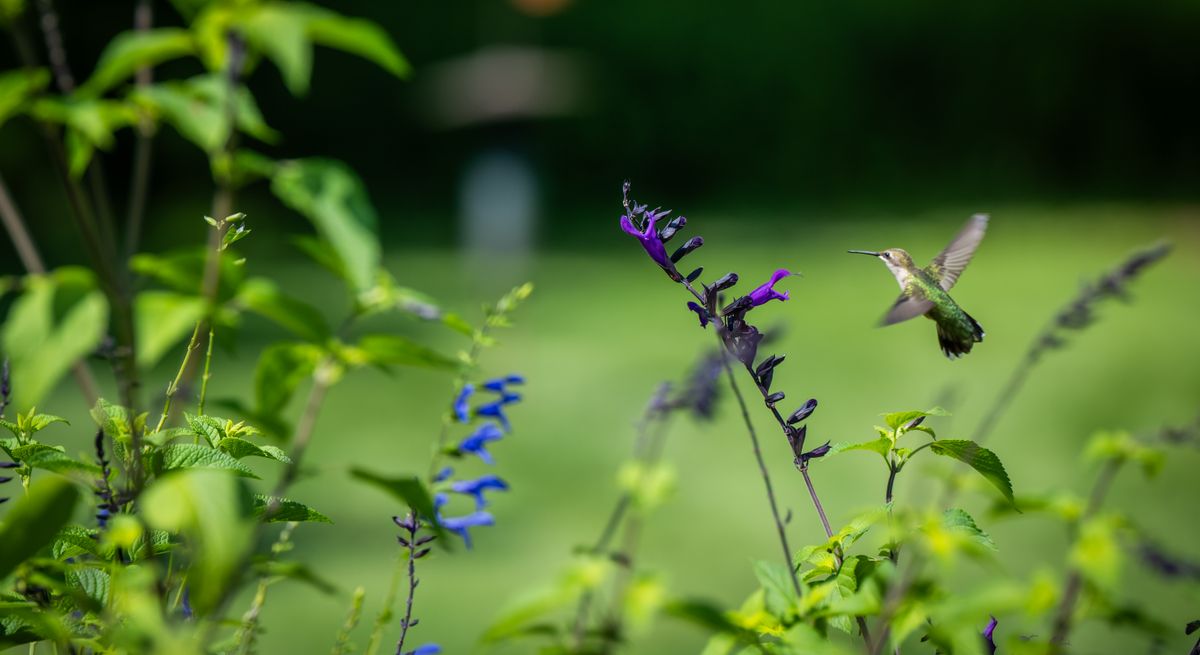
Determine whether your local winter drops below 40°F to choose between full indoor storage or modified winter outdoor placement.
Best choice for
- Full Indoor Winterization — Protects 2,300°F hand-blown glass from 30,000 PSI ice expansion and keeps solar NiMH batteries above critical voltage drop.
- Year-Round RGB Garden Illumination — Maintains 8 hours of ambient nighttime glow without risking liquid nectar freezing or glass micro-fractures.
- Leaving standing nectar inside glass reservoirs when ambient temperatures dip below 32°F
- Storing plastic solar cap modules with power switches left in the 'ON' position inside dark closets
- Dedicated Heated Winter Feeders — If hosting overwintering Anna's hummingbirds, swap artisanal solar glass feeders for dedicated heated plastic models during sub-zero stretches.
Material Resistance Matrix: Glass, Metal, Plastic & Solar Seals
| Component Material | Crafting / Specification | Minimum Temp Tolerance | Primary Winter Vulnerability | Key Care Protocol |
| --- | --- | --- | --- | --- |
| Hand-Blown Glass Reservoir | 2,300°F Artisanal Handcrafted | 40°F (4°C) Operational | Thermal shock & liquid ice expansion | Soak in 1:1 lukewarm vinegar; store completely dry |
| Coated Metal Base & Hook | Anti-Rust Weatherproof Finish | -10°F (-23°C) Structural | Moisture trapping in joints causing rust | Wipe dry thoroughly; store elevated off wet surfaces |
| Plastic Solar Cap Shield | UV-Resistant Shield Housing | -20°F (-29°C) Housing | Freeze-thaw seal displacement & clouding | Clean panel lens; inspect silicone waterproof gasket |
| NiMH Rechargeable Battery | 1.2V Solar Storage Cell | 32°F (0°C) Operational | Permanent capacity loss below 0.9V cell drop | Store indoors at 50% charge with switch set OFF |
Understand the exact cold tolerance ratings and primary vulnerabilities of each component integrated into your solar hummingbird feeder.
USDA Hardiness Zone Cold Weather Protocols
Tailor your end-of-season routine according to your specific USDA Plant Hardiness Zone:
- USDA Zones 3–5 (Severe Winters, <0°F Lows): Complete indoor winterization required by October 15. Store batteries at 50% charge in a room kept between 50°F–70°F.
- USDA Zones 6–7 (Moderate Winters, 0°F to 20°F Lows): Complete indoor intake by November 1. Wash glass thoroughly with lukewarm vinegar water before storing.
- USDA Zones 8–11 (Mild Winters, 20°F to 50°F Lows): Glass art can remain outdoors if temperatures consistently stay above 40°F. Keep solar panels wiped clear of frost and fallen leaves.
Printable End-of-Season Winterization Checklist
- [ ] 1. Drain all liquid nectar from hand-blown glass reservoirs when nighttime temperatures touch 40°F.
- [ ] 2. Wash glass art using equal parts warm water and distilled white vinegar to dissolve mineral scale.
- [ ] 3. Dry metal bases thoroughly and inspect anti-rust coating for chips or moisture trap points.
- [ ] 4. Switch off solar power housing; remove rechargeable batteries and store them at 50% charge in a room kept between 50°F–70°F.
- [ ] 5. Wipe plastic solar caps with a soft microfiber cloth; inspect silicone waterproof gaskets for cracks before storing in a dry bin.
Frequently Asked Questions About Winter Solar Care
Answers to common reader questions regarding solar rechargeable batteries, artisanal glass protection, and winter bird care.
Explore More Garden Lighting & Decor Guides
Expand your knowledge on handcrafted garden art and seasonal lighting care with these complementary topics:
Summer Storm Protection: Weatherproofing Your Glass Solar Feeder Setup* How to Illuminate Your Nighttime Garden: A Seasonal Guide to Solar Bird Decor* Hand-Blown Glass vs. Plastic Hummingbird Feeders: Why Artisan Craftsmanship Wins*
Final Summary & Spring Preparation
Your decision: Determine if your regional winter drops below 40°F (4°C) regularly.
Do this next: Inspect your solar lights and hand-blown glass feeders today; wash reservoirs in lukewarm vinegar water, remove batteries, and store them indoors before freezing weather strikes.
- Read next: Summer Storm Protection: Weatherproofing Your Glass Solar Hummingbird Feeder Setup
- Read next: How to Illuminate Your Nighttime Garden: A Seasonal Guide to Solar Bird Decor
Protect your artisanal garden investments with the LUJII Solar-Powered Hummingbird Feeder for beautiful multi-season lighting.
Taking 15 minutes today to protect your solar hummingbird feeder guarantees years of vibrant RGB lighting and bird watching delight.
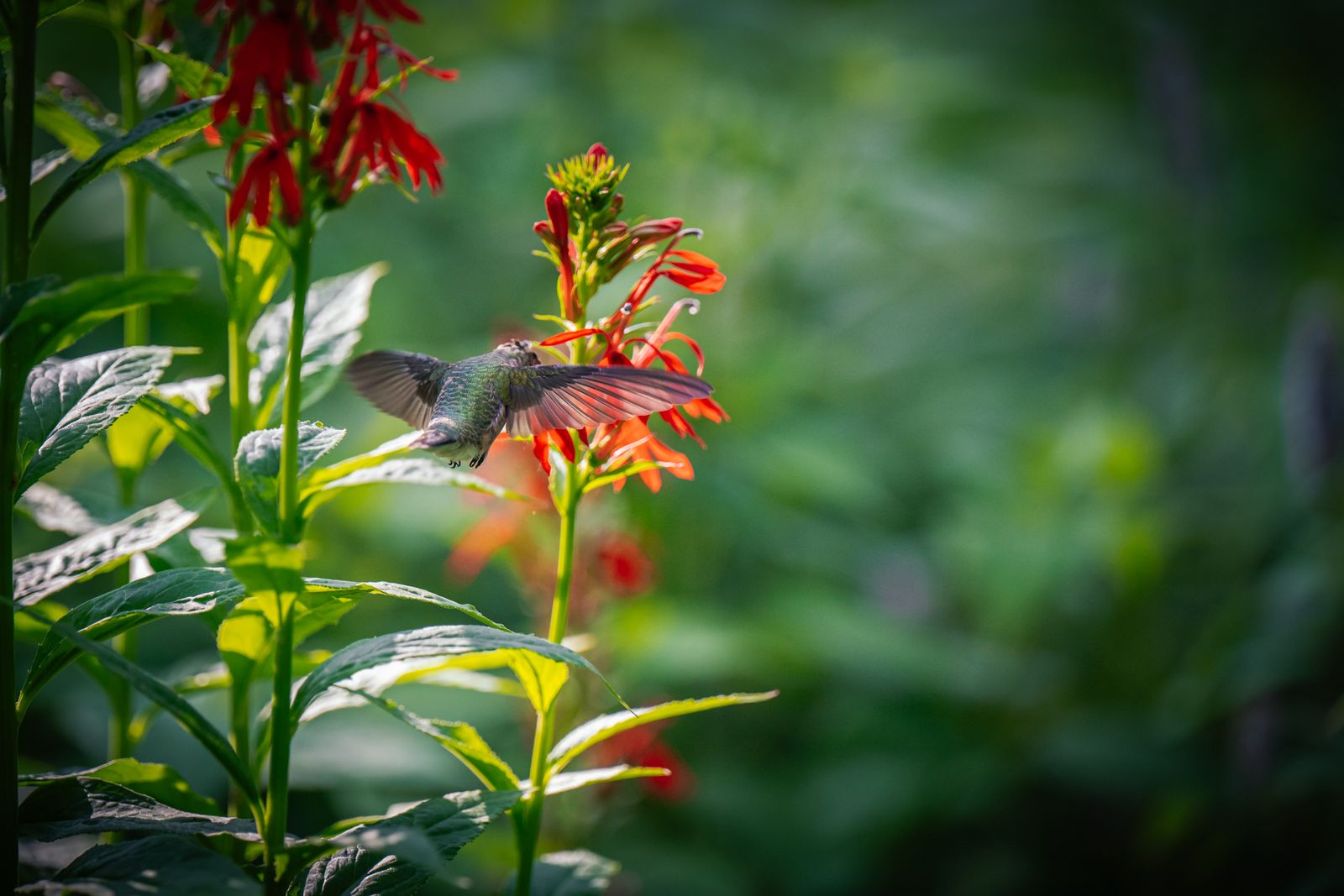
Cover photo by Chris F on Pexels.