How to Store a Solar Hummingbird Feeder for Winter: Complete Glass & Battery Care Guide
Should you bring your solar-powered hand-blown glass hummingbird feeder inside for the winter? Absolutely. To prevent 2,300°F artisan glass from freeze-shattering and shield RGB solar caps from moisture oxidation, wait 14 days after your last hummingbird sighting. Fully disassemble the unit, sanitize with warm vinegar, switch off the solar battery module, and store indoors between 45°F and 75°F.
Step-by-Step Winterization & Storage Checklist
- [ ] Wait 14 days after the last hummingbird sighting before taking the feeder down.
- [ ] Unscrew the solar module top cap carefully and wipe moisture off the internal seals.
- [ ] Toggle the solar light switch to the 'OFF' position to prevent battery drain in storage.
- [ ] Separate the hand-blown glass reservoir from the metal base and remove the silicone gasket.
- [ ] Soak glass bottle in a solution of 1 part white vinegar to 4 parts warm water for 30 minutes.
- [ ] Scrub nectar bottle interior with a soft sponge (avoid wire brushes on hand-blown art glass).
- [ ] Rinse thoroughly with clean water and allow all components to air-dry completely for 24 hours.
- [ ] Inspect silicone O-ring gasket for cracks or stiffness; apply food-grade silicone grease if needed.
- [ ] Wrap hand-blown glass bottle in 2 layers of bubble wrap.
- [ ] Store all components in a temperature-controlled indoor space (45°F–75°F) off the concrete floor.
Printable Autumn Takedown & Spring Prep Summary
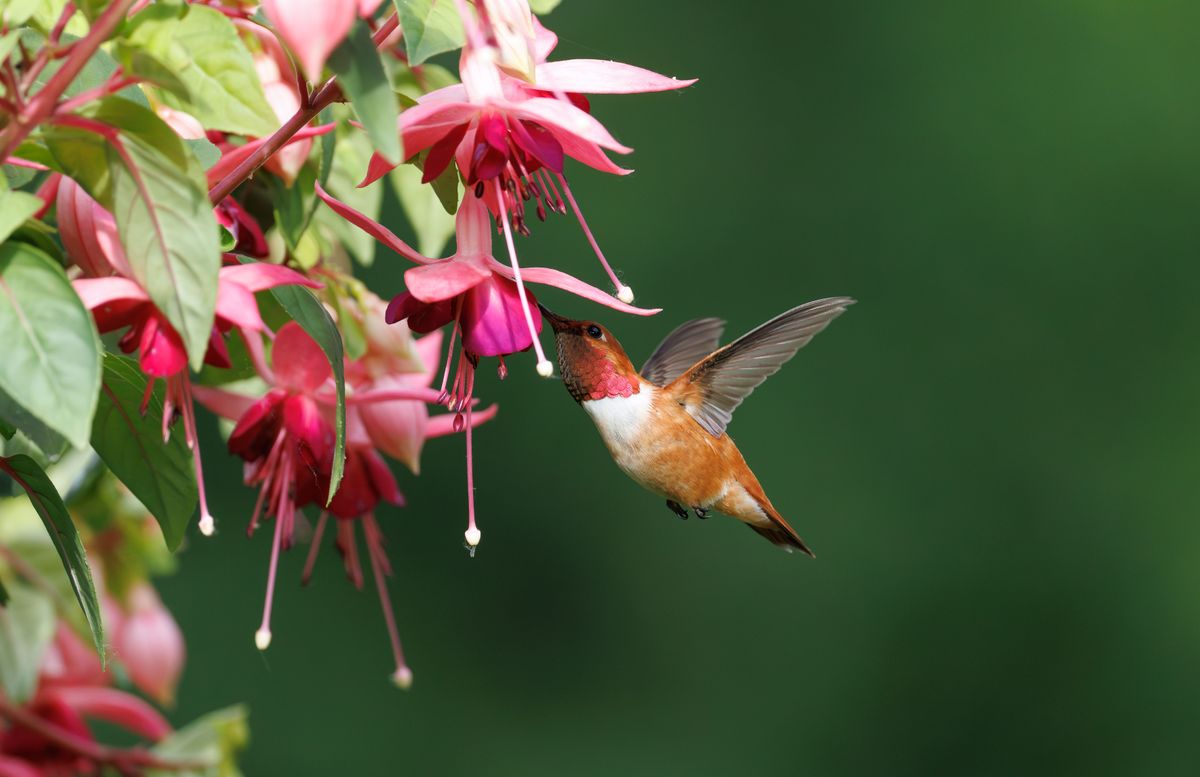
Photo by Veronika Andrews on Pexels
- TAKEDOWN TIMING: 14 days post-last sighting (supports late southbound migrants).
- CLEANING SOAK FORMULA: 1 part distilled white vinegar to 4 parts warm water (30-min soak).
- SOLAR BATTERY RULE: Toggle switch to OFF; wipe terminals dry; store between 45°F and 75°F.
- GLASS PROTECTION: Air-dry 24 hours; wrap in 2 layers of bubble wrap; store off concrete floors.
- GASKET MAINTENANCE: Remove silicone O-ring; inspect for micro-cracks; coat with food-grade silicone lubricant.
- SPRING REHANG TARGET: Reinstall 1 to 2 weeks before expected regional migration arrival.
Master Glassmaker & Solar Tech Pro-Tips
Micro-Stress Line Preservation in Hand-Blown Art Glass
Hand-blown glass reservoirs—such as those handcrafted at 2,300°F—possess unique internal swirl patterns and optical clarity. However, rapid temperature shifts cause differential thermal contraction along these decorative swirls. Never rinse cold winter glass with hot water, and never store glass directly on uninsulated cold concrete garage slabs, which pull heat rapidly and induce thermal shock.Rechargeable Battery Self-Discharge & Chemistry Protection
Most solar caps utilize rechargeable Ni-MH (Nickel-Metal Hydride) batteries. When left in the 'ON' position inside a dark storage box, the battery attempts to power the RGB lights until completely drained below 0.9V, causing irreversible cell polarity reversal. Switching the unit 'OFF' and storing it at room temperature prevents deep discharge and extends total battery lifespan by up to three years.Your Winterization Action Plan & Next Steps
Your decision: Determine your local average first-freeze date and schedule your feeder takedown for 14 days after your last hummingbird sighting.
Do this next: Disassemble your solar feeder today: soak glass in a 1:4 white vinegar solution, turn off the solar cap switch, store the battery indoors at room temperature, and wrap glass in protective bubble wrap.
- Read next: How to Clean & Maintain Your Hand-Blown Solar Feeder
- Read next: Hummingbird Feeder Gasket & O-Ring Maintenance FAQ
Explore our LUJII Hand-Blown Solar Hummingbird Feeder collection for durable, leak-proof designs made with heritage 2,300°F art glass.
Take immediate steps today to safeguard your garden investment before the first hard freeze hits.
Core Principles of Off-Season Feeder Care
Keep these essential protection rules in mind every autumn when preparing your garden for frost:
Off-Season Storage Schedule & Environmental Scenarios
- Extreme Freezing Sub-Zero Zone (USDA Zones 3–6) — Complete full indoor removal before first hard freeze. Wrap glass reservoir in heavy bubble wrap and store inside a heated living space (60°F–72°F) to protect hand-blown glass from extreme thermal stress.
- High Humidity / Coastal Winter Zone (USDA Zones 7–8) — Remove solar cap, clean terminals with isopropyl alcohol, and seal solar module in an airtight container with a desiccant pack to prevent saltwater oxidation on metal contacts.
- Mild / Moderate Winter Zone (USDA Zones 9–11) — If winter temperatures remain above freezing, complete a deep vinegar sterilizing wash, inspect silicone seals, and rehang for year-round resident hummingbirds (e.g., Anna's Hummingbirds).
Costly Winter Storage Failures (And How to Avoid Them)
Failing to winterize your solar feeder properly can ruin both its aesthetic beauty and functional electronics. Avoid these four common operational traps:
Seasonal Takedown-to-Rehang Migration Timeline
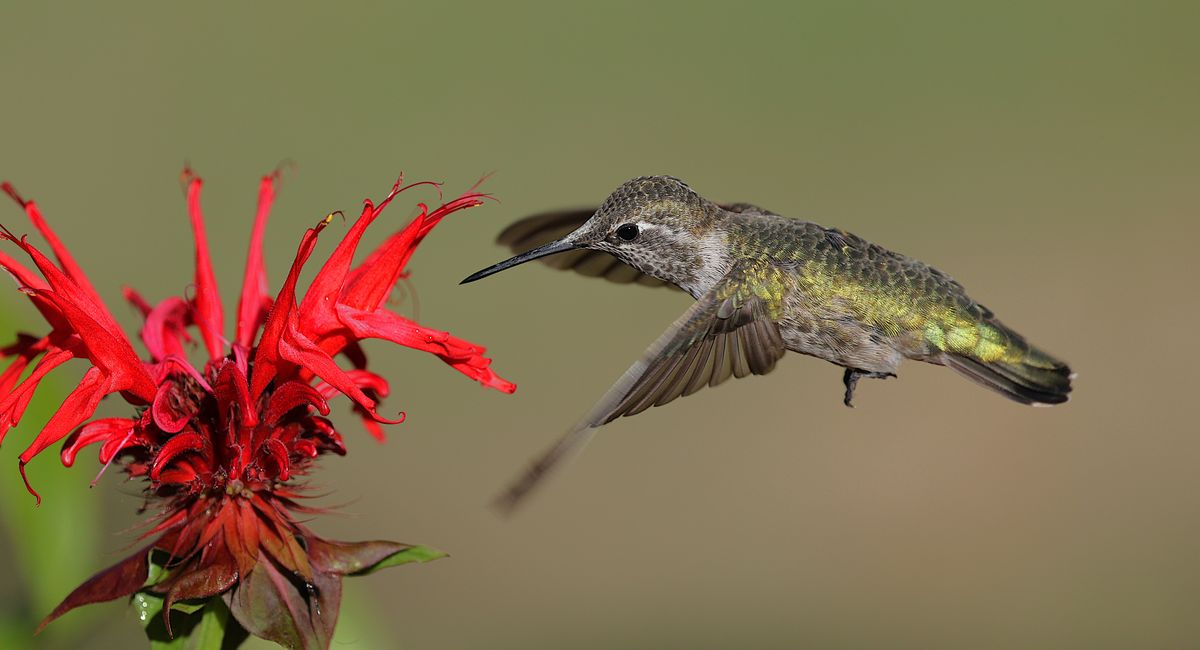
Photo by Veronika Andrews on Pexels
- Late Summer (August – Early September) — Monitor daily feeder traffic. Clean and sanitize glass every 3 days during warm autumn afternoons.
- Early Autumn (September – October) — Note the date of your last hummingbird sighting. Keep the feeder clean, fresh, and filled for 14 days after this date.
- Mid Autumn (Late October – November) — Execute the 10-step disassembly, vinegar soak, 24-hour air-dry, solar switch shutoff, and indoor storage packaging.
- Mid Winter (January) — Perform a mid-winter solar battery sanity check: ensure components are kept dry and at room temperature.
- Early Spring (March – May) — Inspect glass for stress cracks, re-grease silicone seals, conduct a 1-day daylight battery test, and hang feeders 1-2 weeks before expected migration arrivals.
Essential Guides for Feeder Maintenance
Expand your garden knowledge with our comprehensive care and wildlife guides:
- How to Clean and Maintain Your Hand-Blown Solar Hummingbird Feeder — Deep sanitization, nectar hygiene, and glass preservation techniques.
- Hummingbird Feeder Gasket & O-Ring Maintenance FAQ — Troubleshooting leaks, replacing silicone seals, and achieving a drip-free setup.
- How to Make Safe DIY Hummingbird Nectar: The Ultimate 4:1 Recipe — Pure refined sugar ratios, boiled water guidelines, and red dye warnings.
Frequently Asked Questions About Winter Feeder Storage
Find clear answers to common questions regarding winter care, battery replacement, thermal stress, and spring rehang timing.
Recommended Off-Season Storage & Care Gear
Prepare your garden sanctuary for a breathtaking spring migration with our signature handcrafted solar feeder.
Your Spring Prep Readiness & Final Checklist
Your decision: Ready to protect your garden investment?
Do this next: Follow our step-by-step winterization checklist today, store your components in a safe climate-controlled room, and inspect your solar seals ahead of spring migration!
- Read next: How to Clean & Maintain Your Hand-Blown Solar Feeder
Upgrade your outdoor sanctuary with the LUJII Solar-Powered Hummingbird Feeder.
Keep your solar feeder in peak operational condition season after season with these quick steps.
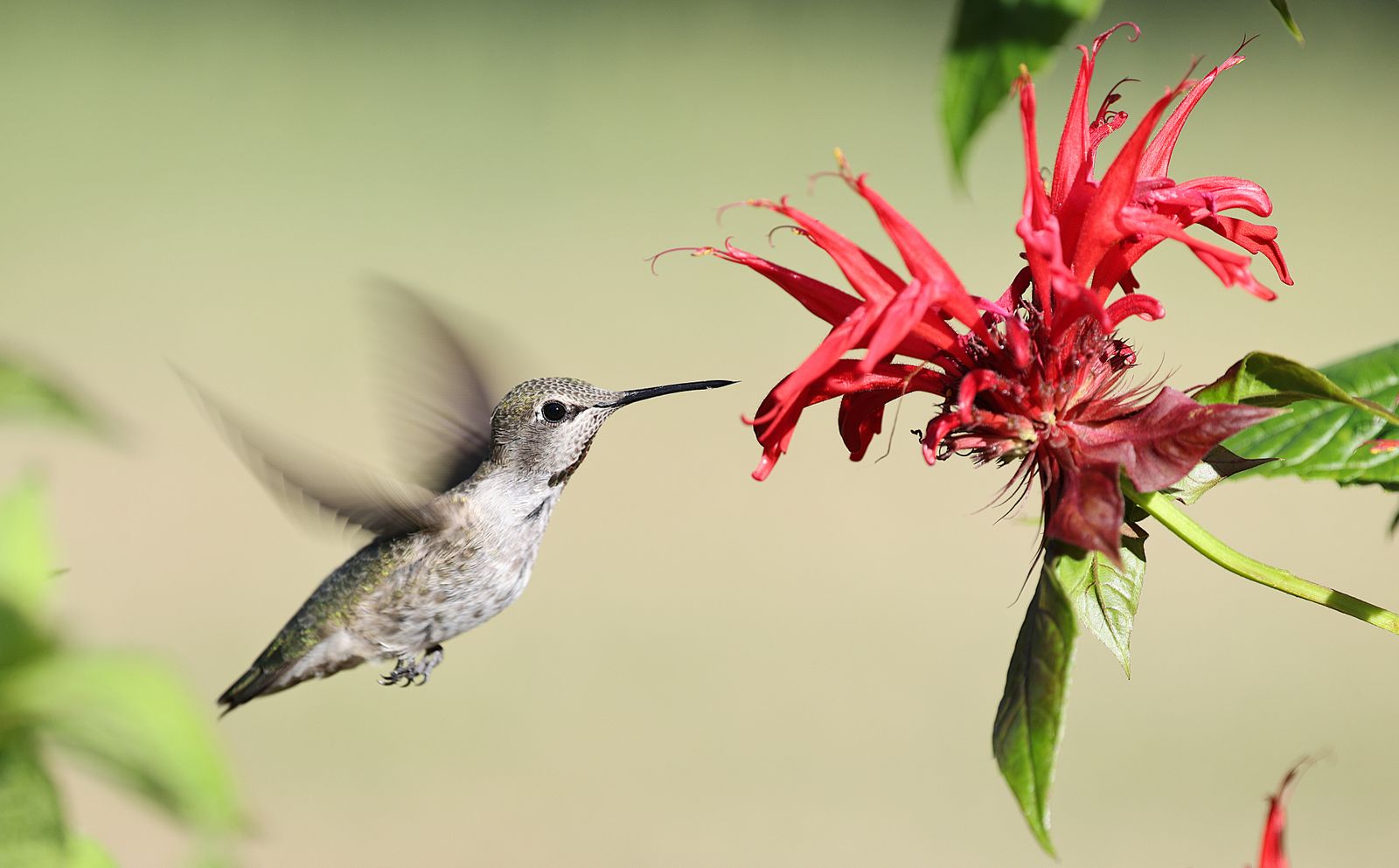
Cover photo by Veronika Andrews on Pexels.