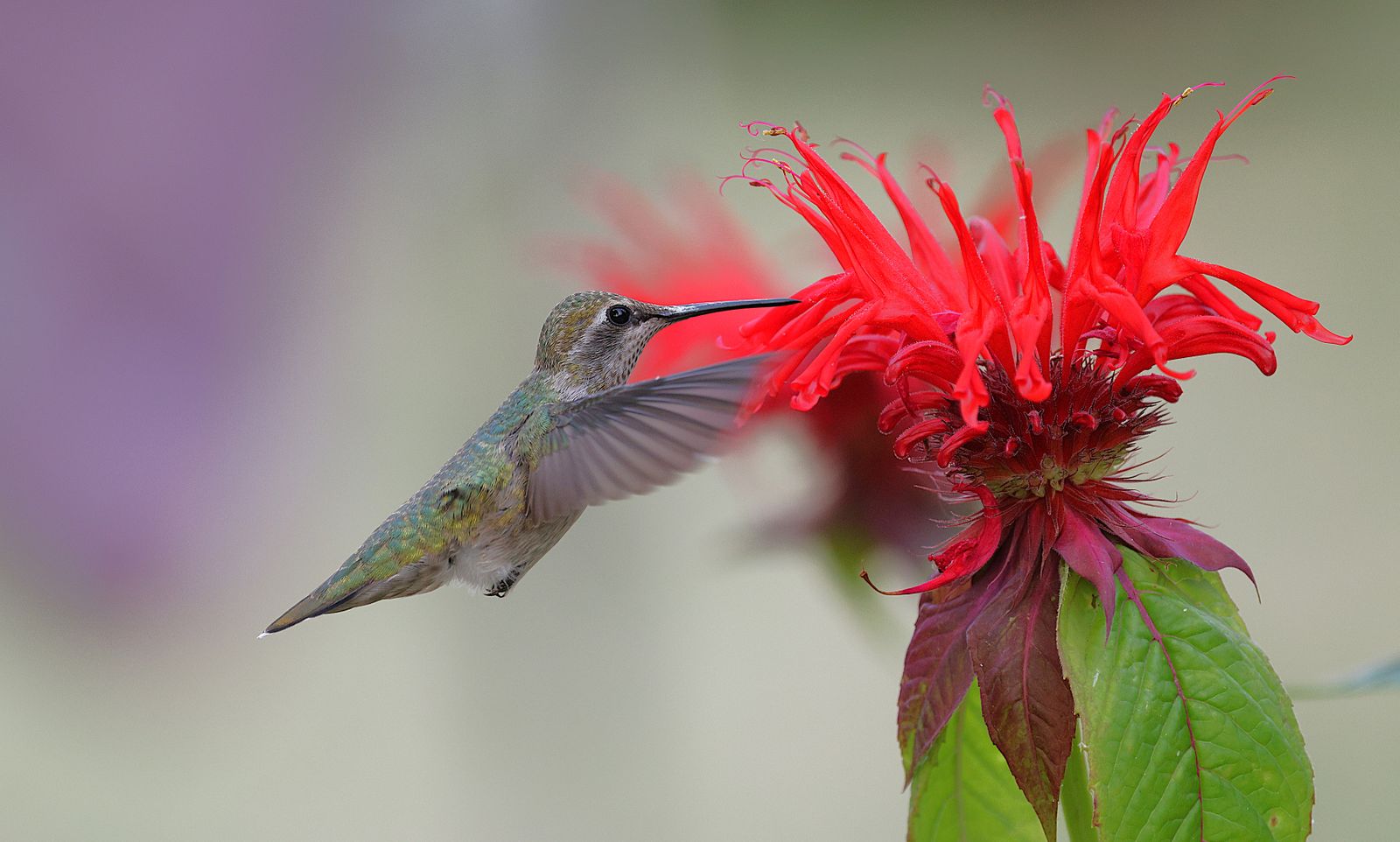
Seamlessly Blending Modern Solar Accents into Classic Victorian Backyard Designs
Can modern solar lighting enhance a historic Victorian garden without ruining its antique aesthetic? Yes. By pairing artisan hand-blown glass and muted anti-rust metal bases with warm 2700K lighting, you create an authentic bridge between Victorian ironwork, manicured parterres, and eco-friendly lighting.
Technical Spec Matrix: Solar Components vs. Victorian Landscape Materials
| Hardware Component | Technical Specification | Victorian Material Compatibility | Performance Benchmark |
| --- | --- | --- | --- |
| Solar Top Collector | Concealed monocrystalline panel with IP65 waterproof seal | Aged wrought iron, cast stone, dark bronze trellises | Charges in 4-6 hrs sun; operates up to 8 hrs nightly |
| Illumination Engine | Dual Warm White (2700K) & Soft RGB Transitions (<15 lumens) | Victorian floral beds, climbing roses, dark brickwork | Subtle illumination without torpor disruption or harsh glare |
| Nectar Reservoir | 32 fl.oz handcrafted 2,300°F hand-blown glass, see-through clarity | Stained glass accents, Victorian glasshouse architecture | UV-resistant color depth; clear view of fluid levels |
| Base & Hanging Assembly | Heavy-gauge steel with anti-rust protective coating | Ornate iron shepherd hooks, antique gazebo arbors | Prevents rust bleed and scratch-induced metallic degradation |
Review technical hardware specifications mapped against heritage outdoor building materials to ensure long-term structural and visual compatibility.
Victorian Garden Zone Solar Integration Blueprint
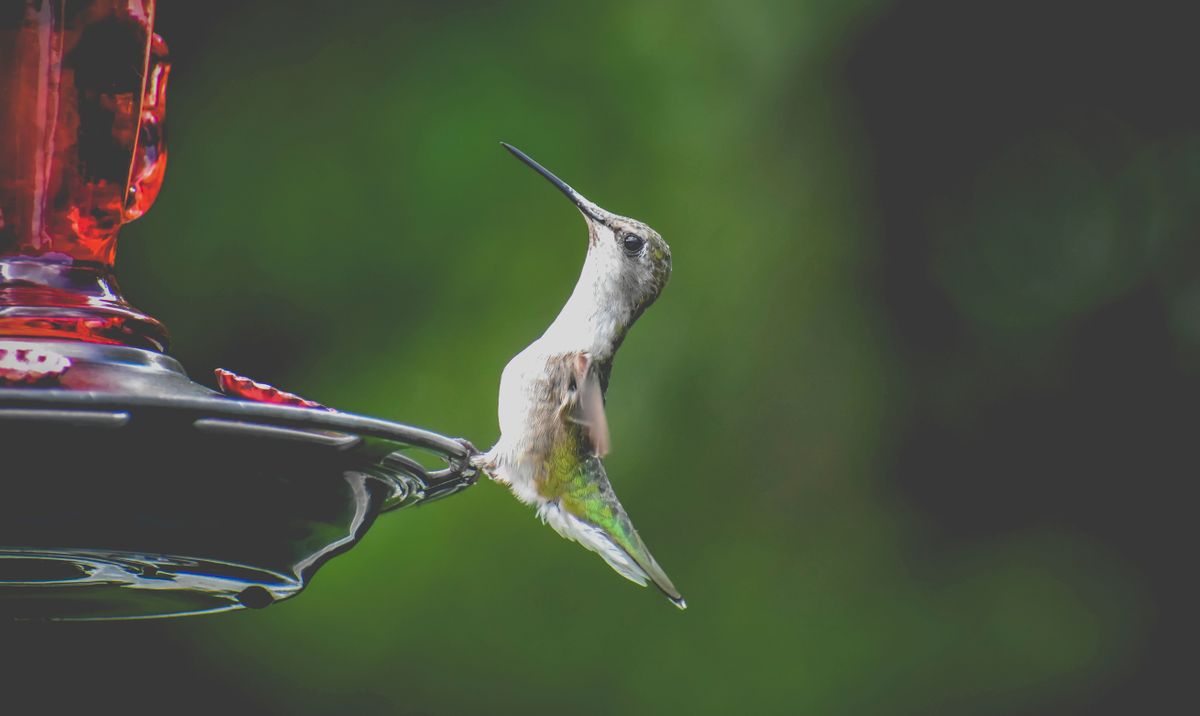
This spatial diagram details optimal feeder heights, sightlines, and solar exposure angles across three signature Victorian garden zones.
Primary Design Choice: Artisanal Hand-Blown Glass Solar Feeders
For heritage property owners seeking to avoid the visual blight of mass-produced plastic, hand-blown glass solar hummingbird feeders serve as the ultimate design solution. Fired at 2,300°F, each translucent reservoir echoes the stained-glass artistry of the late 19th century while housing an integrated solar engine beneath a protective weatherproof cap.
Photo Inspiration Gallery: Victorian Twilight Lighting Sets
Visual concepts highlighting hand-blown glass glow against vintage ironwork across daytime, dusk, and nighttime hours.
Expert Landscape Tip: Concealing Solar Collectors within Antique Iron Finials
When hanging solar glass feeders from historic wrought-iron arbors, position the fixture 6 to 12 inches forward from dense foliage. This captures 4+ hours of unfiltered south-facing sunlight while visually framing the glowing glass reservoir against ornate iron finials.
Frequently Asked Questions: Victorian Solar Integration
Common technical and design queries regarding solar lighting warmth, feeder mounting, and hummingbird roosting safety.
Implementation Action Plan
Your decision: Choose hand-blown glass solar feeders with anti-rust metal bases and concealed solar caps to maintain period charm.
Do this next: Audit your backyard for 4+ hours of unshaded daylight, install a dark wrought-iron shepherd's hook at 5-6 feet height, and select warm illumination settings.
- Read next: Best Illuminated Feeders for Twilight Garden Decor: Solar RGB Glass vs. Standard Feeders
- Read next: How to Clean and Maintain Your Hand-Blown Solar Hummingbird Feeder
LUJII Hand-Blown Solar Hummingbird Feeder (32 fl.oz, Anti-Rust Metal Base, Auto 8-Hour RGB/Warm Night Lighting).
Follow these straightforward steps to prepare your outdoor space for heritage solar integration.
Core Principles of Heritage Solar Integration
- Prioritize hand-blown glass over molded plastic to reflect authentic 19th-century glasshouse craftsmanship.
- Lead with failure mode prevention: eliminate 6000K cool-white glare, unshielded plastic caps, and bare steel hangers that cause rust bleeding.
- Ensure solar top caps receive 4 to 6 hours of direct sun while setting nighttime LEDs to warm 2700K or gentle RGB shifts.
- Select 32 fl.oz capacity leak-proof reservoirs with anti-rust metal bases to withstand rain, wind, and frost.
- Hang fixtures at an eye-level sightline of 5 to 6 feet on dark wrought-iron shepherd hooks.
Decision Support: Light Spectrum & Accent Selection Guide
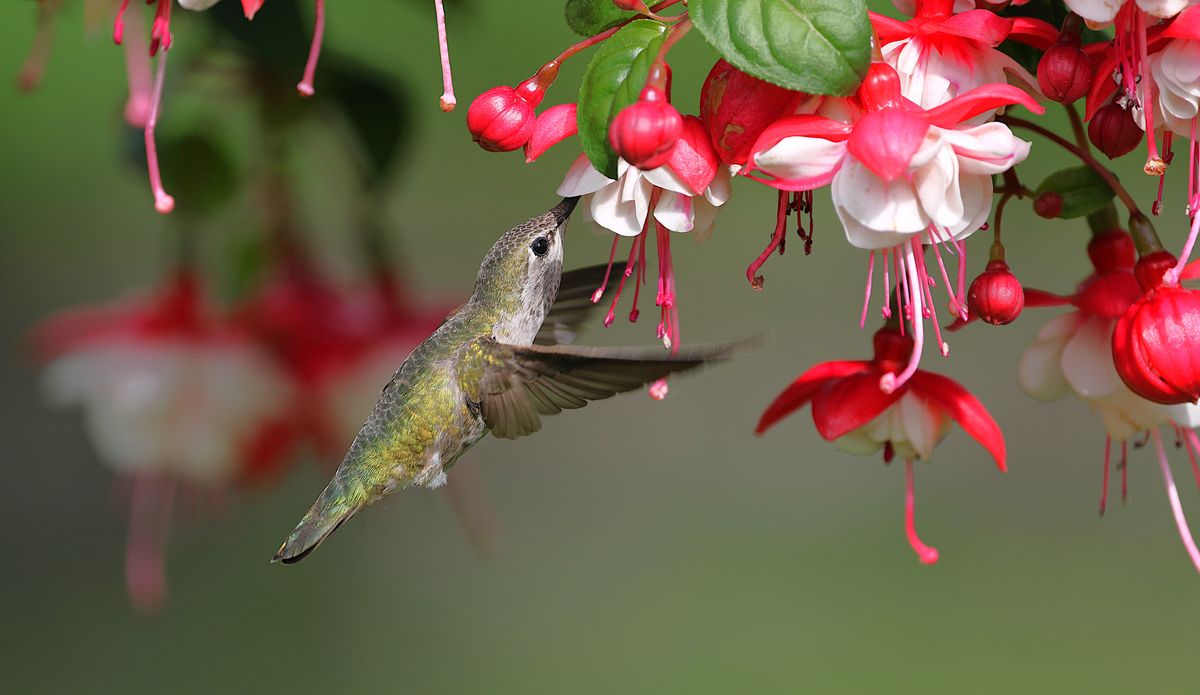
Photo by Veronika Andrews on Pexels
Selecting the right solar feeder requires balancing historical architectural harmony with practical solar performance and hummingbird welfare.
Best choice for
- Hand-Blown Glass Feeder with Warm 2700K Glow — Complements rich floral hues and brick pathways while imitating classic gaslamp illumination.
- Soft RGB Color-Shifting Mode — Adds subtle magical luminescence across jewel-toned glass without overpowering natural shadows.
- The installation site receives fewer than 3 hours of direct daylight due to dense tree shade.
- The solar cap cannot be detached during cleaning cycles.
- Unlit Hand-Blown Glass Feeders — Best for deep shade zones under heavy mature oak or maple canopies.
The primary failure mode when introducing modern solar technology into a Victorian garden is material dissonance. Standard commercial outdoor solar lights rely on cheap, injection-molded black plastic bodies, ultra-bright 6000K cold LEDs, and bare steel mounting stakes. When placed alongside historic weathered brick, dark wrought-iron gazebos, or geometric boxwood parterres, these plastic solar stakes stick out like industrial clutter, ruining the romantic, layered atmosphere characteristic of Victorian landscape design.
The Historical Lineage: Glasshouses and Jewel-Toned Accents
To integrate solar energy without breaking historical authenticity, we look to the Victorian era's own architectural innovations. The mid-to-late 19th century was defined by a obsession with ornamental glasshouses, greenhouse conservatories (inspired by Joseph Paxton’s Crystal Palace), and vibrant stained-glass accents. Victorian gardeners loved placing jewel-toned, light-refracting objects throughout formal flower beds to catch the low afternoon sun.Artisanal hand-blown glass serves as the ideal aesthetic bridge. Each reservoir is crafted individually by glass artists shaping molten glass at 2,300°F. The resulting translucent swirls, subtle bubbles, and organic curves echo 19th-century glassblowing techniques. When sunlight strikes a hand-blown glass feeder during the day, it casts rich, kaleidoscopic color across nearby brickwork and climbing roses—delighting both human observers and migrating hummingbirds.
Solar Physics Meets Shade Architecture
Victorian gardens are famous for mature tree canopies, covered verandas, and high trellis walls—all of which create complex shadow patterns throughout the day. To ensure your solar top cap accumulates enough charge for 8 hours of evening illumination, follow these technical solar placement guidelines:Ambient Twilight Ambiance vs. Hummingbird Welfare
As dusk falls, the integrated solar sensor triggers the LED engine hidden beneath the protective plastic solar cap. To maintain historical charm, set the illumination to Warm White (2700K) or a gentle RGB color transition. Warm 2700K light mirrors the soft, golden glow of historic gaslamps and candlelight.Bird lovers often ask whether twilight lighting disrupts hummingbird health. In nature, hummingbirds feed heavily during late afternoon and dusk before retreating to high, hidden branches in tree canopies. Once perched, they enter torpor—a deep state of sleep where body temperature and metabolic rates drop dramatically. Because the solar feeder’s LED engine emits low-lumens ambient light (<15 lumens) directed downwards into the translucent glass, it does not casting bright beam glare into high roosting canopies.
Material & Texture Matching Matrix: Victorian Elements vs. Solar Tech
| Design Criteria | Standard Plastic Solar Light | Hand-Blown Glass Solar Feeder | Cast Aluminum / Modern Fixture |
| --- | --- | --- | --- |
| Historical Visual Cohesion | Poor (clashes with period brick & iron) | Exceptional (mirrors Victorian glasscraft) | Moderate (looks overly commercial) |
| Lighting Color Temperature | Harsh Cool White (5000K-6000K) | Warm Gaslamp White (2700K) / Soft RGB | Neutral White (4000K) |
| Durability & Rust Resistance | Cracks & yellows under UV rays | Anti-rust powder-coated base & tough glass | Prone to finish chipping |
| Hummingbird Attractiveness | Low (static synthetic appearance) | High (refracts sunlight & nectar colors) | Low to Moderate |
| Twilight Aesthetic Impact | Industrial solar glare | Romantic, jewel-toned ambient glow | Floodlight effect |
Evaluate key solar design choices against historic Victorian architectural criteria.
Failure Modes: 5 Ways Cheap Solar Lighting Ruin Victorian Curb Appeal
Avoid these five major design and technical missteps when adding solar lighting to historic landscapes.
Related Sustainable Heritage Garden Resources
- How Do RGB Solar Garden Lights Work? The Science, Setup, and Maintenance FAQ
- Winter Solar Garden Lights Protection: Glass & Battery Care Guide
- Solar Energy Efficiency Buying Guide: Choosing Solar Garden Accents That Last All Night
Featured Heritage Accent: LUJII Hand-Blown Solar Hummingbird Feeder
Bring timeless Victorian glass art and modern solar technology into your backyard sanctuary with the LUJII Solar-Powered Hummingbird Feeder. Featuring a 32 fl.oz handcrafted translucent glass reservoir, anti-rust metal base, leak-proof design, and automatic 8-hour RGB and warm night illumination, it is the perfect centerpiece for your garden.
Final Next Steps for Your Heritage Garden Upgrade
Your decision: Integrate a handcrafted solar glass feeder into your Victorian outdoor layout.
Do this next: Order a hand-blown glass solar feeder, position it on a dark wrought-iron shepherd's hook in a 4+ hour sun zone, and enjoy romantic evening lighting.
- Read next: Best Illuminated Feeders for Twilight Garden Decor: Solar RGB Glass vs. Standard Feeders
LUJII Solar-Powered Hummingbird Feeder
Take the next step in perfecting your outdoor sanctuary.
Cover photo by Veronika Andrews on Pexels.