Nighttime Garden Decor for Bird Lovers: A 4-Season Solar Illumination Guide
Apply the 6-10-8 rule: ensure the solar panel receives at least 6 hours of direct sunlight daily, position lighted feeders 10 feet away from dense roosting bushes, and select soft lighting modes that run up to 8 hours after dusk. This balance protects torpid hummingbirds at night while ensuring maximum evening garden glow.
Essential Rules for Seasonal Solar Bird Decor
- Lead with Sunlight Ratios: Provide 6 to 8 hours of unshaded daylight exposure to the top solar panel cap to achieve a full 8-hour nightly charge.
- Protect Nocturnal Torpor: Maintain a 10-to-15-foot buffer zone between lighted glass decor and dark evergreen foliage where hummingbirds sleep at night.
- Shade Nectar, Expose Solar: Angle shepherd's hooks so the top cap absorbs morning rays while mid-day tree canopy shades the 32 oz glass nectar reservoir.
- Prevent Hard Freeze Damage: When winter temperatures drop to 32°F (0°C), drain liquid nectar completely and transition hand-blown glass into dry decorative accent art.
- Use Soft Color Transitions: Choose slow-fading RGB color cycles over harsh strobes to preserve a peaceful backyard sanctuary.
Seasonal Setup Timeline: From Spring Arrival to Winter Care
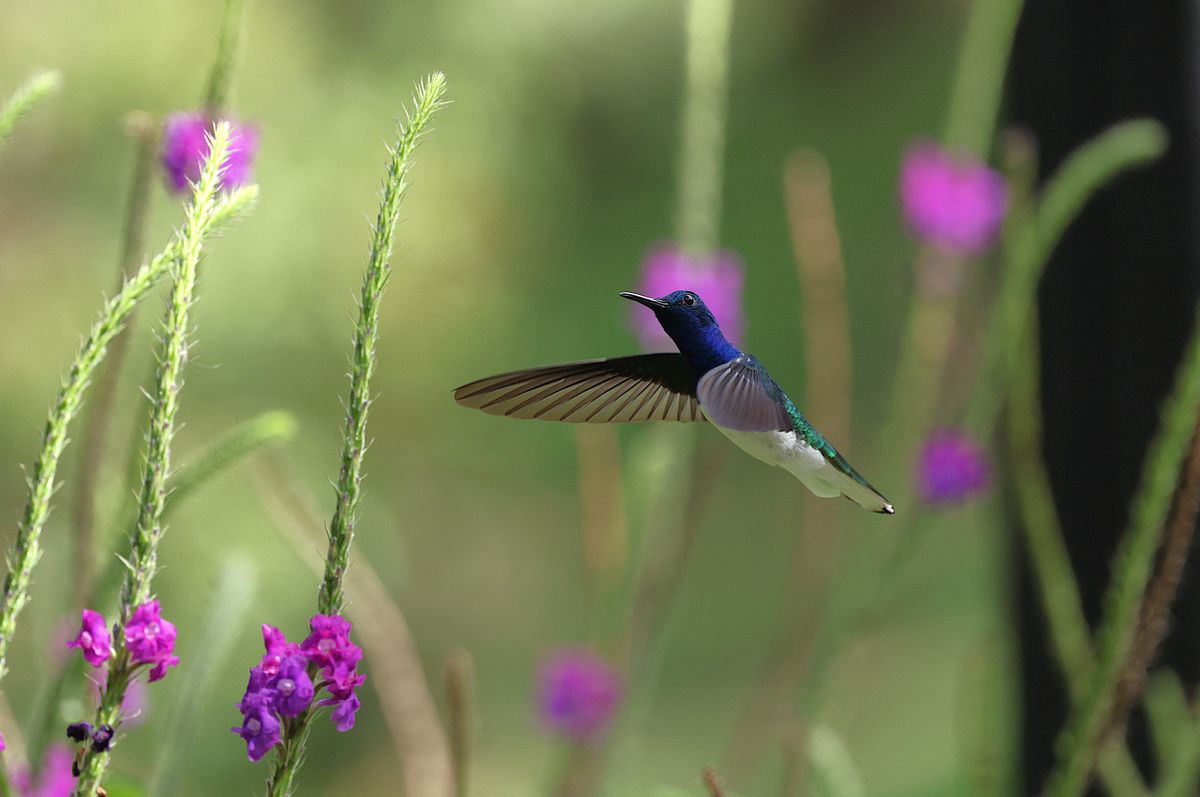
Photo by Veronika Andrews on Pexels
- Early Spring (March – April) — Unpack hand-blown glass reservoirs, inspect seals, and clean solar caps. Hang feeders 5 to 6 feet high on metal shepherd's hooks to welcome early spring migrants with fresh 4:1 sugar-water nectar.
- Peak Summer (May – August) — Monitor midday sun angles. Clean nectar reservoirs every 48 to 72 hours during high heat (85°F+). Wipe dust off solar caps weekly to ensure full battery power for 8 hours of soft RGB evening lighting.
- Autumn Migration (September – October) — Keep feeders filled 2 weeks past the last hummingbird sighting to nourish late south-bound migrants. Adjust hook placement as falling leaves alter sun exposure on solar cells.
- Winter Season (November – February) — Before the first hard freeze (32°F), drain liquid nectar to prevent glass expansion cracks. Thoroughly dry the reservoir and keep solar feeders outdoors as illuminated, dry garden sculptures.
Solar Panel & Nectar Maintenance Schedule
- Every 2 to 3 Days (Summer) — Flush glass reservoir with warm water (no harsh soaps) and refill nectar. Check that the silicone leak-proof seal remains tightly fitted against the metal base.
- Weekly — Wipe the top solar cap with a damp microfiber cloth to remove pollen, dust, and bird droppings that block solar absorption.
- Monthly — Inspect anti-rust metal base coating for soil splatter or mineral buildup. Clean feeding ports with a soft bottle brush.
- Seasonally (Quarterly) — Test battery recharge capacity by placing the solar cap in direct sun for 6 hours, then covering the sensor to check LED brightness and RGB color cycle smoothness.
5 Critical Mistakes to Avoid in Nighttime Solar Placement
Avoid these common pitfalls to maximize battery performance and maintain a safe wildlife habitat:
Comparing Solar Lighting Modes: Warm White vs. RGB Spectra
| Lighting Mode | Visual Effect | Avg. Nightly Runtime | Torpor Safety Rating | Best Garden Setting |
| --- | --- | --- | --- | --- |
| Slow RGB Color Fade | Gentle shifting hues of red, green, blue, and purple through textured glass | 7 to 8 Hours | Excellent (Soft ambient glow) | Flower beds, patio borders, focal lawn hooks |
| Warm White Constant | Classic 2700K golden illumination highlighting hand-blown glass details | 6 to 8 Hours | Good (When offset 10 ft from foliage) | Dining patios, cottage garden pathways |
| Rapid Strobe / Flash | Fast blinking color sequence | 4 to 5 Hours | Poor (Can startle sleeping wildlife) | Not recommended for bird feeders |
| Off / Daylight Only | Natural sunshine refracting through translucent colored glass art | N/A (Day decor) | Optimal for zero light exposure | Deep woodland shade gardens |
Select the optimal lighting mode for your garden based on aesthetic preference, runtime efficiency, and wildlife safety.
Expert Tip: Optimizing Sun Angles Across the 4 Seasons
Solar panel efficiency shifts dramatically with the sun's seasonal altitude. In North America, the summer sun reaches up to 68 degrees overhead, while winter sun angles drop as low as 30 degrees.
To ensure your solar cap captures enough energy year-round:
- Spring/Autumn: Move shepherd's hooks out from southern wall shadows. The lower sun angle creates longer structure shadows, so position solar decor at least 6 feet away from high fences.
- Summer: High noon sun hits panels straight on. Use tree leaf cover strategically—position the hook on the south edge of a tree branch so the top cap gets 6 hours of high sun, while the dangling glass feeder body rests in shade.
- Winter: Clean solar cap covers twice as often. Snow and ice reflections can boost charging efficiency if the top solar lens remains completely clear of frost.
4-Season Solar Decor & Wildlife Safety Calendar
| Season | Sun Exposure Target | Nectar Freshness Limit | Recommended Light Mode | Glass Protection Rule |
| --- | --- | --- | --- | --- |
| Spring | 6 Hours (South/East facing) | Change every 4 to 5 days | Soft RGB Fade | Check for hairline frost cracks before filling |
| Summer | 6 to 8 Hours direct sun | Change every 2 to 3 days (85°F+) | Slow RGB Transition | Shade nectar reservoir during 12 PM – 3 PM heat |
| Autumn | 5 to 6 Hours (Clear falling leaves) | Change every 5 to 7 days | Warm White or RGB | Clean solar cap weekly as tree canopy thins |
| Winter | 4 to 5 Hours (Unobstructed sky) | N/A (Display dry) | Soft RGB / Night Decor | Drain nectar at 32°F; keep dry glass outdoors as art |
Follow this seasonal guide to align solar charging requirements with nectar management and outdoor garden aesthetics.
Featured Centerpiece: LUJII Hand-Blown Solar Hummingbird Feeder
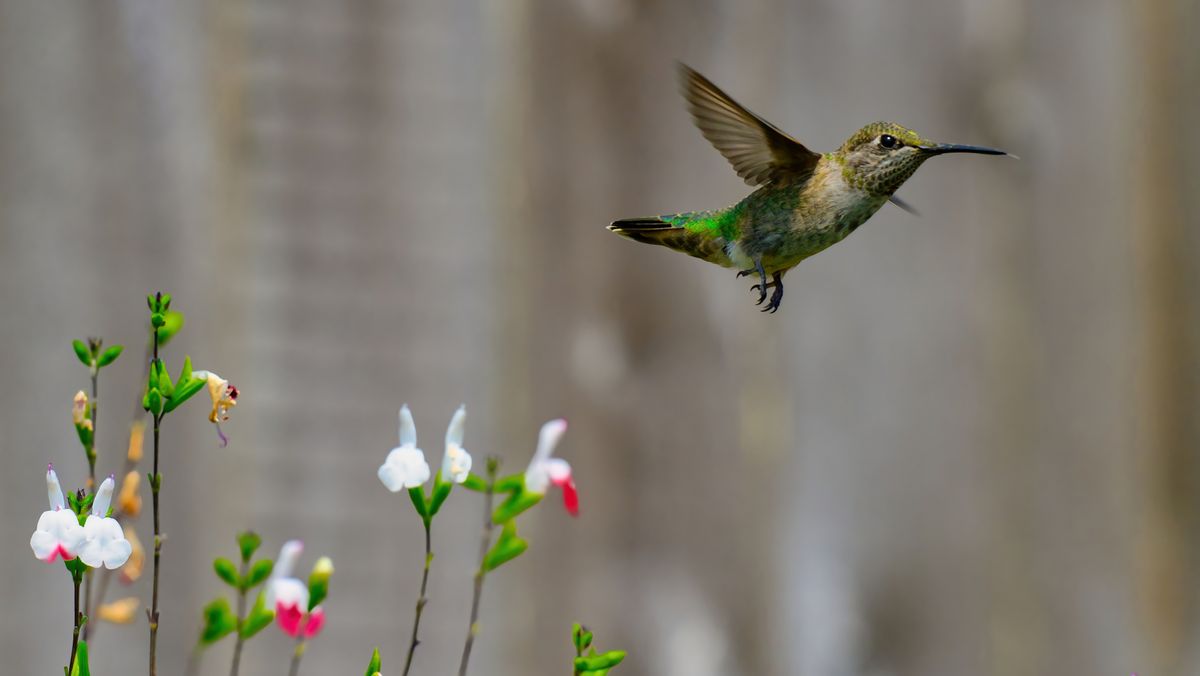
Photo by Townsend Walton on Pexels
Elevate your outdoor sanctuary with the ultimate blend of artisanal craftsmanship and eco-friendly solar lighting. The LUJII Hand-Blown Solar Hummingbird Feeder is handcrafted by skilled glass artisans who shape each reservoir at 2,300° Fahrenheit, creating one-of-a-kind translucent swirl patterns.
Regional Climate Guidance: Hard Freeze & High Heat Rules
Tailor your solar feeder care based on your local USDA Hardiness Zone and regional climate conditions.
Seasonal Transition Safety Checklist
- [ ] Spring: Inspect hand-blown glass reservoir for hairline cracks; clear solar panel cap of dust.
- [ ] Summer: Ensure feeder receives morning sun for charging but afternoon shade to keep 32 oz nectar fresh.
- [ ] Autumn: Clean solar cap weekly as falling leaves reduce sunlight exposure; monitor late migrants.
- [ ] Winter: In freezing zones, drain nectar, clean thoroughly, and transition glass outdoors dry or bring indoors as lighted accent decor.
- [ ] Year-Round: Verify pole height is at least 5 feet off the ground with a predator baffle installed.
Frequently Asked Questions
Get expert answers to common questions about operating solar bird decor, protecting hand-blown glass, and preserving wildlife safety.
Explore Related Solar & Hummingbird Garden Guides
Expand your knowledge on handcrafted glass care, hummingbird attraction, and outdoor eco-friendly decor with these educational resources:
- Hand-Blown Glass vs. Plastic Hummingbird Feeders: Discover why artisanal glass offers superior insulation, durability, and visual brilliance compared to standard plastic alternatives.
- How Hummingbirds See Color & Light: Learn about avian visual spectrum capabilities and how translucent glass reflections lure hummingbirds naturally during daylight hours.
- The Ultimate Guide to Cleaning Hand-Blown Solar Feeders: Step-by-step instructions for removing hard water mineral spots and keeping solar caps operating at peak efficiency.
Your Next Steps for an Illuminated Evening Garden
Your decision: Determine whether your yard layout provides 6+ hours of direct sun exposure while allowing nectar shade during peak afternoon heat.
Do this next: Position your solar feeder 10 to 15 feet from dense roosting shrubs, select a soft RGB fading light mode, and set up a twice-weekly nectar cleaning routine.
- Read next: Explore Artisanal Solar Hummingbird Feeders
LUJII Hand-Blown Solar Hummingbird Feeder with RGB Ambient Lighting (32 fl. oz capacity)
Transform your outdoor space into a sanctuary for both day and night enjoyment.
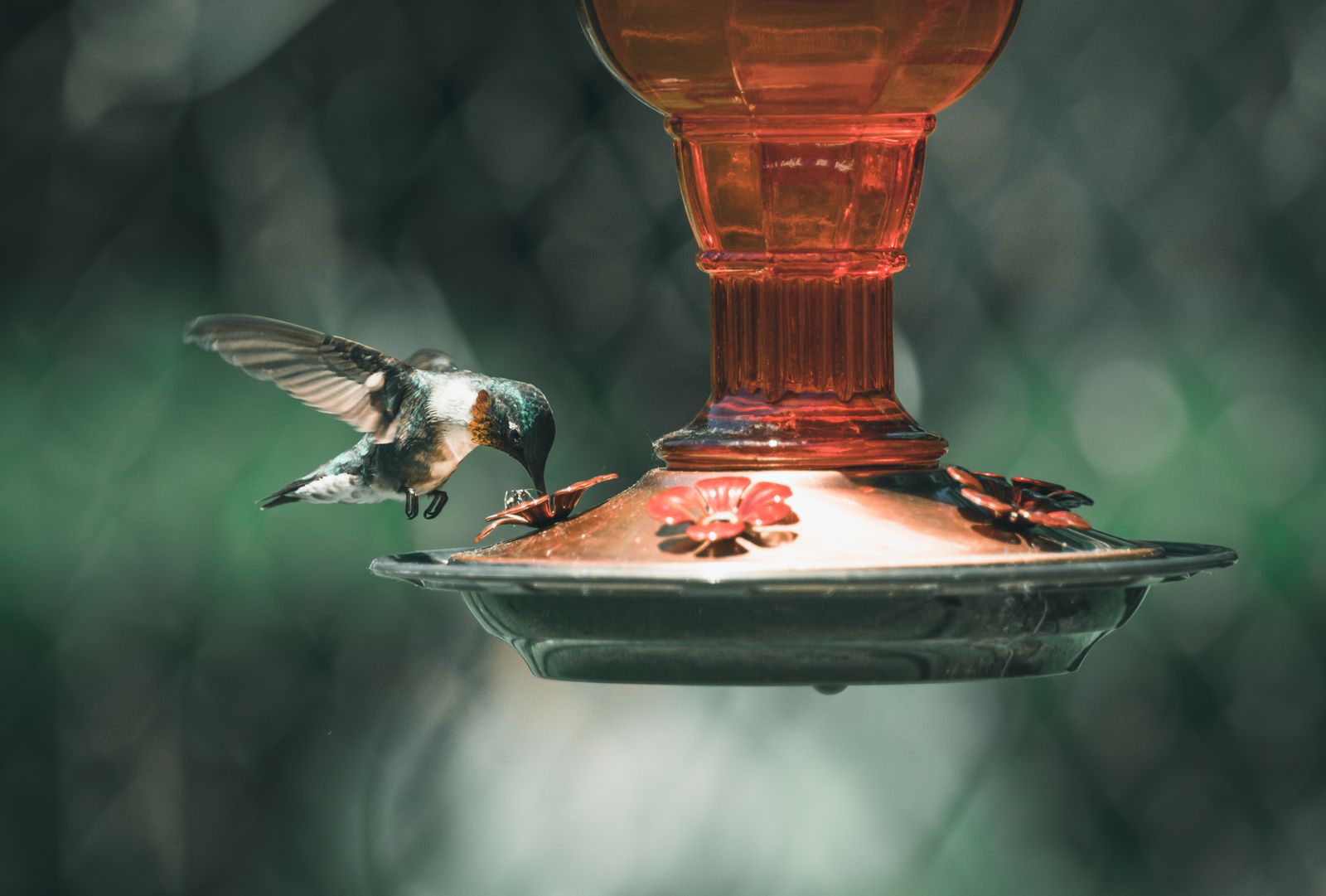
Cover photo by Chris F on Pexels.