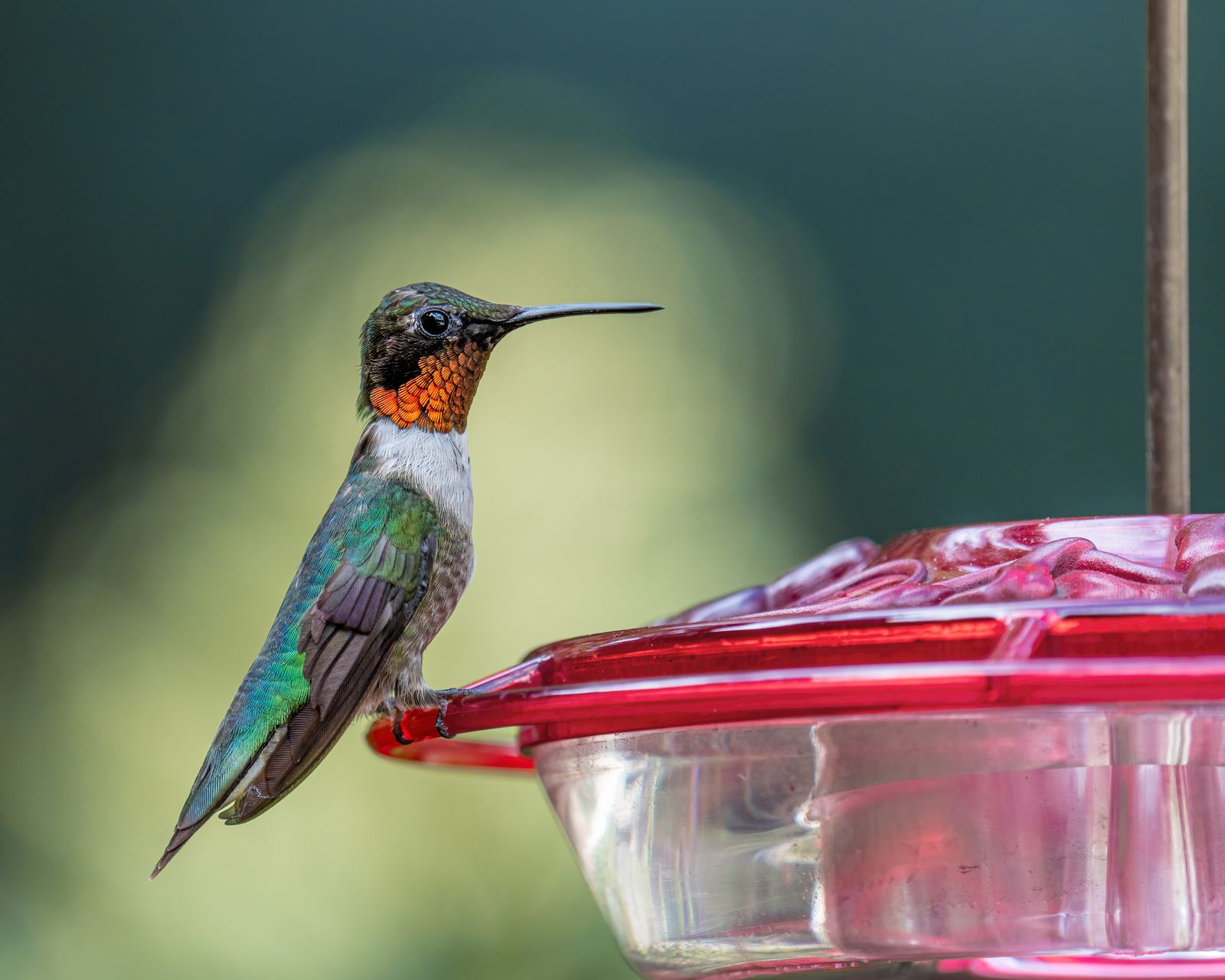
Winter Hummingbird Feeder Weatherproofing Guide: Protecting Solar Glass in Cold Rain & Snow
Follow the 32°F rule: when ambient temperatures drop to 32°F (0°C), protect solar glass feeders by installing a 12-inch weather baffle overhead and adjusting your sugar-to-water ratio from 1:4 to 1:3. This lowers the nectar freezing point to 27°F (-2.8°C). Below 20°F (-6.7°C), bring feeders indoors overnight or implement a 2-feeder rotation at dawn to prevent 2,300°F hand-blown glass thermal shock and battery drain.
Key Takeaways: 5 Critical Numbers for Winter Solar Feeder Care
- 27°F Freezing Point: Shifting to a 1:3 sugar-to-water concentration (1 cup sugar to 3 cups water) lowers nectar freeze points from 29°F down to 27°F safely without dehydrating wintering hummingbirds.
- 40°F Max Thermal Differential (ΔT): Never expose cold hand-blown glass (below 32°F) to water warmer than 72°F; thermal shock exceeding 40°F ΔT causes micro-fractures in artisan glass reservoirs.
- 8-Hour RGB Illumination: Photovoltaic solar caps require 4 to 6 hours of diffuse winter daylight to deliver up to 8 hours of automatic twilight RGB LED garden lighting.
- 100% Moisture Protection: A rubberized silicone seal surrounding the top plastic solar housing prevents freezing rain and melted snow from shorting internal lithium/Ni-MH battery circuits.
- 12-Inch Baffle Clearance: Positioning a 12-inch clear acrylic rain dome 2 to 4 inches above the solar panel deflects ice accumulation while permitting 90%+ UV passthrough for daytime charging.
Winterization Timeline: From 50°F Autumn Prep to 15°F Deep Freeze
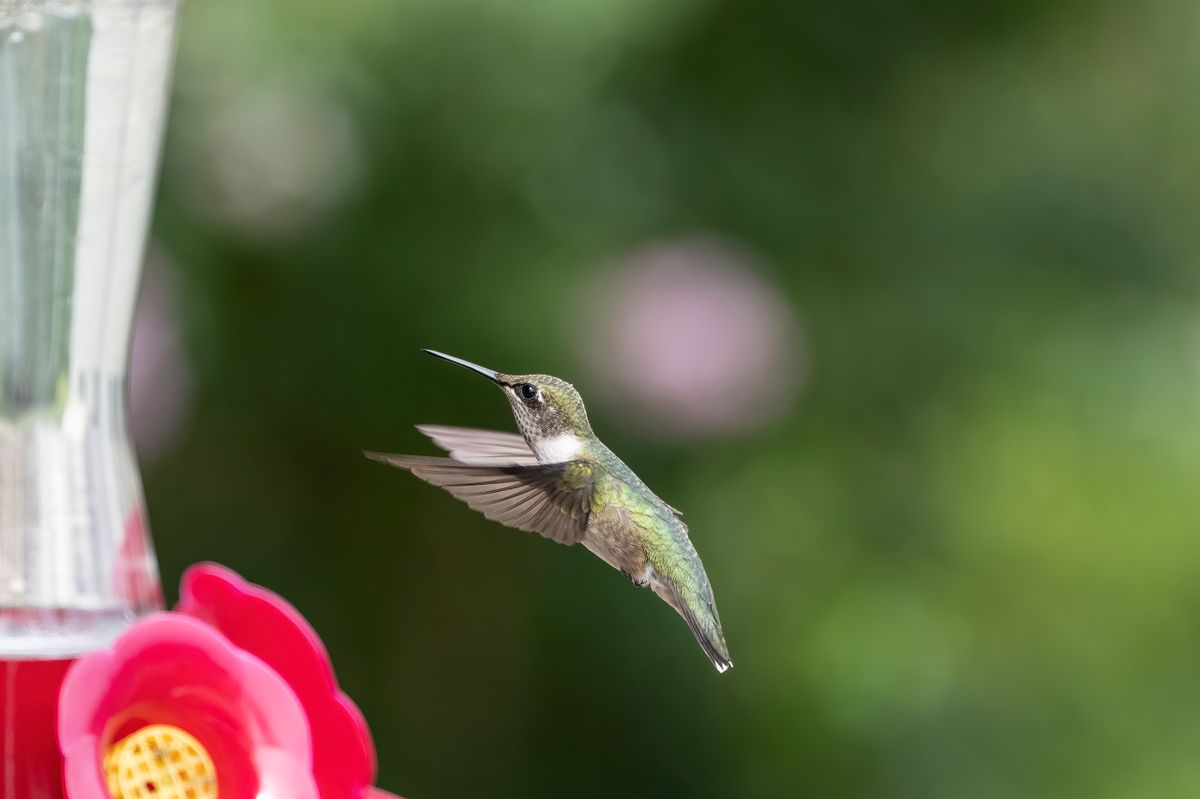
Photo by David Dibert on Pexels
- 50°F to 40°F (Late Autumn Prep) — Inspect the rubberized silicone gasket on the plastic solar cap for cracks or alignment gaps. Wash the 32 fl. oz. hand-blown glass reservoir thoroughly with room-temperature water and check the powder-coated metal base for paint chips.
- 39°F to 32°F (First Frost Alert) — Install a 12-inch acrylic weather baffle 2-4 inches above the solar housing. Relocate the hanging hook to a south-facing garden spot sheltered from prevailing north winds to maximize winter sunlight exposure.
- 31°F to 27°F (Freezing Rain & Light Freezes) — Adjust nectar ratio from 1:4 (1 cup sugar to 4 cups water) to 1:3 (1 cup sugar to 3 cups water). This concentration prevents slush formation down to 27°F. Ensure solar panel top remains clear of slush.
- Below 25°F to 15°F (Deep Sub-Zero Storms) — Initiate a dual-feeder indoor rotation protocol. Bring the active feeder inside at dusk to prevent solid freezing; swap out with a fresh, room-temperature feeder at dawn before birds emerge from torpor.
Winter Nectar & Feeder Care Schedule
- Daily at Dawn — Check feeding ports for slush or ice blockages. Wipe off accumulated snow or frost from the top plastic solar panel using a soft microfiber cloth.
- Every 3 to 5 Days — Empty remaining nectar, rinse the 32 oz glass bottle with lukewarm (not hot) water, and refill with fresh 1:3 sugar solution.
- Weekly — Unscrew the anti-rust metal base, inspect the rubber O-ring seal, and verify that no liquid nectar has seeped into the lower metal threading.
- Post-Storm Event — Remove heavy snow buildup on overhead branches, inspect the solar housing seal for water ingress, and test RGB nighttime illumination.
LUJII Cold-Weather Protection Hacks & Equipment
The LUJII Solar-Powered Hand-Blown Glass Hummingbird Feeder is engineered to withstand diverse outdoor climates, combining an anti-rust powder-coated metal base, a high-density protective plastic solar cap, and a heavy-duty 32 fl. oz. glass reservoir crafted at 2,300°F.
Essential Winter Weatherproofing Hacks:
Ready to elevate your winter garden decor with hand-crafted beauty? Explore the weather-resistant LUJII Solar Hummingbird Feeder Collection today and bring magical RGB lighting to your snowy landscape!
6 Fatal Winter Mistakes That Damage Solar Glass Feeders
Avoid these six frequent missteps that threaten artisan glass reservoirs, short-circuit solar batteries, or harm overwintering birds:
Temperature Threshold Calendar for Hand-Blown Solar Feeders
| Temperature Zone | Glass Thermal Risk | Solar Charging Output | Required Garden Action |
| --- | --- | --- | --- |
| 40°F to 60°F+ (Mild Autumn) | None (Safe) | 100% (6-8 hrs RGB glow) | Standard 1:4 nectar mix; routine cleaning every 5-7 days. |
| 32°F to 39°F (Frost Zone) | Low Risk | 70-80% (5-6 hrs RGB glow) | Install overhead weather baffle; inspect solar housing gasket. |
| 27°F to 31°F (Freeze Alert) | Moderate Risk | 40-60% (3-5 hrs RGB glow) | Switch to 1:3 nectar ratio; clear snow from solar panel at noon. |
| Below 27°F (Deep Freeze) | High Thermal Shock Risk | 20-30% (1-3 hrs RGB glow) | Implement dual-feeder indoor rotation at dawn and dusk. |
Map your garden routine directly to local temperature forecasts to protect artisanal materials and electronics.
Mid-Article Action Plan: Quick Winter Setup
Your decision: Assess whether your winter climate experiences frequent freezing rain or sub-25°F overnight low temperatures.
Do this next: Mount an overhead acrylic weather shield and prepare a fresh 1:3 winter nectar batch.
Related resource: Print our 8-point Pre-Winter Storm Checklist below.
LUJII Solar-Powered Hand-Blown Glass Hummingbird Feeder
Side-by-Side: 4 Winter Weatherproofing Methods Compared
| Protection Method | Freeze Threshold (°F) | Glass Safety Index | Solar LED Performance | Maintenance Effort |
| --- | --- | --- | --- | --- |
| 12-Inch Overhead Acrylic Baffle | 30°F (Prevents Ice Cap) | High (Shields Hail/Ice) | Optimal (Allows 90%+ Daylight) | Low (Install Once) |
| 1:3 Sugar-Water Ratio Shift | 27°F (Lowers Freeze Point) | Medium (Liquid Stays Fluid) | No Impact | Very Low (Recipe Adjustment) |
| Dual-Feeder Indoor Rotation | 0°F (Sub-Zero Safe) | Maximum (Prevents Solid Ice) | Full Charge Indoors/Outdoors | Moderate (Daily Swap at Dawn) |
| External Electric Heat Tapes | 15°F (Active Heating) | Low (Risk of Thermal Shock) | Requires External Cord | High (Requires Outlet & Wire) |
Compare popular cold-weather feeder protection techniques across freeze tolerance, glass safety, and solar illumination impact.
Winter-Ready Gear: Heritage Glass & Solar Decor
When selecting garden art capable of surviving multi-season atmospheric stress, material engineering matters. The LUJII Solar-Powered Hand-Blown Glass Hummingbird Feeder blends old-world glassmaking with modern solar technology.
- Hand-Blown Glass Reservoir: Shaped at 2,300°F by master glass artisans, creating thick, durable walls with embedded translucent color patterns that will never fade or peel in winter sleet.
- Sealed Solar Housing: Features a top plastic solar cap with a watertight silicone ring that isolates internal RGB lighting electronics from rain, snow, and ice melt.
- Anti-Rust Coated Base: The solid metal base receives a protective powder-coating to prevent corrosion, rust bleeding, or freezing seam degradation.
- 32 fl. oz. Capacity: Ample volume reduces refill frequency while maintaining a slender, wind-resistant vertical silhouette.
Decision Support: Shield, Rotate, or Store Indoors?
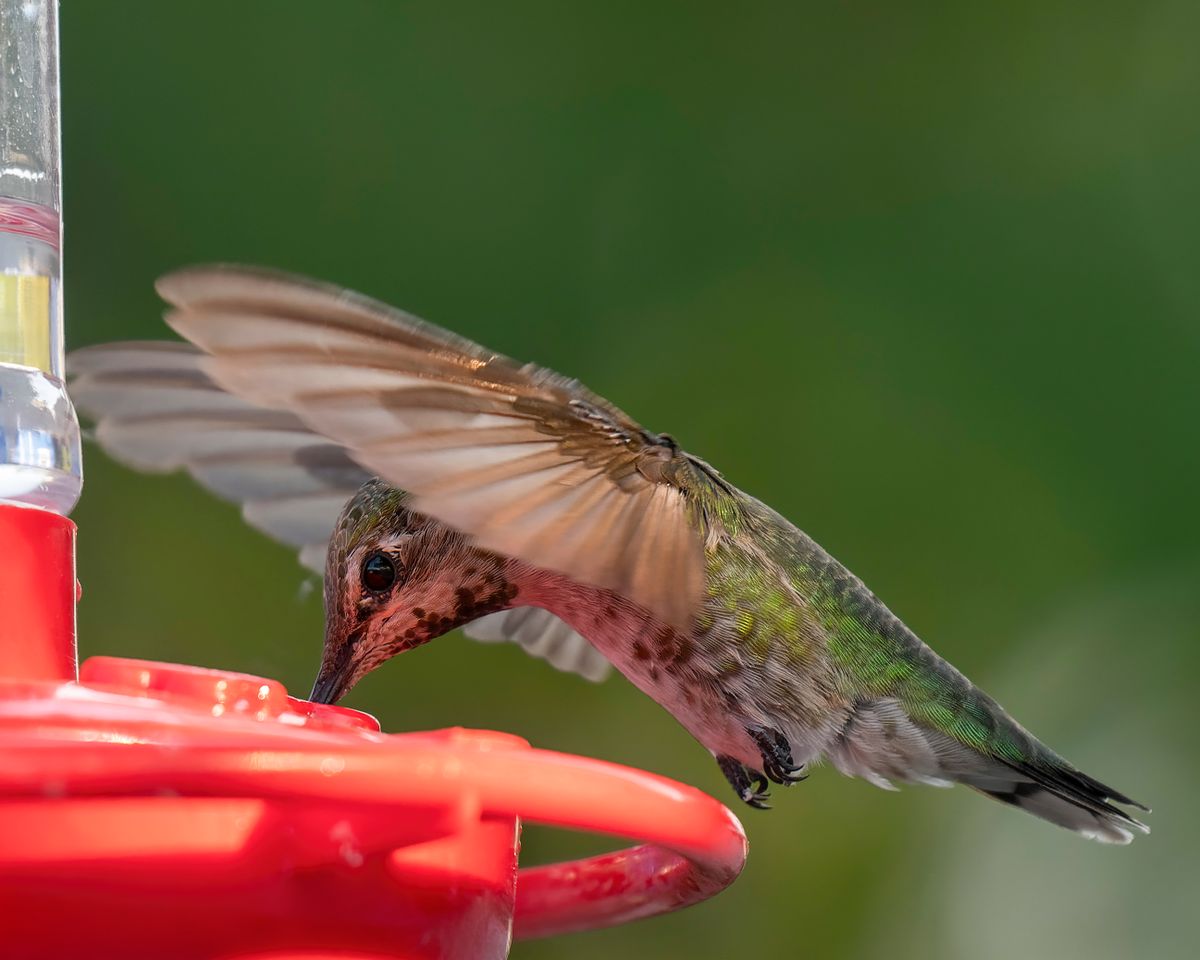
Photo by Frank Cone on Pexels
Selecting the right winter protection strategy depends on local precipitation patterns and lowest overnight ambient temperatures.
Best choice for
- Overhead Weather Baffle + 1:3 Nectar Ratio — Sheds freezing rain off solar panels and lowers nectar freezing point without needing daily indoor swaps.
- Dual-Feeder Indoor Dawn Rotation — Completely eliminates ice expansion pressure inside the 32 oz glass bottle and guarantees 100% warm nectar at first light.
- Do not leave non-weatherproofed feeders outdoors during heavy freezing rain storms without an overhead dome; ice encasement prevents solar battery recharging and blocks feeding perches.
- Covered Porch Hanging — Hanging feeders under porch eaves protects glass from rain and hail, though solar panels may receive reduced diffuse daylight requiring periodic sunlight positioning.
Thermal Shock & Freeze Tolerance Spec Matrix
| Component / Parameter | Technical Limit / Specification | Winter Risk Factor | Operational Rule |
| --- | --- | --- | --- |
| Hand-Blown Glass Body | 2,300°F Annealed Glass / Max ΔT 40°F | Thermal Shock Fractures | Never wash cold glass (<32°F) in hot water (>72°F). |
| Solar Panel Cap | IP65 Weatherproof Sealed Plastic Shell | Moisture Short-Circuit | Inspect rubber O-ring seal alignment monthly. |
| RGB Solar Battery | Charge Temp: 32°F to 113°F (0°C to 45°C) | Capacity Reduction in Sub-Zero | Expect 3-5 hrs illumination during overcast winter days. |
| Standard Nectar (1:4) | Freezing Point: 29°F (-1.6°C) | Solid Expansion at 28°F | Transition to 1:3 solution when frost approaches. |
| Winter Nectar (1:3) | Freezing Point: 27°F (-2.8°C) | Solid Expansion below 26°F | Rotate feeder indoors overnight when lows drop <25°F. |
| Metal Base Assembly | Powder-Coated Anti-Rust Steel | Corrosion / Frozen Threading | Apply food-grade silicone grease to threads pre-winter. |
Review the exact technical limits and operational boundaries for solar glass hummingbird feeders under cold-weather conditions.
Regional Climate Guidance: Pacific Northwest vs. East Coast & Midwest
Winter bird feeding challenges vary significantly across American geographical zones:
Pacific Northwest (Wet Coastal Winters)
- Primary Threat: Continuous cold rain, moss accumulation, and high humidity dampening solar battery effectiveness.
- Action Plan: Focus heavily on plastic solar cap weather-sealing and install a wide 12-inch clear rain dome. Pacific Anna's Hummingbirds winter over in this region and rely on reliable, unfrozen twilight feeding stations.
Midwest & East Coast (Sub-Zero Snow & Ice Belts)
- Primary Threat: Heavy snow loads, severe sub-zero temperatures (<15°F), and extreme ice storms capable of freezing liquid solid within hours.
- Action Plan: Utilize the dual-feeder indoor rotation protocol. Bring feeders inside at dusk to store at room temperature, then hang out fresh nectar at dawn. Brush heavy snow off photovoltaic caps by mid-day to maximize winter battery reserves.
Pre-Winter Storm Weatherproofing Checklist
- [ ] Inspect the plastic solar cap silicone gasket for cracks or debris to guarantee a water-tight seal against cold rain.
- [ ] Hang a 12-inch clear acrylic weather baffle 2-4 inches directly above the solar panel.
- [ ] Mix a 1:3 sugar-to-water ratio solution (1 cup refined white sugar to 3 cups water) to lower the freezing point to 27°F.
- [ ] Verify that the anti-rust coated metal base is tightly screwed onto the 32 oz see-through glass reservoir.
- [ ] Place feeder in a south-facing spot sheltered from north winds to maximize solar charging during short winter days.
- [ ] Prepare a second backup feeder for warm indoor rotation if temperatures drop below 25°F.
- [ ] Clean glass reservoir using room-temperature water only—never boil or submerge cold glass in hot water.
- [ ] Check RGB solar lighting functions at dusk to confirm battery integrity after heavy rain.
Frequently Asked Questions
Next Steps for Your Winter Garden Sanctuary
Your decision: Determine whether your local forecast predicts dipping below 32°F or 27°F tonight.
Do this next: Install an overhead weather baffle, inspect your LUJII solar cap seal, and prepare a 1:3 winter nectar batch.
Related resource: Download our printable Winter Garden Bird Care & Feeder Safety Checklist.
Upgrade to the LUJII Hand-Blown Solar-Powered Hummingbird Feeder featuring a sealed anti-rust metal base and vibrant 2,300°F hand-blown glass reservoir.
With a few proactive weatherproofing steps, your garden can remain a glowing, welcoming haven for wintering birds through every snowstorm.