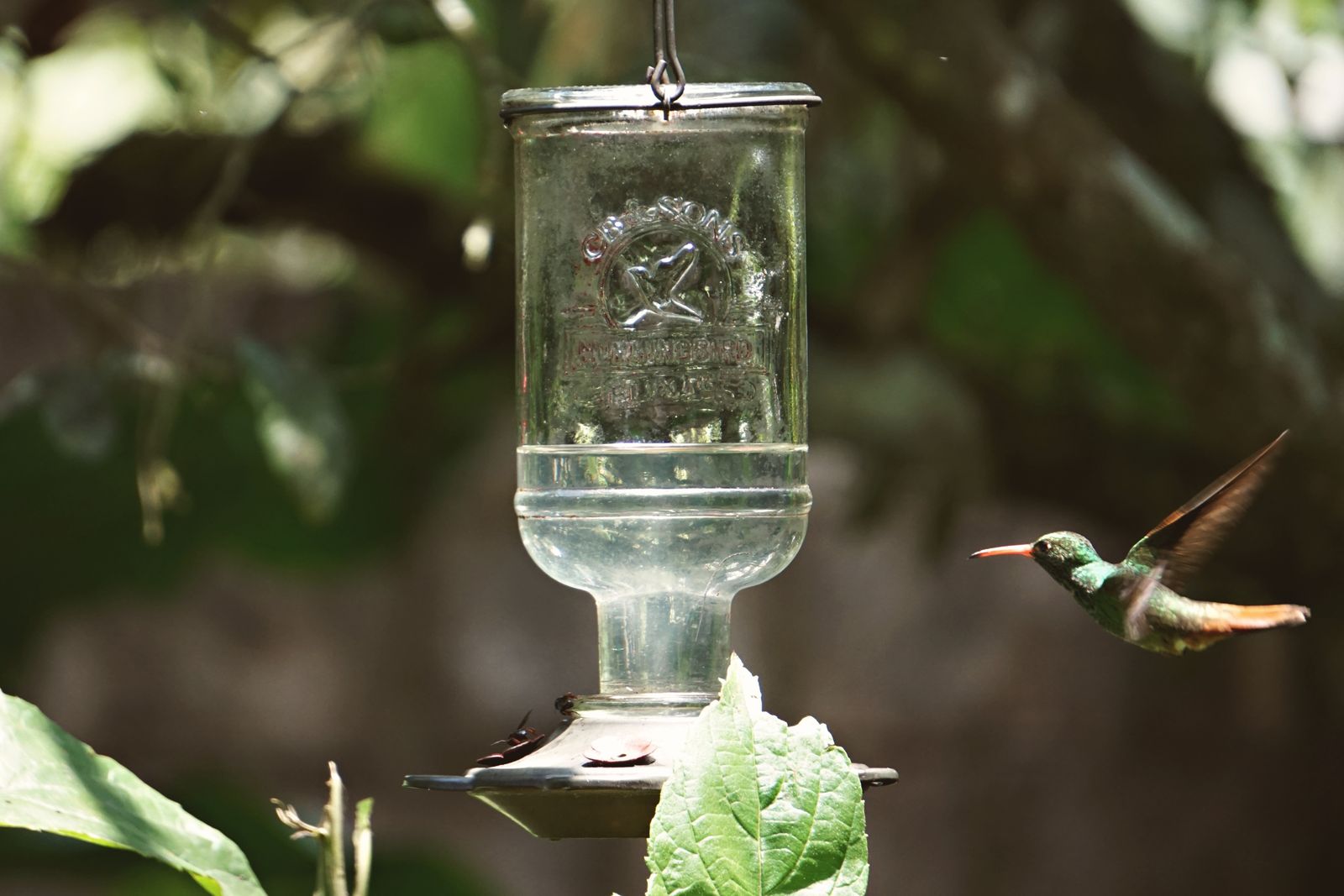
Hummingbird Feeder Sanitization FAQ: Safe Solutions, Glass Rules & Solar Care
Contrary to the popular myth that scented dish soap is safe for feeder cleaning, soap leaves chemical surfactant residues that harm avian digestive tracts and fail to kill fungal spores. For safe sanitization, use a 1:4 white distilled vinegar soak for routine weekly cleans or a 1:10 dilute non-scented bleach bath for stubborn black mold. Hand-blown glass must always be washed in lukewarm water to prevent thermal shock, while electronic solar panel caps should only be wiped clean with a soft, damp microfiber cloth.
Sanitization Method Selector: Matching Your Chemical Solution to the Scenario
Choose a 1:4 white vinegar bath for routine maintenance, a 1:10 diluted bleach soak for severe black mold outbreaks, and warm water brushing for daily touch-ups. Never submerge solar electronic housing caps or put handcrafted glass in the dishwasher.
Best choice for
- 1:4 White Distilled Vinegar Solution — Safely breaks down mineral deposits, inhibits bacterial growth, and leaves zero toxic chemical fumes after a light water rinse.
- 1:10 Non-Scented Liquid Bleach Bath — Completely destroys Candida fungal spores and microbial colonies within a 10-to-15-minute contact soak.
- Lukewarm Water & Micro-Brush Scrubbing — Removes surface sugar crystal buildup instantly without disturbing feeding birds or stressing glass seals.
- Avoid commercial dish soaps with fragranced surfactants that leave invisible toxic chemical residues on glass walls.
- Never submerge or soak the electronic solar panel lid in liquid baths or bleach solutions.
- Avoid boiling water on handcrafted glass blown at 2,300°F, as severe temperature spikes cause thermal shock fractures.
- 3% Food-Grade Hydrogen Peroxide Solution — An eco-friendly bleach alternative that breaks down harmlessly into pure water and oxygen while eradicating bacteria.
Hygiene-First Feeder Spotlight: Hand-Blown Glass & Weatherproof Solar Base
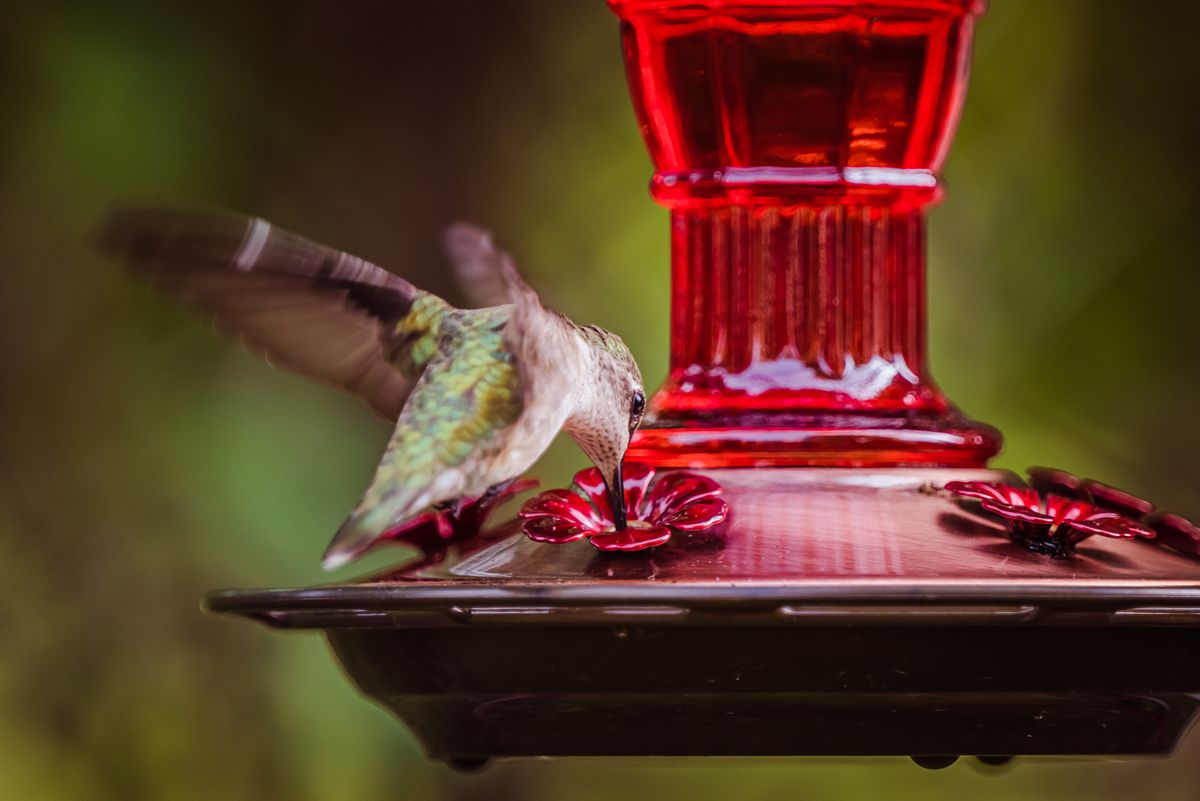
Maintaining pristine hygiene is significantly easier when your feeder is engineered for effortless disassembly and visual inspection. The LUJII Solar-Powered Hummingbird Feeder features a crystal-clear, translucent hand-blown glass reservoir that lets you spot cloudy nectar or mold dots from across your yard.
- Artisanal Hand-Blown Glass: Handcrafted at 2,300°F, each 32 fl. oz. reservoir features vibrant embedded colors that never fade or leach into solution.
- Slender Leak-Proof Seal: Designed with a precision-sealed metal base coated in anti-rust protection to prevent sticky syrup leaks that attract wasps and ants.
- Protected Solar Intelligence: The protective plastic solar cap shields internal electronics from rain, snow, and cleaning splashes while powering ambient RGB night lighting for up to 8 hours.
Expert Tip: Protecting Delicate Solar Caps and Hand-Blown Glass Pigments
> "When sanitizing decorative solar feeders, always treat the electronic top and artisanal glass as two distinct components. Hand-blown glass shaped at 2,300 degrees retains its structural integrity indefinitely under warm hand-washing, but dishwasher heating elements induce micro-fractures. Meanwhile, keeping the solar housing bone-dry during sanitization preserves the rechargeable battery seals and multi-mode RGB circuitry for years of twilight enjoyment." > > — Avian Wildlife Rehabilitation & Feeder Maintenance Standard
Sanitization Troubleshooting Matrix: Persistent Mold & Cloudy Glass
| Symptom / Scenario | Root Cause | Corrective Action | Prevention Protocol |
| --- | --- | --- | --- |
| Black speckles inside narrow glass neck | Cladosporium mold spores adhering to residual sugar film. | Soak bottle in 1:10 bleach solution for 15 minutes; scrub with a flexible angled bottle brush. | Sanitize every 48 hours when ambient heat exceeds 85°F. |
| Hazy white film on translucent colored glass | Hard water mineral scaling mixed with dried nectar deposits. | Submerge glass in full-strength white distilled vinegar for 30 minutes; wipe with microfiber cloth. | Rinse reservoir with distilled or filtered water after every wash. |
| Sticky residue on anti-rust metal base ports | Slow nectar seepage or bird drippage drying on metal contact points. | Disassemble metal base plate, soak in warm vinegar water, and scrub feeding ports with micro-pipe cleaners. | Ensure silicone O-ring gasket is seated perfectly flat during reassembly. |
| Solar lights flickering or failing to turn on after washing | Moisture intrusion past the solar cap gasket during cleaning. | Unscrew solar cap, remove battery compartment cover, and let air-dry in a warm, sunny window for 24 hours. | Never submerge cap; wipe solar shield only with a damp cloth. |
When standard rinsing fails to keep your glass sparkling and nectar pure, match your specific cleaning bottleneck to these wildlife-approved fixes.
Sanitization Solution Cheat Sheet & Chemical Safety Matrix
| Cleaning Scenario | Chemical Solution & Ratio | Required Dwell Time | Material Compatibility | Rinsing Protocol |
| --- | --- | --- | --- | --- |
| Routine Maintenance (Spring/Fall) | White Distilled Vinegar (1 Part Vinegar : 4 Parts Water) | 10 to 15 Minutes | Glass Reservoir, Metal Base, Silicone Gaskets (Excludes Solar Top) | Rinse 2x with lukewarm tap water until acid odor dissipates. |
| Deep Mold Remediation (Summer Heat) | Unscented Liquid Bleach (1 Part Bleach : 10 Parts Water) | 15 Minutes (Do not exceed 30 min) | Glass Reservoir & Anti-Rust Base (NEVER apply to Solar Cap) | Rinse 4x with hot water; air-dry completely until bleach smell is 100% gone. |
| Eco-Friendly Spore Removal | 3% Food-Grade Hydrogen Peroxide (Straight / Undiluted) | 10 Minutes | Safe on all non-electronic components and rubber O-rings | Single warm water rinse; breaks down into pure water and oxygen. |
| Daily Quick-Flush | Pure Hot Tap Water (120°F Max) | Immediate Mechanical Scrub | All components except solar electronics | Shake out excess water; no chemical neutralizer needed. |
Compare safety profiles, dilution ratios, and material restrictions for every standard hummingbird feeder cleaning solution.
Key Takeaways for Safe Feeder Sanitization
- Ditch the Dish Soap: Fragranced soaps leave invisible films that disrupt hummingbird digestion and cause nectar rejection.
- Follow the Heat Clock: When ambient temperatures top 90°F, nectar ferments into toxic alcohol within 24–48 hours, requiring immediate cleaning.
- Protect the Solar Electronics: Always detach the top solar assembly and wipe it gently with a dry or slightly damp cloth—never submerge it.
- Protect Artisanal Glass: Wash hand-blown glass strictly by hand in lukewarm water to preserve vibrant colors and prevent thermal shock cracks.
- Scrub the Micro-Ports: Use micro-brushes on anti-rust metal feeding ports where fungal spores hide out of sight.
Step-by-Step Deep Clean Checklist for Glass & Solar Feeders
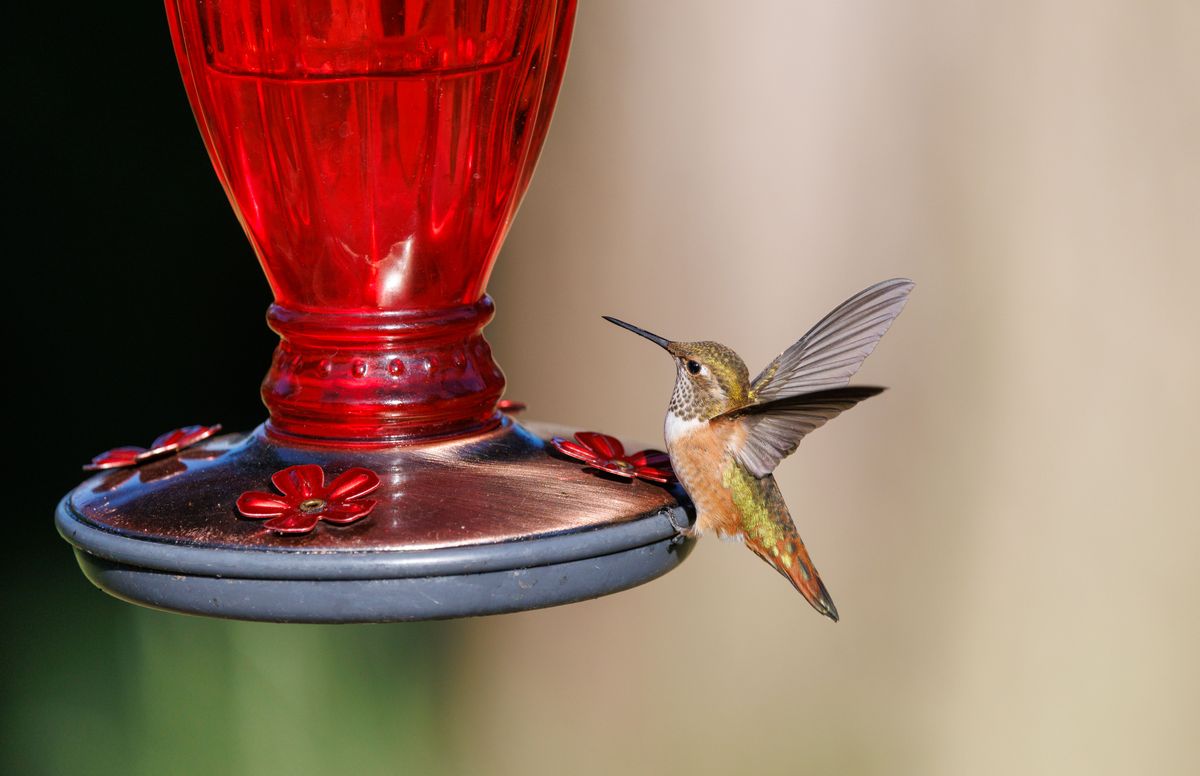
Photo by Veronika Andrews on Pexels
- [ ] Unscrew the electronic solar panel cap and set aside in a dry, safe area (wipe solar shield gently with a microfiber cloth).
- [ ] Dump out all remaining nectar down the drain—never top off old syrup with fresh nectar.
- [ ] Disassemble the 32 oz hand-blown glass reservoir, anti-rust metal base plate, and inner silicone seals.
- [ ] Submerge glass and metal base in a 1:4 white vinegar bath (or 1:10 bleach bath if black mold spots are visible) for 10-15 minutes.
- [ ] Scrub the interior glass bottle with a curved nylon bottle brush, and use micro-port brushes to clean each metal flower opening.
- [ ] Rinse all washed components under lukewarm running water until all chemical odor is completely unnoticeable.
- [ ] Air-dry all components thoroughly on a clean lint-free towel before filling with fresh 1:4 chilled sugar water.
5 Dangerous Sanitization Mistakes That Harm Hummingbirds
Avoid these frequent maintenance blunders to protect both your backyard flock and your artisan feeder.
Related Feeder Maintenance Guides
- How to Clean a Solar Glass Hummingbird Feeder: Safe Seasonal Care Guide
- Solar Hummingbird Feeder FAQ: Answers to Common Questions
- Why Is My Hummingbird Feeder Leaking? How Air Pressure and Base Seals Work
Frequently Asked Questions About Feeder Sanitization
Get fast, direct answers to common cleaning and solar maintenance dilemmas.
Next Steps: Establish Your Avian Hygiene Routine
Your decision: Determine whether your feeder needs a routine 1:4 vinegar wash or an emergency 1:10 bleach soak based on outdoor heat and mold presence.
Do this next: Disassemble your feeder, wipe the solar electronic cap with a damp cloth, soak glass and metal parts in a 1:4 white vinegar bath, brush ports thoroughly, and let all parts air dry completely before refilling with fresh 1:4 nectar.
- Read next: Hummingbird Feeder Gasket and O-Ring Maintenance: FAQs for a Drip-Free Garden
Upgrade your garden display to the LUJII Solar Hummingbird Feeder featuring a wide-mouth hand-blown glass reservoir that simplifies visual inspection and cleaning.
Protecting your migratory visitors begins with a quick inspection today. Examine your current nectar clarity, swap out fermented sugar water, and give your hand-blown glass a refreshing vinegar soak.
Cover photo by DΛVΞ GΛRCIΛ on Pexels.