Can Solar Hummingbird Feeders Get Wet? Weatherproofing, Rain, & Sun Protection Guide
Contrary to the widespread myth that rainfall instantly short-circuits solar garden electronics, high-quality solar hummingbird feeders are engineered specifically for outdoor rain. Sealed plastic solar caps shield internal RGB light circuitry, while anti-rust coated metal bases prevent corrosion. However, feeders must never be completely submerged in water, and heavy downpours require monitoring to prevent nectar dilution.
Weatherproofing Decision Framework: Placement & Exposure Strategy
High-quality solar hummingbird feeders feature water-resistant plastic solar caps and anti-rust metal bases designed for normal outdoor rainfall, but require shade management under intense sun and winter storage during hard freezes.
Best choice for
- Standard Solar Glass Feeder with Top Seal Cap — Top-mounted solar caps seal internal circuitry against downpours while harvesting full daytime light for up to 8 hours of evening RGB illumination.
- Solar Feeder with Rain Guard Baffle & Heavy-Duty Hook — Baffles deflect driving rain away from feeding ports to prevent nectar dilution and excessive swaying during severe gusts.
- Leaving hand-blown glass outside during freezing conditions below 32°F (0°C).
- Submerging the solar cap assembly in water during deep cleaning.
- Shaded Hanging Mount with Partial Solar Exposure — Protects nectar from overheating above 88°F while allowing morning solar charging for evening lights.
Featured Weatherproof Solar Feeder
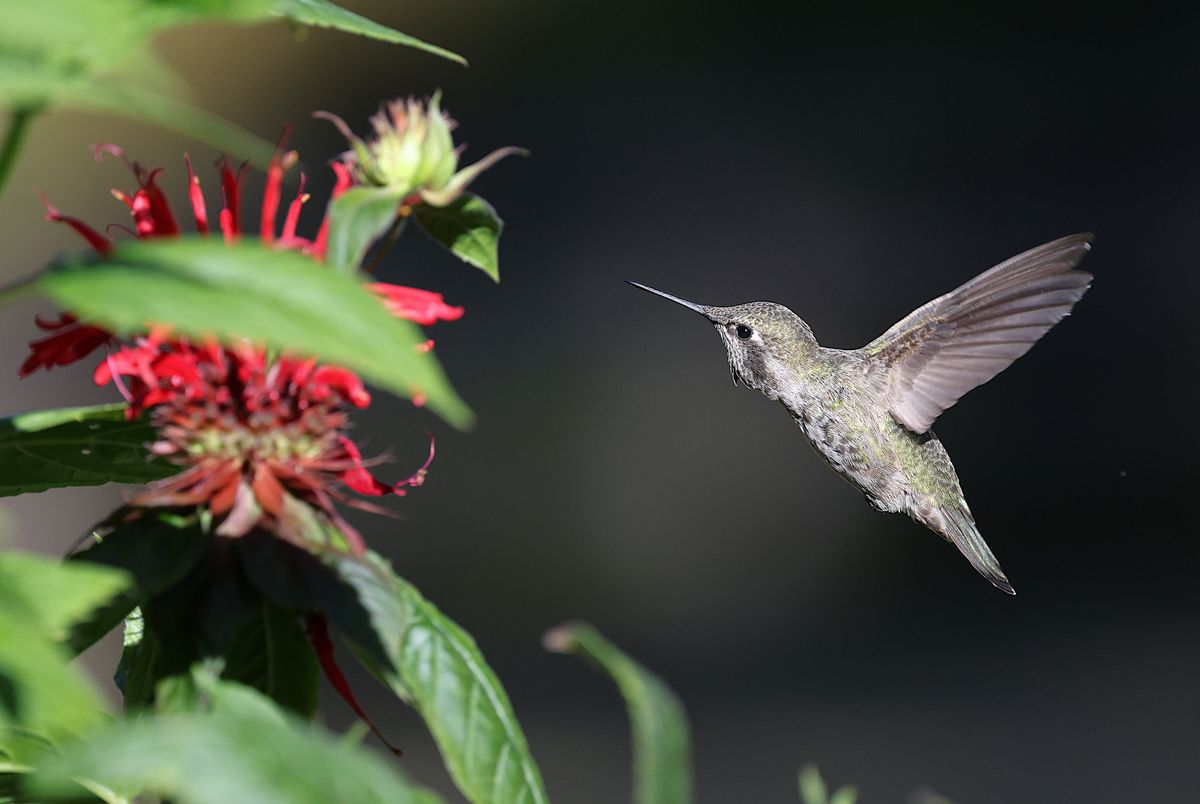
Photo by Veronika Andrews on Pexels
Meet the ultimate fusion of handcrafted artistry and weather-tested electrical engineering.
Pre-Storm Weatherproofing Inspection Checklist
- [ ] Inspect the plastic solar cap to ensure it is securely seated and flush.
- [ ] Check that the metal base coating is free of deep scratches or chips.
- [ ] Ensure feeding ports are clear and gasket seals are tightly screwed onto the glass neck.
- [ ] Verify that hanging hooks are secured against high gusty winds.
- [ ] Empty and refresh nectar if rainwater diluted the reservoir after heavy downpours.
Pro-Tip: Managing Nectar Fermentation Under Direct Sunlight
While solar panels love unbroken sunlight, hummingbird nectar ferments rapidly when temperatures climb above 88°F (31°C). Sunlight triggers yeast production in sugar water, turning fresh nectar cloudy and dangerous to avian health in as little as 24 to 48 hours.
To balance ambient charging with bird safety, hang your solar feeder in a location that receives 3 to 5 hours of direct morning sun followed by afternoon shade. Morning sun efficiently recharges the solar battery cap for evening illumination, while afternoon shade keeps the handcrafted glass body cool, preventing heat-induced leaks and nectar spoilage.
Weather Troubleshooting Matrix: Rain, Leaks, and Solar Failures
| Symptom | Weather Cause | Direct Fix | Preventive Action |
| --- | --- | --- | --- |
| RGB light turns on briefly or stays dim at night | Cloudy storm weather or debris covering top solar panel | Wipe top plastic cap with a damp microfiber cloth and allow 6 hours of unshaded sunlight recharge | Position feeder where morning tree foliage does not cast persistent shadows across the solar cap |
| Nectar levels rise quickly and turn watery/cloudy | Driving rainwater entering open flower feeding ports | Discard diluted nectar, clean reservoir with hot water, and refill with fresh 4:1 sugar solution | Install a clear weather baffle dome directly above the feeder hook during rainy seasons |
| Dripping from the metal base ports after hot sunny days | Internal air thermal expansion pushing liquid through ports | Invert feeder, unscrew base, release trapped air pressure, and re-tighten silicone seal flush | Fill reservoir to at least 80% capacity to minimize air volume, or move to afternoon shade |
| Water droplets trapped inside the solar LED cap lens | Cap unseated or broken seal ring after severe impact or hail | Remove solar cap, dry battery housing thoroughly in warm indoor air before reinstalling | Ensure solar cap is pressed firmly into rubber collar gasket before hanging outdoors |
If a storm or heatwave disrupts your solar feeder, use this table to quickly diagnose and fix the issue.
Key Takeaways: Weather Proofing Essentials
- Quality solar hummingbird feeders feature water-resistant solar caps that safely withstand regular rain showers.
- Hand-blown glass colored at 2,300°F will never fade, peel, or degrade under harsh outdoor UV exposure.
- Anti-rust metal bases resist corrosion, but should be inspected periodically for deep scratches.
- Extreme heat (>90°F) speeds up nectar spoilage; place feeders where they get morning sun and afternoon shade.
- Freezing winter temperatures (<32°F) expand liquid and can crack glass reservoirs—store feeders indoors during winter.
Weather Conditions vs. Feeder Performance Matrix
| Weather Scenario | Solar Electronics Impact | Glass Reservoir & Base Impact | Nectar Quality Impact | Required User Action |
| --- | --- | --- | --- | --- |
| Light Rain & Drizzle | Fully protected by plastic solar cap channels; battery operates normally. | Water runs off hand-blown glass; anti-rust base repels moisture. | Zero impact; ports remain unaffected by light falling rain. | None required. Enjoy the damp garden view. |
| Heavy Thunderstorms & Downpours | Cap repels water, but dense cloud cover reduces nighttime RGB glow duration. | Swaying may splash liquid if unweighted; metal base resists water immersion. | Driving rain may dilute nectar through feeding ports. | Check nectar clarity after storm; install a rain baffle if wind is extreme. |
| Intense Heatwave (>90°F / 32°C) | Solar panel recharges at maximum efficiency for up to 8 hours of lighting. | Air expansion inside glass tube can cause minor port dripping if partially empty. | Nectar ferments rapidly within 24 to 48 hours. | Move feeder to partial afternoon shade; refresh nectar every 1-2 days. |
| Freezing Winter (<32°F / 0°C) | Lithium solar batteries lose efficiency and can suffer permanent freeze damage. | Expanding frozen water will crack thick hand-blown glass bodies. | Nectar freezes solid at 27°F (-3°C), preventing feeding. | Bring feeder indoors for winter storage before hard frost arrives. |
Compare how key components respond across four distinct outdoor weather scenarios.
Technical Weatherproofing Specifications & Materials
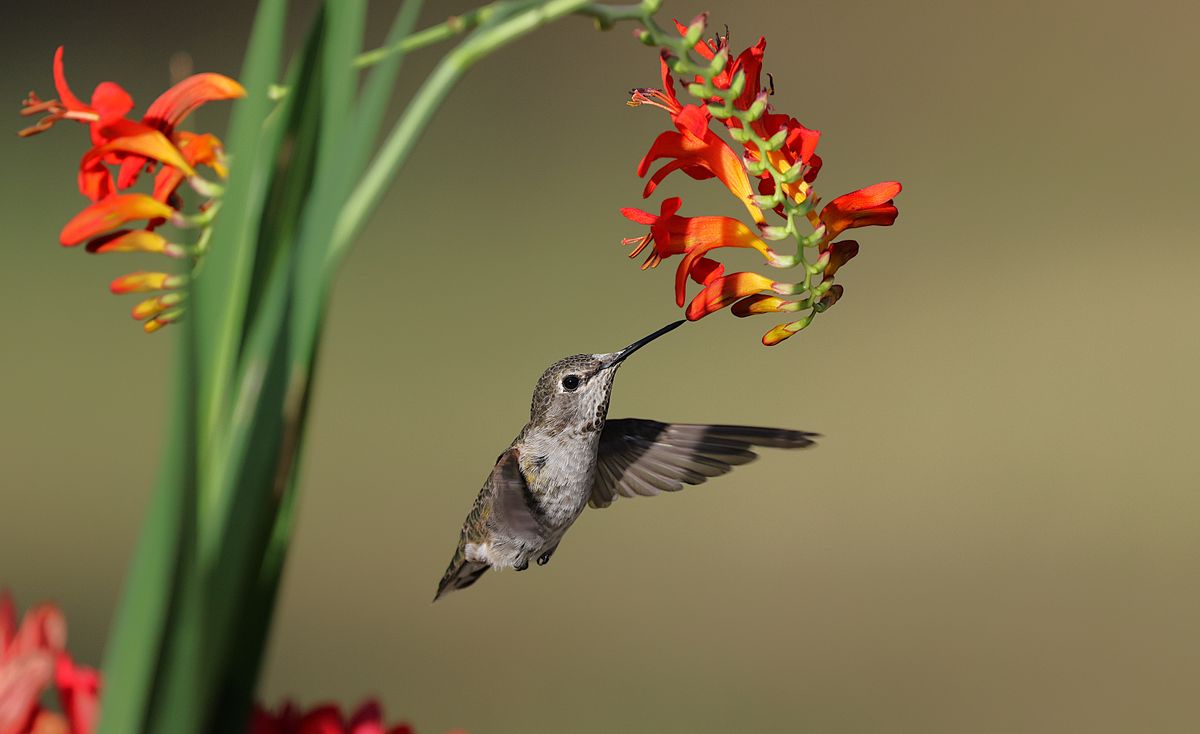
Photo by Veronika Andrews on Pexels
| Component | Material & Construction | Weatherproofing Rating & Property | Primary Outdoor Function |
| --- | --- | --- | --- |
| Solar Housing Cap | Heavy-duty molded UV-resistant plastic with silicone gasket | Waterproof splash seal | Protects solar panel, internal circuit board, and rechargeable battery from rain and snow. |
| Glass Reservoir | Hand-blown art glass shaped at 2,300°F with embedded pigment | Thermal shock resistant (non-fading UV color) | Holds 32 fl.oz of nectar; withstands severe summer UV without peeling or yellowing. |
| Base Assembly | Machined metal with multi-coat anti-rust enamel finish | Corrosion-resistant metal alloy | Provides heavy bottom stability against wind while preventing rust formation from sugar water. |
| Feeding Ports & Seals | Soft flexible silicone sealing gaskets & metal perch ring | Leak-proof compression seal | Prevents nectar dripping and blocks rain seepage into the lower reservoir tray. |
Understanding the high-grade materials that make a solar glass hummingbird feeder resilient against atmospheric elements.
Common Weather Protection Mistakes to Avoid
Avoid these frequent mistakes to ensure your solar glass feeder lasts for years without electrical failure or glass breakage.
Related Guides & Seasonal Placement Advice
- Solar Hummingbird Feeder FAQ: Answers to Common Questions
- Can Hummingbird Feeders Get Wet in the Rain? Weather Safety & Solar Protection FAQ
- Solar Hummingbird Feeder vs Traditional: Senior Gardener Comparison
Frequently Asked Weatherproofing Questions
Got specific questions about rain, direct sun, or battery care? Here are direct answers from solar feeder experts.
Next Steps for Outdoor Feeder Care
Your decision: Choose a high-grade solar feeder with an anti-rust base and top-sealed solar cap for safe year-round outdoor display.
Do this next: Hang your feeder in a spot receiving 3 to 5 hours of morning sun with afternoon shade to maximize solar light performance while preventing nectar fermentation.
- Read next: Troubleshooting Nectar Leaks and Solar Lights on Handcrafted Feeders
- Read next: How to Maximize Nighttime Battery Life and Illumination for Your Solar Feeder
LUJII Hand-Blown Glass Solar Hummingbird Feeder with 32 oz capacity and sealed RGB top cap.
Ready to transform your garden into a colorful, illuminated hummingbird sanctuary?