Weatherproofing Your Garden Feeder: All Your Sun, Rain, and Wind Questions Answered
Many garden lovers believe hand-blown solar glass feeders are too delicate for severe weather and must be rushed indoors at the first sign of rain. In truth, quality artisan feeders withstand summer storms when sited correctly: position under partial tree canopy to protect nectar from 90°F+ direct heat, attach a clear acrylic dome baffle for heavy downpours, and secure the hanger with a locking safety clip against 20mph+ winds.
Weatherproofing Decision Framework by Scenario
Choose your weather protection strategy based on your primary climate threat: heat management for Southern states, rain baffles for coastal downpours, and tethering for windy plains.
Best choice for
- Dappled Morning Sun & Afternoon Canopy Shade — Prevents rapid nectar fermentation while allowing the top solar panel morning light for an 8-hour RGB charge.
- 12-Inch Clear Acrylic Weather Dome Baffle — Deflects driving rain away from feeding ports without blocking solar rays from reaching the solar cap.
- Locking Safety S-Hook Clip + 50% Mass Nectar Fill — Prevents the heavy 32 fl.oz glass reservoir from swinging off hooks or colliding with solid structures.
- Hanging feeders in 100% full-day unshaded sunlight during midsummer heat waves.
- Leaving hand-blown glass feeders outdoor in freezing sub-32°F temperatures with full liquid.
- Indoor Window Suction Mounts — Use during severe tropical storm warnings to protect art glass while maintaining bird visibility.
Weather-Ready Solar Glass Hummingbird Feeders
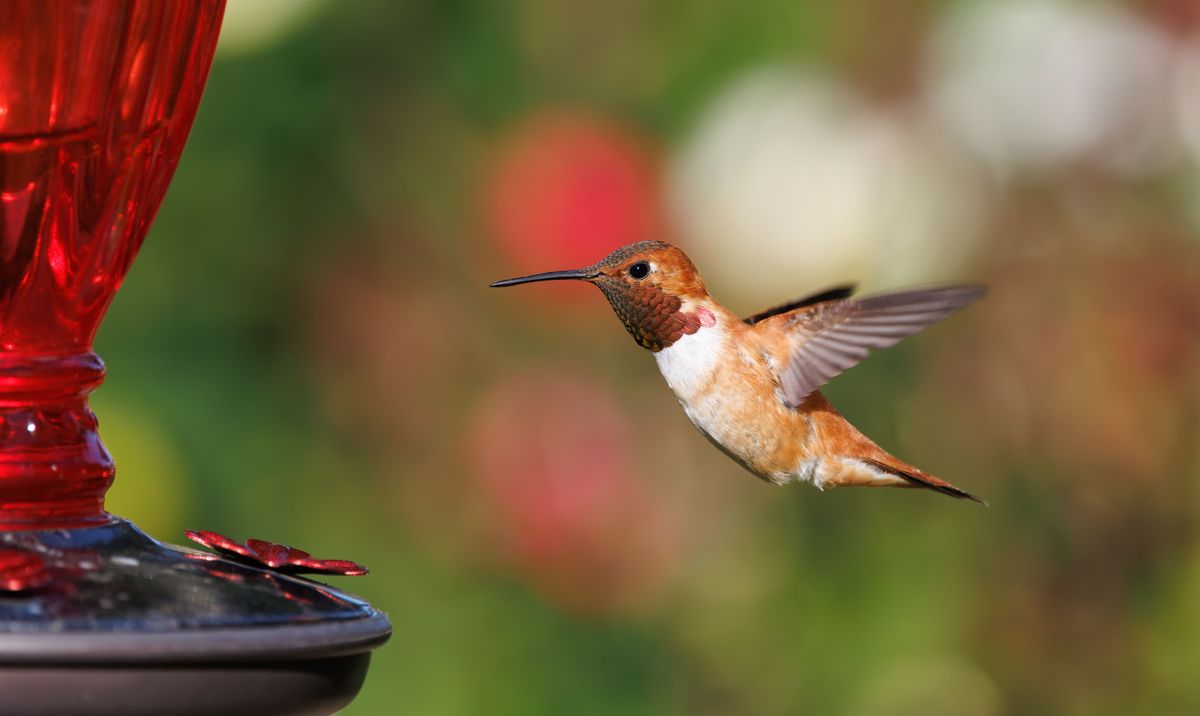
Photo by Veronika Andrews on Pexels
When selecting a solar feeder built to endure nature's moods, look for handcrafted heavy glass, sealed electrical solar housing, and durable metal hardware.
🌟 LUJII Solar-Powered Hummingbird Feeder
- Artisan Hand-Blown Glass: Crafted at 2,300°F by master artisans, each 32 fl.oz thick-walled glass reservoir is a unique work of art built to withstand outdoor garden conditions.
- All-Weather Solar Lighting Cap: Features a high-efficiency plastic solar cap that shields electronics from rain and snow while automatically delivering up to 8 hours of multi-mode RGB illumination after daytime charging.
- Sealed Anti-Rust Metal Base: Engineered with a leak-proof slender profile and anti-rust metal coating to ensure durability and drip-free performance through humid summers.
Expert Tip: Guarding Hand-Blown Glass Against Thermal Shock
Hand-blown glass is remarkably tough, but rapid temperature swings can cause thermal shock—creating micro-fractures in the glass structure. Never wash a sun-warmed glass feeder with ice-cold tap water, and never refill a cold feeder with steaming hot nectar. Always allow your artisan glass reservoir to acclimate to indoor ambient room temperature for 15 minutes before cleaning or refilling.
Pre-Storm Weatherproofing Checklist
- [ ] Check S-hook connection and ensure the locking safety clip is fully engaged on the branch or pole.
- [ ] Ensure the plastic solar cap is securely seated over the glass neck with its rubber gasket flush.
- [ ] Verify nectar level is filled to at least 50% capacity (32 fl.oz total) to provide stabilizing ballast against wind.
- [ ] Inspect the 12-inch dome baffle above the solar top for cracks or debris blocking sunlight.
- [ ] Clear hanging area of heavy adjacent branches that could strike the hand-blown glass during high gusts.
Solar & Nectar Weather Exposure Troubleshooting
| Weather Symptom | Root Cause | Immediate Corrective Action | Long-Term Prevention |
| --- | --- | --- | --- |
| Nectar Cloudiness & Bubbling | Direct sunlight heating nectar past 90°F, causing rapid yeast fermentation | Discard nectar, wash reservoir with hot water, and refill with fresh 1:4 sugar water | Relocate feeder to dappled morning sun with total afternoon shade |
| Diluted Nectar / Overflowing Base | Rainwater entering exposed feeding ports during heavy rainstorms | Drain diluted top layer and dry feeding port gaskets | Install a 12-to-14 inch clear acrylic dome baffle 2-4 inches above solar cap |
| Solar RGB Lights Fail to Illuminate | Moisture trapped inside solar cap module or dirt coating solar panel | Remove solar cap, wipe dry with microfiber cloth, and dry indoors for 24 hours | Ensure cap rubber seal is seated flush; clean solar glass top monthly |
| Feeder Tilting / Excessive Swinging | High wind gusts pushing lightweight or empty glass reservoir | Lower hanging height and fill reservoir with at least 16 fl.oz liquid ballast | Replace open S-hooks with locking carabiner clips or rubberized safety straps |
Diagnose and resolve common weather-induced feeder challenges with this quick guide:
Your Action Plan for Storm & Heat Protection
Your decision: Identify your dominant climate challenge this week—whether heat, heavy rain, or wind—and apply the corresponding placement adjustments.
Do this next: Inspect your solar cap gasket, install a locking S-hook, and position your feeder where it receives morning sun for solar charging and afternoon shade for nectar preservation.
- Read next: Hummingbird Feeder Gasket and O-Ring Maintenance: FAQs for a Drip-Free Garden
Explore the LUJII Hand-Blown Solar Hummingbird Feeder with built-in waterproof solar cap and sealed anti-rust metal base.
Take these concrete steps today to keep your solar glass feeder performing flawlessly:
Key Takeaways: Sun, Rain & Wind Best Practices
- Morning sun provides sufficient solar charging for an 8-hour RGB night glow while afternoon shade protects nectar from spoiling.
- Clear acrylic dome baffles protect feeding ports from rainwater dilution without blocking sunlight from charging solar batteries.
- During severe 95°F+ heatwaves, change nectar every 24 to 48 hours and fill only halfway to minimize sugar water waste.
- Hand-blown glass must be brought indoors when temperatures fall below 32°F to prevent freezing liquid from cracking the glass.
- If moisture penetrates the solar cap, a simple 24-hour indoor drying cycle restores complete lighting functionality.
Protection Methods Across Extreme Weather Scenarios
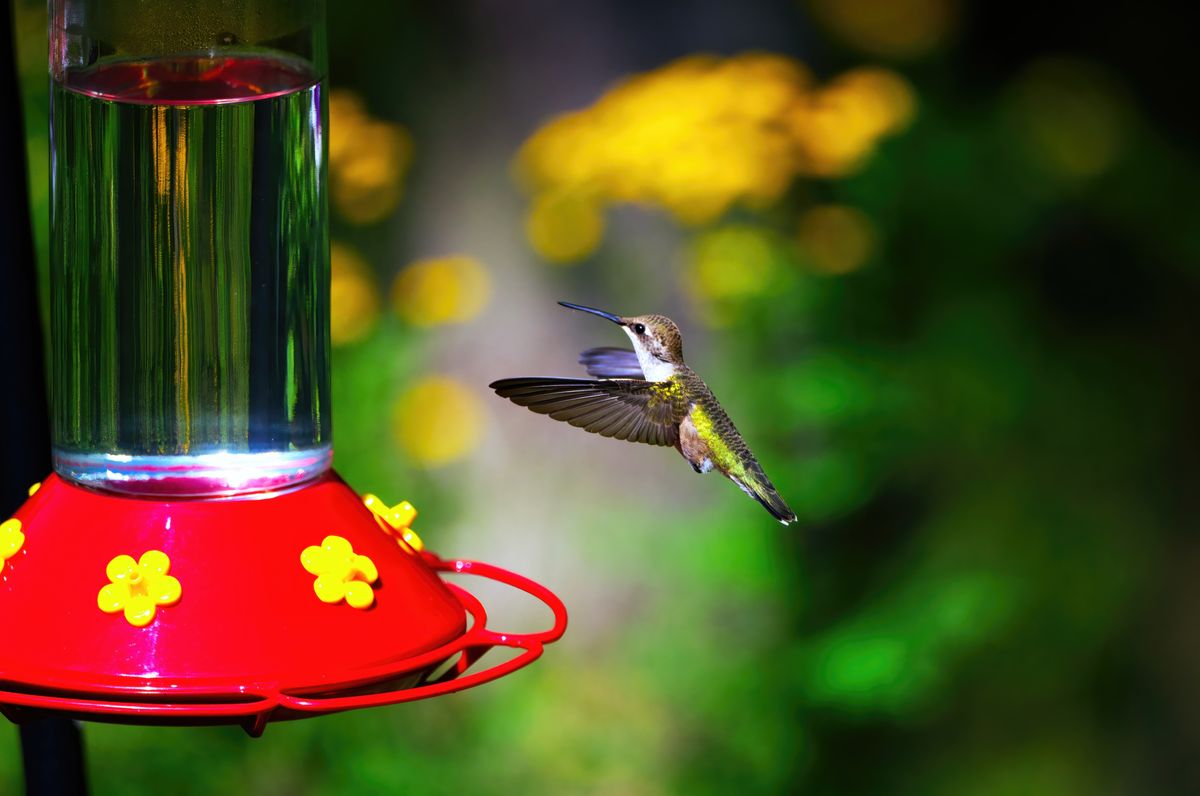
Photo by DANNIEL CORBIT on Pexels
| Weather Scenario | Primary Risk Factor | Ideal Placement Strategy | Recommended Protective Gear |
| --- | --- | --- | --- |
| Extreme Summer Heat (>90°F) | Nectar spoilage & yeast fermentation | East-facing canopy receiving morning sun and afternoon shade | Partial 16 oz filling + Dappled tree shade |
| Torrential Downpours | Water ingress & nectar dilution | Under thick porch overhangs or tree branch umbrellas | 12 to 14-inch Clear Acrylic Weather Baffle |
| High Wind Gusts (20-35 mph) | Glass collision & pole unhooking | Rigid shepherd hook sheltered near garden windbreak shrubs | Locking Carabiner S-Hook + Rubber wrap ballast |
| Early Autumn Frost (<32°F) | Freezing liquid expansion & glass cracking | Bring indoors before sunset during freeze warnings | Climate-controlled indoor night storage |
Compare defensive strategies tailored to specific weather conditions:
Solar Glass Feeder Resistance Specifications
| Component | Material & Construction | Weather Tolerance Threshold | Maintenance & Care Requirement |
| --- | --- | --- | --- |
| Artisan Glass Reservoir | Hand-blown thick glass (shaped at 2,300°F) | High thermal capacity; bring indoors below 32°F | Hand wash with warm water; avoid sudden temperature shock |
| Solar Light Cap | Sealed plastic module with solar cell & RGB LED | Weatherproof against direct rain, snow, and UV | Wipe top panel monthly; dry indoors if condensation forms |
| Feeder Base | Coated metal base with anti-rust seal | Rust-resistant finish for humid outdoor conditions | Rinse flower feeding ports weekly during routine refills |
| Hanging Hardware | Heavy-duty metal S-hook hanger | Supports 32 fl.oz mass ballast under wind loads | Check hook security before severe thunderstorms |
Understand the physical tolerances and build materials of your solar glass feeder:
Common Weatherproofing Mistakes That Ruin Feeders
Avoid these three frequent mistakes to ensure your solar glass feeder lasts season after season:
Related Maintenance & Setup Guides
- Best Weatherproof Hummingbird Feeders for Rain, Wind, and Extreme Sun
- Where to Hang Your Hummingbird Feeder for Best Results
- Best Ant Moats for Hummingbird Feeders: Built-In vs. Hanging Hooks
Frequently Asked Questions: Weatherproofing Solar Hummingbird Feeders
Find clear answers to common questions about shielding your solar glass feeder from the elements: