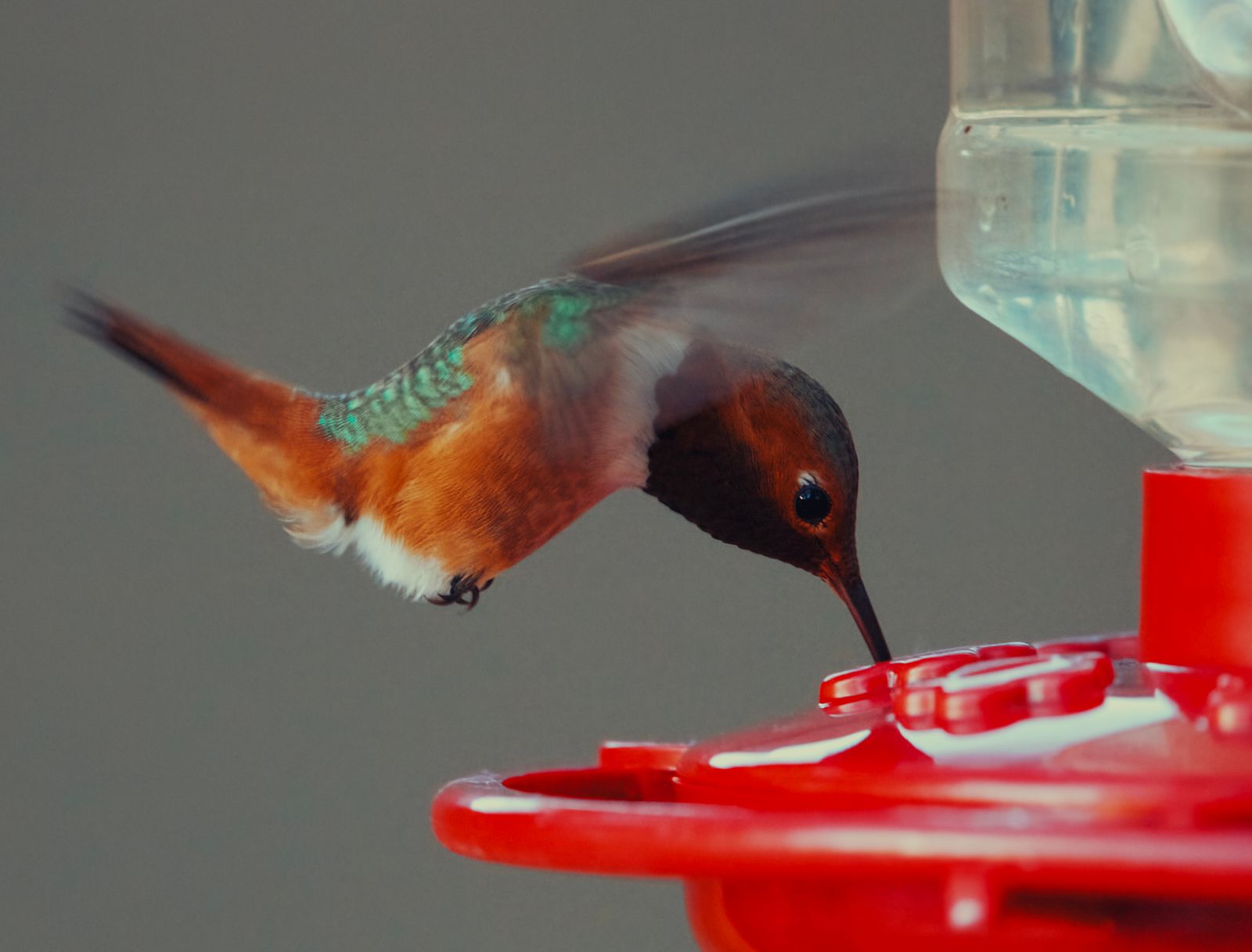
Why Is My Hummingbird Feeder Leaking? Fix Dripping & Thermal Leaks
Hummingbird feeders leak primarily due to thermal expansion heating trapped air pockets, broken vacuum seals, misaligned rubber gaskets, or overfilling. When direct sunlight warms internal air, it expands and forces nectar through the feeding ports. To stop leaks, fill the reservoir completely, tighten the base securely, rapidly invert it, and hang it in afternoon shade.
Feeder Leak Diagnostic Flowchart
- Is nectar actively dripping directly from the feeding port holes? → Yes: Go to Sunlight & Air Pocket Check. No: Go to Base Thread Check.
- Sunlight & Air Pocket Check: Does dripping occur mostly during hot afternoons when sun hits the feeder? → Yes: Thermal expansion of trapped air. Fill reservoir 100% full to eliminate air and relocate feeder to afternoon shade.. No: Check if feeder is swaying in strong wind. If calm, ensure nectar was completely cooled before filling..
- Base Thread Check: Is nectar leaking from the seam where the glass bottle screws into the metal base? → Yes: Inspect O-ring gasket for cracks, misaligned seating, or sugar buildup. Clean threads thoroughly and replace worn gasket.. No: Inspect the glass bottle body for hairline fractures or check for loose hanging hook connections..
Hummingbird Feeder Leakage Symptoms & Solutions
| Symptom & Timing | Root Cause | Physics / Mechanical Factor | Recommended Action |
| --- | --- | --- | --- |
| | | | |
| | | | |
| | | | |
| | | | |
Identify your specific leakage scenario to understand the underlying physical cause and resolve the drip immediately.
Pre-Hanging Anti-Leak Inspection Checklist
- [ ] Inspect rubber O-ring gasket for cracks, stiffness, or misaligned seating in the base.
- [ ] Ensure homemade sugar syrup is completely cooled to room temperature before pouring.
- [ ] Fill nectar reservoir to the absolute brim to minimize internal trapped air volume.
- [ ] Screw metal base securely onto glass threads without cross-threading.
- [ ] Invert feeder right-side-up in one rapid, smooth movement over a sink before hanging.
- [ ] Hang feeder in an outdoor location protected from direct afternoon sun and gusty winds.
Expert Tip: Managing Air Pocket Expansion in Direct Sunlight
The primary culprit behind misterious afternoon drips is thermal dynamics, not a cracked bottle. Air expands significantly more than water when heated by solar radiation. In a half-filled feeder, the trapped air pocket expands as temperatures rise from morning to afternoon, building positive internal pressure that forces nectar down and out of the feeding ports. By filling your reservoir to 100% capacity with room-temperature nectar and hanging it where it receives shade during peak afternoon heat, you eliminate the expandable air pocket and keep atmospheric pressure working for you.
Should You Repair Your Feeder or Upgrade to a Leak-Proof Design?
- Is your feeder made of thin, lightweight molded plastic that has warped in the summer sun? → Yes: Replace with a heavy hand-blown glass feeder featuring a sealed metal base.. No: Check gasket condition.
- Is the rubber gasket cracked, brittle, or completely missing from the base junction? → Yes: Replace the O-ring gasket or install a flexible silicone seal washer.. No: Check filling and hanging habits.
- Does the leak persist after filling completely, cooling nectar, and hanging in full afternoon shade? → Yes: Upgrade to a leak-resistant handcrafted glass feeder with a precision-sealed metal base.. No: Your issue is environmental; maintain proper shade placement and 100% brim-fill routines.
Key Takeaways for Leak-Free Bird Watching
- Vacuum pressure holds nectar inside inverted bottle feeders; any break in the seal causes continuous drips.
- Direct solar heat expands internal air pockets, creating positive pressure that pushes nectar out of port holes.
- Filling liquid to the absolute brim leaves minimal room for air to expand.
- Pouring warm nectar breaks vacuum pressure and accelerates thermal expansion drips.
- Upgrading to thick hand-blown glass with a sealed metal base provides natural thermal insulation and leak protection.
Choosing the Right Fix for Your Feeder Style
Fixing a leaking hummingbird feeder depends on whether the cause is lost vacuum pressure, solar thermal expansion, or warped hardware components.
Best choice for
- Shade Relocation & Brim Fill — Eliminates the air pocket that expands under solar heat radiation.
- O-ring Realignment & Rapid Inversion — Restores the airtight seal and immediately establishes internal vacuum pressure.
- Upgrade to Hand-Blown Glass & Metal Base — Thick glass resists temperature swings while precision metal bases prevent thread warping.
- Applying petroleum jelly, tape, or chemical glues around leaking joints (toxic to birds).
- Filling feeders only halfway during hot summer months (creates large, rapidly expanding air pockets).
- Top-Fill Basin Feeder — Operates without atmospheric vacuum, though prone to rain dilution if unshielded.
- LUJII Hand-Blown Glass Solar Feeder — Combines a heavy 32 oz temperature-resistant glass reservoir with an airtight anti-rust metal base.
Recommended Leak-Proof Feeder: LUJII Hand-Blown Glass Solar Feeder
Crafted to prevent heat expansion leaks while adding vibrant artistic elegance and nocturnal illumination to your garden.
Feeder Material & Design Leak Resistance Comparison
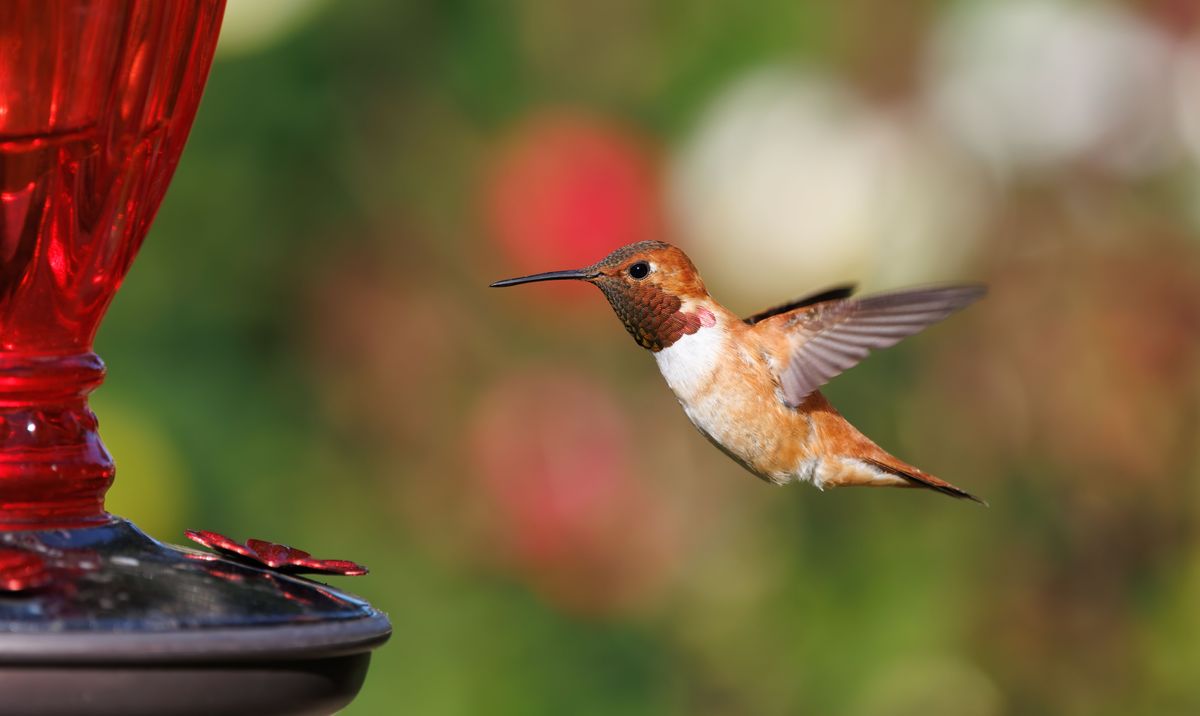
Photo by Veronika Andrews on Pexels
| Feeder Type | Thermal Resistance | Seal Integrity | Wind Resistance | Leak Risk Level |
| --- | --- | --- | --- | --- |
| | | | | |
| | | | | |
| | | | | |
Compare how different feeder constructions handle heat exposure, physical movement, and long-term seal reliability.
Step-by-Step Guide: Resetting Your Feeder's Vacuum Seal
Follow these six essential steps to ensure a flawless airtight seal every time you refill your feeder.
5 Common Mistakes That Cause Hummingbird Feeder Drips
Avoid these frequent missteps that compromise feeder vacuum pressure and attract unwanted yard pests.
Frequently Asked Questions About Hummingbird Feeder Leaks
Get fast answers to technical and practical questions about feeder performance and leak prevention.
Immediate Actions to Stop Nectar Drips Today
Your decision: Determine whether your feeder leak is caused by simple air expansion/improper assembly or structural deterioration.
Do this next: Tighten threads fully after filling to the brim, relocate feeder to afternoon shade, and inspect rubber gaskets for wear.
Related resource: Artisan Glass Hummingbird Feeder FAQ: Care, Cleaning, and Placement Secrets
LUJII Hand-Blown Glass Solar Hummingbird Feeder (32 oz capacity with sealed leak-resistant base)
Take action now to conserve nectar, keep ants and bees away, and enjoy effortless bird watching.