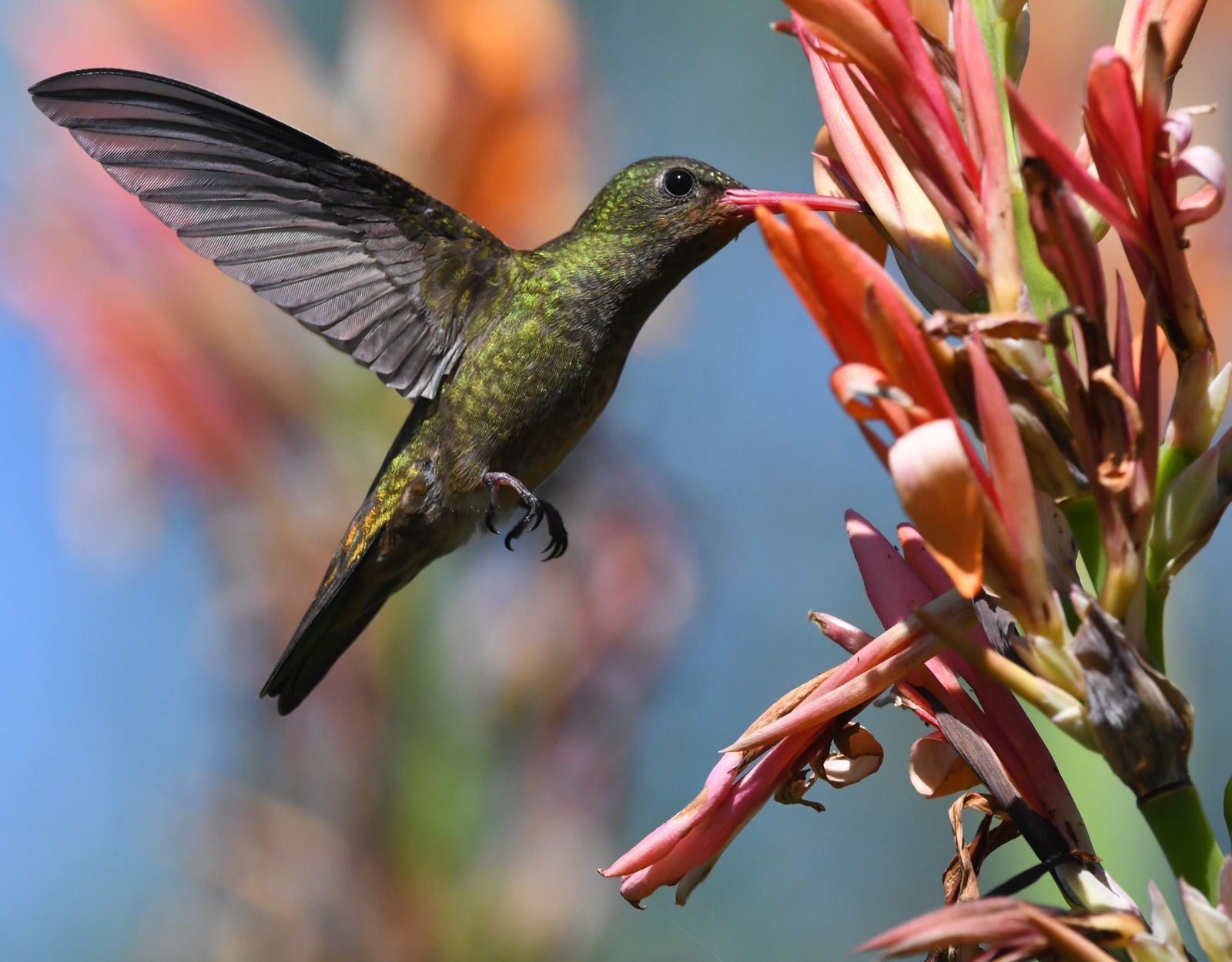
Where to Hang a Hummingbird Feeder: The Ultimate Yard Placement Blueprint
Picture this: you've unboxed a striking, hand-blown glass feeder, filled it with fresh nectar, and hung it outside—only to watch hummingbirds zip right past, or discover the nectar spoiled in midday heat. To fix this, follow our core placement rule:
Hang your hummingbird feeder 5 feet off the ground, 10 to 15 feet from natural tree foliage, and either under 3 feet or over 10 feet from clear window glass. For solar-powered feeders, choose a dappled tree canopy where top solar caps receive 4 to 6 hours of filtered overhead sunlight while the lower glass nectar reservoir stays shaded from intense high-noon heat.
Pre-Hanging Placement Verification Checklist
- [ ] Feeder height is set to approximately 5 feet above ground level.
- [ ] Location is either UNDER 3 feet or OVER 10 feet from clear window glass.
- [ ] Protective tree foliage or shrubs are within a 10 to 15 foot safety flight radius.
- [ ] The solar cap gets at least 4-6 hours of unshaded overhead dusk/dawn sunlight.
- [ ] The nectar reservoir is protected from intense 12 PM - 3 PM high-noon heat.
- [ ] Area beneath the feeder is clear of tall bushes where outdoor cats could hide.
Step-by-Step Yard Placement Strategy
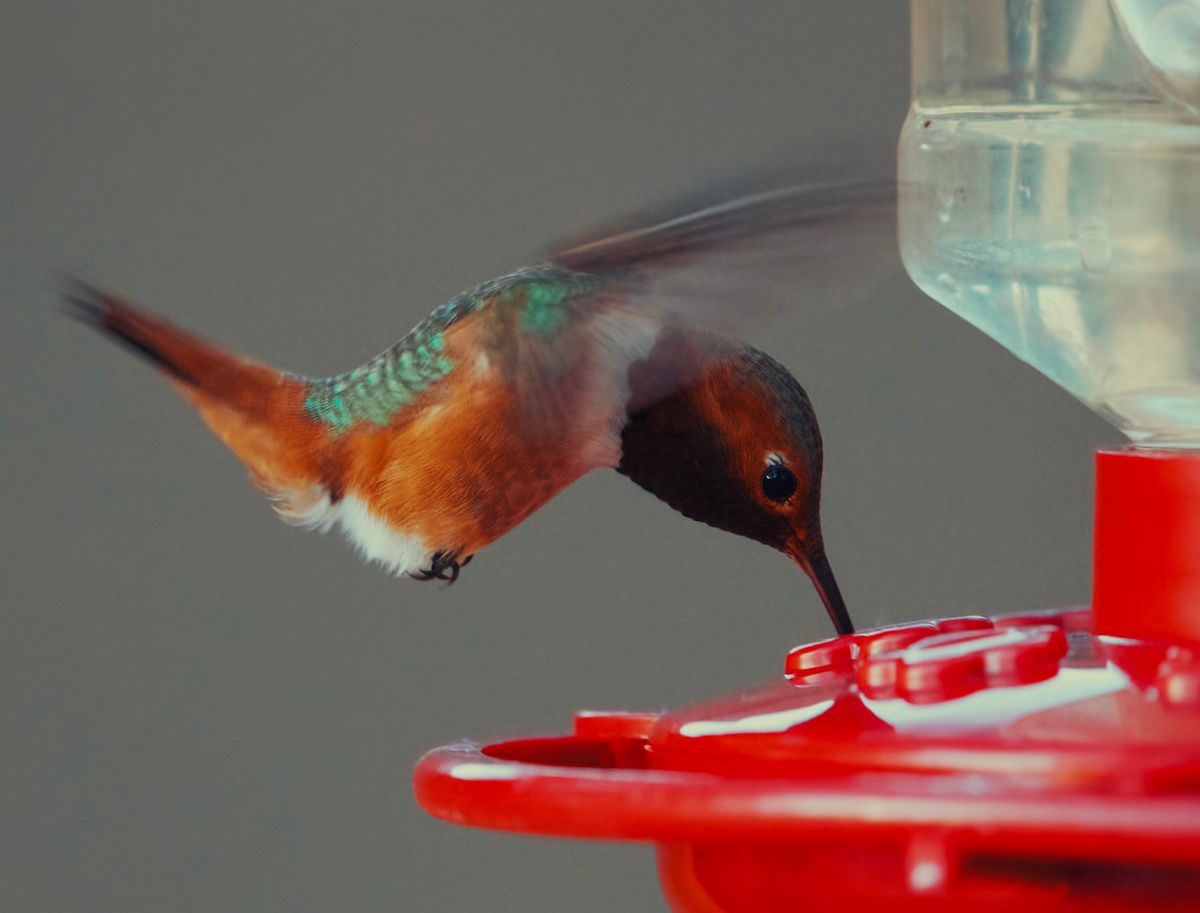
Positioning your feeder requires balancing avian safety, nectar preservation, and solar battery charging.
Pro Placement Tip: The Dappled Shade Micro-Climate Trick
Direct midday sun causes sugar water to ferment within 24 to 48 hours, turning sweet nectar into harmful bacteria-laden vinegar. However, solar-powered feeders need light to illuminate their night RGB displays.
The Solution: Mount your feeder on a shepherd's hook positioned on the eastern edge of a tree's leaf canopy. This grants the feeder gentle morning sunlight to warm up resting hummers and charge top solar cells, while the tree's thick afternoon shadow protects hand-blown glass reservoirs from 2,300-degree ambient solar reflection during peak 2 PM heat.
Placement Decision Matrix for Different Yard Layouts
The ideal hummingbird feeder location balances predator protection, window safety, shade protection for nectar, and overhead light access for solar battery charging.
Best choice for
- Shepherd's hook with morning sun and afternoon shade — Provides visibility from indoors while preventing high-noon nectar overheating.
- Tree branch hanging 10 to 15 feet from dense foliage at 5 feet high — Offers birds immediate escape cover while remaining visible to territorial hummers.
- Hanging 3 to 10 feet from clear window glass (high collision hazard zone)
- Placing in full, unshaded afternoon sun above 85°F (causes rapid nectar fermentation)
- Positioning within 5 feet of low shrubs where outdoor cats can hide
- Free-standing metal shepherd's hook pole with ant moat — Best option if tree branches are too high or prone to crawling pests.
- Deck railing clamp mount — Great for elevated decks with limited hanging trees.
Recommended Artisan Solar Feeder for Your Yard
To achieve a balance between daytime bird watching and magical evening garden illumination, choose a durable solar glass feeder crafted specifically for outdoor weather resistance.
Next Steps: Action Plan for Your Yard Setup
Your decision: Determine the ideal 5-foot-high, dappled-shade location in your yard that keeps nectar fresh and charges your solar cap.
Do this next: Measure your window distance and select a sturdy shepherd's hook or tree branch within 10-15 feet of plant cover.
- Read next: How to Hang Your Solar Hummingbird Feeder to Block Ants and Crawling Insects
- Read next: How to Maximize Nighttime Battery Life and Illumination for Your Solar Feeder
LUJII Hand-Blown Glass Solar Hummingbird Feeder (32 oz Capacity, Leak-Proof Base)
Transform your outdoor space into an active haven for hummingbirds with this easy follow-up plan:
Key Placement Rules at a Glance
- Maintain a 5-foot height clearance off the ground to deter outdoor pets and raccoons.
- Adhere to the 3/10 Window Rule: hang closer than 3 feet or further than 10 feet from glass.
- Provide a safety radius: hang within 10 to 15 feet of protective tree foliage.
- Optimize solar lighting: allow 4 to 6 hours of top solar light exposure while shading the lower glass body.
- Prevent territory fights: space multiple feeders 10 to 15 feet apart or out of line of sight.
Printable Yard Placement & Safety Reference
- Height: 5 Feet off the ground
- Window Distance: Under 3 Feet OR Over 10 Feet
- Foliage Escape Cover: 10 to 15 Feet away
- Solar Cap Sunlight Needs: 4-6 Hours filtered overhead sun
- Nectar Shade Needs: Afternoon protection (12 PM - 4 PM)
- Feeder Spacing: 10-15 Feet separation between units
Yard Placement Scenarios & Nectar Preservation
| Yard Scenario | Nectar Preservation | Solar Charging Efficiency | Predator Risk | Overall Placement Score |
| --- | --- | --- | --- | --- |
| Full Sun Open Lawn Pole | Poor (Spoils in 24 hrs) | Maximum (8+ hrs light) | Medium (Hawks visible, no cover) | 5/10 (Requires constant nectar changes) |
| Deep Dense Tree Canopy | Excellent (Stays cool) | Poor (Solar lights won't charge) | Low (Good perch cover) | 6/10 (No nighttime illumination) |
| Dappled Overhead Canopy Edge | Excellent (Shaded from midday heat) | High (4-6 hrs overhead sun) | Low (10-15 ft flight cover) | 9.5/10 (Optimal Golden Zone) |
| Covered Porch Overhang | Excellent (Fully shaded) | Zero (Solar panel blocked) | Low (Elevated structure) | 4/10 (Defeats solar lighting feature) |
Comparing real-world yard locations to see how height, light exposure, and canopy impact bird visits and feeder maintenance.
Interactive Tool: Optimal Feeder Placement Calculator
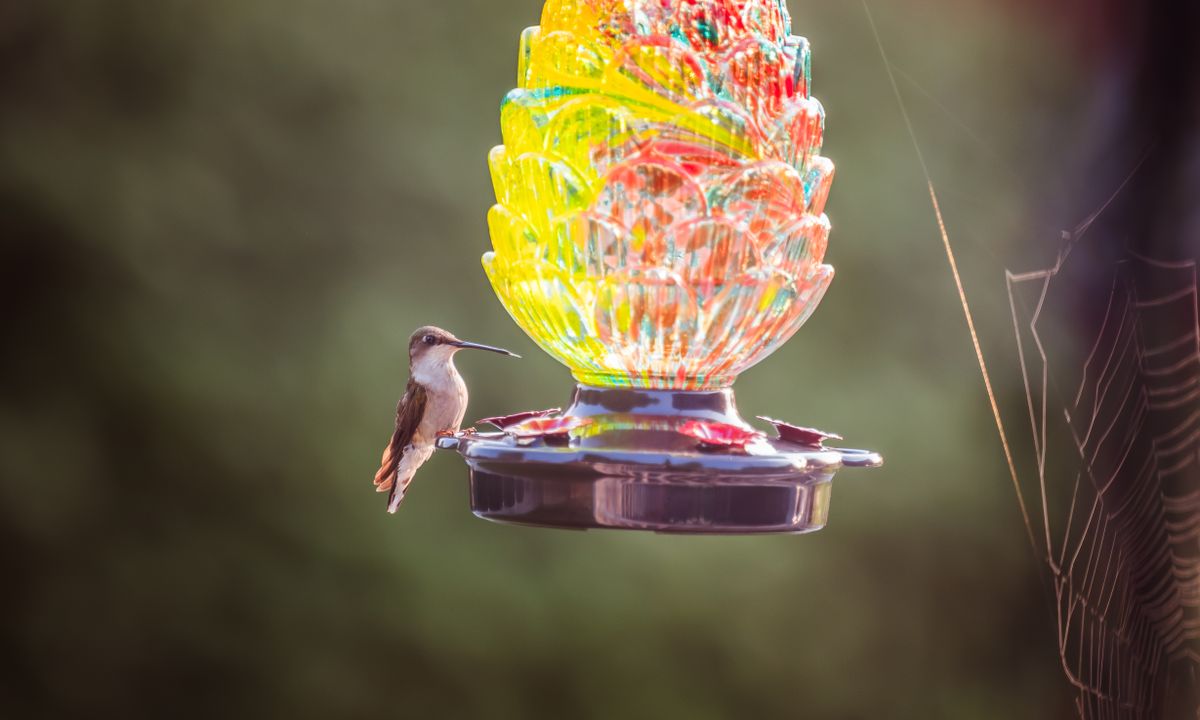
Use this layout scoring tool to evaluate your proposed yard location before hanging your feeder.
Visual Blueprint: The Golden Zone Yard Placement Diagram
A spatial blueprint illustrating safe hanging distances around home structures and garden flora.
5 Critical Placement Mistakes That Deter Hummingbirds
Avoid these common errors to keep your yard safe and inviting for tiny visitors:
Seasonal Placement Adjustment Timeline
- Spring Migration (March - April) — Hang feeder in open, visible eastern spots to catch early sun rays and attract migrating birds returning north.
- Summer Peak Heat (June - August) — Shift feeder into dappled shade canopy to prevent 32 oz nectar reservoirs from boiling in summer heat waves.
- Autumn Migration (September - October) — Move feeder closer to late-blooming flower beds and ensure solar caps catch lowering sun angles to light up cooler evenings.
- Winter Maintenance (November - February) — Clean, dry, and store hand-blown glass indoors in freezing northern climates, or move to sunny sheltered patios in warm southern regions.
Related Placement & Care Guides
- Where to Place a Solar Hummingbird Feeder for Sun & Safety
- Where to Hang Your Solar Hummingbird Feeder: Sunlight & Safety Guide
- Where to Hang Your Solar Hummingbird Feeder: Balancing Sunlight and Shade
Frequently Asked Questions About Feeder Placement
How high off the ground should a hummingbird feeder be hung?
A height of 5 feet off the ground is ideal. This is high enough to deter pets, cats, and crawling pests, but low enough for easy refilling and routine cleaning.
How do I keep ants and bees away from my feeder once hung?
Use a built-in ant moat filled with water, hang the feeder using thin wire rather than thick rope, and select leak-proof feeders with sealed bases that prevent sugary drips.
How far should hummingbird feeders be placed from each other to reduce fighting?
Space feeders at least 10 to 15 feet apart, or place them around the corner of a building out of direct line of sight so aggressive territorial hummingbirds cannot guard all feeding ports.
Does direct sunlight make nectar spoil faster?
Yes. Direct sunlight and heat accelerate nectar fermentation, converting sugar water into harmful bacteria in as little as 24-48 hours. Choose morning sun with afternoon shade for best results.
Find quick answers to common questions about setting up your feeder.
Cover photo by Pablo Asaroff on Pexels.